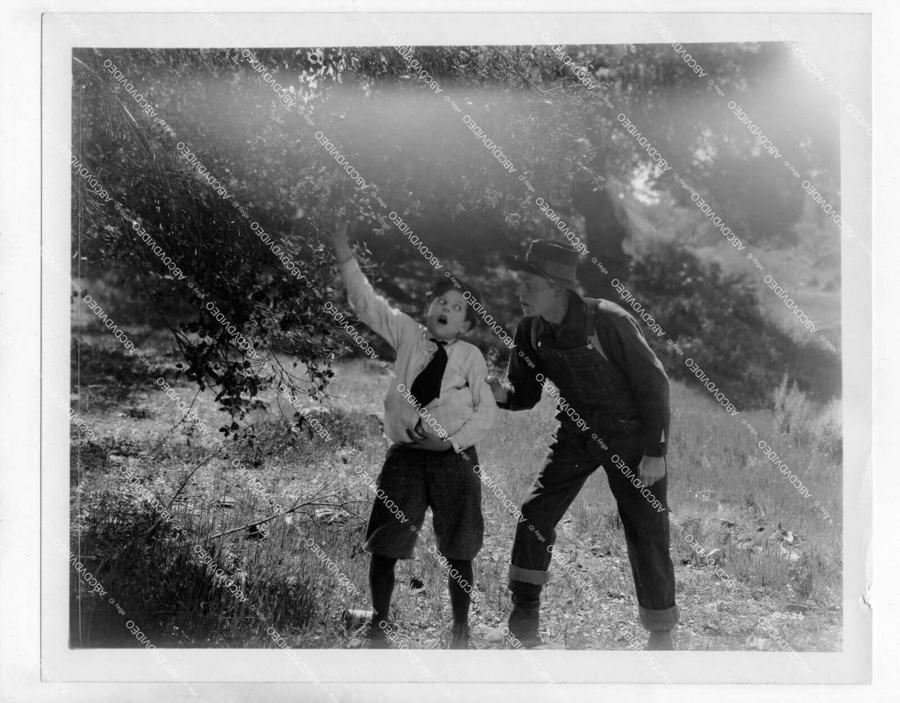
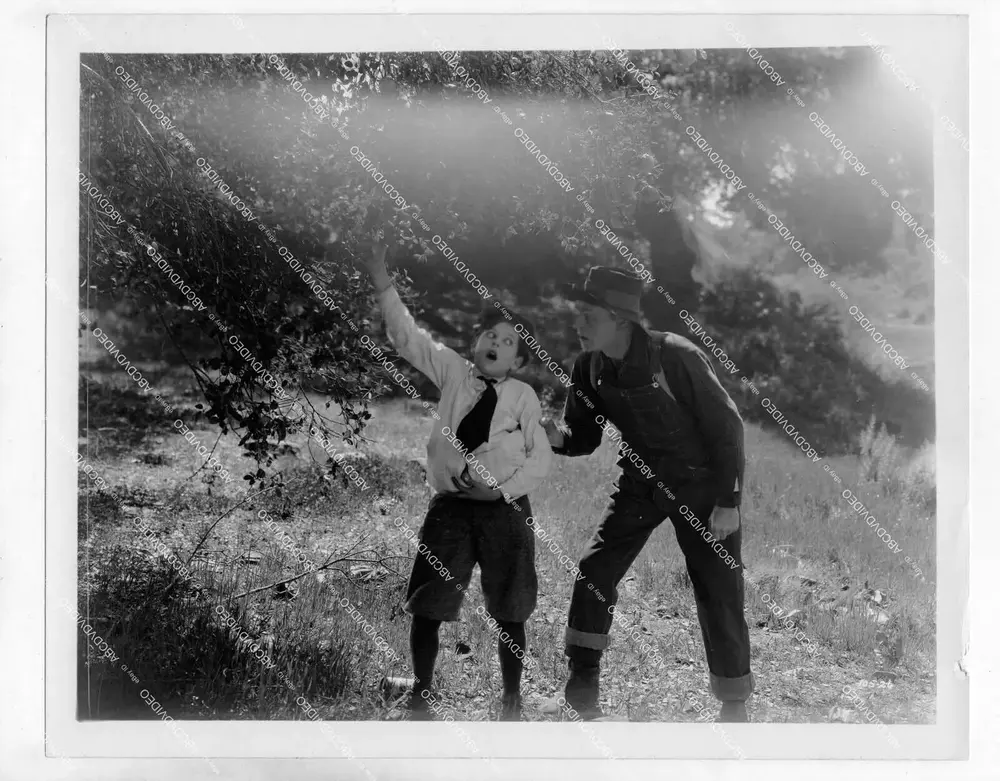
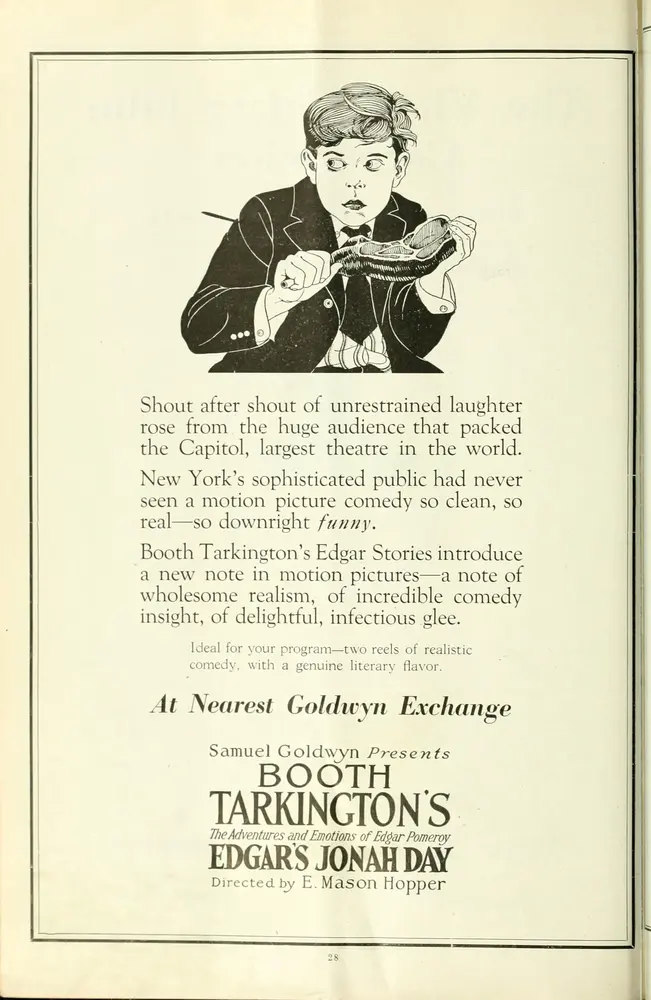
Some films arrive like weather systems; others seep in like damp. Edgar's Jonah Day does both—an ostensibly modest morality yarn that swells into a hallucination of pen and ink, shame and sodium light. Viewed today, it feels less a relic than a prophecy, foretelling the cubicle-age dread that would later calcify into ...
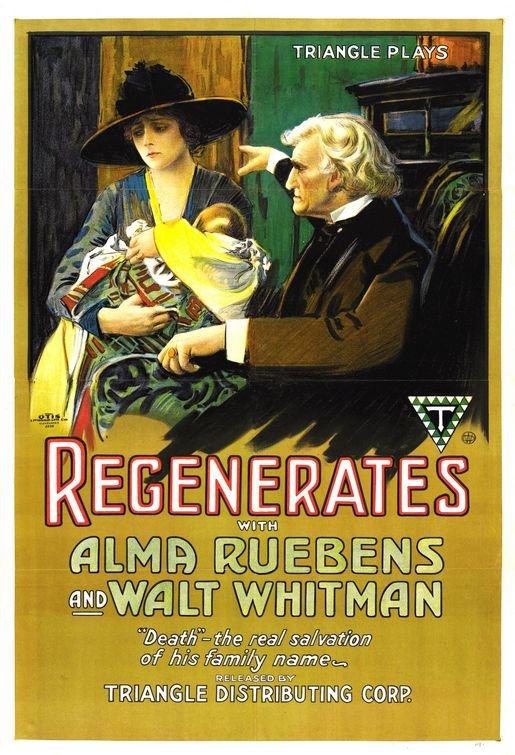
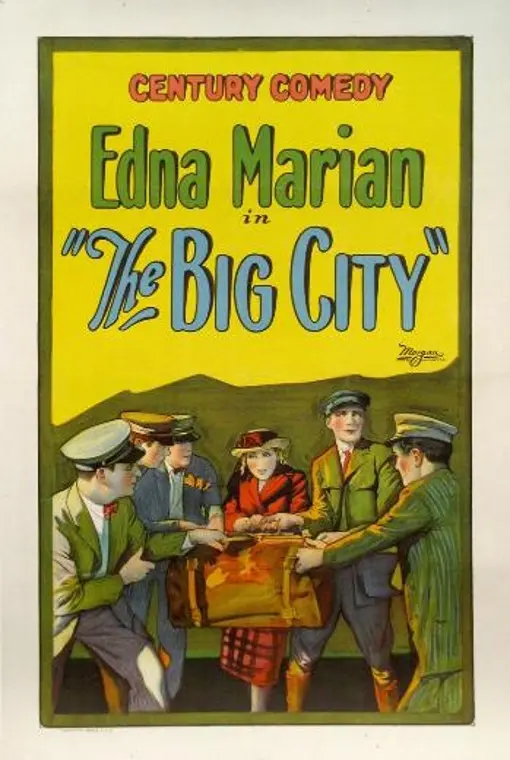
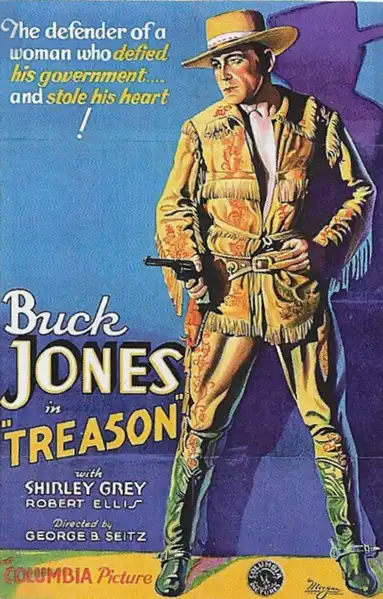
publicity
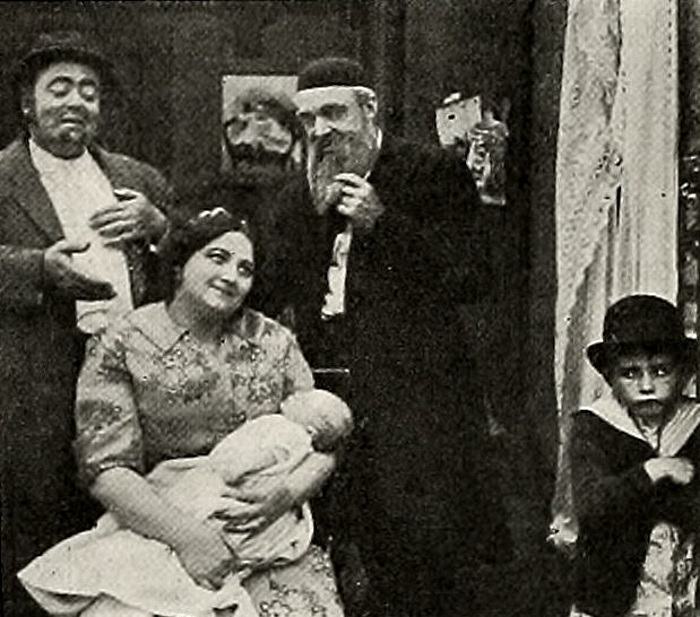
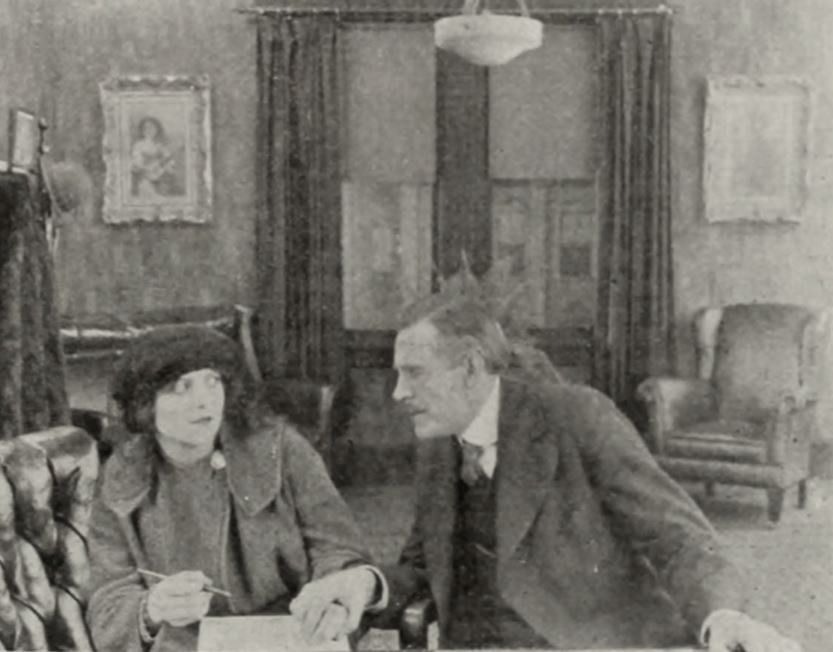
still_frame
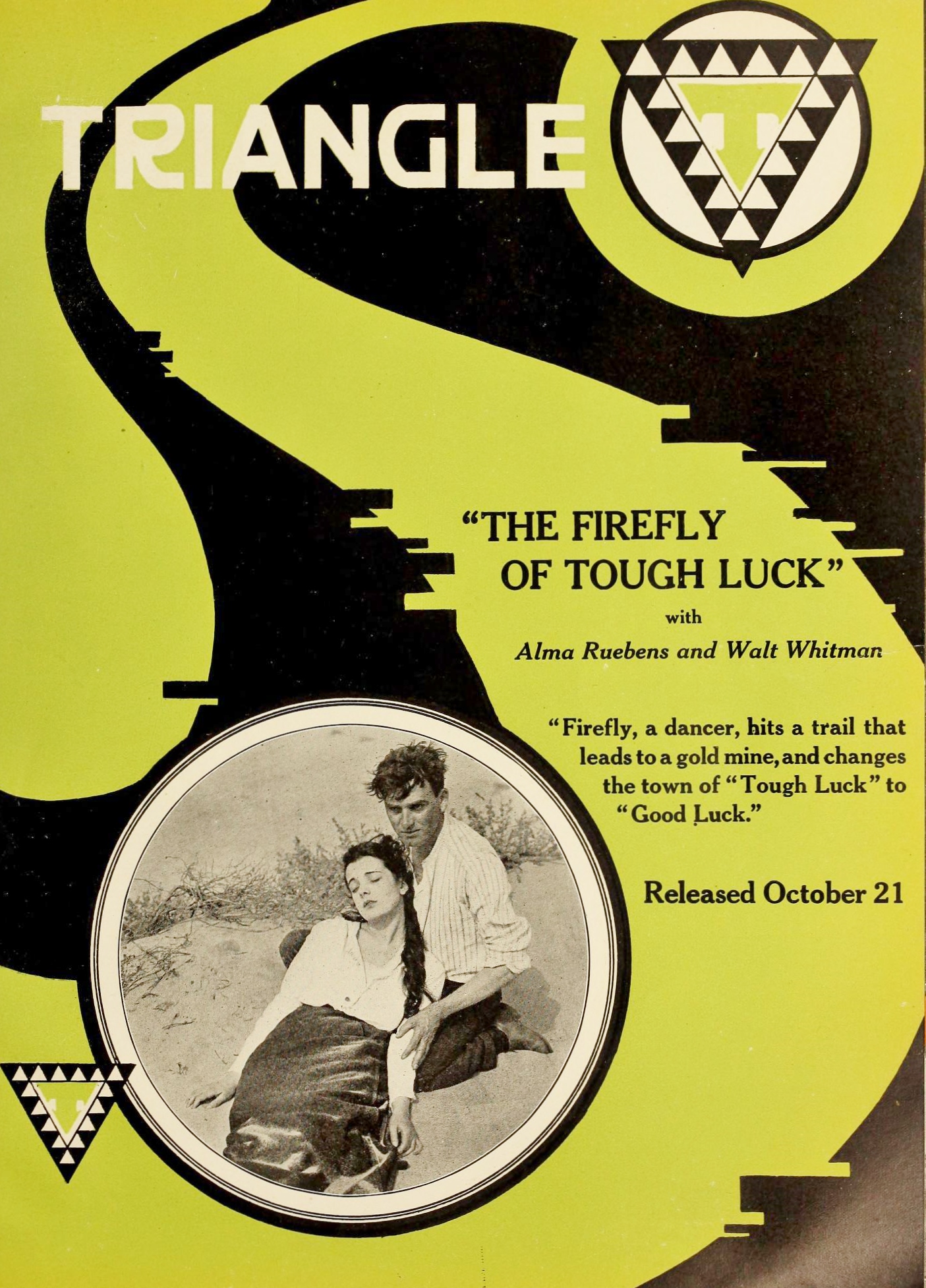
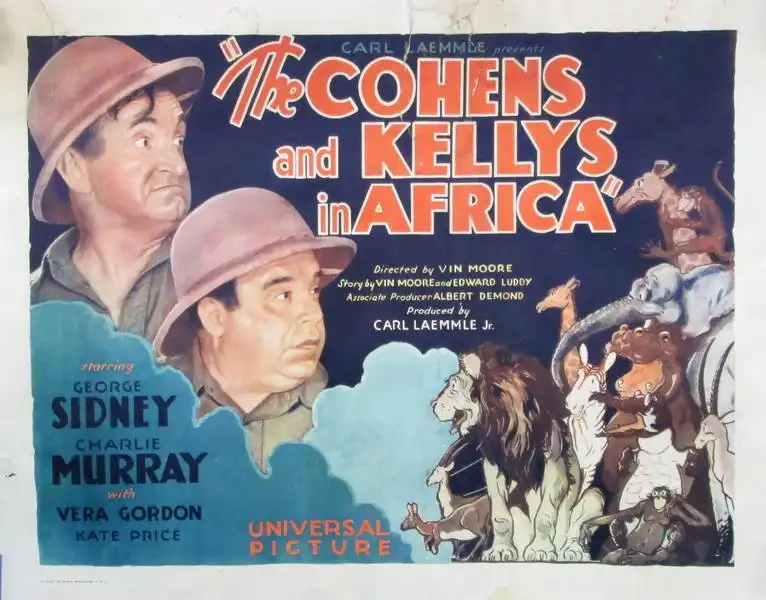
publicity

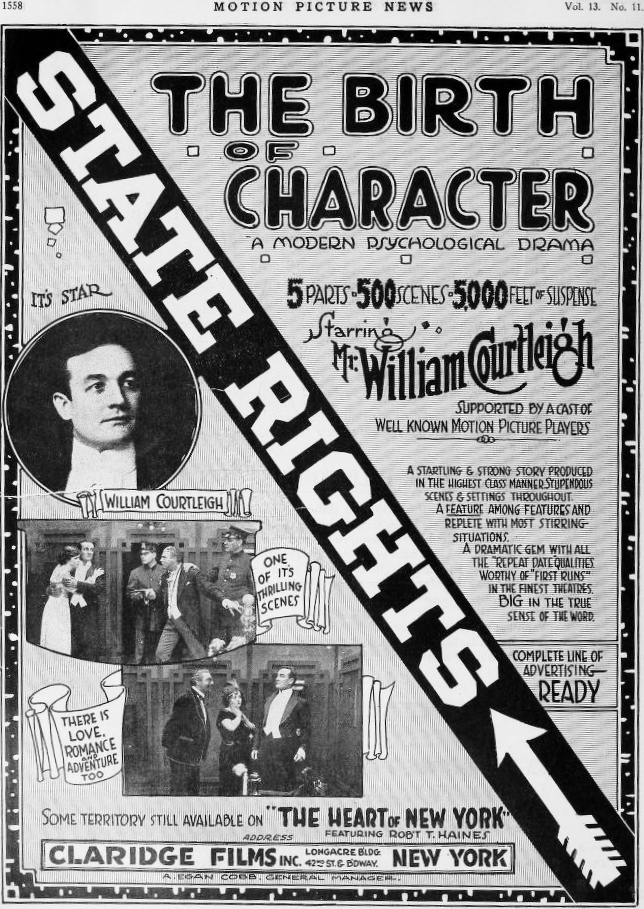
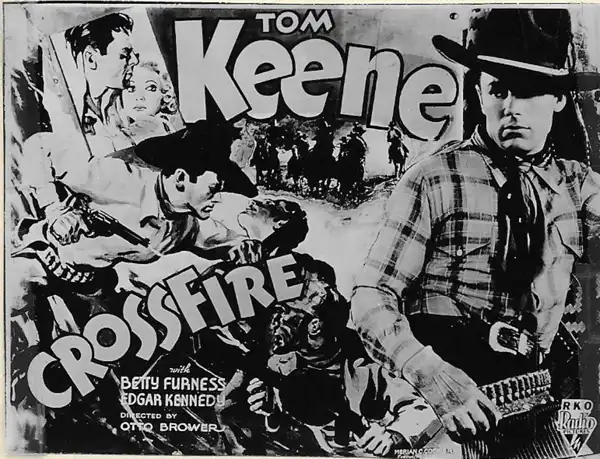
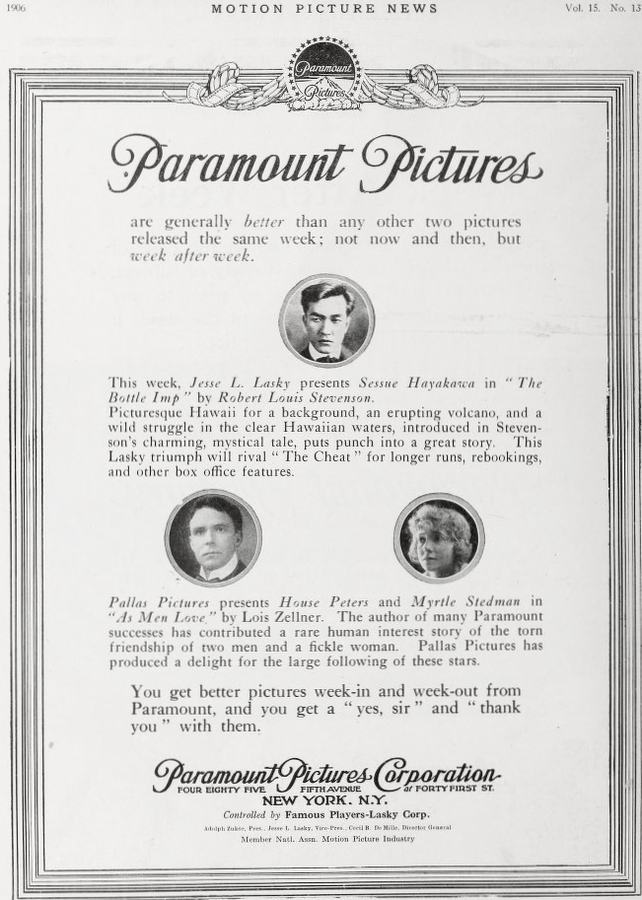
publicity
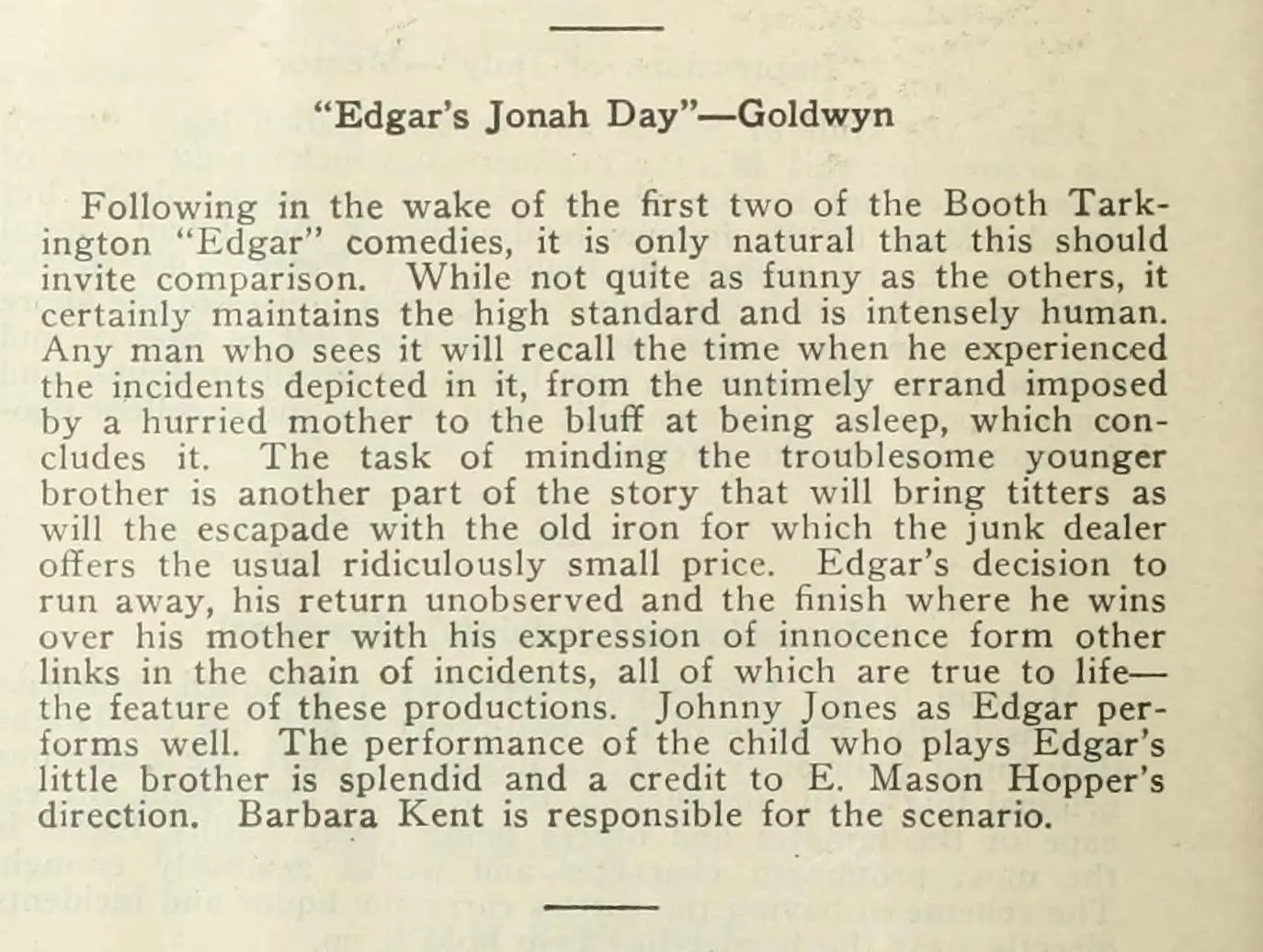
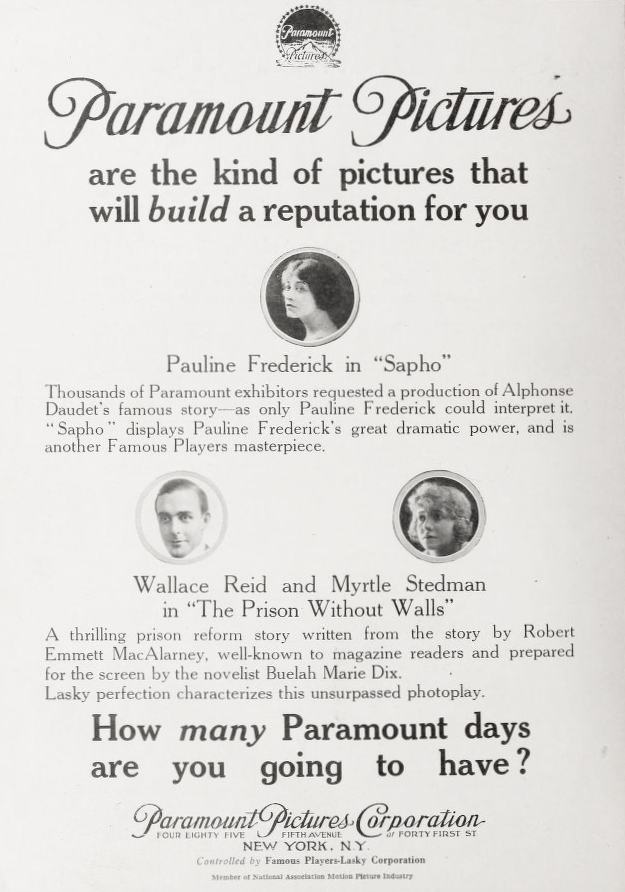
publicity
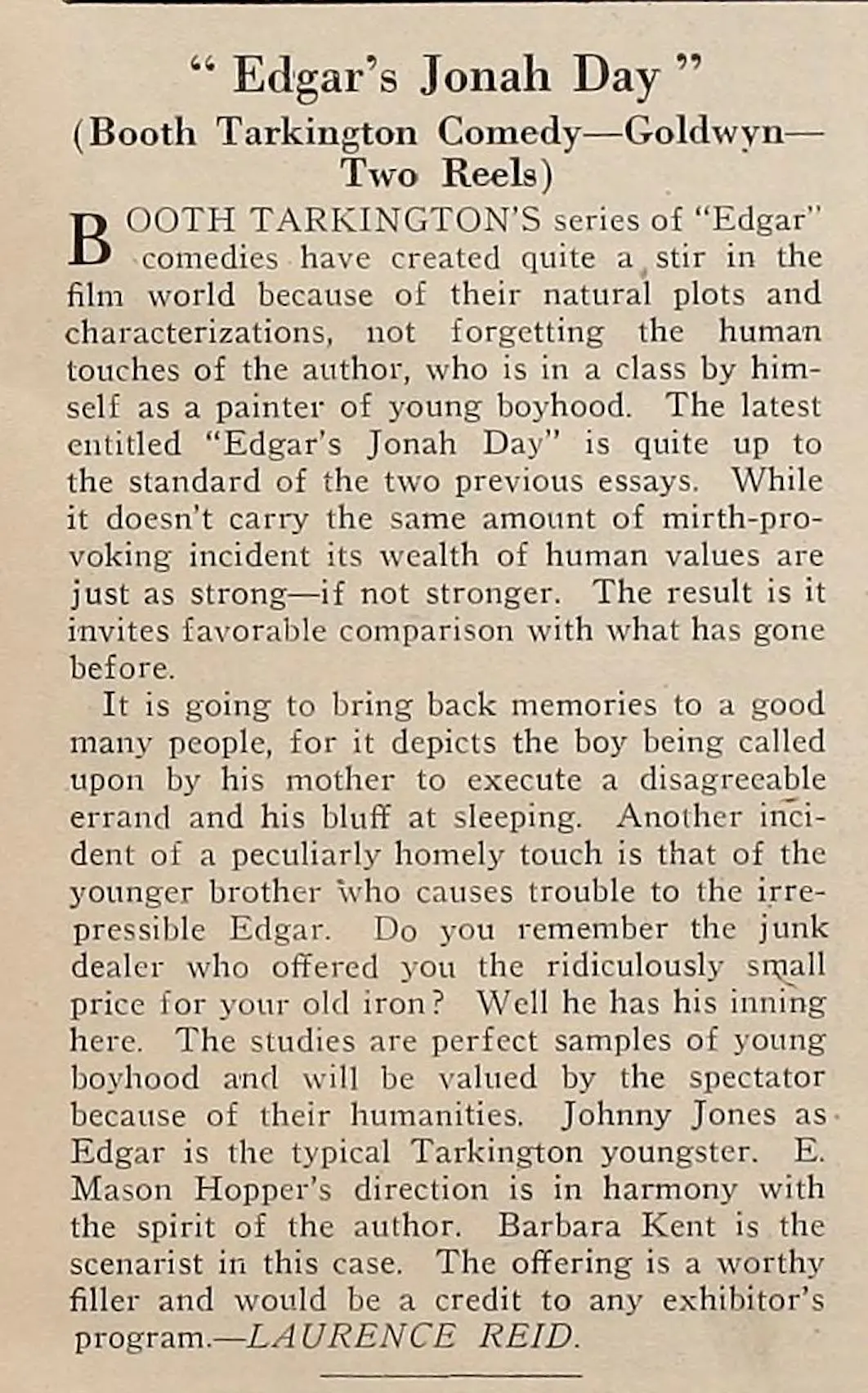
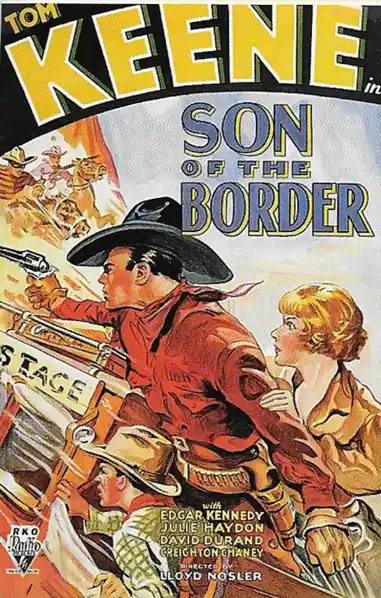
publicity

publicity

publicity
Comparing the cinematic DNA and archive impact of two defining moments in cult history.
E. Mason Hopper

E. Mason Hopper
Community
Log in to comment.
" Some films arrive like weather systems; others seep in like damp. Edgar's Jonah Day does both—an ostensibly modest morality yarn that swells into a hallucination of pen and ink, shame and sodium light. Viewed today, it feels less a relic than a prophecy, foretelling the cubicle-age dread that would later calcify into Brazil or Office Space, yet delivering its anguish through the flicker of iris-ins and ghosted title cards. Director Barbara Kent—yes, the same Kent who would later glide through ..."
Barbara Kent, Booth Tarkington
United States
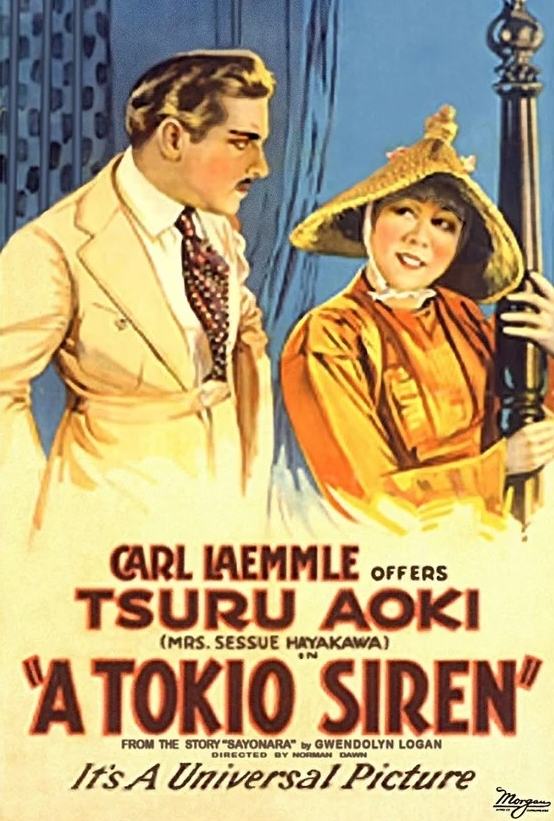
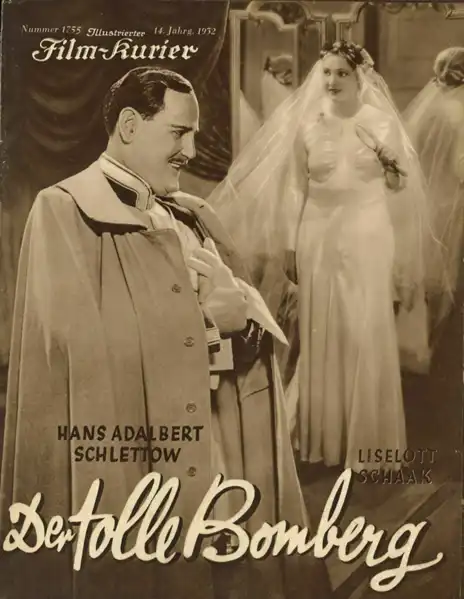
Deep dive into the cult classic
Discover similar cinematic experiences
A Directorial Spotlight on E. Mason Hopper