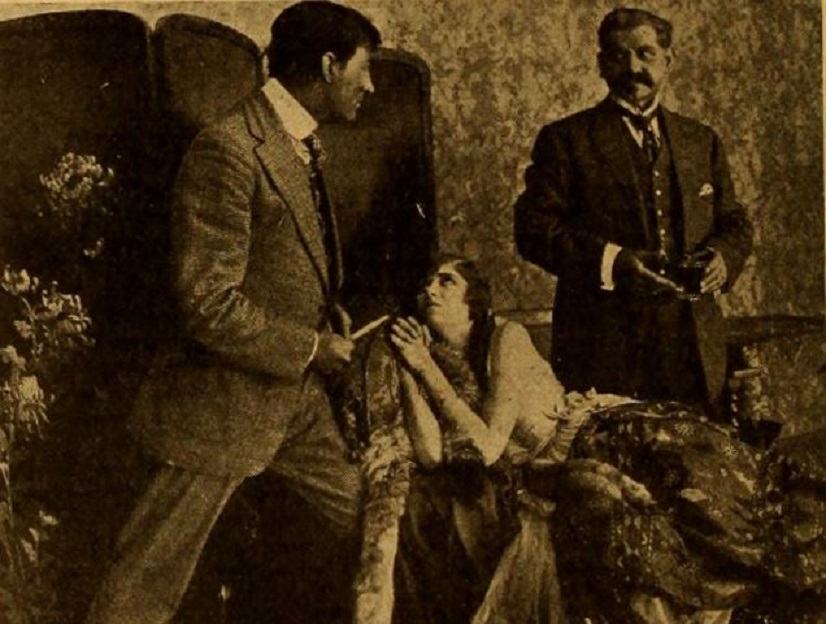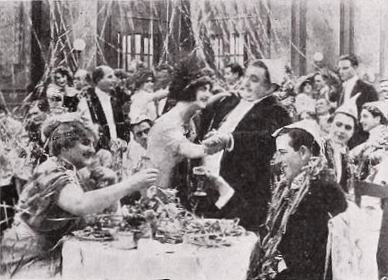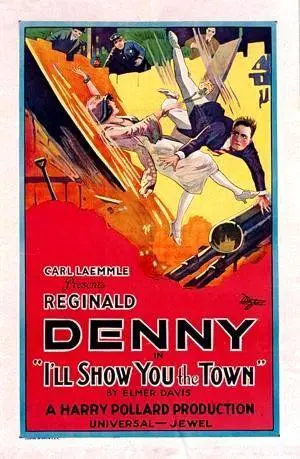
A bachelor who cannot bring himself to break a date ends up with three dates at the same restaurant on the same night. He juggles the dates, keeping each from seeing the others, by feigning reasons to excuse himself from each table.
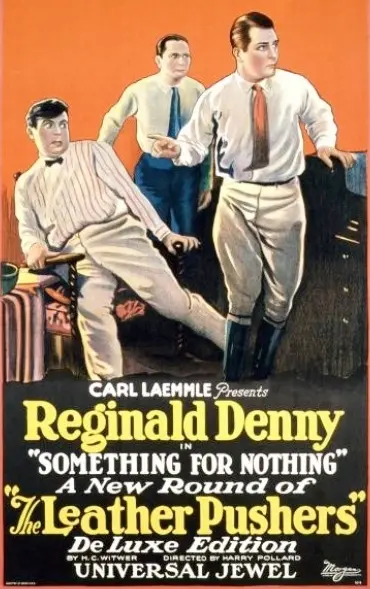
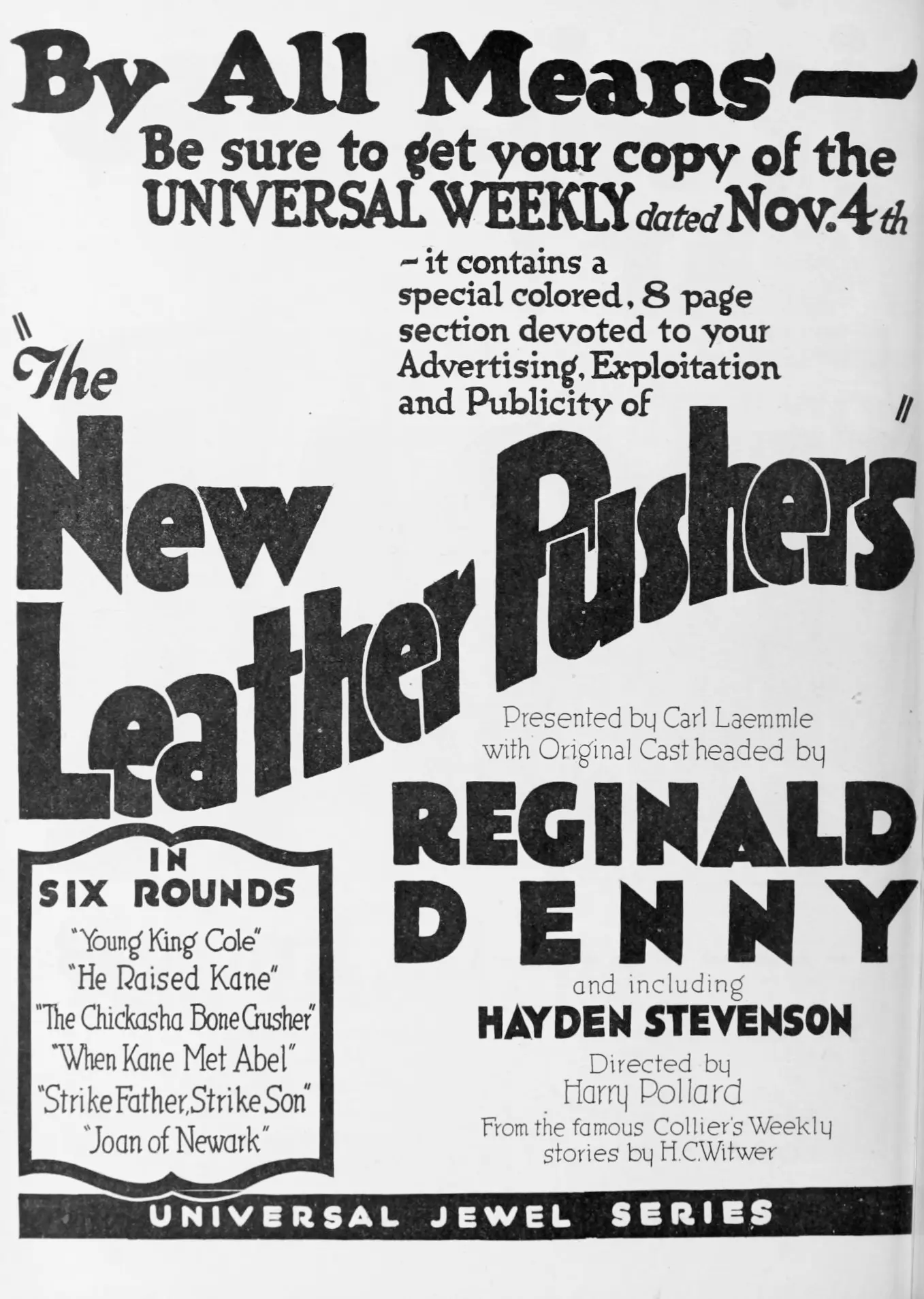
The year 1925 was a watershed moment for the American silent comedy, a period where the primitive slapstick of the previous decade began to coalesce into a more sophisticated, character-driven brand of humor. At the forefront of this evolution stood I'll Show You the Town, a film that eschews the broad physical destr...
production_art
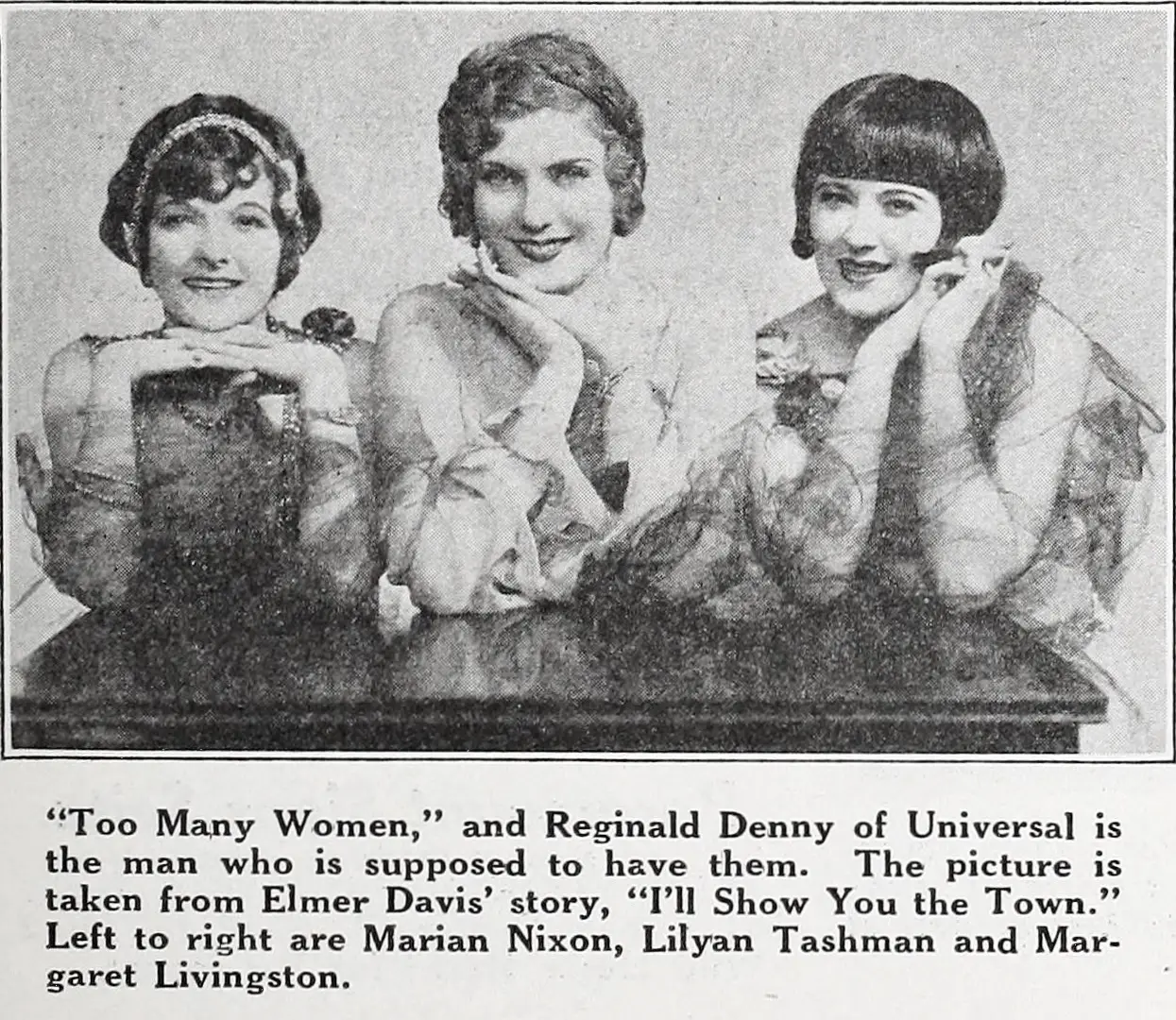
behind_the_scenes
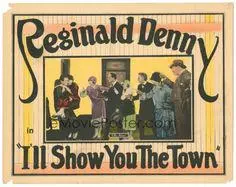
production_art
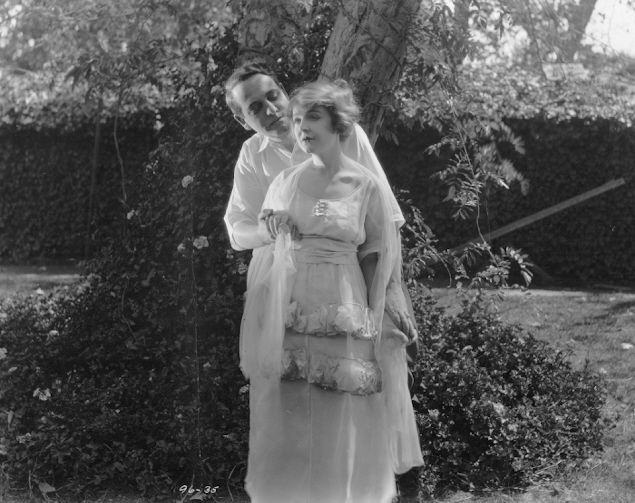
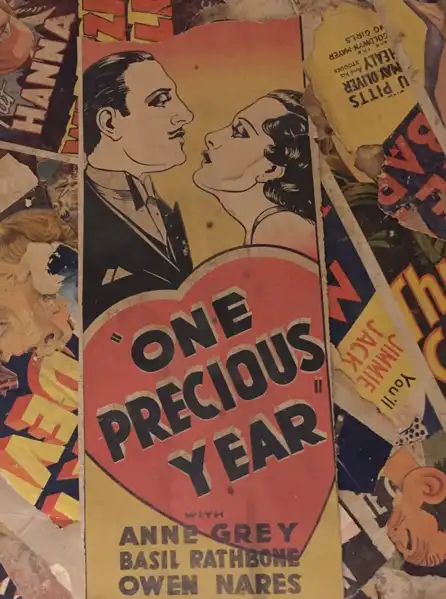
Comparing the cinematic DNA and archive impact of two defining moments in cult history.
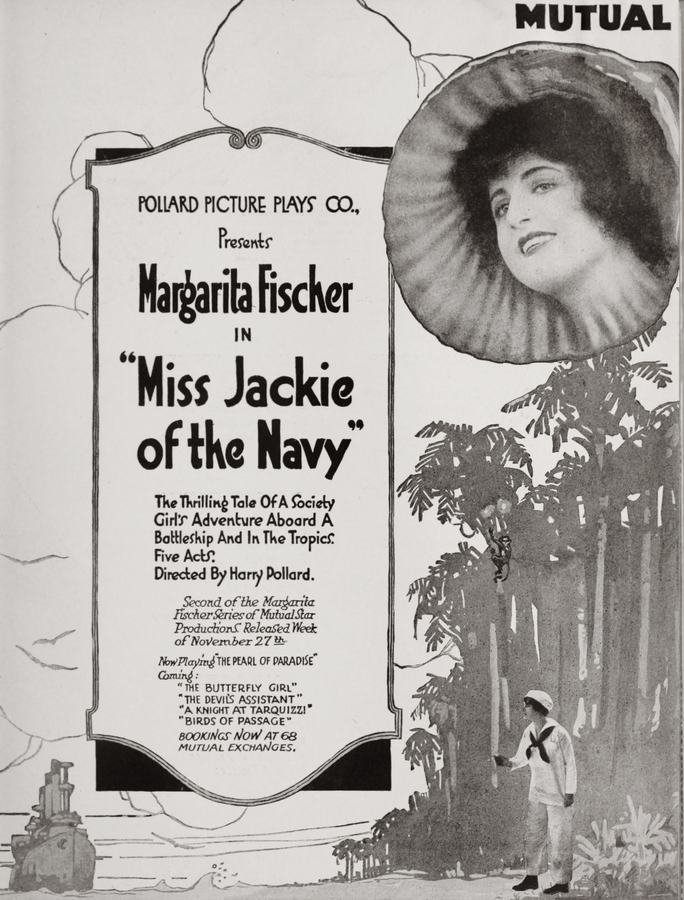
Harry A. Pollard
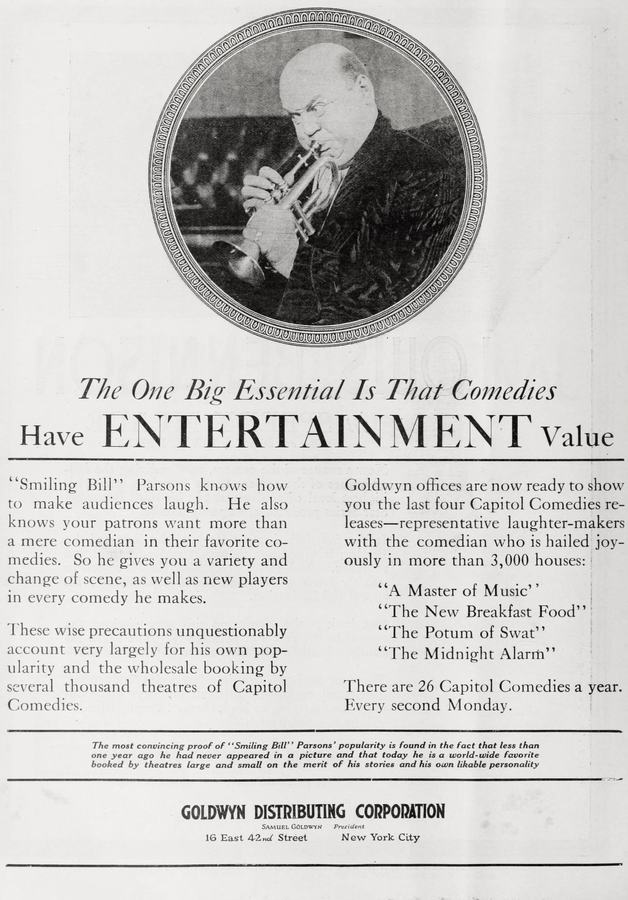
Harry A. Pollard
Community
Log in to comment.
" The year 1925 was a watershed moment for the American silent comedy, a period where the primitive slapstick of the previous decade began to coalesce into a more sophisticated, character-driven brand of humor. At the forefront of this evolution stood I'll Show You the Town, a film that eschews the broad physical destruction of its contemporaries in favor of a meticulously choreographed social anxiety. Starring the incomparable Reginald Denny, the picture is a testament to the athleticism requir..."
Marian Nixon
Elmer Davis, Raymond L. Schrock, Harvey F. Thew
United States
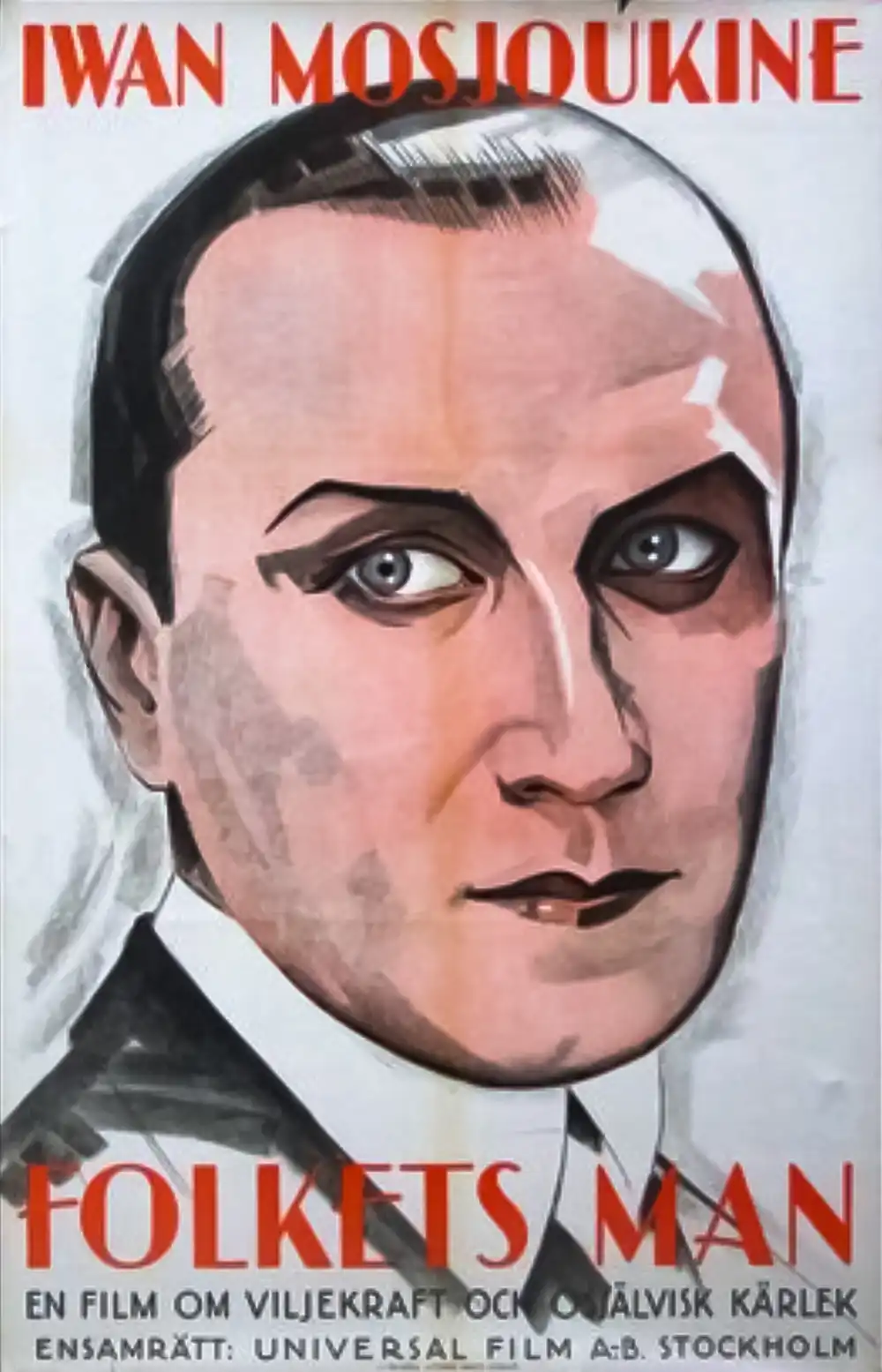
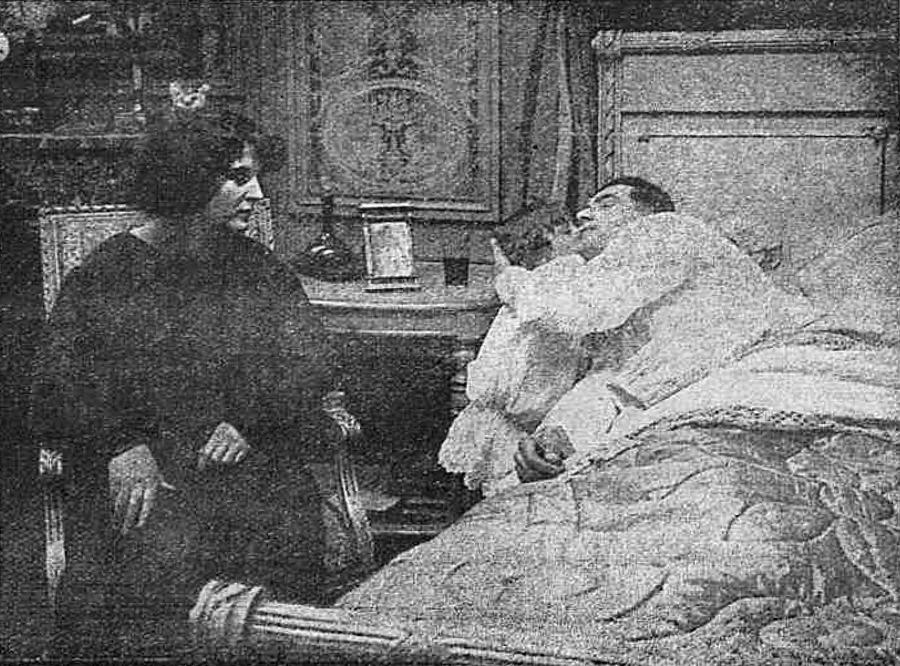
Deep dive into the cult classic
Discover similar cinematic experiences
A Directorial Spotlight on Harry A. Pollard