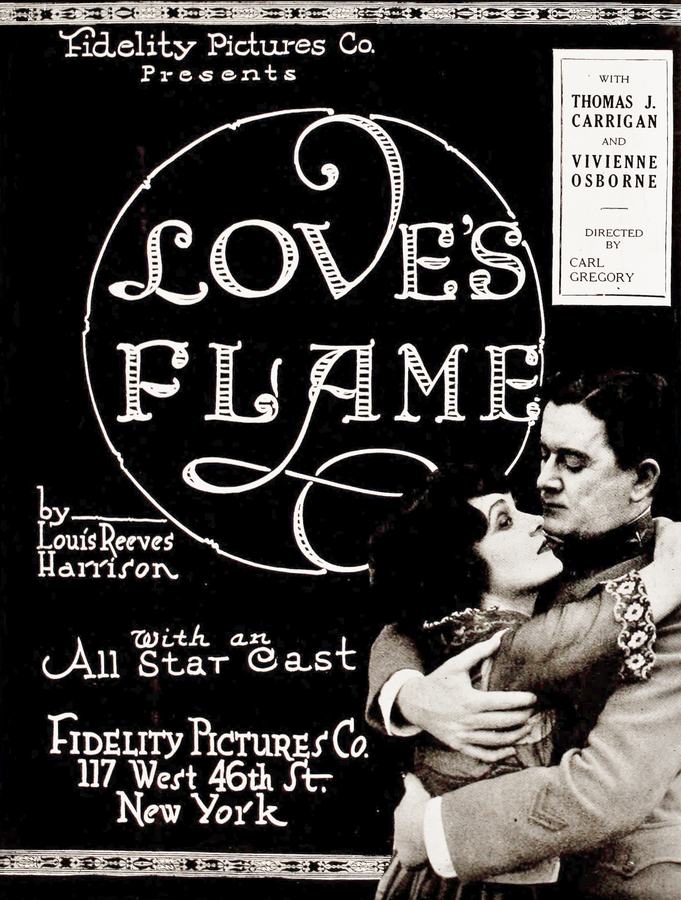
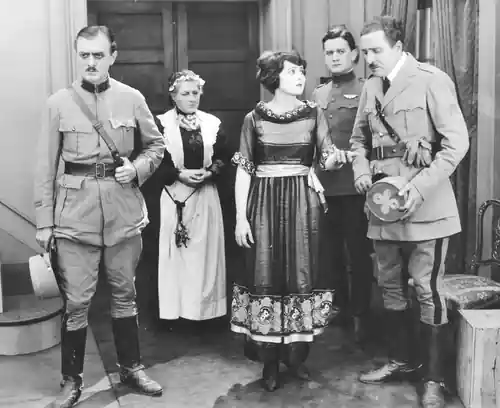
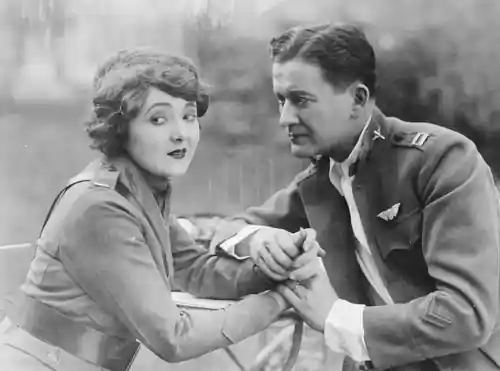
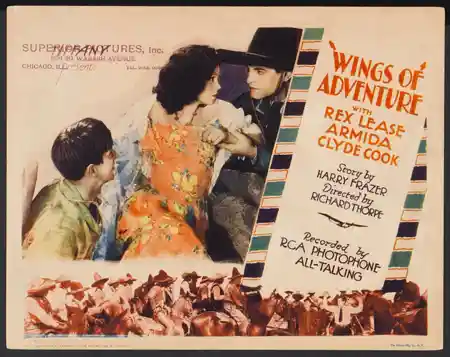
Capt. Clay, an American pilot fighting in France, is shot down, and rescued by a Frenchwoman who takes him to her family estate.
p{margin:0 0 1.2em}span.c{color:#C2410C;font-weight:600}span.g{color:#EAB308;font-style:italic}span.b{color:#0E7490;text-shadow:0 0 2px #0E7490}a{color:#0E7490;text-decoration:underline} Louis Reeves Harrison’s screenplay detonates the myth that silent cinema merely gestures at emotion; Love’s Flame instead sculpts lu...
still_frame
still_frame
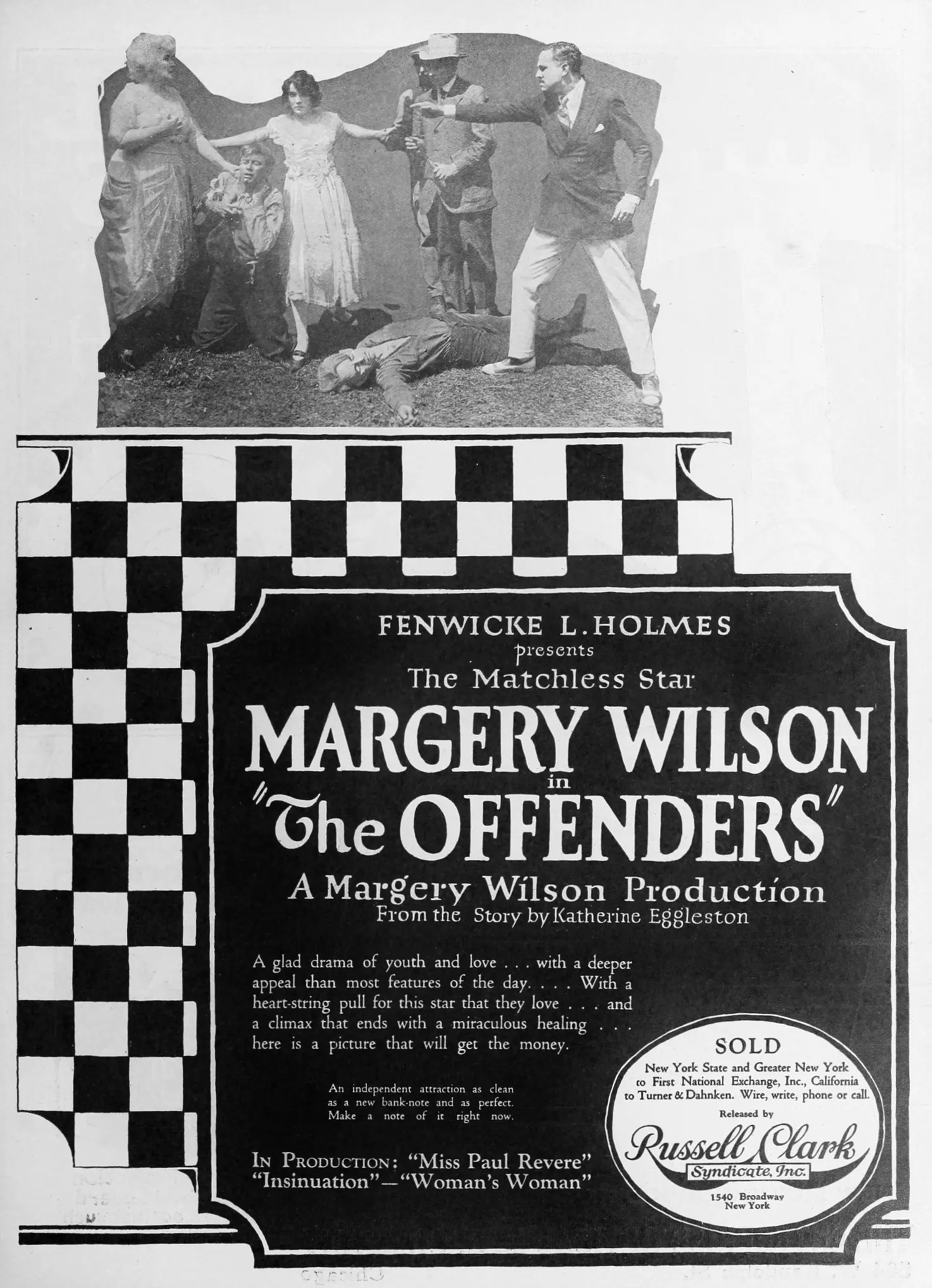
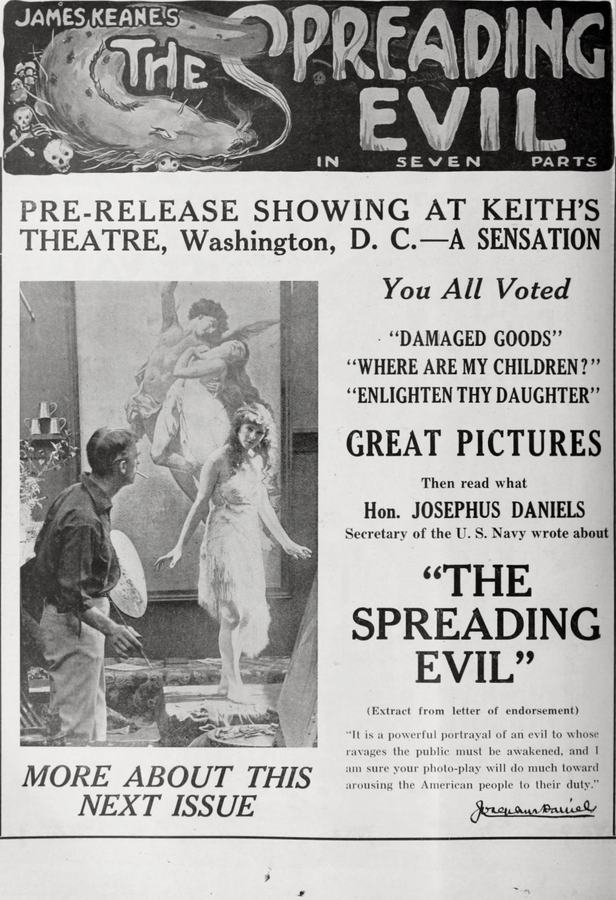
Comparing the cinematic DNA and archive impact of two defining moments in cult history.
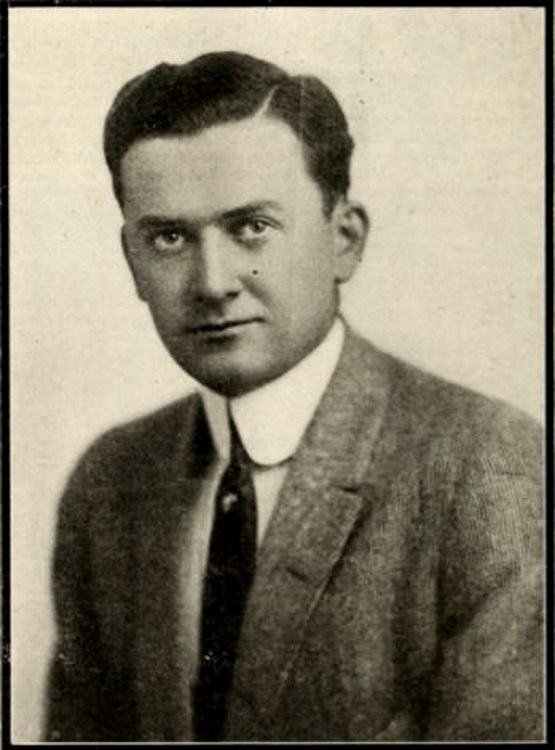
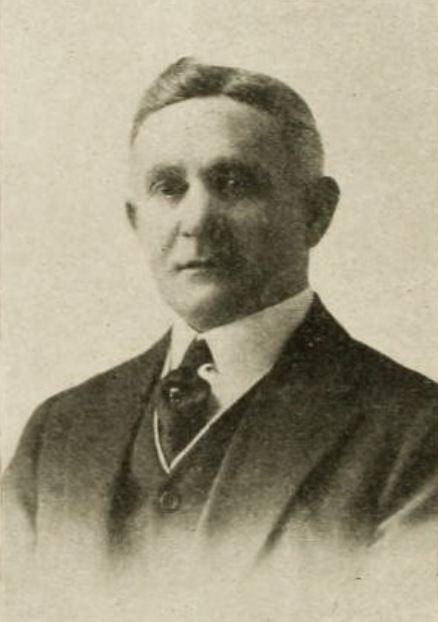
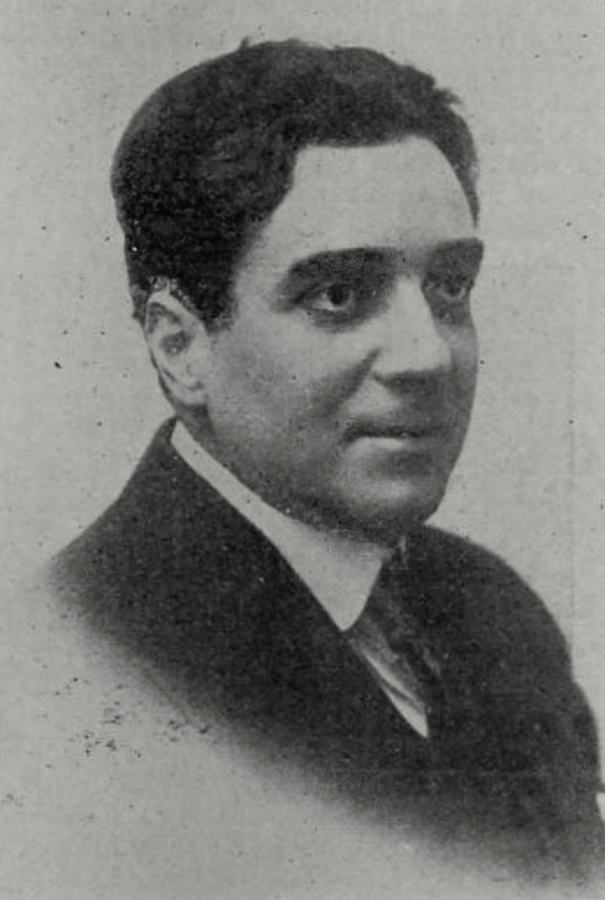
Carl Gregory
Dallas M. Fitzgerald
Community
Log in to comment.
" p{margin:0 0 1.2em}span.c{color:#C2410C;font-weight:600}span.g{color:#EAB308;font-style:italic}span.b{color:#0E7490;text-shadow:0 0 2px #0E7490}a{color:#0E7490;text-decoration:underline} Louis Reeves Harrison’s screenplay detonates the myth that silent cinema merely gestures at emotion; Love’s Flame instead sculpts lust, terror and ethical vertigo into a fever-dream of intertitles that throb like shrapnel beneath the ribs. The opening dogfight—miniatures and double-exposures rumored to have cos..."
James Laffey
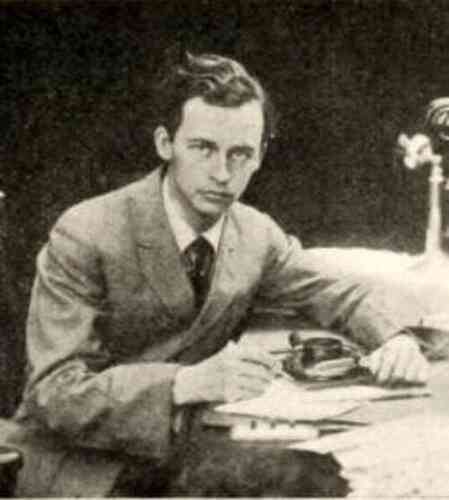
Louis Reeves Harrison
United States
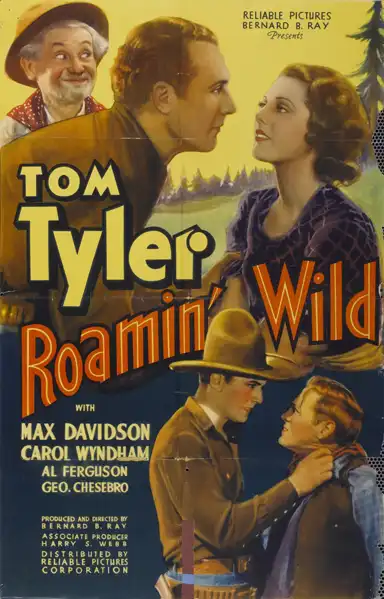
Deep dive into the cult classic
Discover similar cinematic experiences
A Directorial Spotlight on Carl Gregory