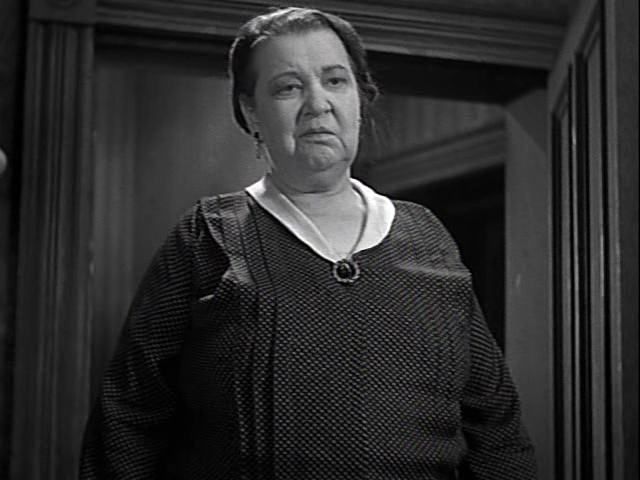
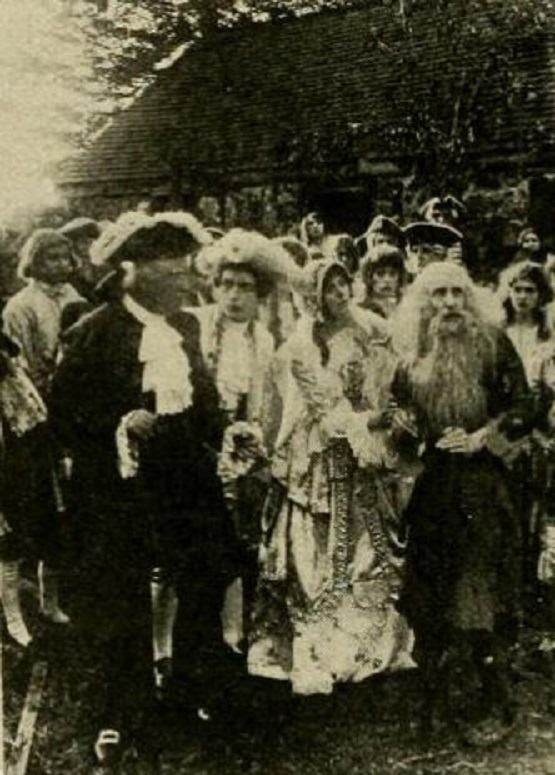
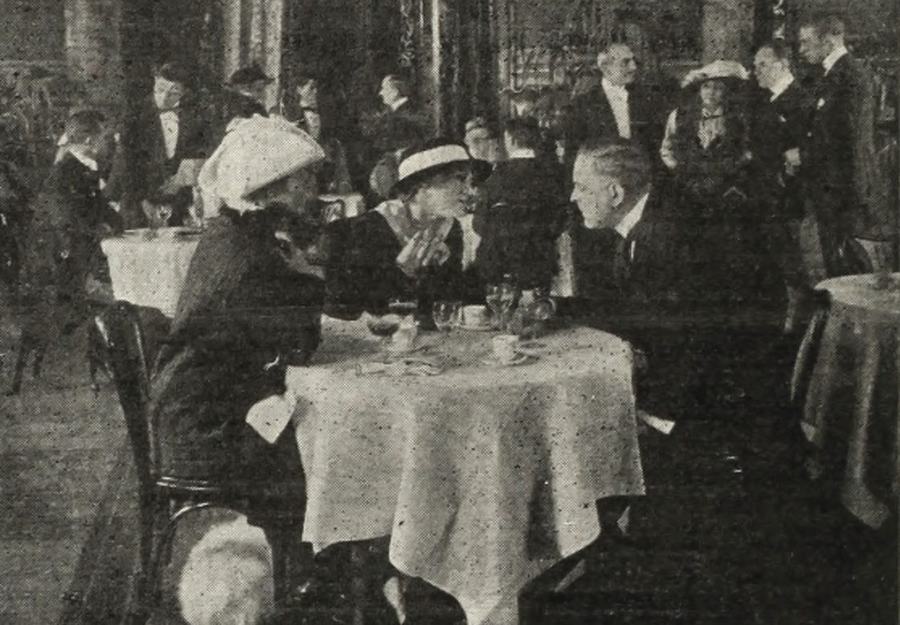
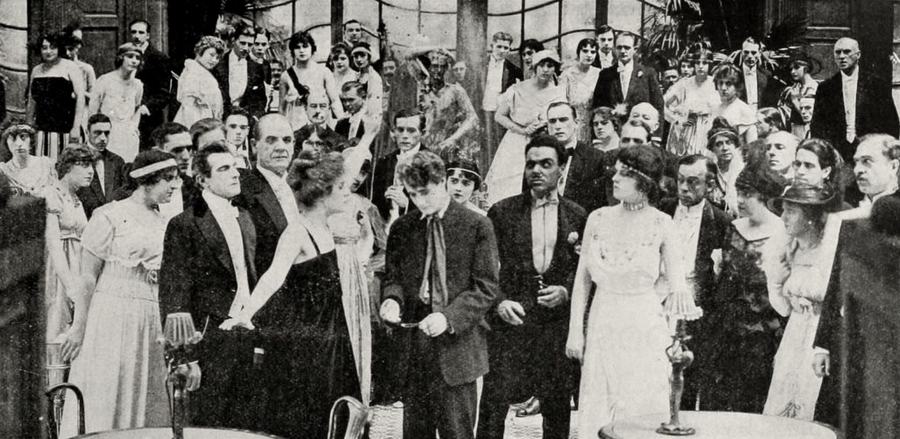
Young Annesley Grayle, weary of a gloomy, uneventful existence with her aunt, accepts the proposal of a young American that she pose as his wife. Later, they are actually married.
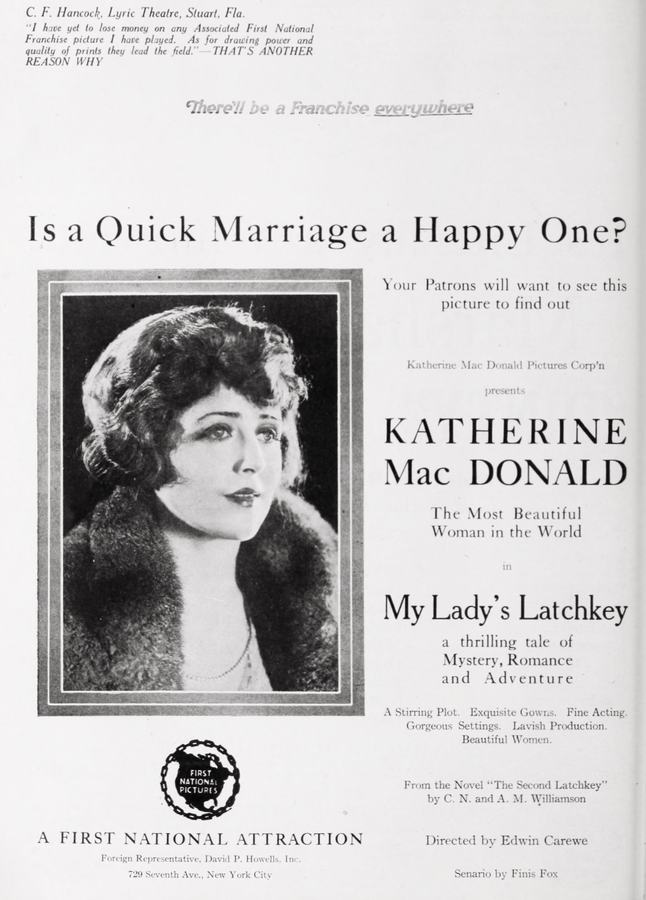
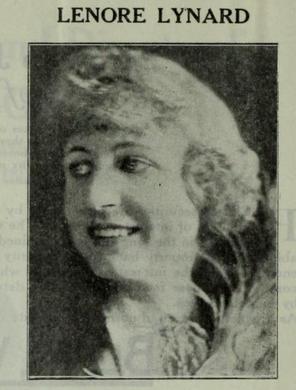
The first time I saw My Lady's Latchkey—a battered 16 mm print flecked with nitrate eczema—I understood why the word luminous was invented. Lenore Lynard doesn’t merely occupy the frame; she irradiates it, a pallid flame against the carbide gloom of early ’20s cinematography. Director J. Charles Haydon, best remembere...
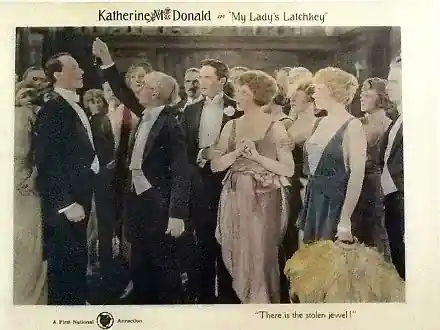
publicity
Comparing the cinematic DNA and archive impact of two defining moments in cult history.
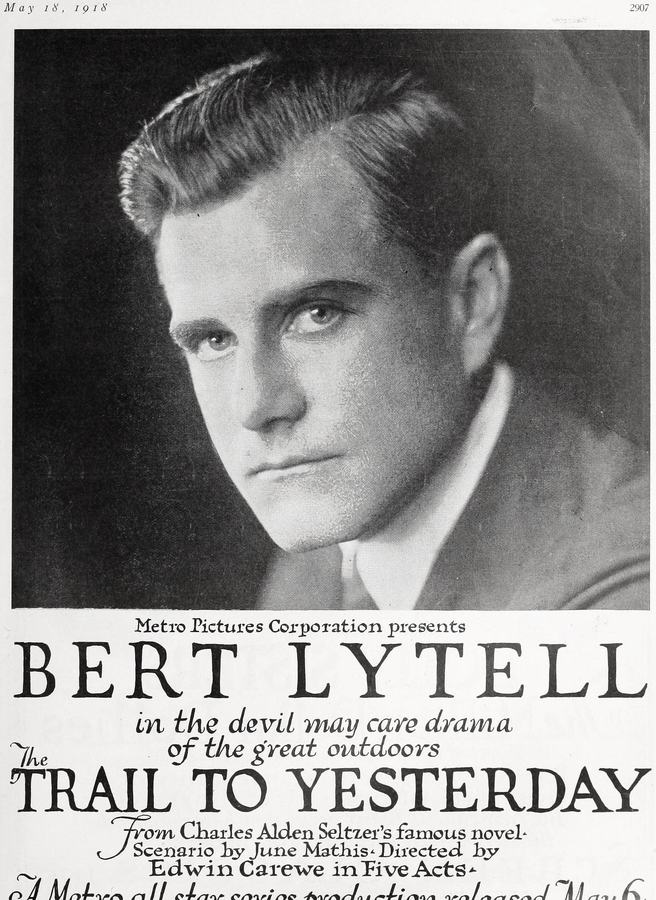
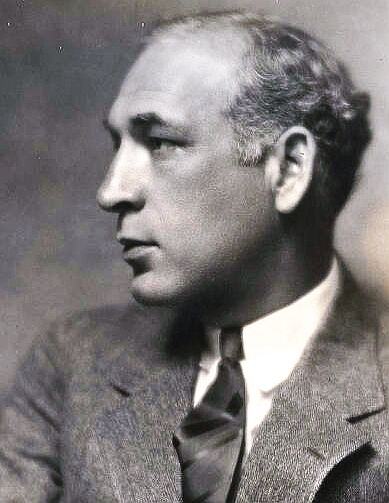
Edwin Carewe
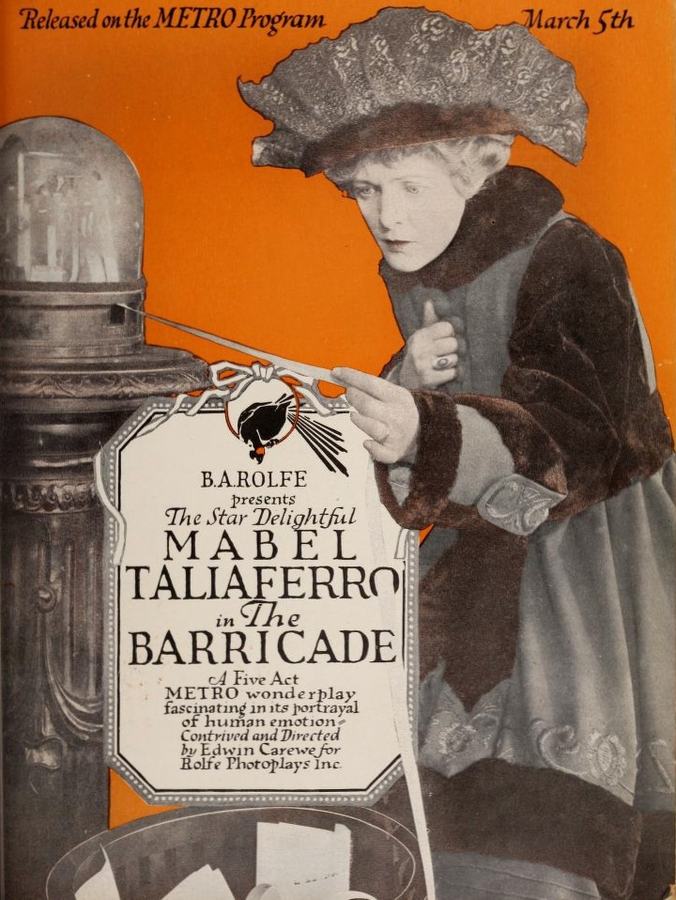
Edwin Carewe
Community
Log in to comment.
" The first time I saw My Lady's Latchkey—a battered 16 mm print flecked with nitrate eczema—I understood why the word luminous was invented. Lenore Lynard doesn’t merely occupy the frame; she irradiates it, a pallid flame against the carbide gloom of early ’20s cinematography. Director J. Charles Haydon, best remembered for ecclesiastical one-reelers, here pivots to the boudoir politics of the Riviera, and the whiplash is delicious. Plot Architecture: A House of Cards Built on Velvet Williamson..."
Thomas Jefferson
C.N. Williamson, A.M. Williamson, Finis Fox
United States
Deep dive into the cult classic
Discover similar cinematic experiences
A Directorial Spotlight on Edwin Carewe