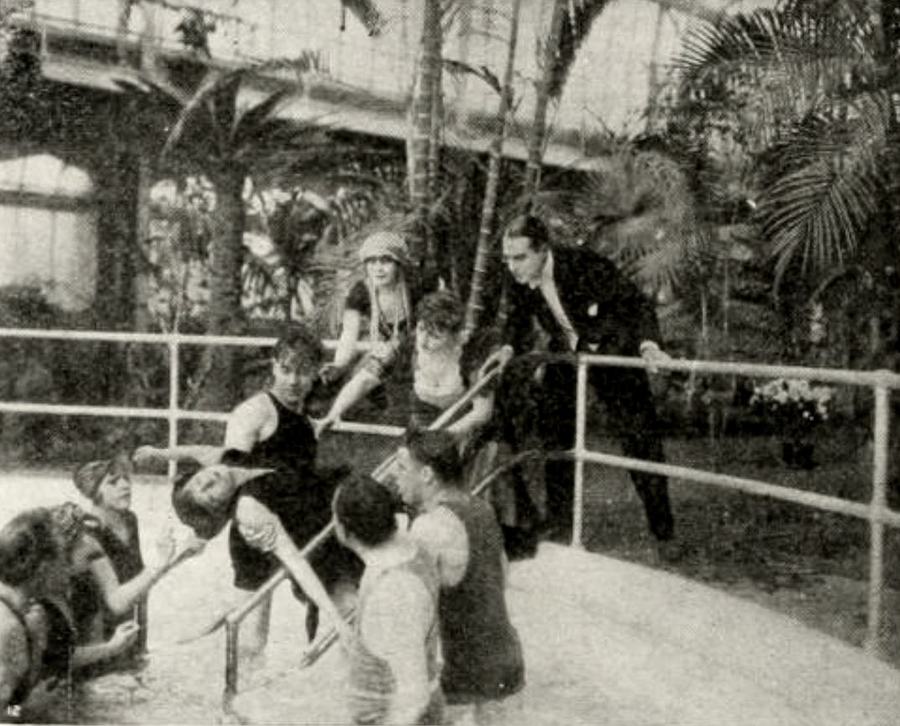
Diana Webster and her aunt's fiancé, Jimmy Harrison, are caught in a storm and forced to spend the night in a country hotel; there they are seen by Bruce Terring, a friend of Diana's brother, Jack, and Bruce forms his own conclusions. Arriving home, Diana finds Bruce to be her brother's house guest, and as she is unable to convince Bruce of the innocence of her predicament, she plans to prove to him that seeing is not always believing, but the tables are turned on Diana when she engages two crooks.
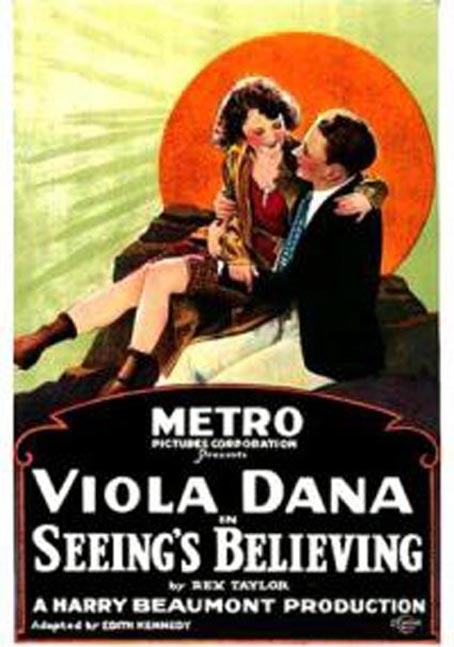
A thunderclap on a sepia horizon—that is how Rex Taylor and Edith M. Kennedy open Seeing's Believing—announces cinema itself as both crime scene and courtroom. The film, a 1920 one-reel marvel exhumed occasionally by archivists with a taste for acidic wit, distills an entire Victorian triple-decker into five reels of...
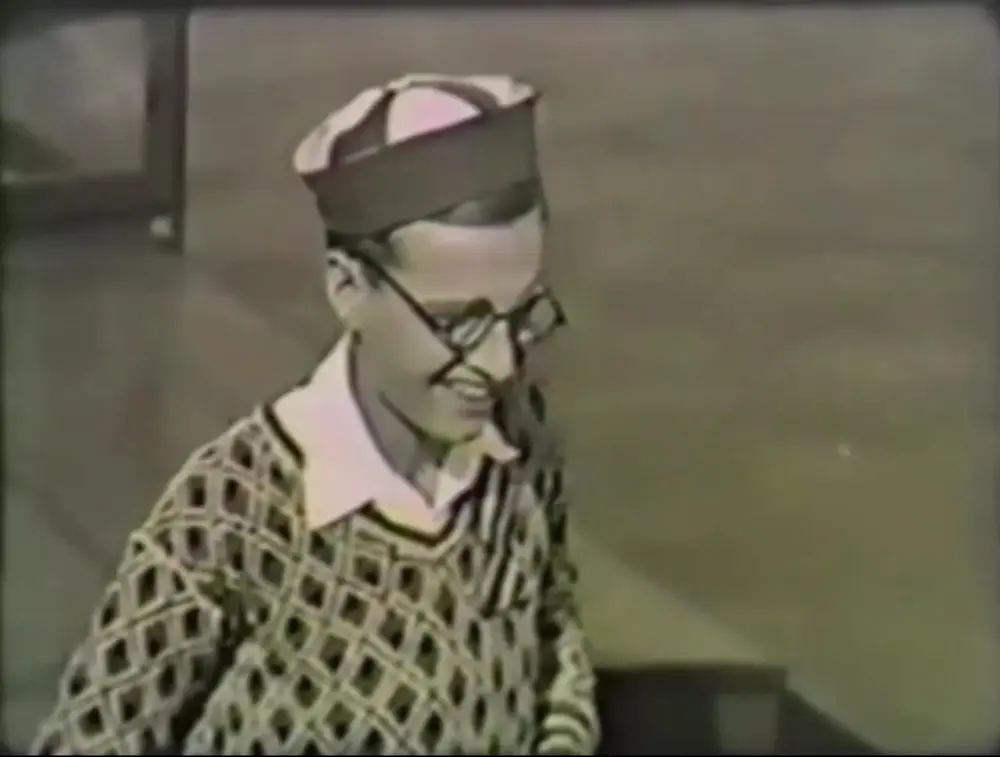
Comparing the cinematic DNA and archive impact of two defining moments in cult history.
Harry Beaumont
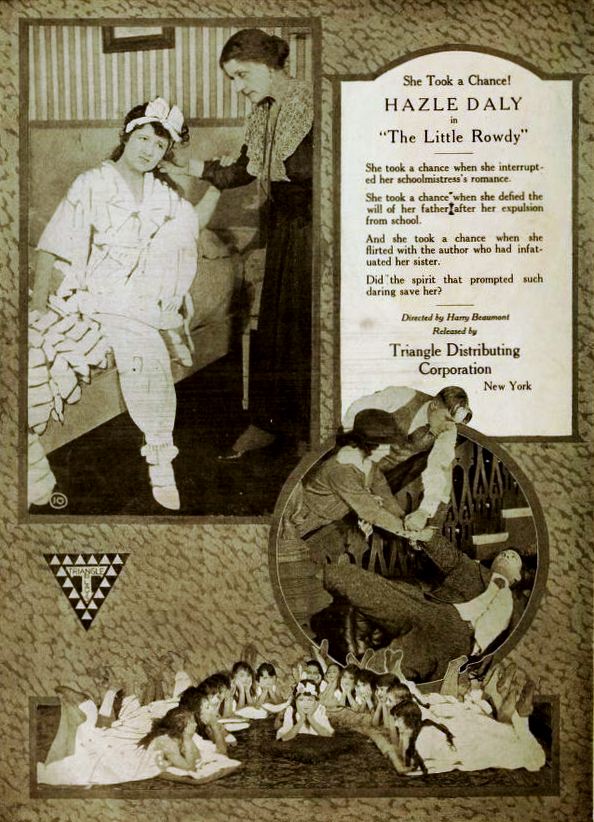
Harry Beaumont
Community
Log in to comment.
" A thunderclap on a sepia horizon—that is how Rex Taylor and Edith M. Kennedy open Seeing's Believing—announces cinema itself as both crime scene and courtroom. The film, a 1920 one-reel marvel exhumed occasionally by archivists with a taste for acidic wit, distills an entire Victorian triple-decker into five reels of whirlwind ellipsis. Diana Webster, incarnated by Viola Dana with the combustible innocence of a lit match, embodies the modern flapper before the term had currency. She is introdu..."

Viola Dana
Rex Taylor, Edith M. Kennedy
United States