Bill Barlow, Jr., a wealthy young spendthrift out of favor with his father, sets out to prove himself at his father's lumber camp but is waylaid by tramps who steal his clothes.
Is Sir Lumberjack a hidden masterpiece of the silent era or just another relic of 1920s melodrama? Short answer: It is a visceral, high-octane survival story that remains surprisingly watchable today, provided you can stomach its more absurd plot contrivances. This film is for viewers who crave the raw, unpolished ener...

Comparing the cinematic DNA and archive impact of two defining moments in cult history.
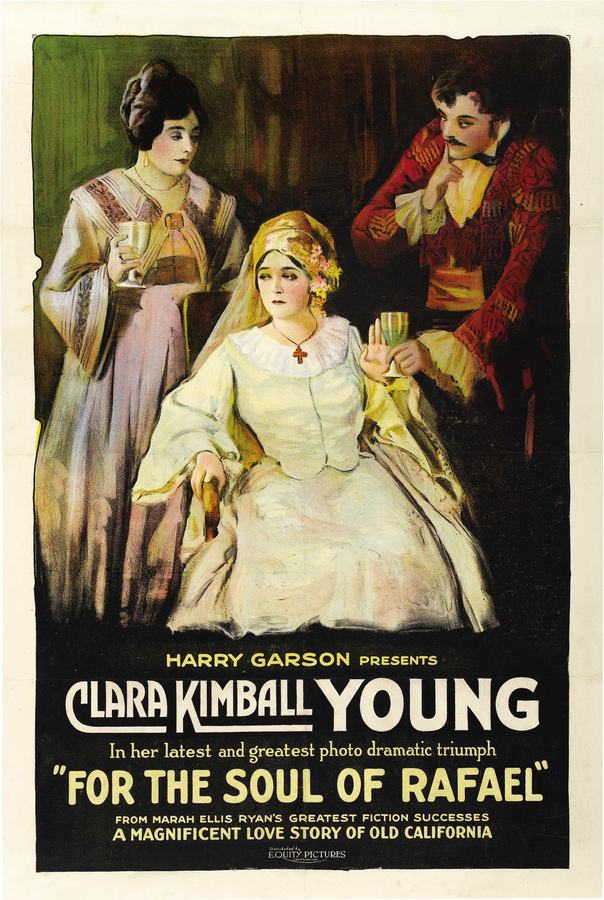
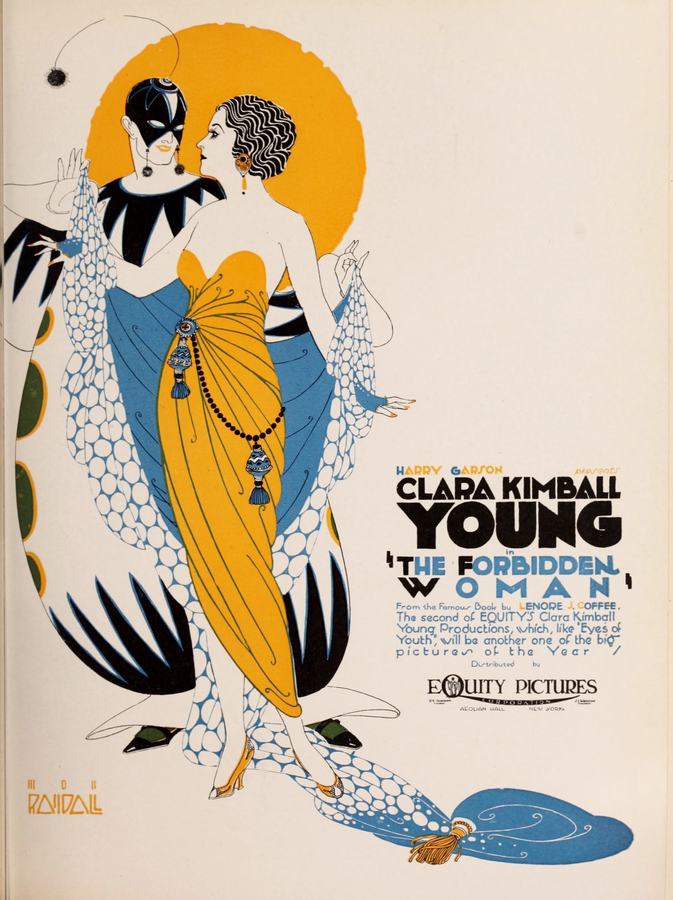
Harry Garson
Dallas M. Fitzgerald
Community
Log in to comment.
"Is Sir Lumberjack a hidden masterpiece of the silent era or just another relic of 1920s melodrama? Short answer: It is a visceral, high-octane survival story that remains surprisingly watchable today, provided you can stomach its more absurd plot contrivances. This film is for viewers who crave the raw, unpolished energy of early action cinema and those who enjoy seeing physical stunts performed without the safety net of CGI. It is definitely not for those who require airtight logic or subtle ch..."
Victor Gibson
United States

Deep dive into the cult classic
Discover similar cinematic experiences
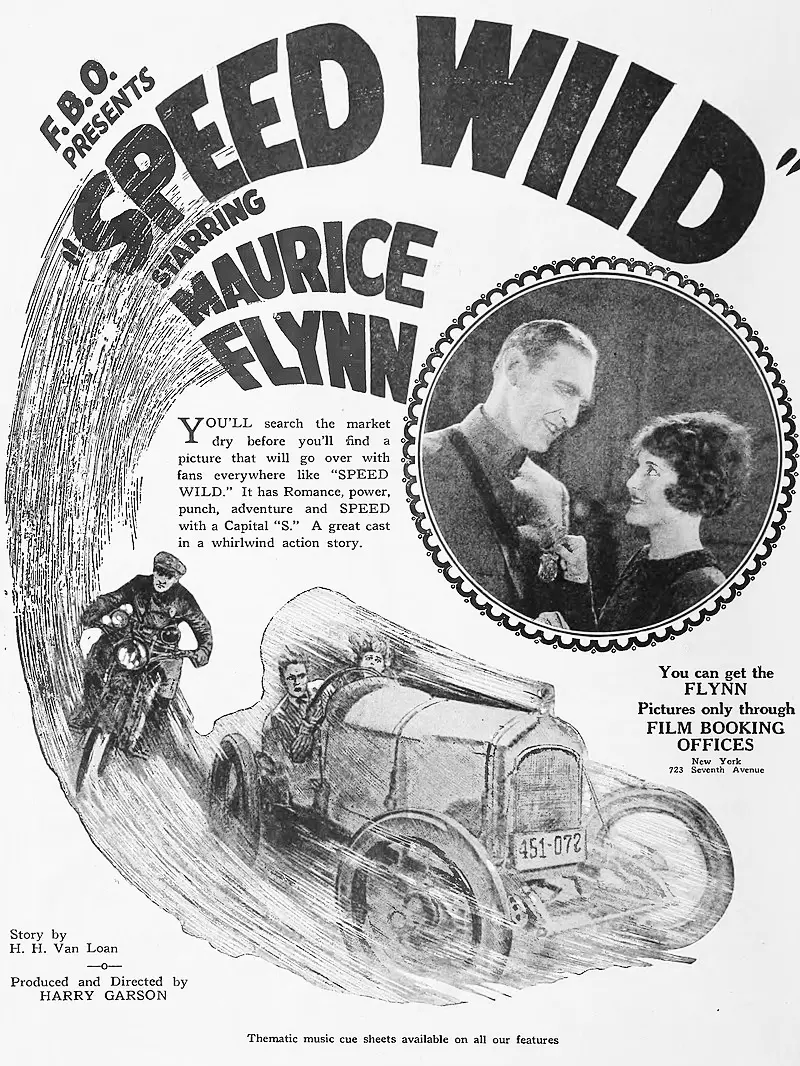
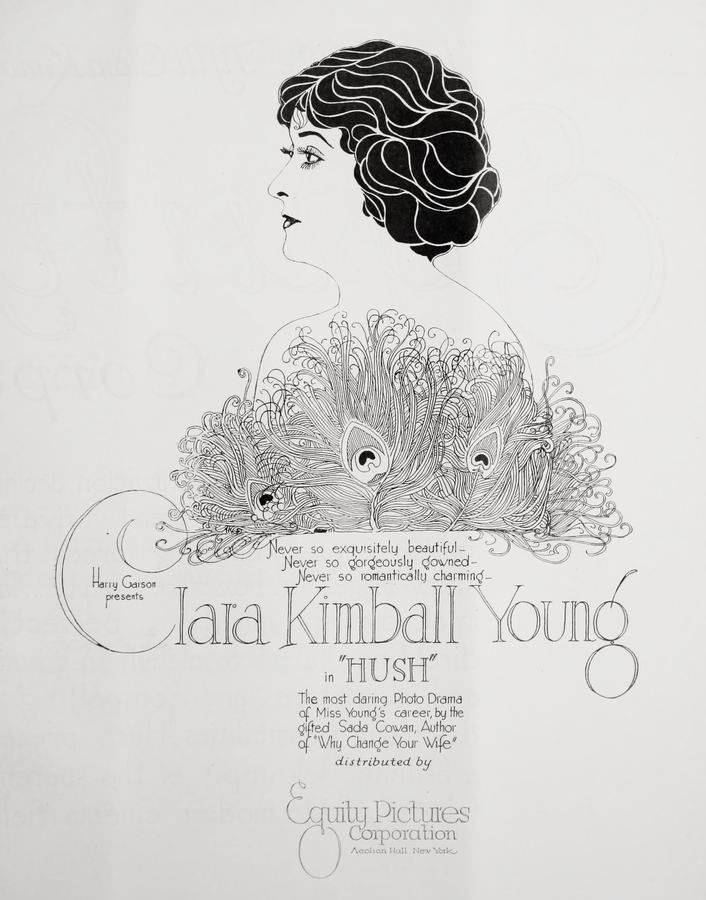
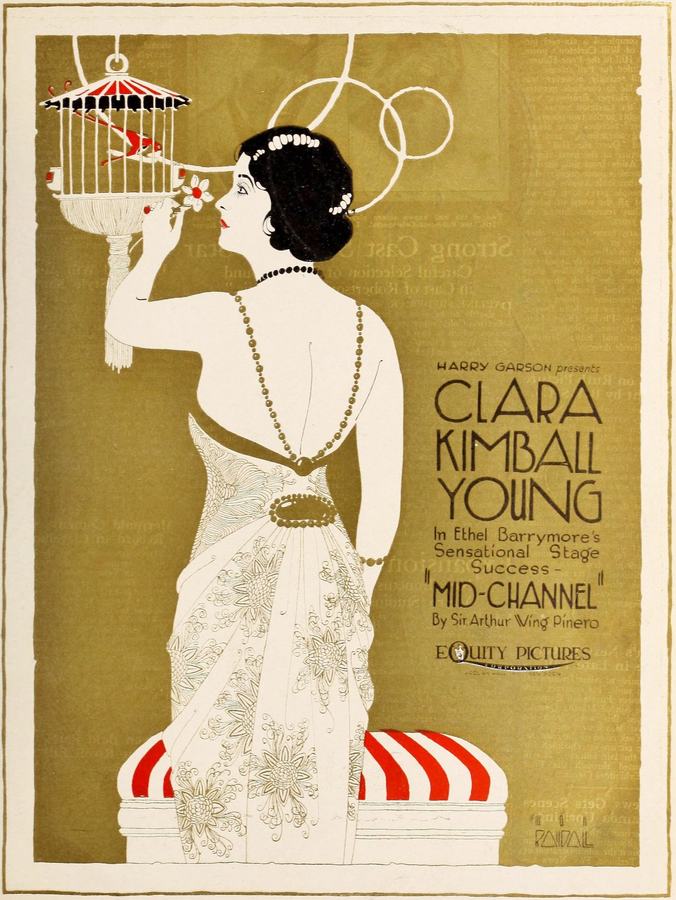
A Directorial Spotlight on Harry Garson