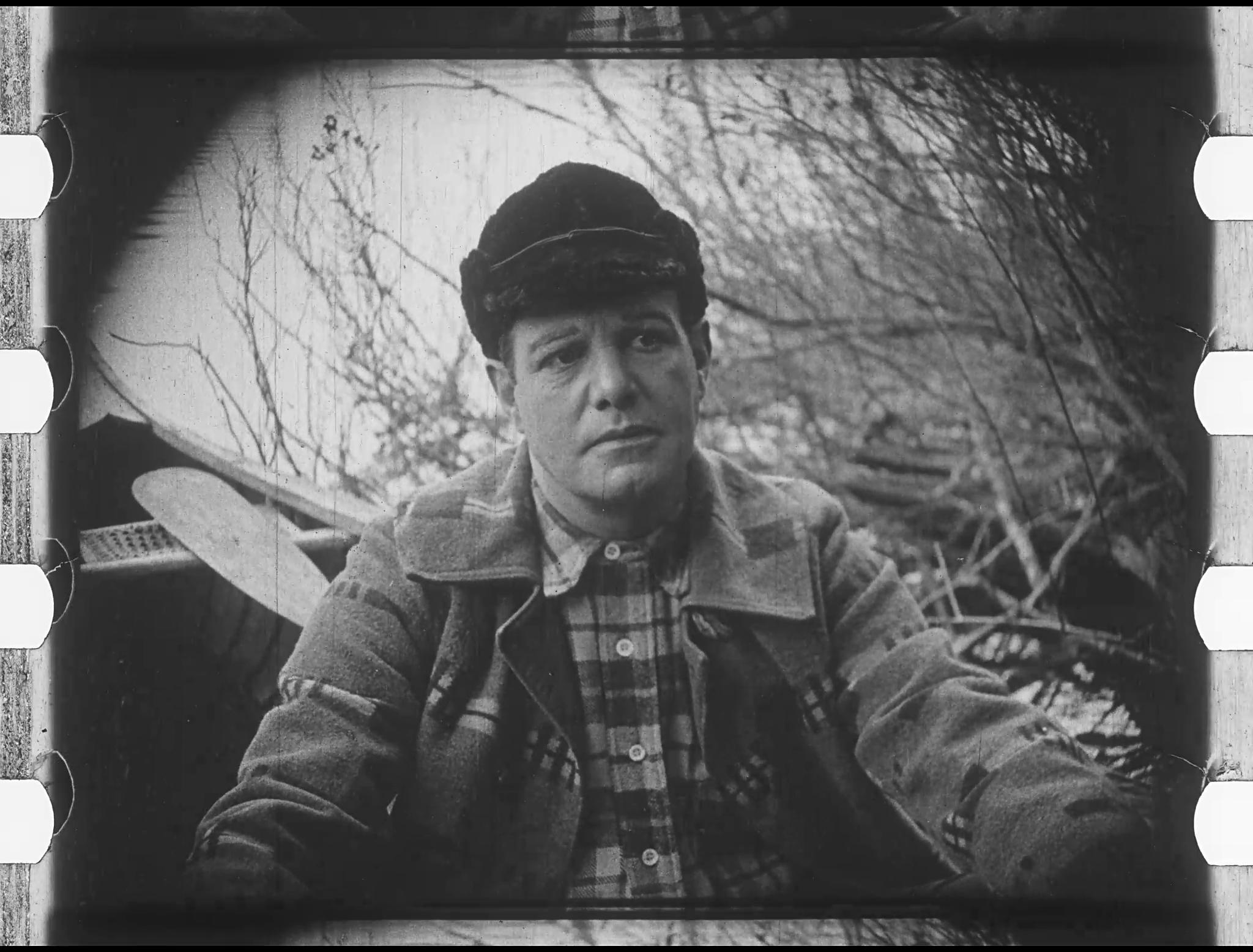
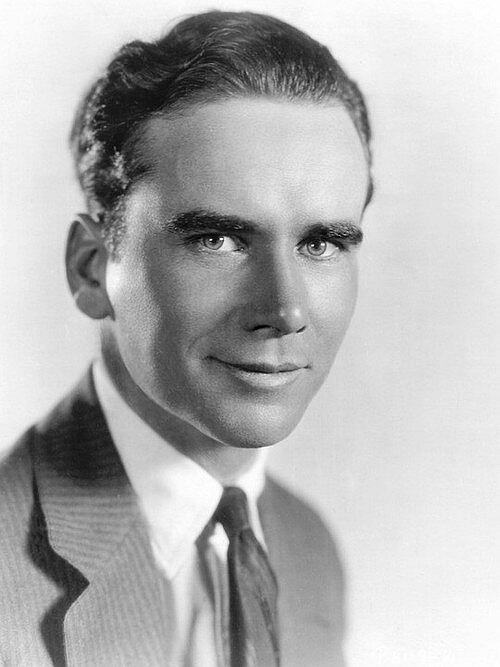
Cowhand Jim Cleve is wrongly accused of murder and rescued by Jack Kells, leader of a band of Idaho outlaws known as the Border Legion. But when the Legion takes Joan Randall prisoner and leaves Cleve to guard her, he realizes that he cannot remain part of an outlaw band and decides to rescue Joan.
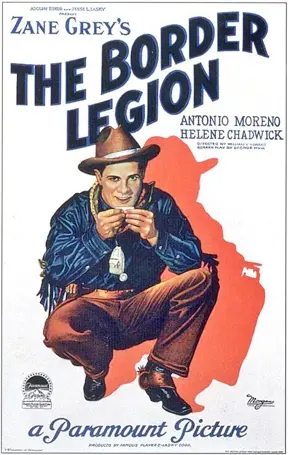
The Silent Frontier: A Re-evaluation of The Border Legion (1924) The year 1924 stood as a pivotal juncture in the evolution of American cinema, a period where the silent medium had reached a zenith of visual storytelling before the encroaching cacophony of the talkies. Within this era, the adaptation of Zane Grey’s Th...
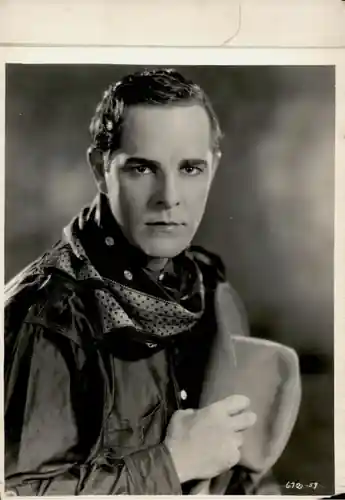
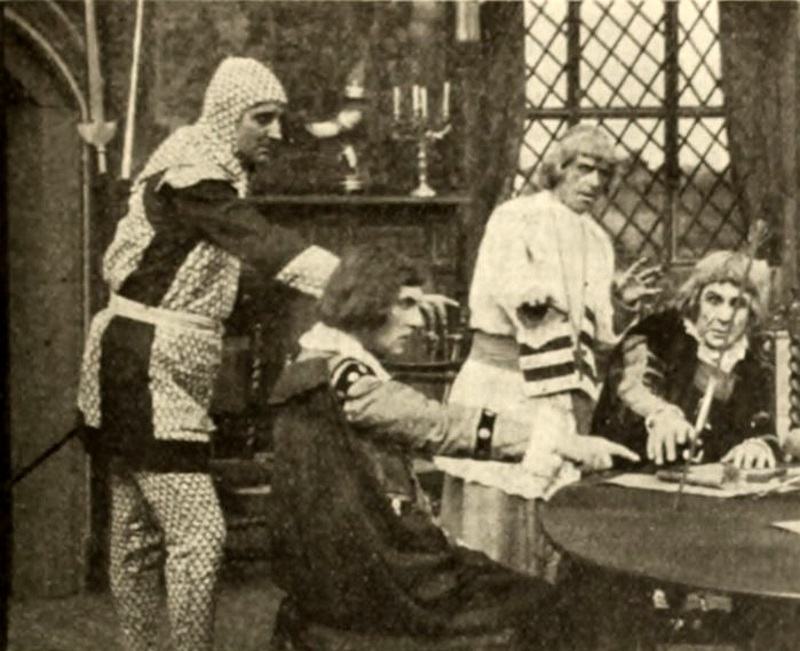
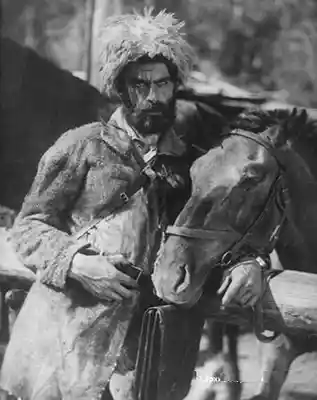
still_frame
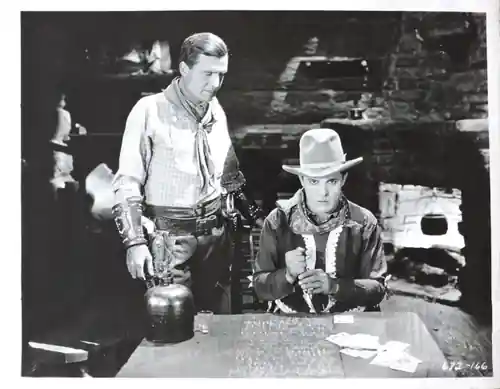
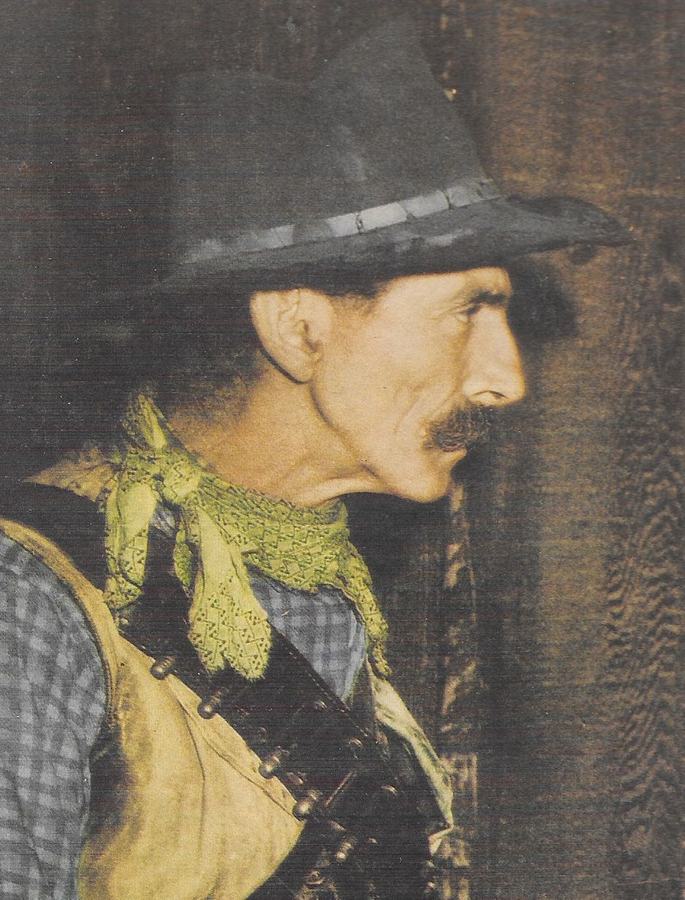
still_frame
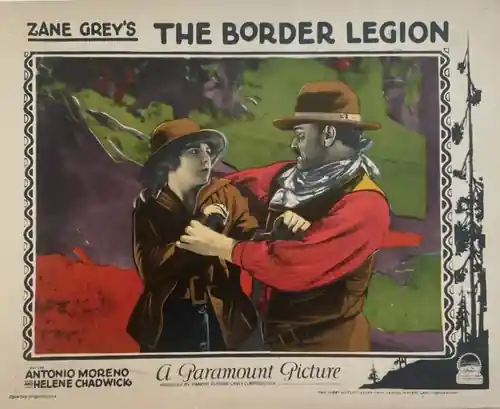
publicity
Comparing the cinematic DNA and archive impact of two defining moments in cult history.
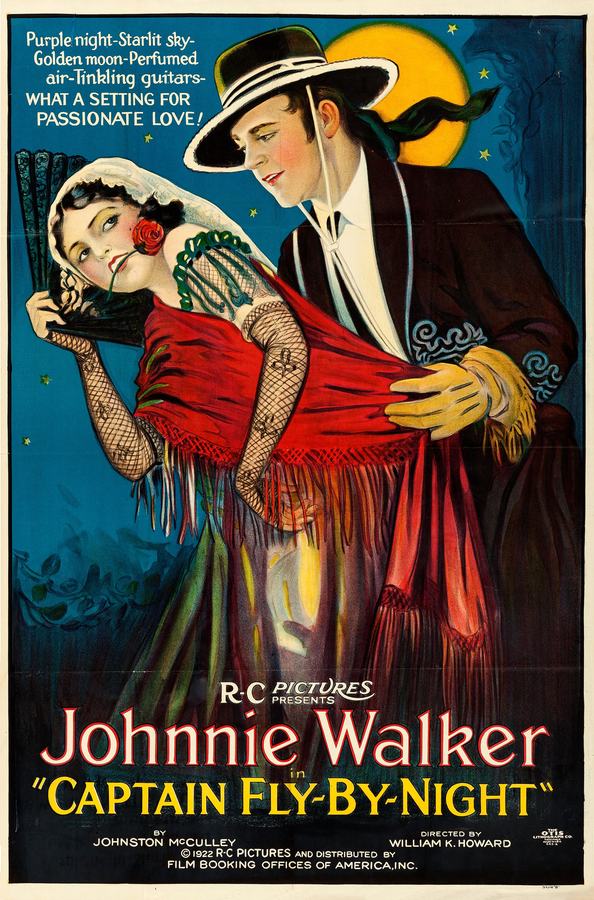
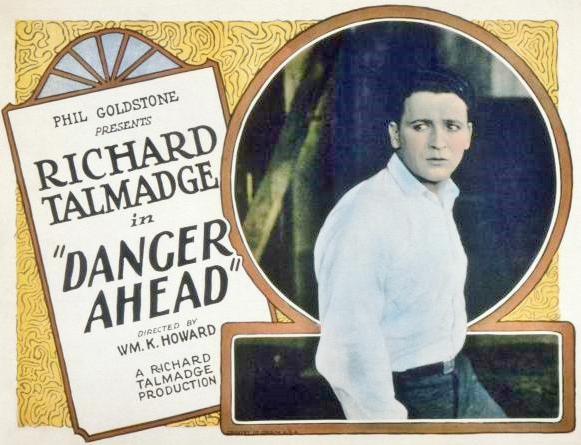
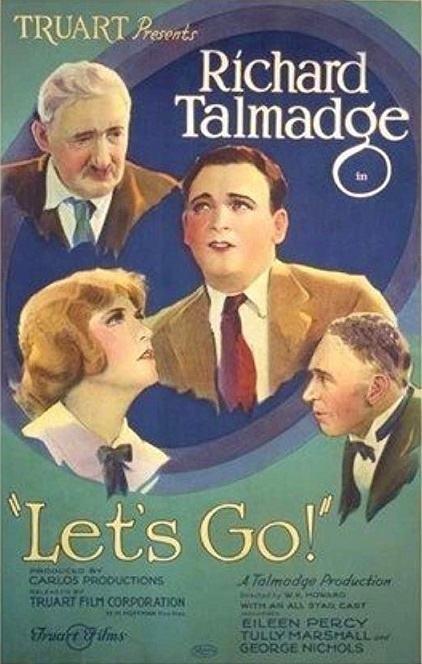
William K. Howard
Robert N. Bradbury
Community
Log in to comment.
" The Silent Frontier: A Re-evaluation of The Border Legion (1924) The year 1924 stood as a pivotal juncture in the evolution of American cinema, a period where the silent medium had reached a zenith of visual storytelling before the encroaching cacophony of the talkies. Within this era, the adaptation of Zane Grey’s The Border Legion emerged not merely as another 'horse opera,' but as a sophisticated exploration of the human condition under duress. Directed with a keen eye for the expansive deso..."
Helene Chadwick
George C. Hull, Zane Grey
United States
Deep dive into the cult classic
Discover similar cinematic experiences
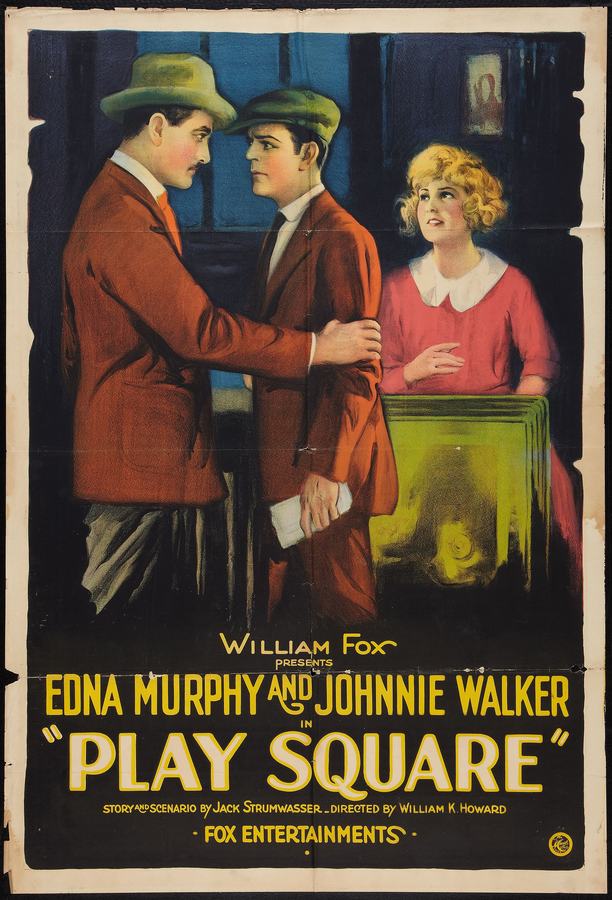
A Directorial Spotlight on William K. Howard