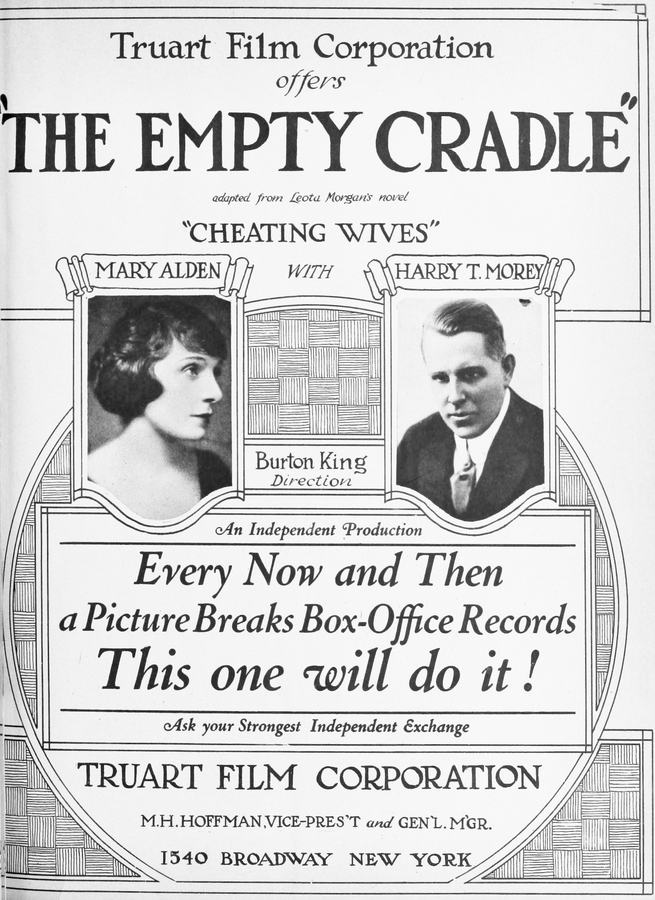
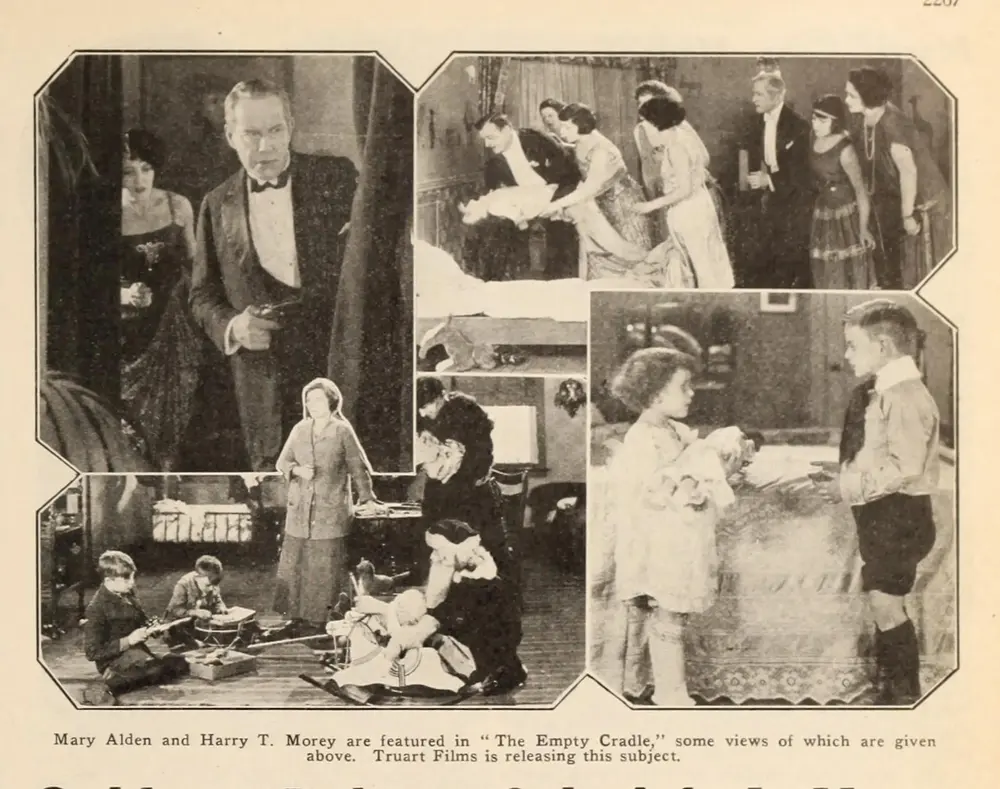
Disowned by her family for marrying beneath her class, Alice Larkin lives in a modest home with her husband, John, and their children. Meanwhile, wealthy Ethel Lewis is separated from her husband, Robert, because she refuses to have children.
The Empty Cradle arrives as a haunting relic of pre-Code cinema, its narrative structure a taut rope walk between social commentary and theatrical melodrama. Leota Morgan’s direction, while occasionally hamstrung by the era’s restrictive norms, crafts a compelling study of women trapped in gilded cages of expectation. ...
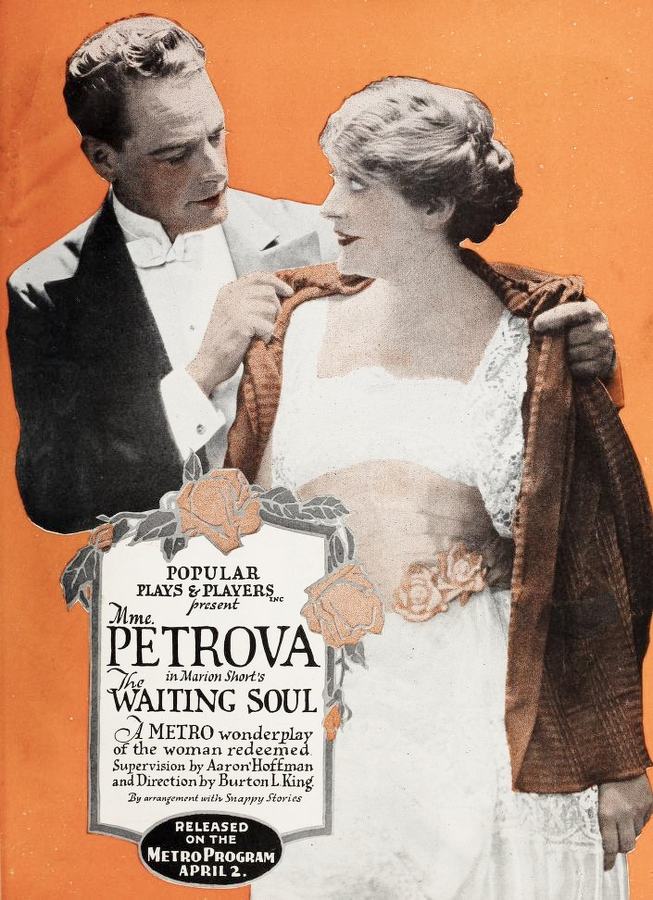
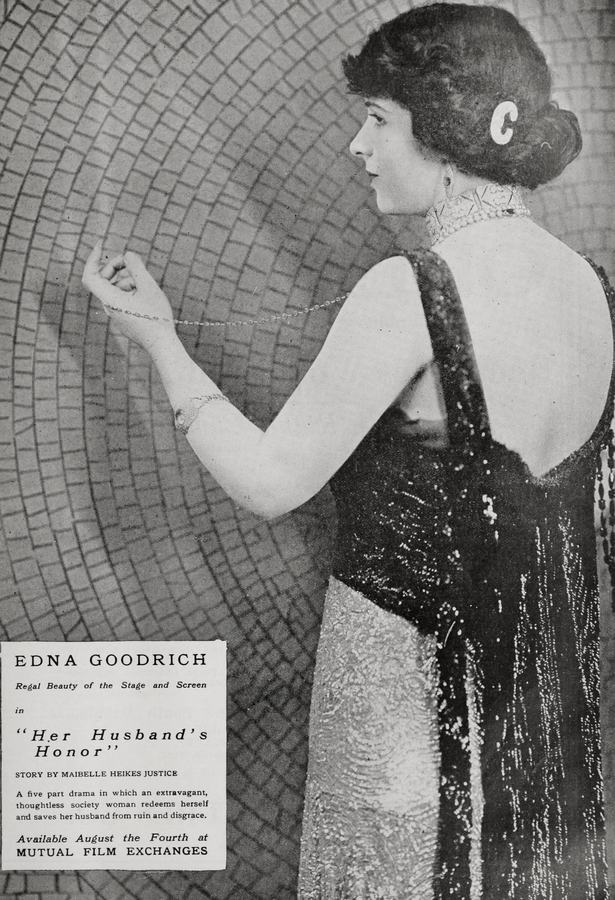
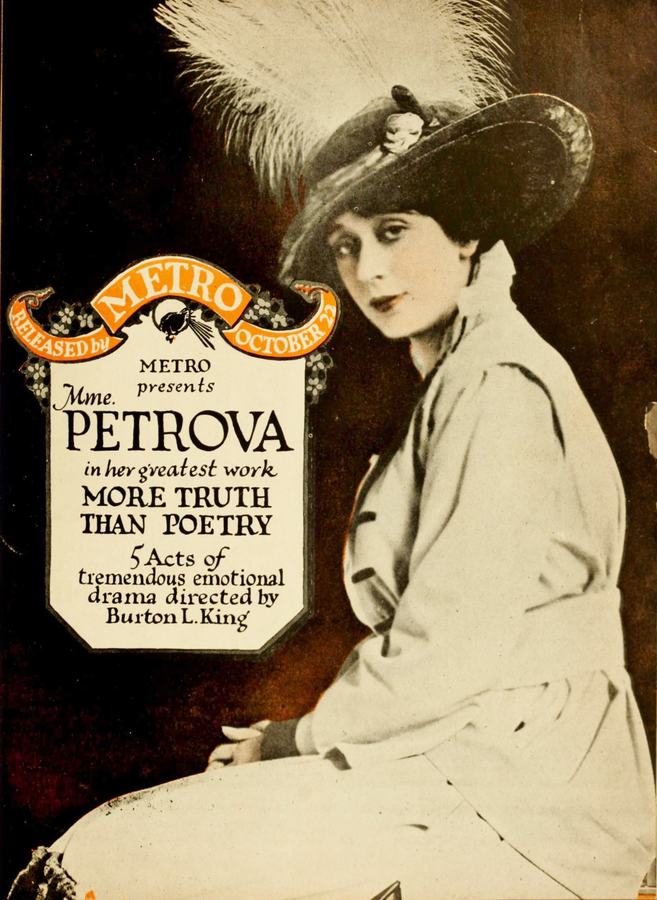
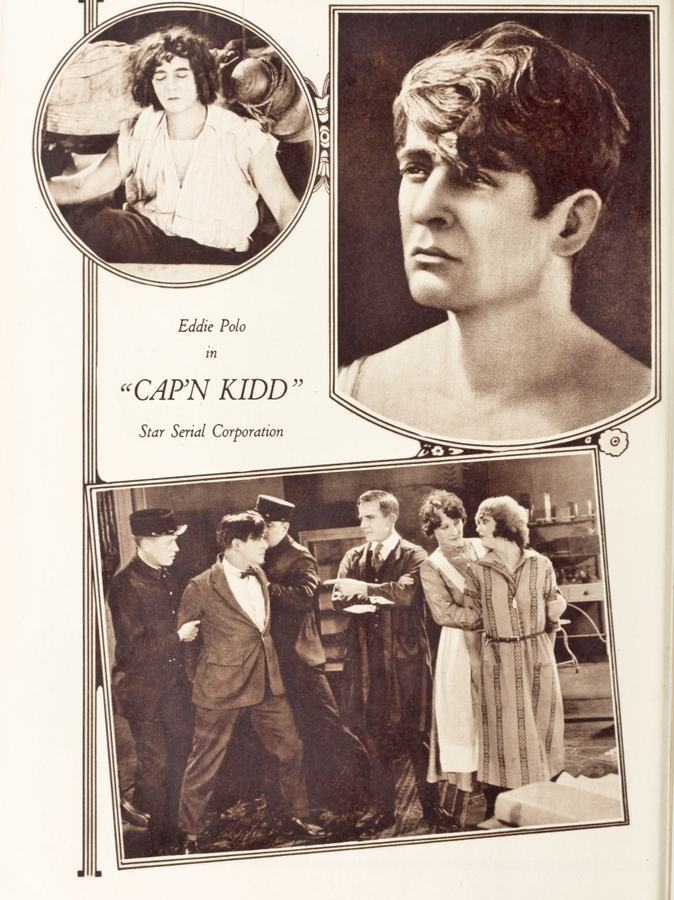
publicity
publicity
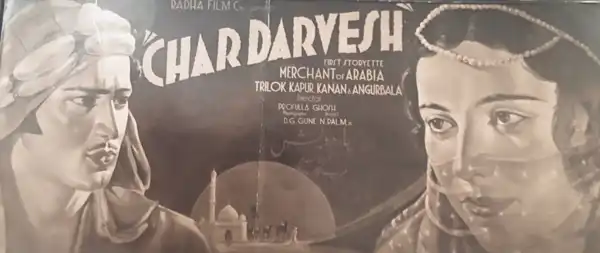
Comparing the cinematic DNA and archive impact of two defining moments in cult history.
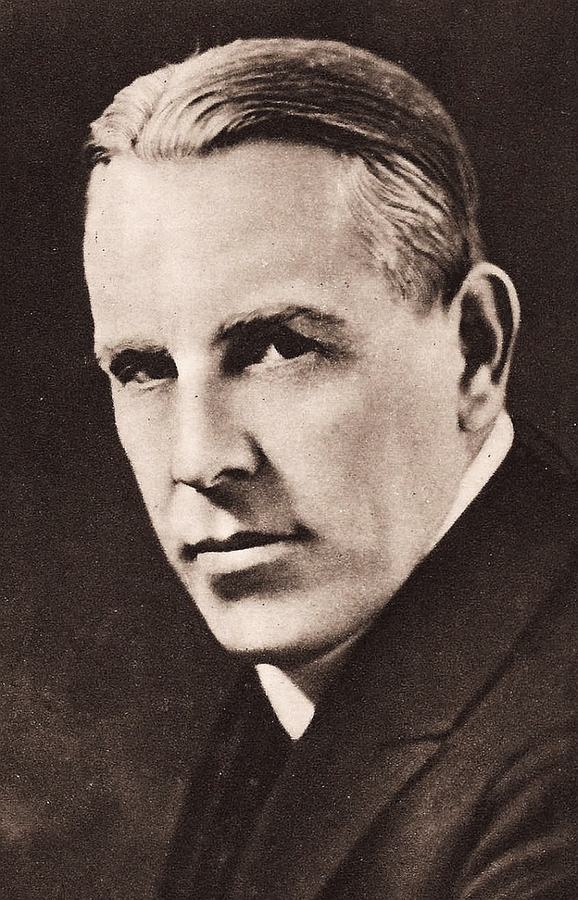
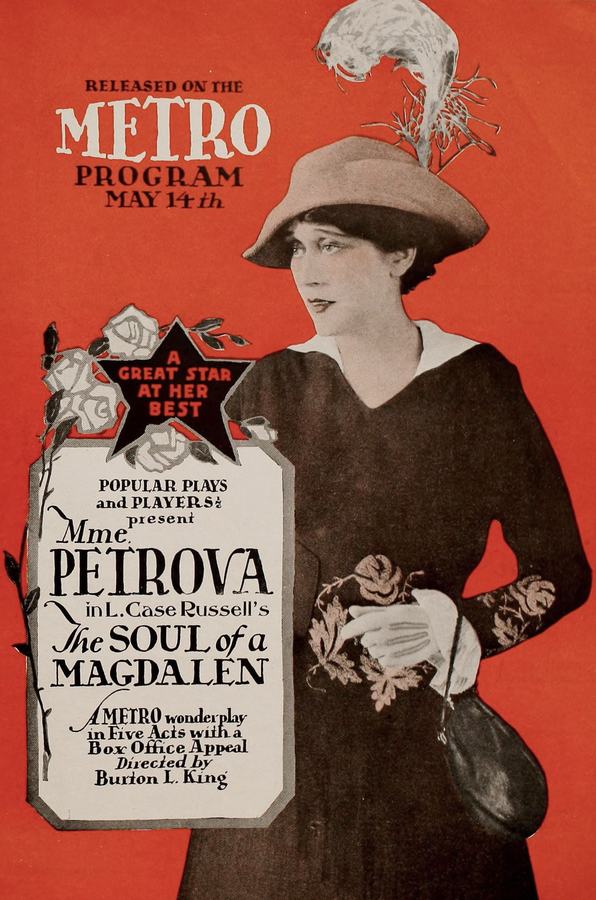
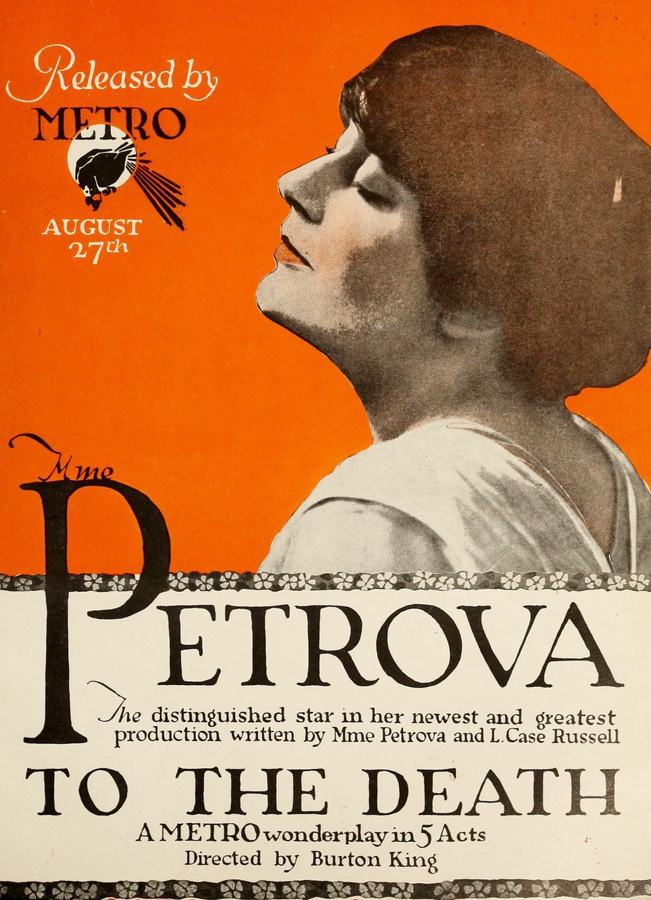
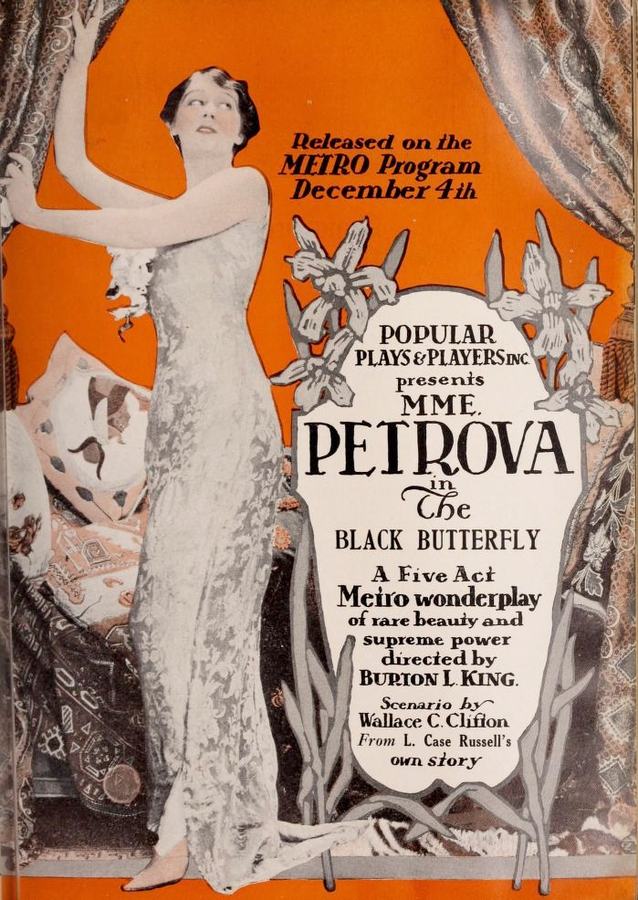
Burton L. King
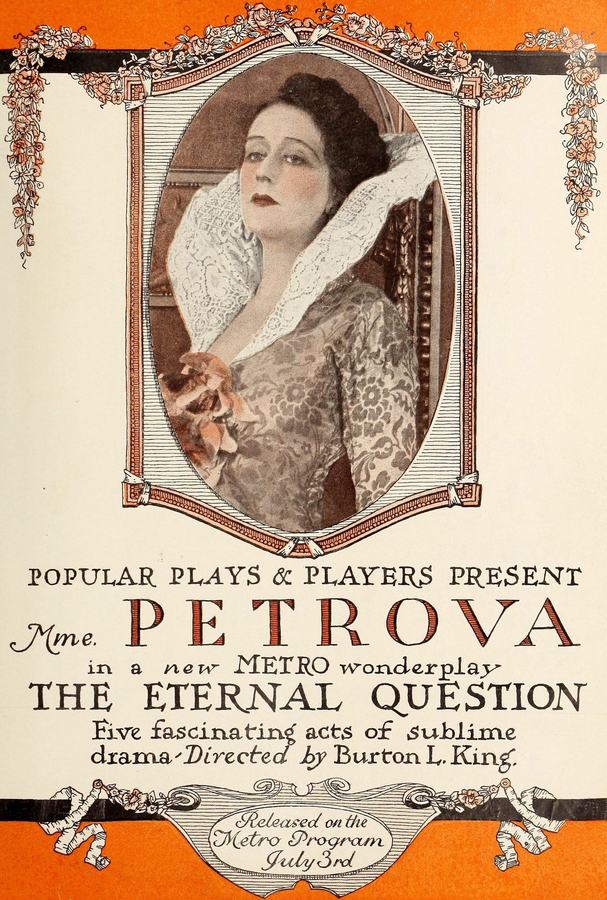
Burton L. King
Community
Log in to comment.
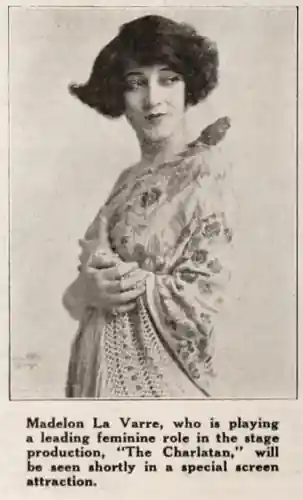
"The Empty Cradle arrives as a haunting relic of pre-Code cinema, its narrative structure a taut rope walk between social commentary and theatrical melodrama. Leota Morgan’s direction, while occasionally hamstrung by the era’s restrictive norms, crafts a compelling study of women trapped in gilded cages of expectation. Madeline La Varre’s portrayal of Alice Larkin is a masterclass in restrained emotion, her performance a counterpoint to Ricca Allen’s Ethel Lewis, who embodies the cold pragmatism ..."
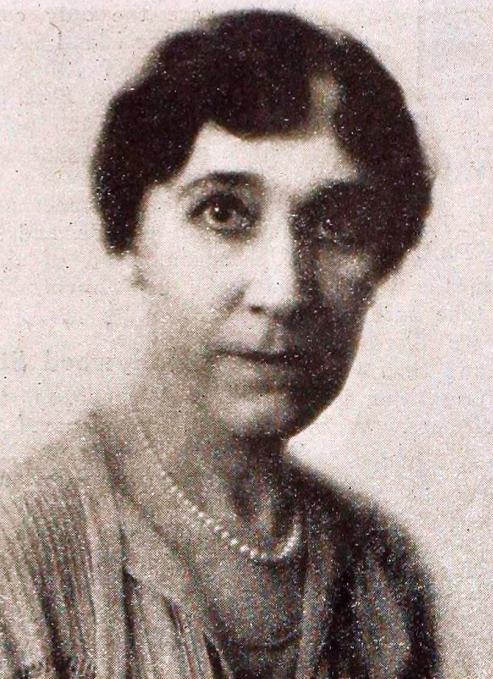
Leota Morgan
United States
Deep dive into the cult classic
Discover similar cinematic experiences
A Directorial Spotlight on Burton L. King