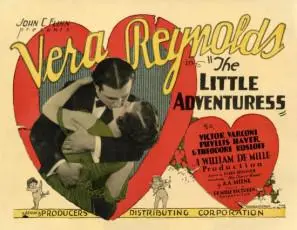
After five years of married life, Leonard Stoddard leaves his Victoria in tears and goes to the studio of Helen Davis, an artist, for sympathy. Believing that he loves her, Helen agrees to run away with him.

Is The Little Adventuress worth your time in the modern era? Short answer: No, unless you are a dedicated scholar of silent-era social comedies or a completist of A.A. Milne’s early screenwriting efforts.This film is specifically for those who enjoy the stage-bound aesthetics of the late 1920s and the irony of 'Pooh' c...
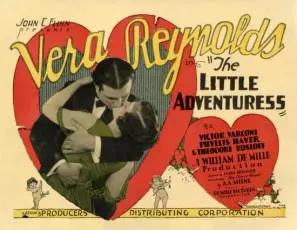
production_art
Comparing the cinematic DNA and archive impact of two defining moments in cult history.
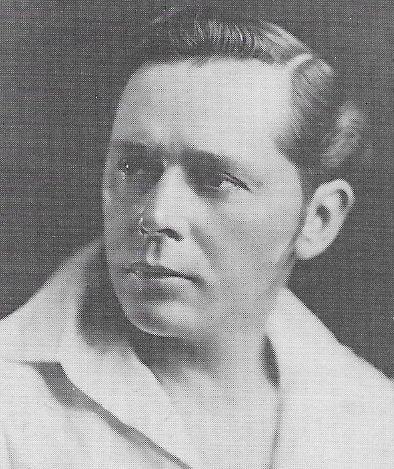
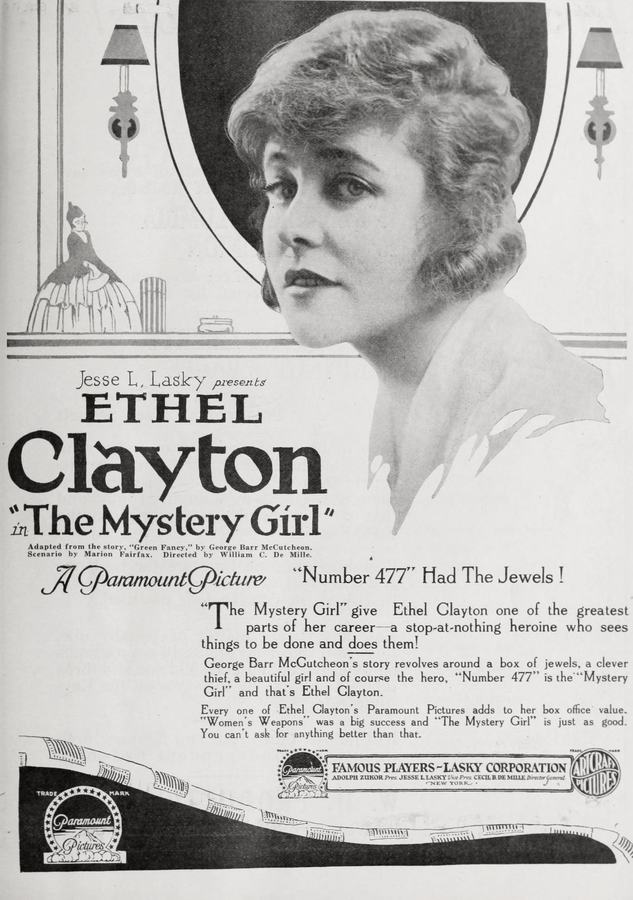
William C. de Mille
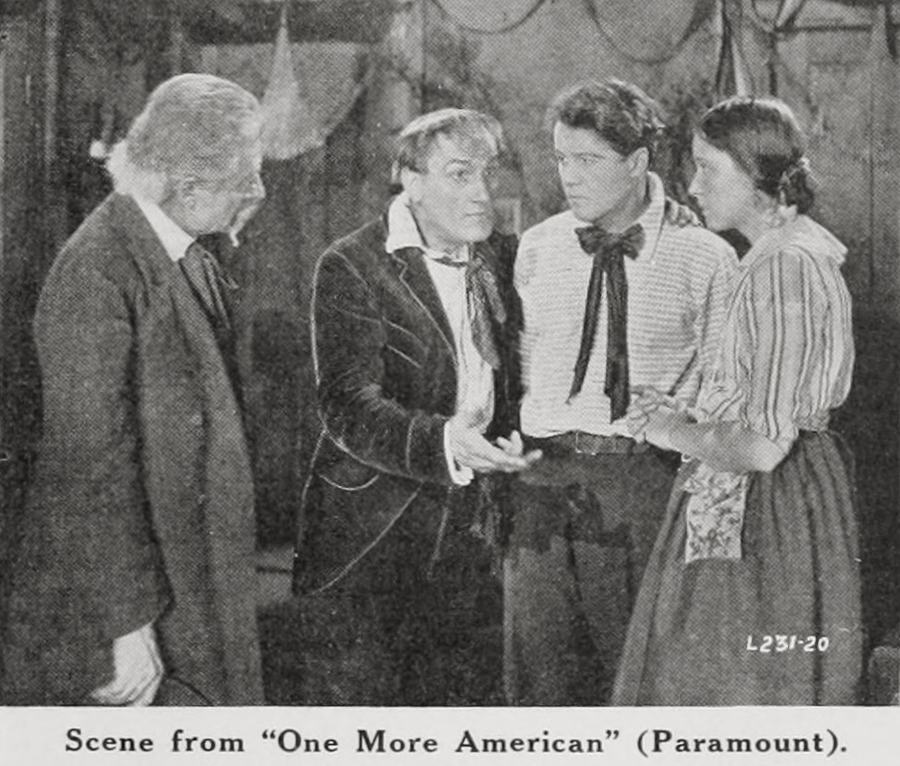
William C. de Mille
Community
Log in to comment.
"Is The Little Adventuress worth your time in the modern era? Short answer: No, unless you are a dedicated scholar of silent-era social comedies or a completist of A.A. Milne’s early screenwriting efforts.This film is specifically for those who enjoy the stage-bound aesthetics of the late 1920s and the irony of 'Pooh' creator Milne writing about marital infidelity. It is emphatically not for viewers seeking high-octane action or the visual experimentation found in the German Expressionism of the ..."
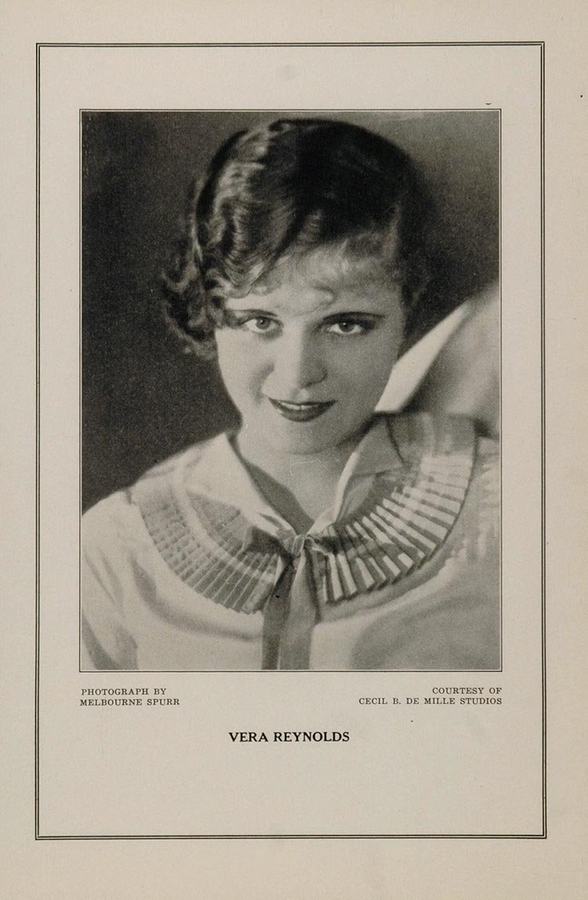
Vera Reynolds
Clara Beranger, A.A. Milne
United States
Deep dive into the cult classic
Discover similar cinematic experiences
A Directorial Spotlight on William C. de Mille