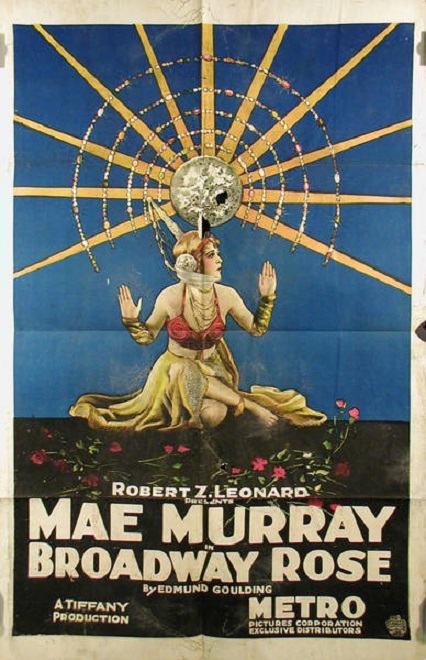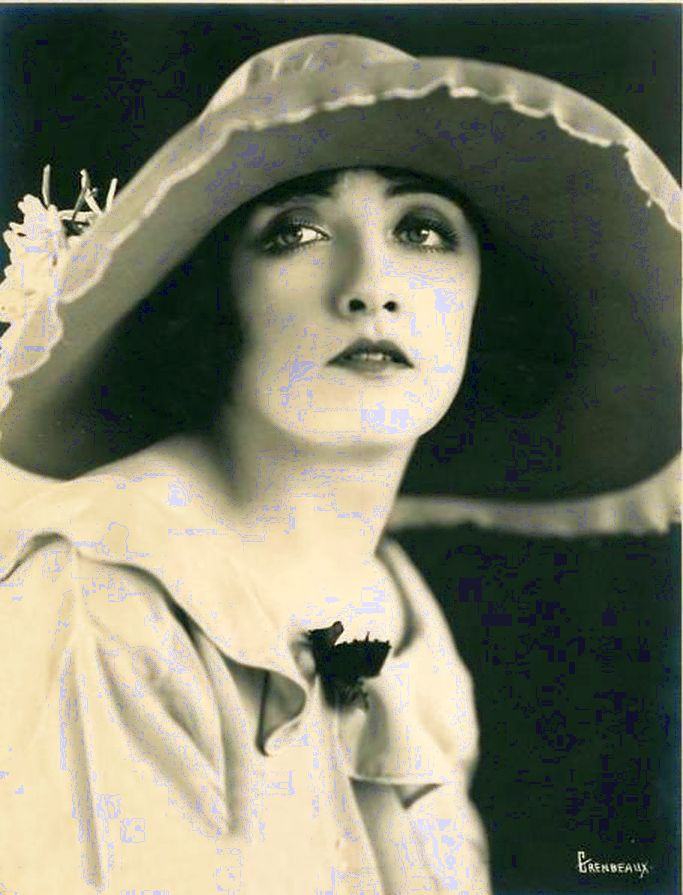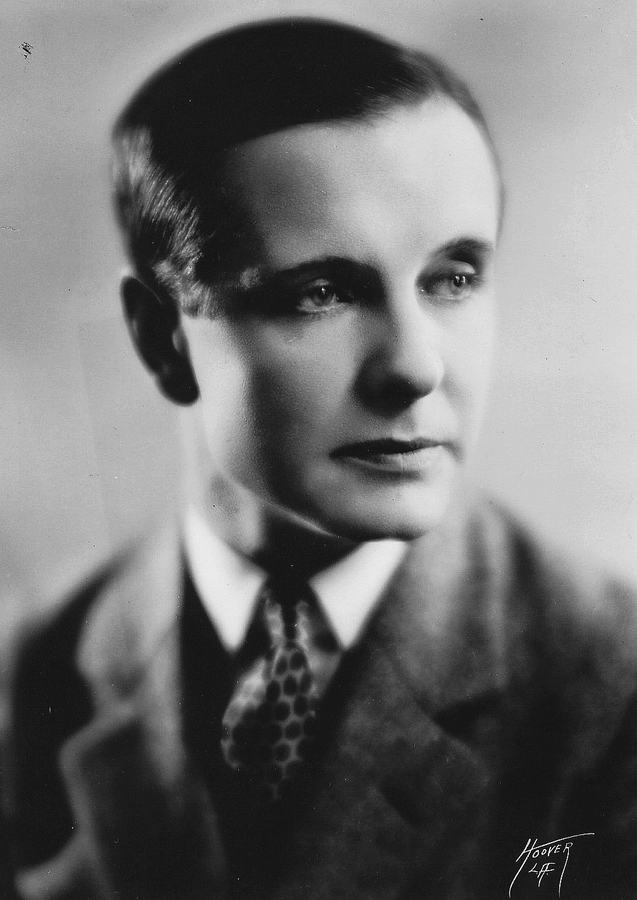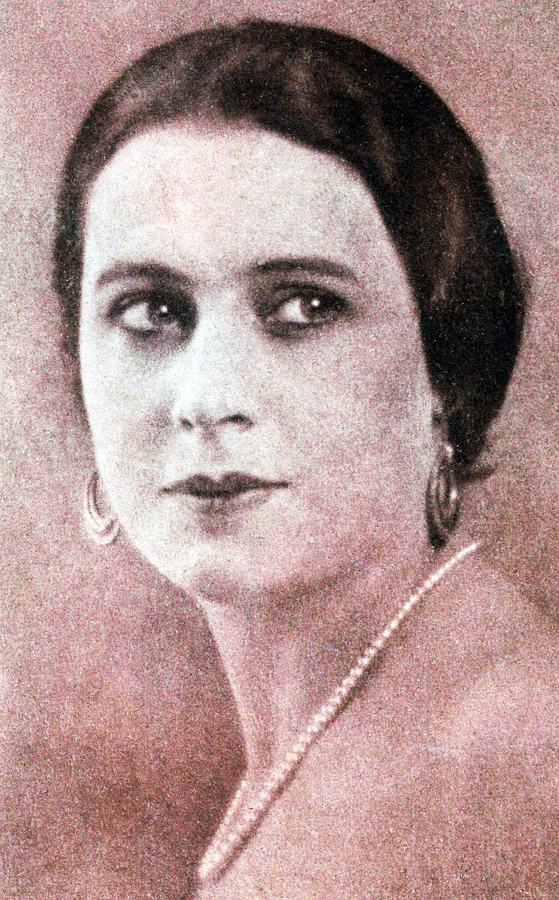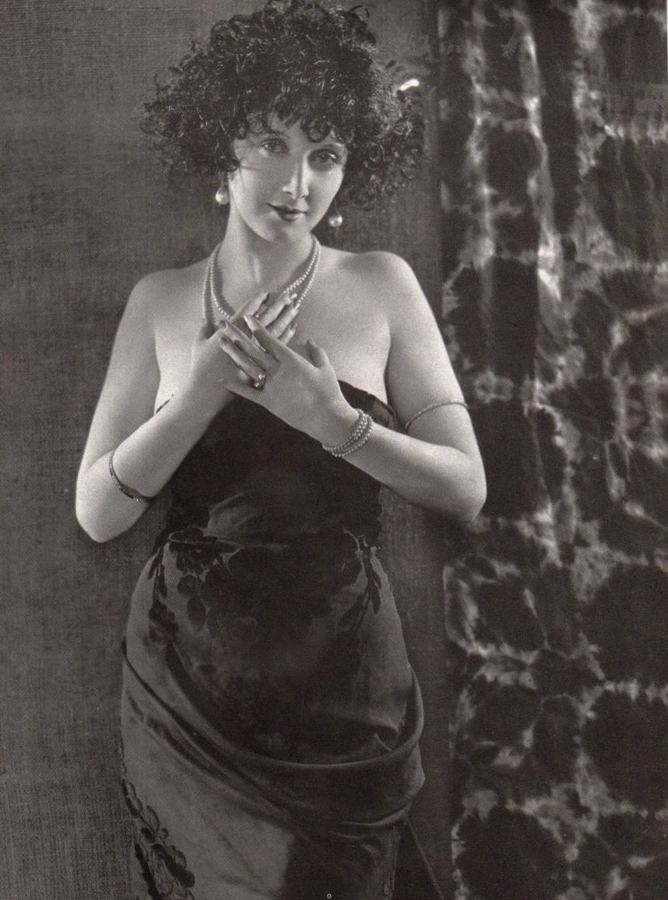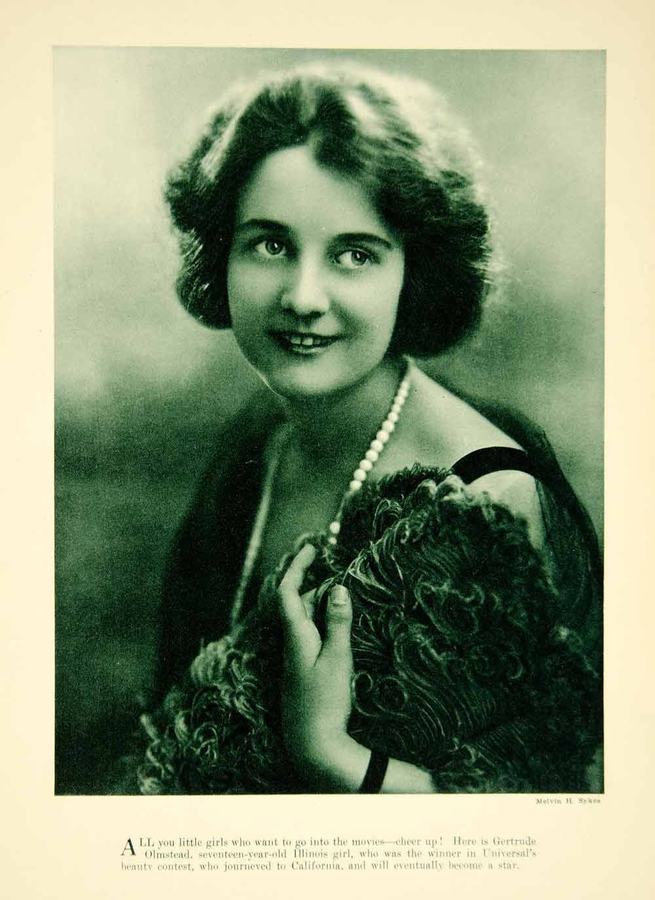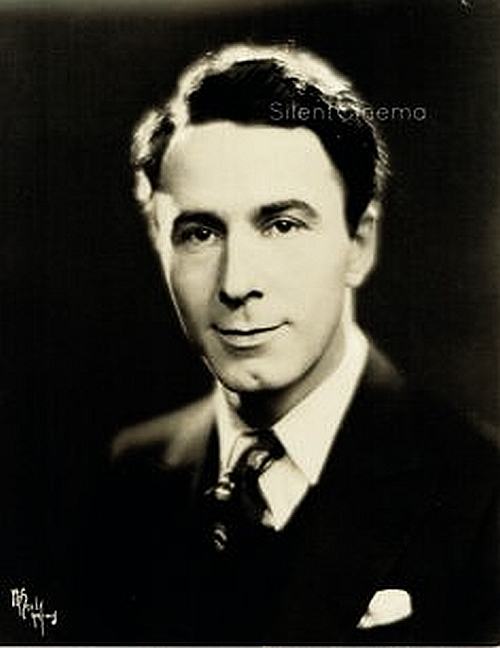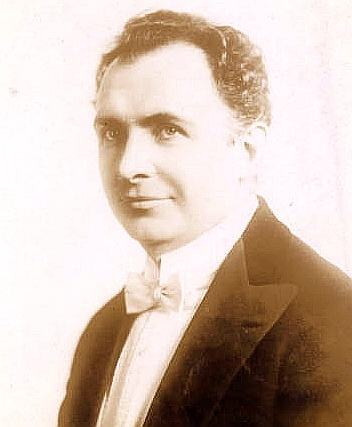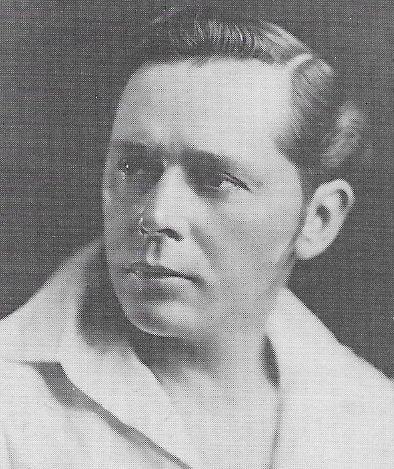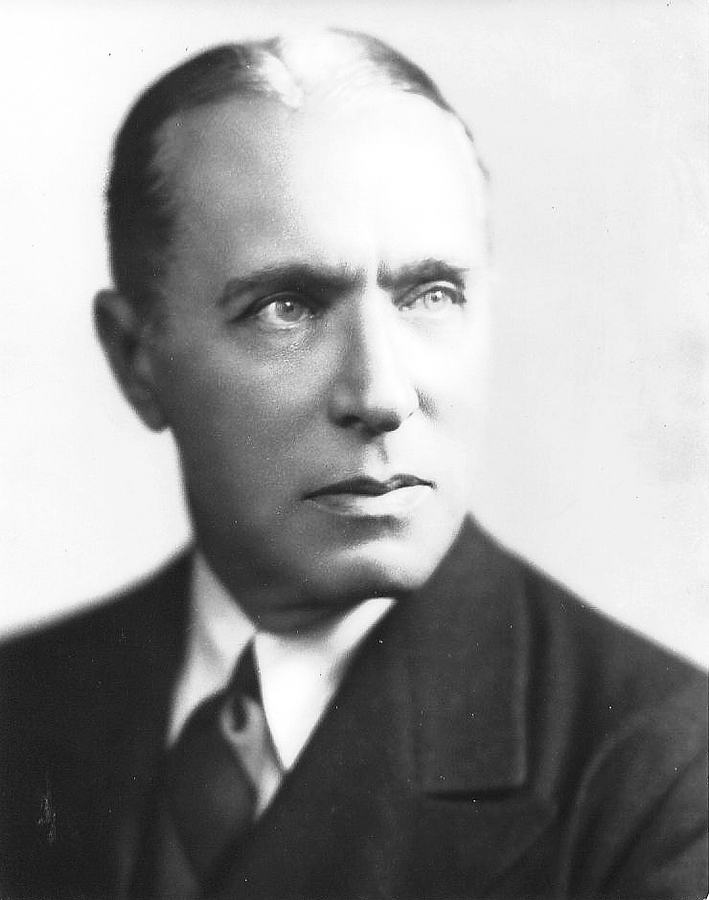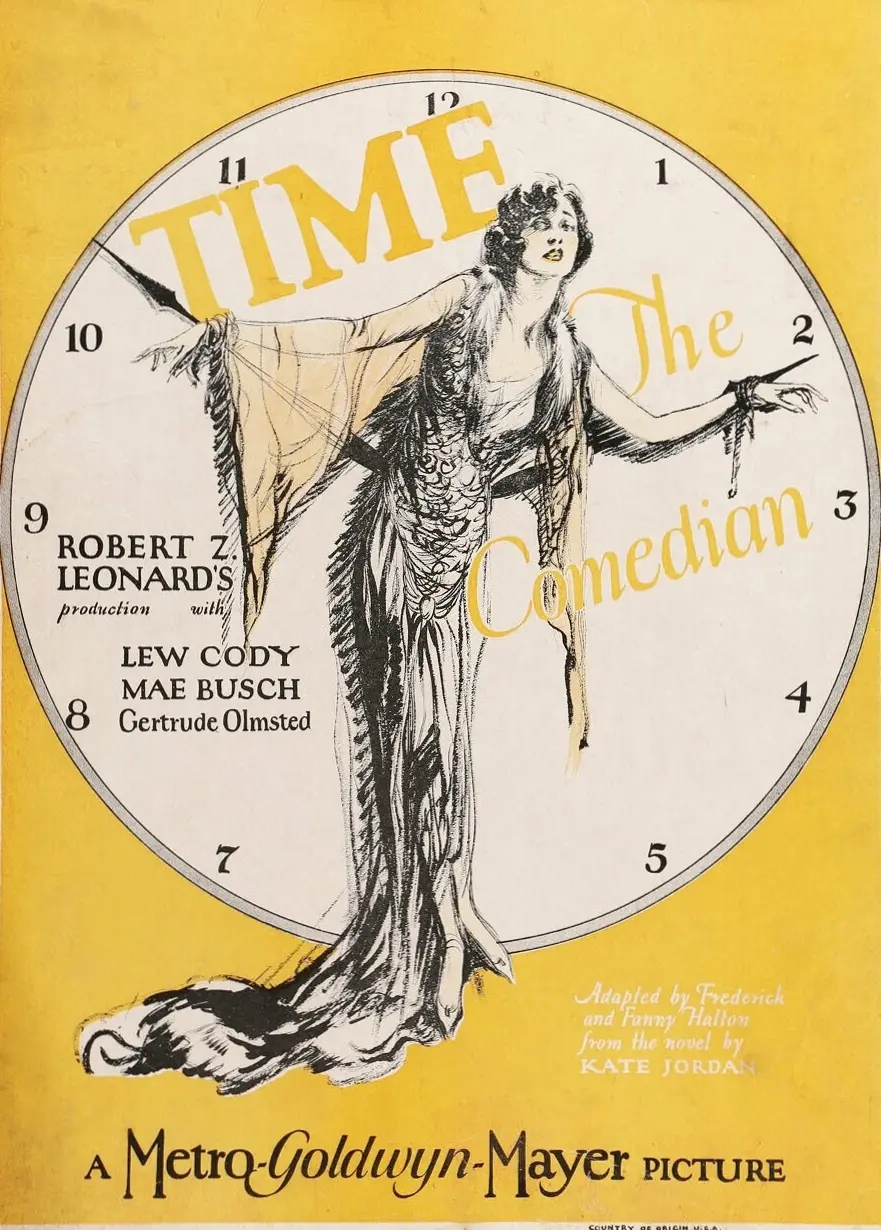
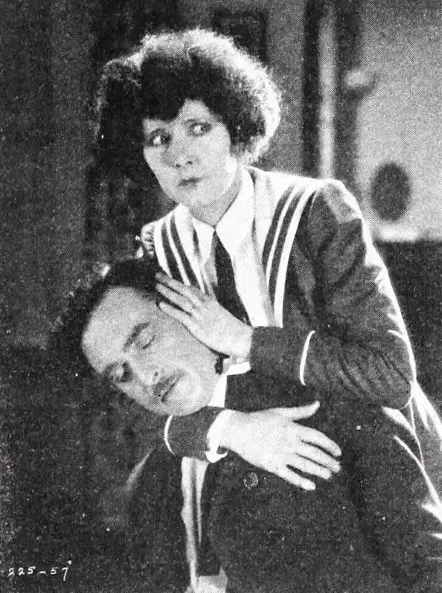
Nora Dakon, bored with the dullness of her life in a small New Jersey town, leaves her husband and small daughter to run off with Larry Brundage, a wealthy New York City sportsman. Nora's husband kills himself, and, to avoid scandal, Brundage walks out on Nora.
The Chronometric Cruelty of the Hattons' Vision To watch Time, the Comedian is to witness a sophisticated, albeit brutal, exploration of the cyclical nature of human error. The 1925 silent era was often characterized by broad moral strokes, yet the screenplay by Fanny and Frederic Hatton, adapted from Kate Jordan’s ...
publicity
still_frame
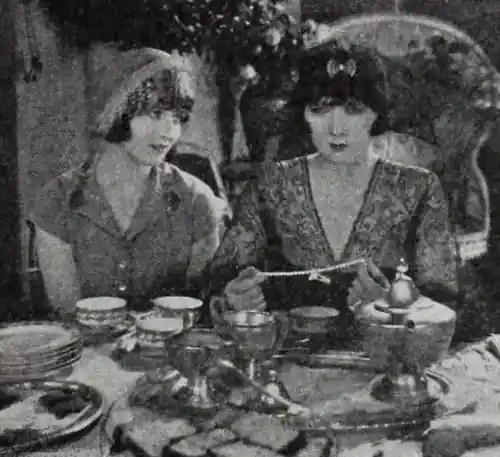
still_frame
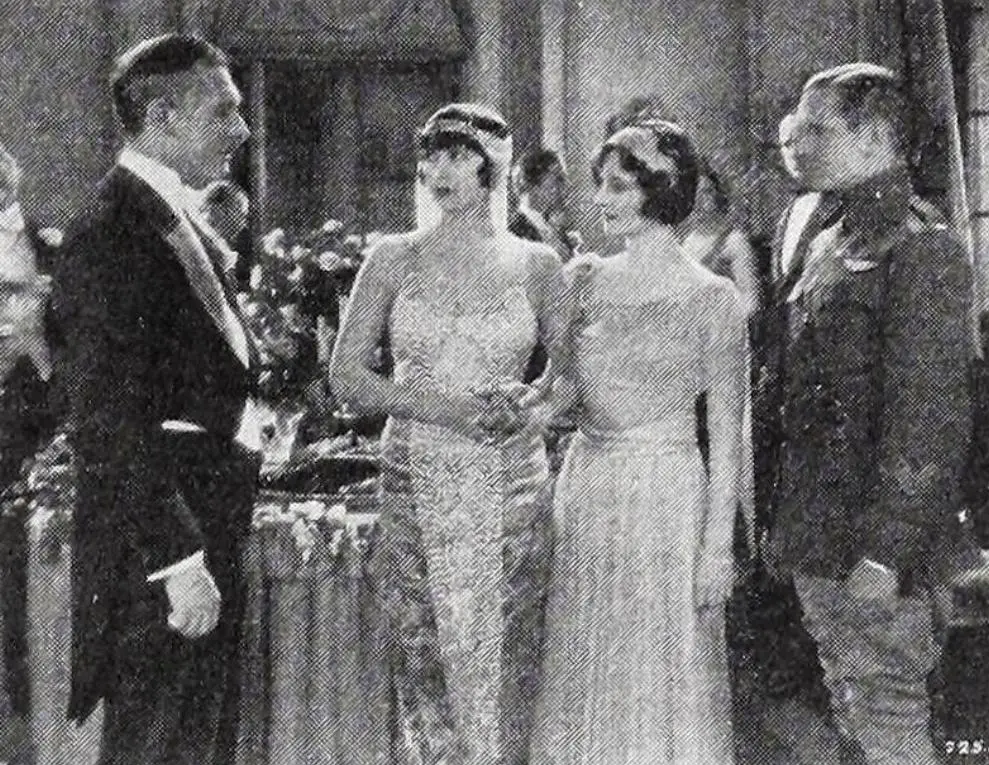
still_frame
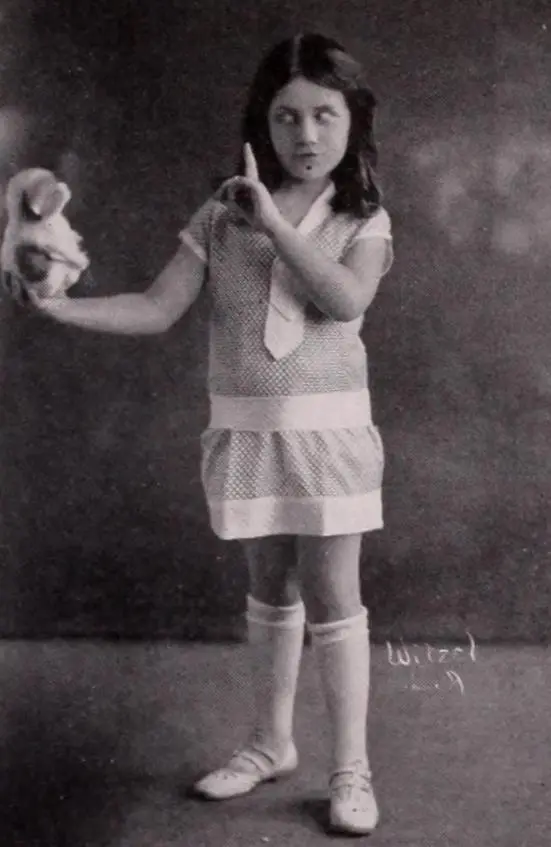
publicity
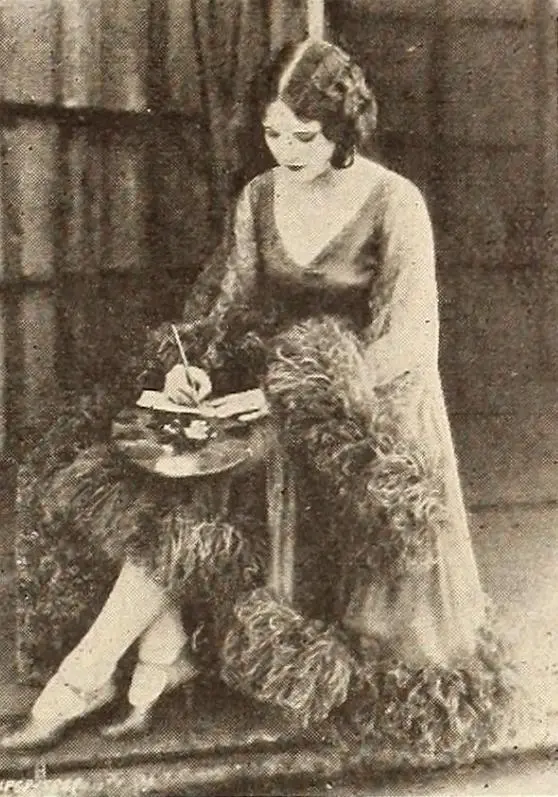
behind_the_scenes
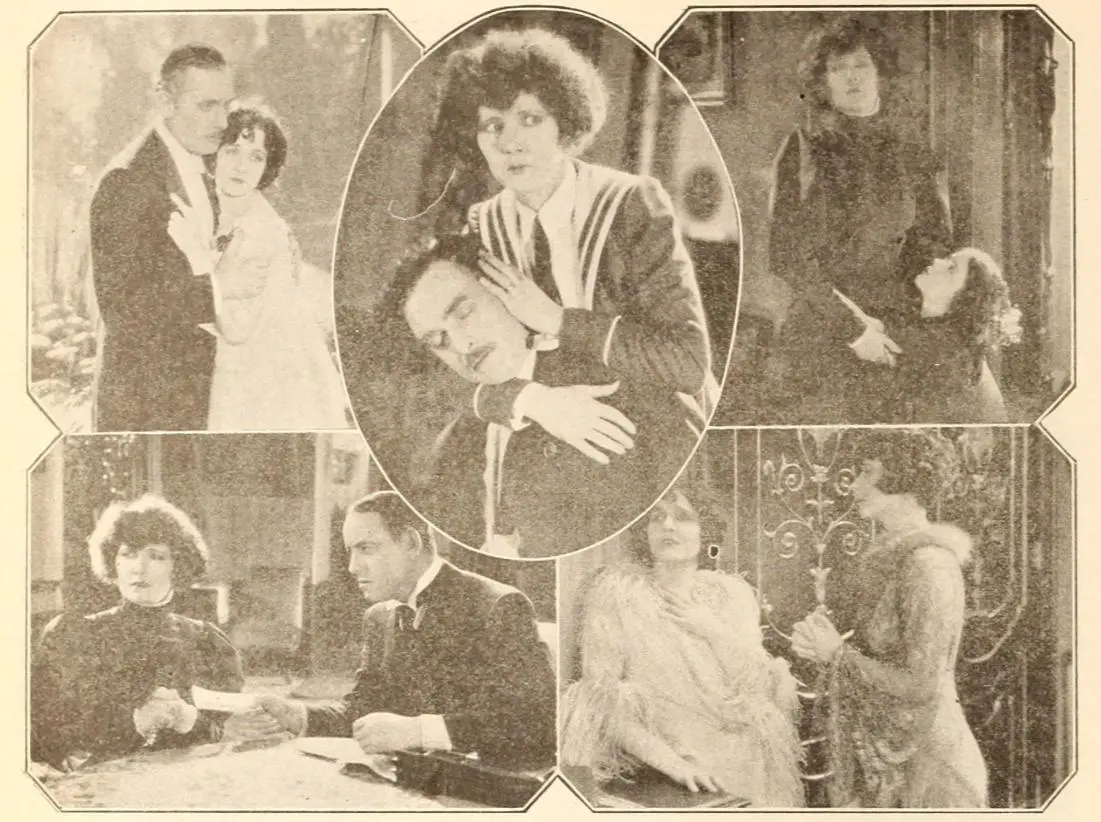
still_frame
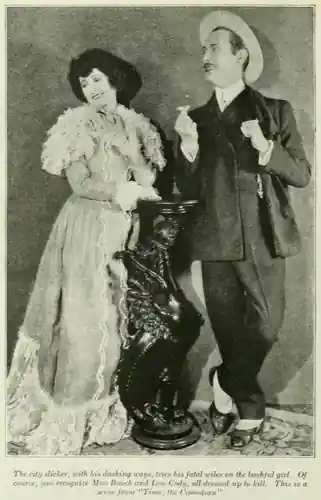
still_frame
Comparing the cinematic DNA and archive impact of two defining moments in cult history.
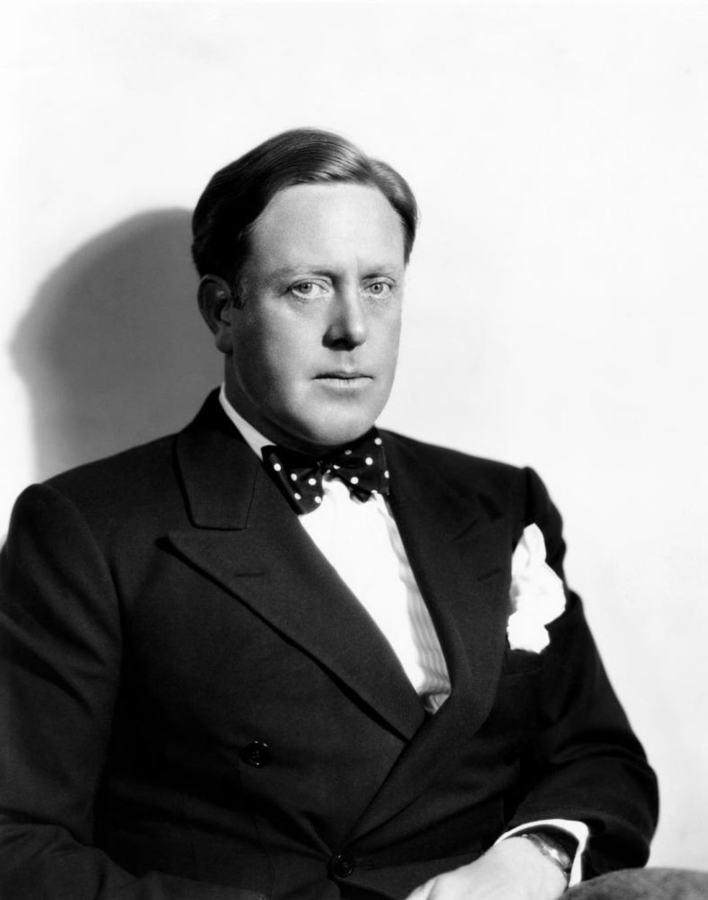
Robert Z. Leonard
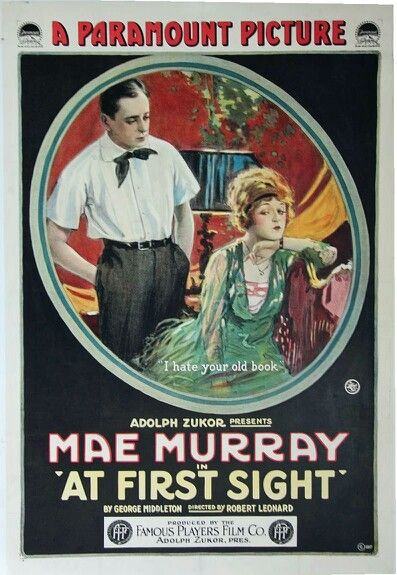
Robert Z. Leonard
Community
Log in to comment.
" The Chronometric Cruelty of the Hattons' Vision To watch Time, the Comedian is to witness a sophisticated, albeit brutal, exploration of the cyclical nature of human error. The 1925 silent era was often characterized by broad moral strokes, yet the screenplay by Fanny and Frederic Hatton, adapted from Kate Jordan’s work, offers a nuanced interrogation of the 'fallen woman' trope. Unlike the more whimsical explorations of social mobility found in A Very Good Young Man, this film leans into the..."
Fanny Hatton, Kate Jordan, Frederic Hatton
United States
Deep dive into the cult classic
Discover similar cinematic experiences
A Directorial Spotlight on Robert Z. Leonard