A convict seeks revenge on the partners who cheated him of his treasure share..
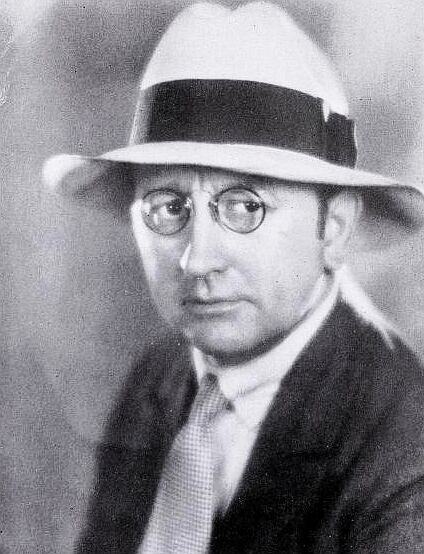
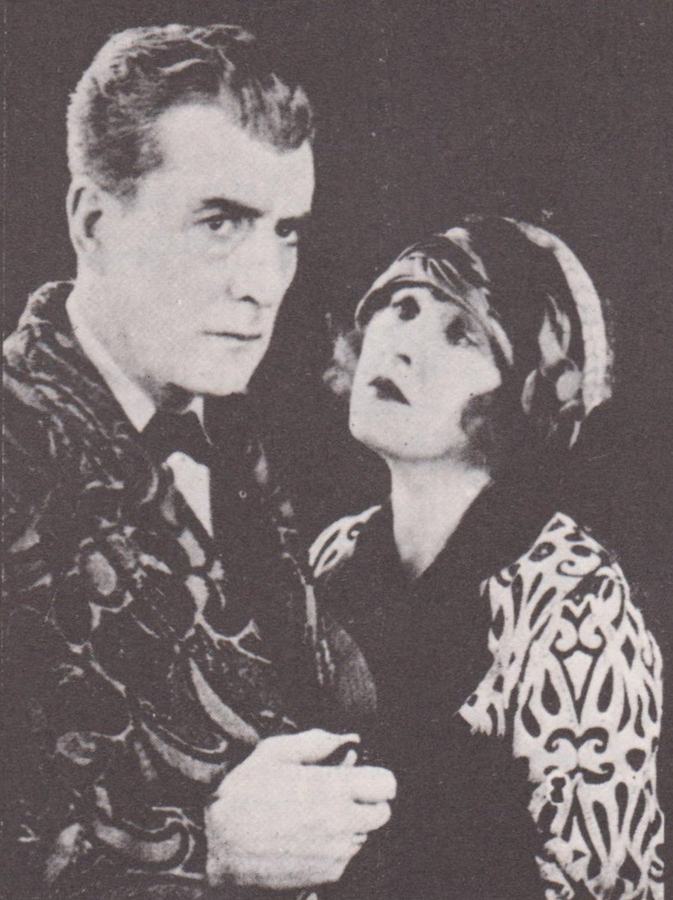
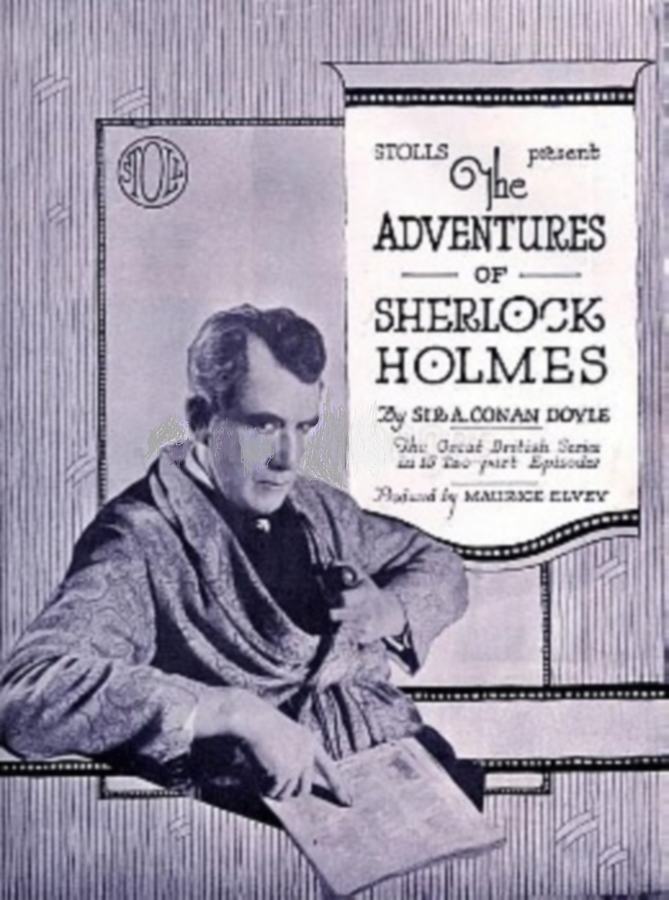
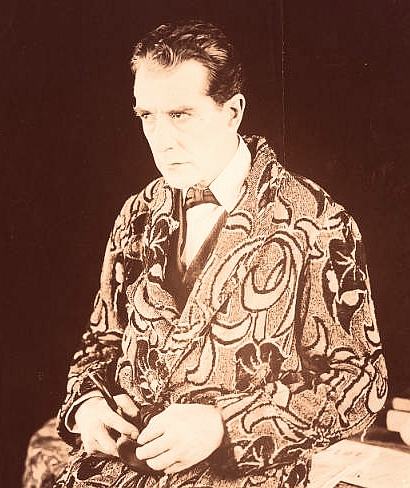
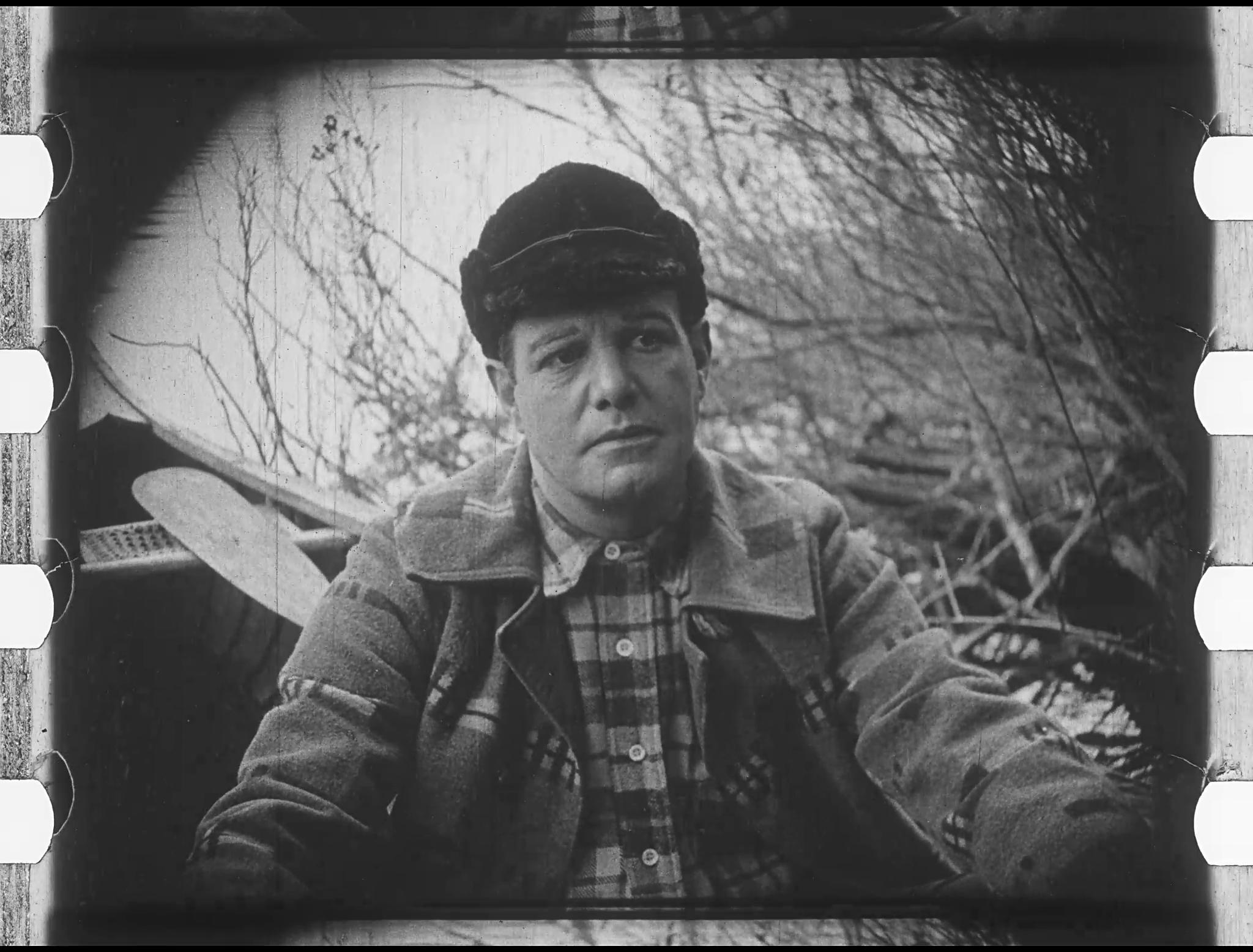
The silent era of cinema, often dismissed by the modern layman as a pantomime of exaggerated gestures, occasionally yielded a gem of such atmospheric potency that it renders sound almost redundant. Maurice Elvey’s 1923 rendition of The Sign of Four is precisely such a specimen. It is a work that breathes the soot and...
still_frame
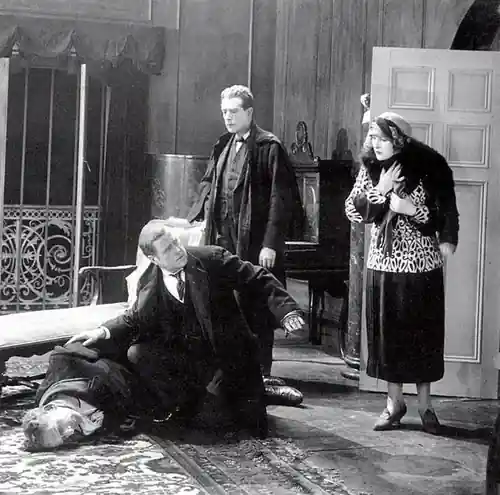
still_frame
Comparing the cinematic DNA and archive impact of two defining moments in cult history.
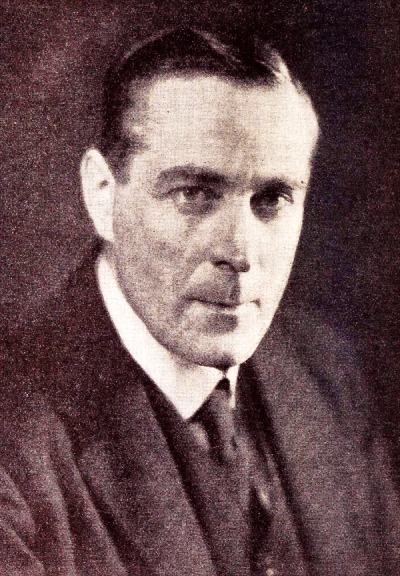
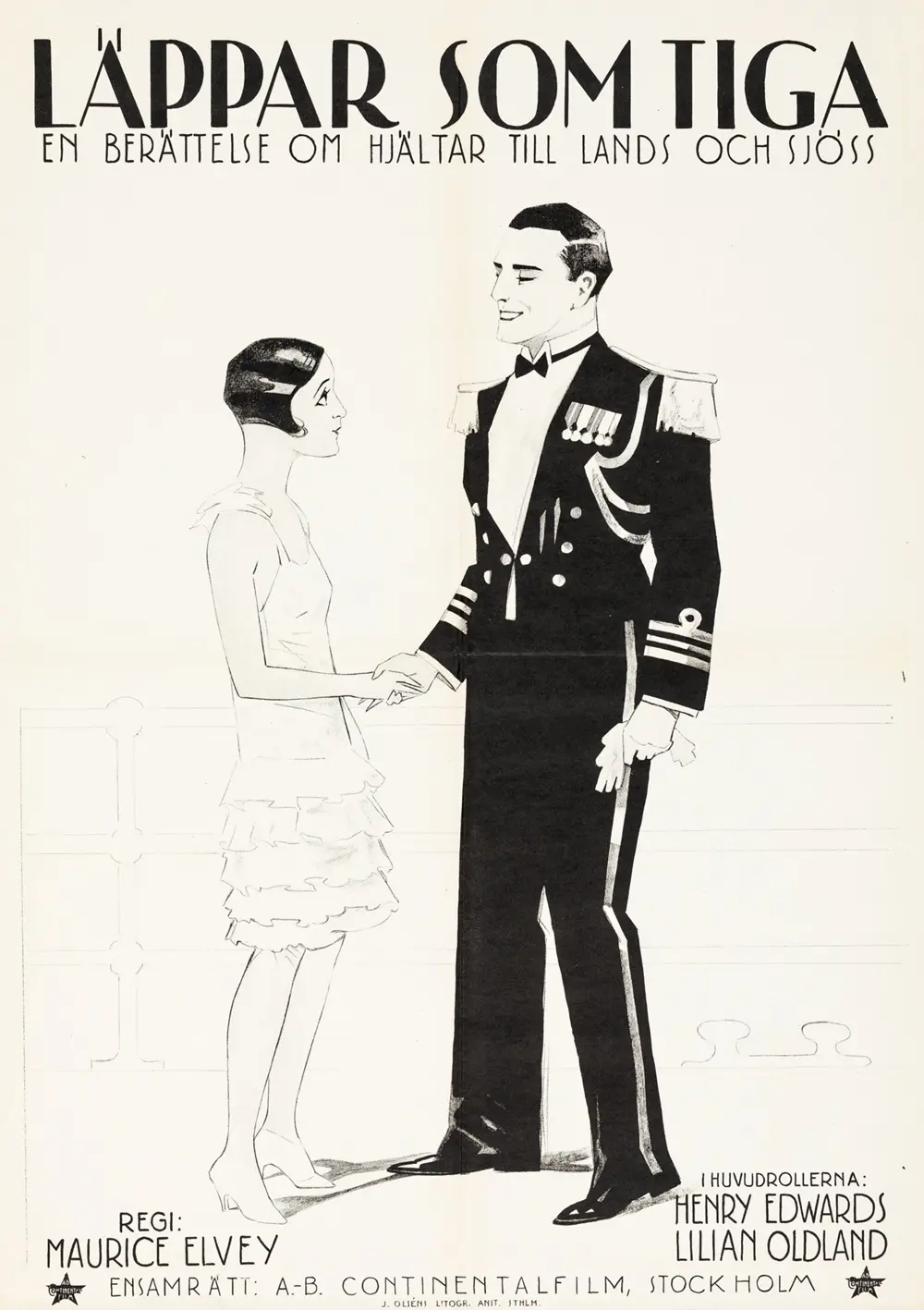
Maurice Elvey
Maurice Elvey
Community
Log in to comment.
" The silent era of cinema, often dismissed by the modern layman as a pantomime of exaggerated gestures, occasionally yielded a gem of such atmospheric potency that it renders sound almost redundant. Maurice Elvey’s 1923 rendition of The Sign of Four is precisely such a specimen. It is a work that breathes the soot and fog of Arthur Conan Doyle’s London, capturing a specific, Edwardian existential dread that later, more polished adaptations often sanitize. At the center of this maelstrom is Eill..."
Arthur M. Cullin
Maurice Elvey, Arthur Conan Doyle
United Kingdom
Deep dive into the cult classic
Discover similar cinematic experiences
A Directorial Spotlight on Maurice Elvey