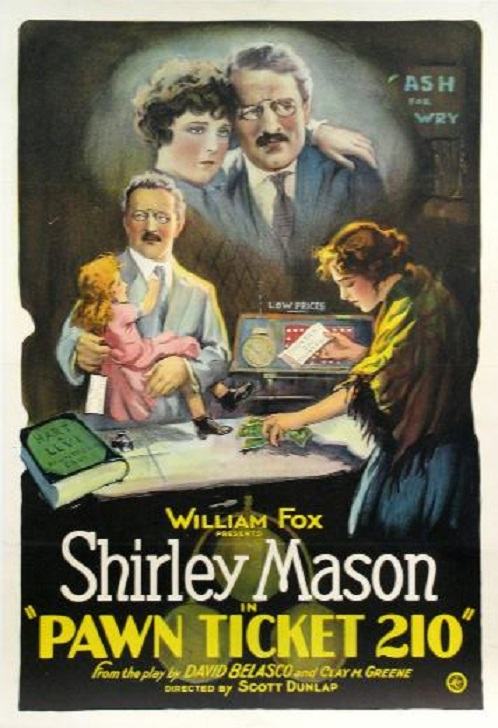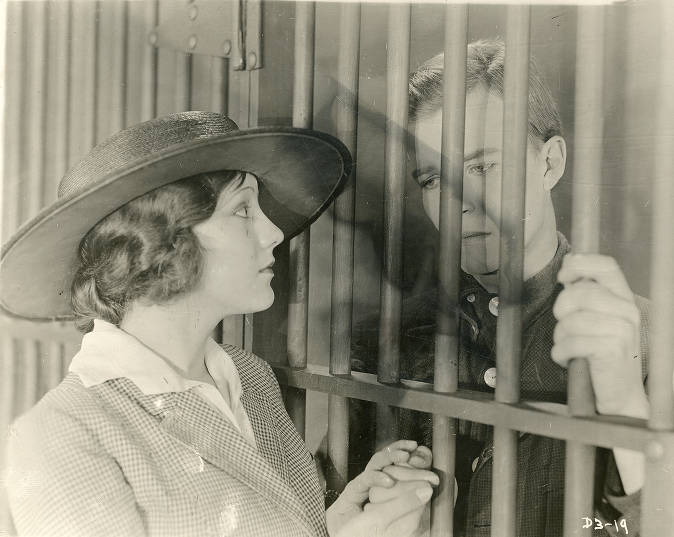
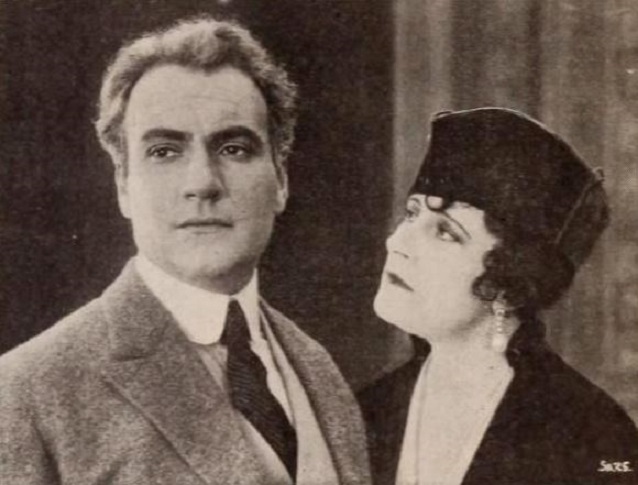
Mrs. John Cleveland, victim of an overly-jealous husband, adopts a child but, fearing to bring it into her own household, furnishes another home for it, and places the little girl in charge of a nurse.
::selection{background:#EAB308;color:#000}h2{color:#C2410C;border-bottom:2px solid #0E7490;padding-bottom:.3em}a{color:#EAB308;text-decoration:none;border-bottom:1px dotted #EAB308}a:hover{color:#0E7490;border-color:#C2410C}blockquote{margin:1.5em 0;padding:1em 2em;border-left:4px solid #C2410C;font-style:italic;backg...

Comparing the cinematic DNA and archive impact of two defining moments in cult history.
Scott R. Dunlap
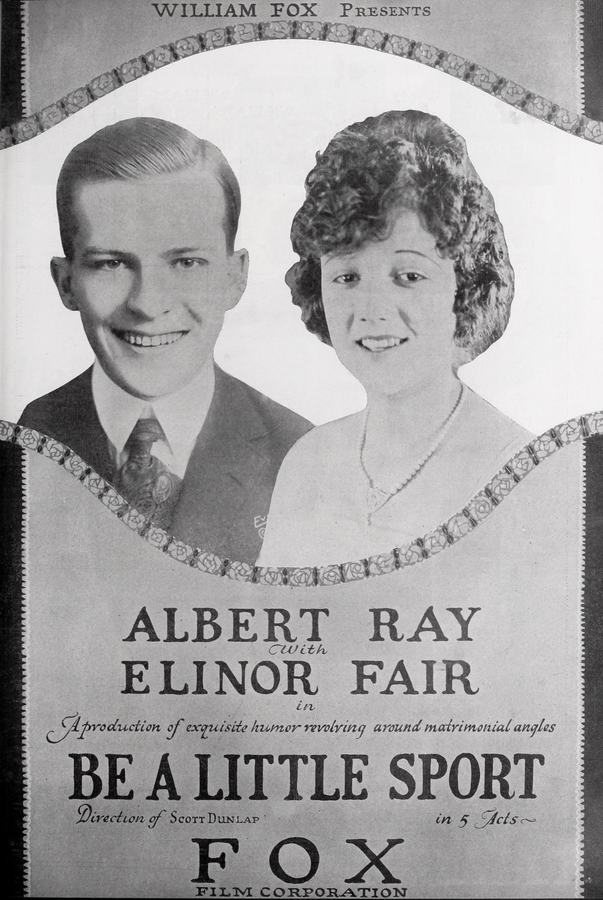
Scott R. Dunlap
Community
Log in to comment.
" ::selection{background:#EAB308;color:#000}h2{color:#C2410C;border-bottom:2px solid #0E7490;padding-bottom:.3em}a{color:#EAB308;text-decoration:none;border-bottom:1px dotted #EAB308}a:hover{color:#0E7490;border-color:#C2410C}blockquote{margin:1.5em 0;padding:1em 2em;border-left:4px solid #C2410C;font-style:italic;background:#111}em{color:#0E7490} Narrative architecture: corridors of secrecy In the chiaroscuro universe of Would You Forgive?, every staircase spirals downward into confession and e..."
Jules Furthman
United States
Deep dive into the cult classic
Discover similar cinematic experiences
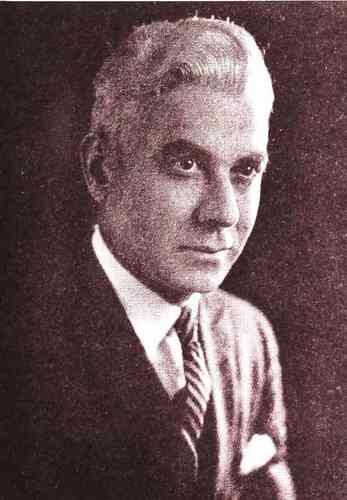
A Directorial Spotlight on Scott R. Dunlap