DbcultAccessing Vault...
6.3/10
Senior Film Conservator
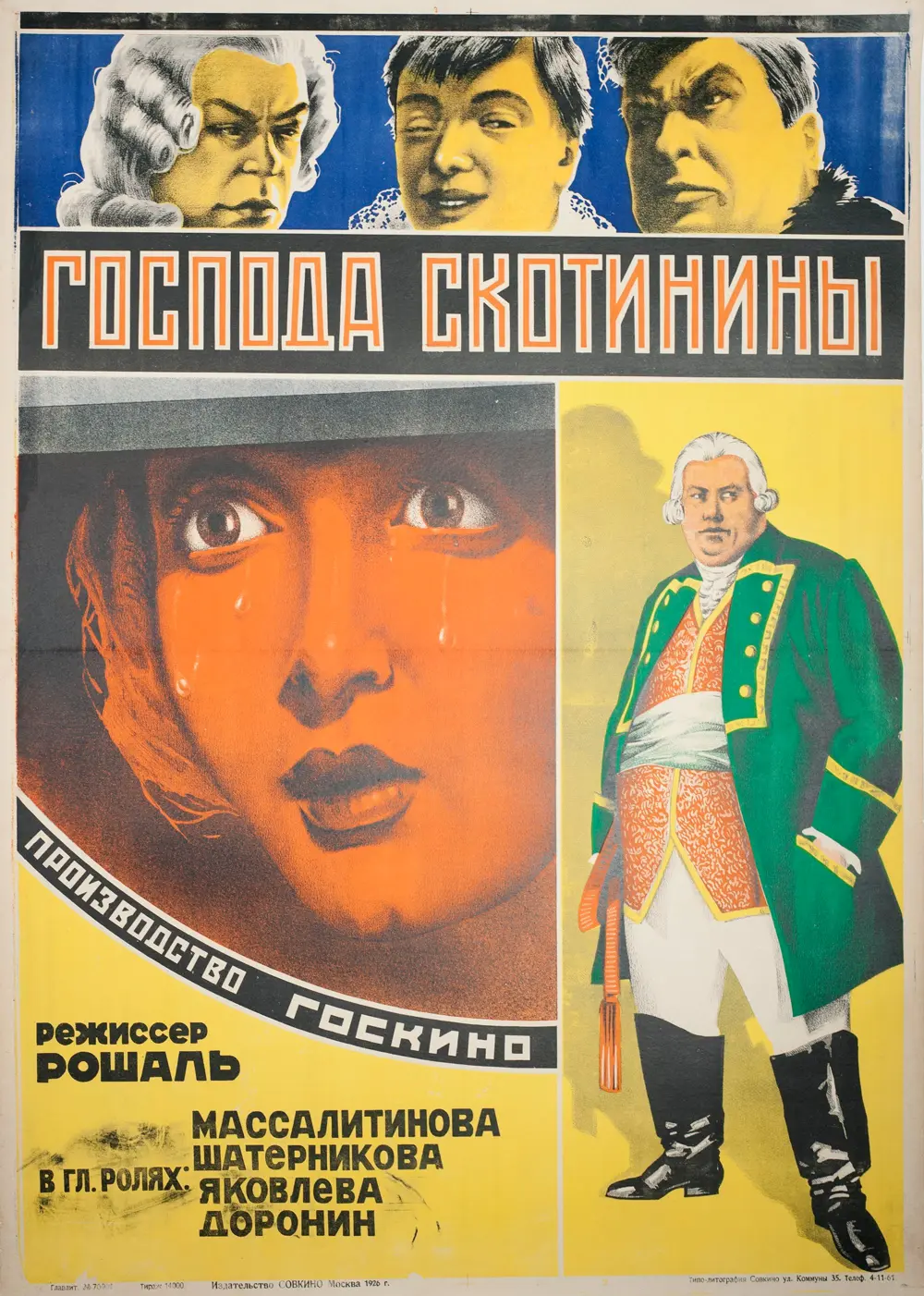
A definitive 6.3/10 rating for a film that redefined the boundaries of cult cinema. Gospoda Skotininy remains a cornerstone of transgressive art.
Is Gospoda Skotininy worth your time in the modern era? Short answer: Yes, but only if you have the stomach for the grotesque and an interest in the evolution of political satire.
This film is specifically for students of early Soviet cinema and those who enjoy seeing classic literature deconstructed with a sharp, ideological blade. It is definitely not for viewers who require fast-paced action or the polished sensibilities of contemporary period dramas.
1) This film works because it leans into the 'ugliness' of its characters, using physical caricature to mirror moral decay in a way that feels visceral even a century later.
2) This film fails because its heavy-handed didacticism occasionally smothers the humor, making the social commentary feel more like a lecture than a narrative.
3) You should watch it if you want to see how early female directors like Vera Stroyeva were reinventing the Russian classics to fit a revolutionary context.
Gospoda Skotininy is a fascinating relic that transcends its age through sheer stylistic audacity. While many silent films of the mid-1920s were moving toward naturalism, Vera Stroyeva and her team chose a path of heightened expressionism. This makes the film a compelling watch for anyone interested in the visual language of the era. It captures a specific moment in Soviet history where the past was being systematically dismantled through art.
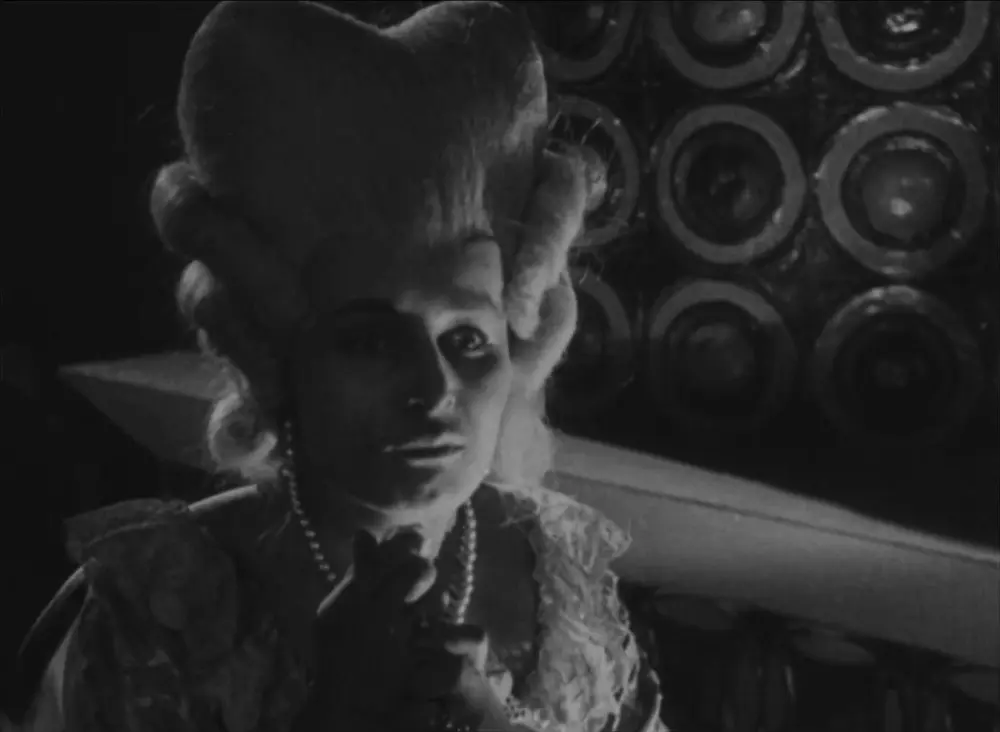
The film’s greatest strength lies in its production design and the way it utilizes the Skotinin estate. This isn't the grand, sweeping Russia of Tolstoy; it is a cramped, mud-caked corner of the world where the windows seem too small and the ceilings too low. The environment feels heavy, much like the characters themselves. Stroyeva uses the physical space to emphasize the intellectual claustrophobia of the gentry.
Consider the scene where Mitrofan is being 'tutored.' The way the camera lingers on his vacant expression while his mother, Prostakova, looms over him like a gargoyle creates a sense of impending doom. It isn't just funny; it’s unsettling. The film suggests that this ignorance is a choice, a willful rejection of the enlightenment represented by Sophia and her uncle, Starodum. Unlike the more romanticized struggles in The Princess of India, the conflict here is purely ideological and grounded in the dirt of the Russian soil.
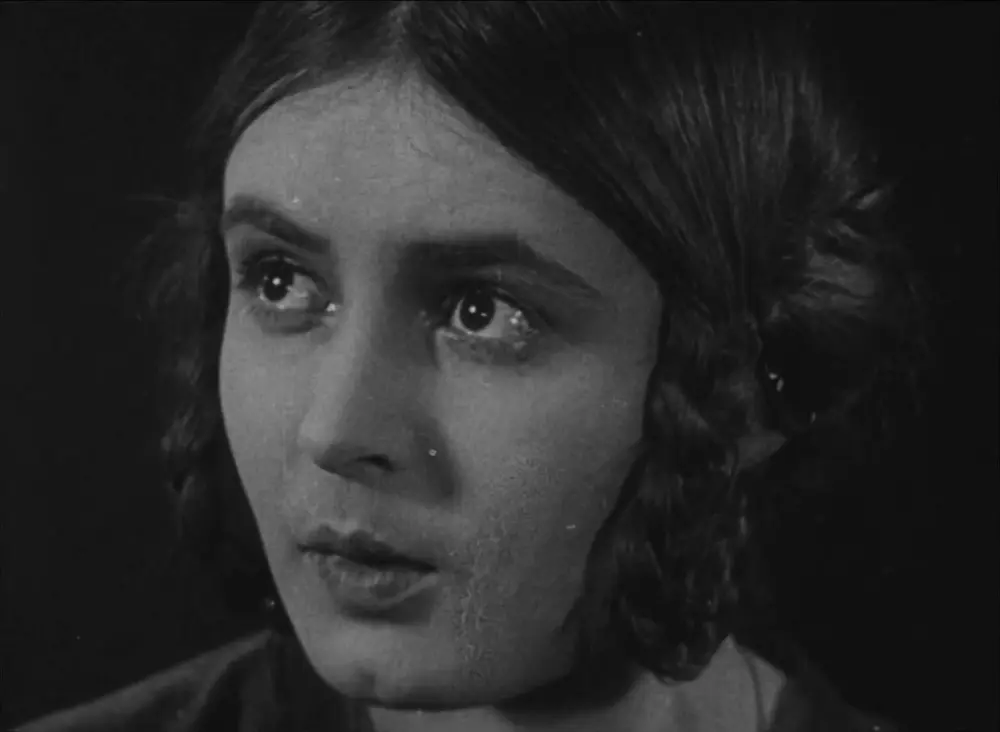
The acting in Gospoda Skotininy is a far cry from the subtle nuances we see in modern cinema, yet it is perfectly calibrated for its purpose. Varvara Massalitinova as Prostakova is a revelation. She doesn't just play the role; she embodies the very concept of reactionary greed. Her movements are sharp, her facial expressions exaggerated to the point of being terrifying. She is the anchor of the film, providing a center of gravity for the more chaotic elements around her.
Then there is the character of Skotinin himself. His obsession with pigs is not treated as a mere quirk but as a profound character flaw that links him to the animal kingdom. The film frequently uses cross-cutting between Skotinin and his prized swine, a technique that was revolutionary at the time. It’s a blunt metaphor, but it works. It reminds the viewer of the visual experimentation found in Satan's Rhapsody, though with a much more grounded, political intent.
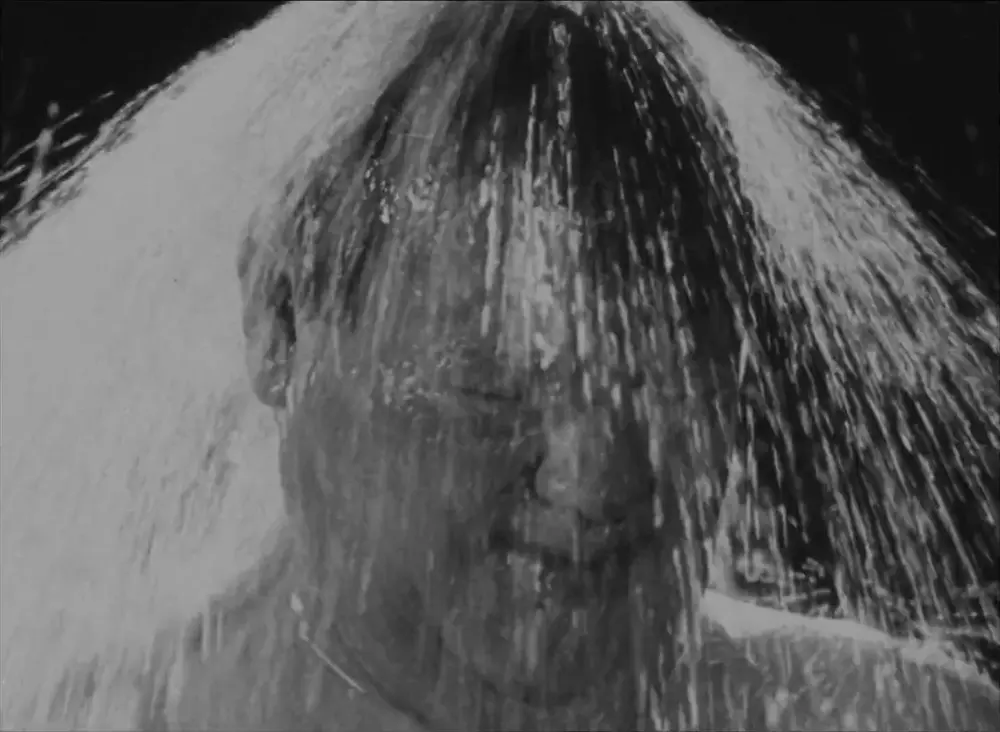
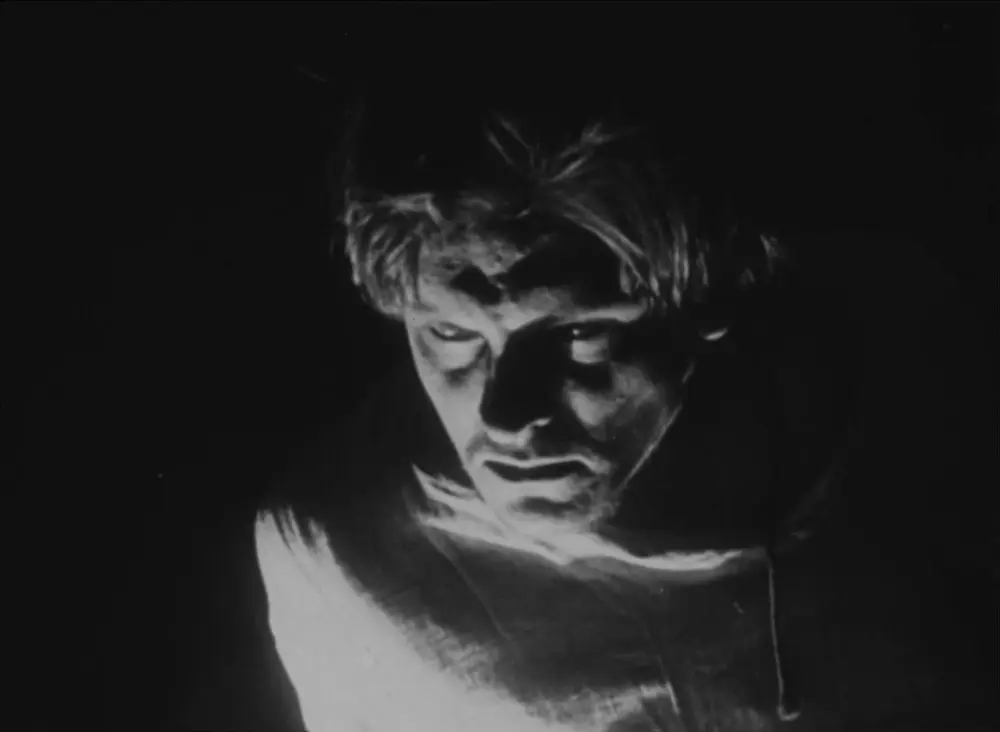
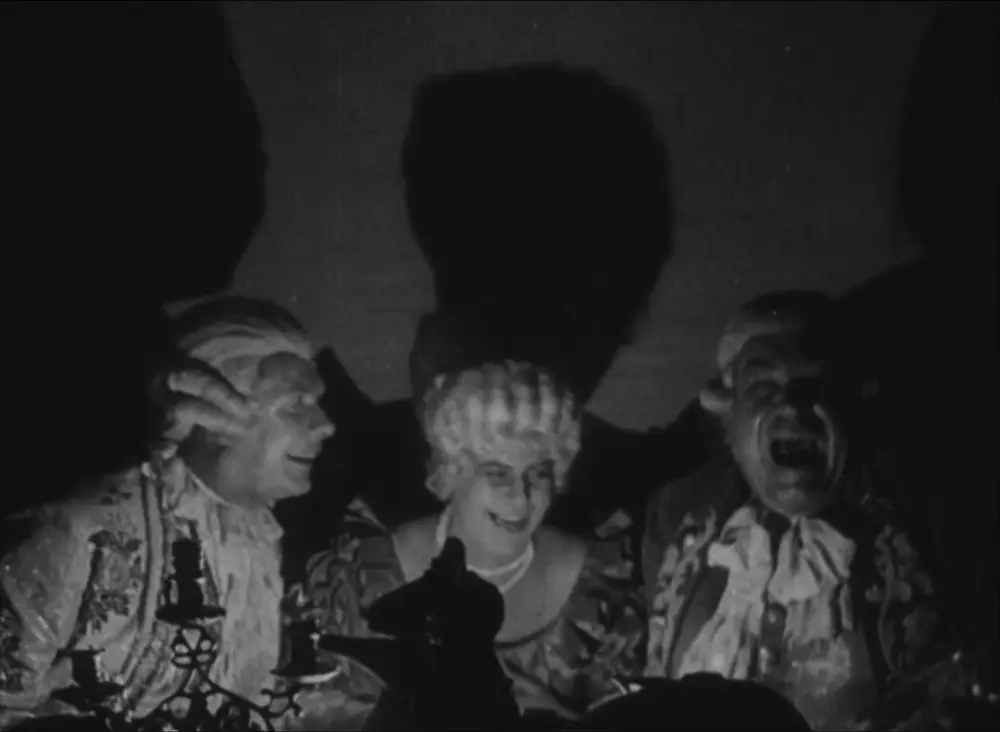
Visually, the film struggles with its theatrical roots, but it often breaks free in surprising ways. The lighting is particularly noteworthy. High-contrast shadows are used to carve out the features of the Skotinin family, making them look like living woodcuts. This aesthetic choice elevates the film from a simple adaptation to a piece of visual art. It shares a certain grim morality with Nathan der Weise, though Gospoda Skotininy is far more cynical in its execution.
The pacing is deliberate, perhaps too much so for the uninitiated. There are long stretches where the camera simply observes the mundane cruelty of the household. However, these moments are necessary to build the atmosphere of stagnation. When the film does move, it moves with a purpose. The climax, involving the failed marriage plot, is edited with a frantic energy that mirrors the collapse of the Skotinin’s world. It is a controlled chaos that showcases Stroyeva’s burgeoning talent as a director.
We cannot discuss Gospoda Skotininy without addressing its political context. Produced in 1926, the film was a tool for the Soviet state to mock the 'old world.' However, it manages to be more than just propaganda. By focusing on the universal themes of greed and the refusal to learn, it maintains a level of relevance that many of its contemporaries lost. It’s a brutal critique of a class that believes its status is divinely ordained, unaware that the floor is being pulled out from under them.
The film is a blunt instrument. It does not seek to find the humanity in its villains. Instead, it holds them up as warnings. This lack of empathy might be off-putting to some, but it is entirely consistent with the film’s mission. It works. But it’s flawed. The purity of its message sometimes comes at the expense of character depth, especially in the case of Sophia and Starodum, who often feel like mouthpieces for 'correct' thinking rather than living people.
Pros:
Cons:
Watching Gospoda Skotininy today is like looking through a telescope at a dying star. You can see the brilliance of the artistic explosion, but you also feel the coldness of the vacuum it left behind. It’s a film that demands your attention but doesn't necessarily want your affection. It is a harsh, jagged piece of cinema that reflects the era of its birth with startling clarity.
Compared to other silent era adaptations like The Leavenworth Case, which focuses on plot-driven mystery, Gospoda Skotininy is far more concerned with the soul of a nation. It is a morality play stripped of its religious overtones and replaced with a socio-political urgency. The pigs, the mud, and the distorted faces are all part of a larger tapestry of decline.
Gospoda Skotininy is a triumph of style over sentiment. It is a difficult film, filled with characters that are impossible to like, but it is precisely this difficulty that makes it worth watching. It captures the essence of Fonvizin’s satire while adding a layer of cinematic grit that only the 1920s could provide. It isn't a masterpiece in the traditional sense, but it is a vital piece of film history that deserves to be remembered for its uncompromising vision of human folly. The Skotinins may be long gone, but their spirit—that mixture of greed and willful ignorance—remains a ghost that haunts us still. It’s a brutal, essential watch for the brave cinephile.
IMDb 6.6
1921
Community
Log in to comment.