DbcultAccessing Vault...
6.2/10
Senior Film Conservator
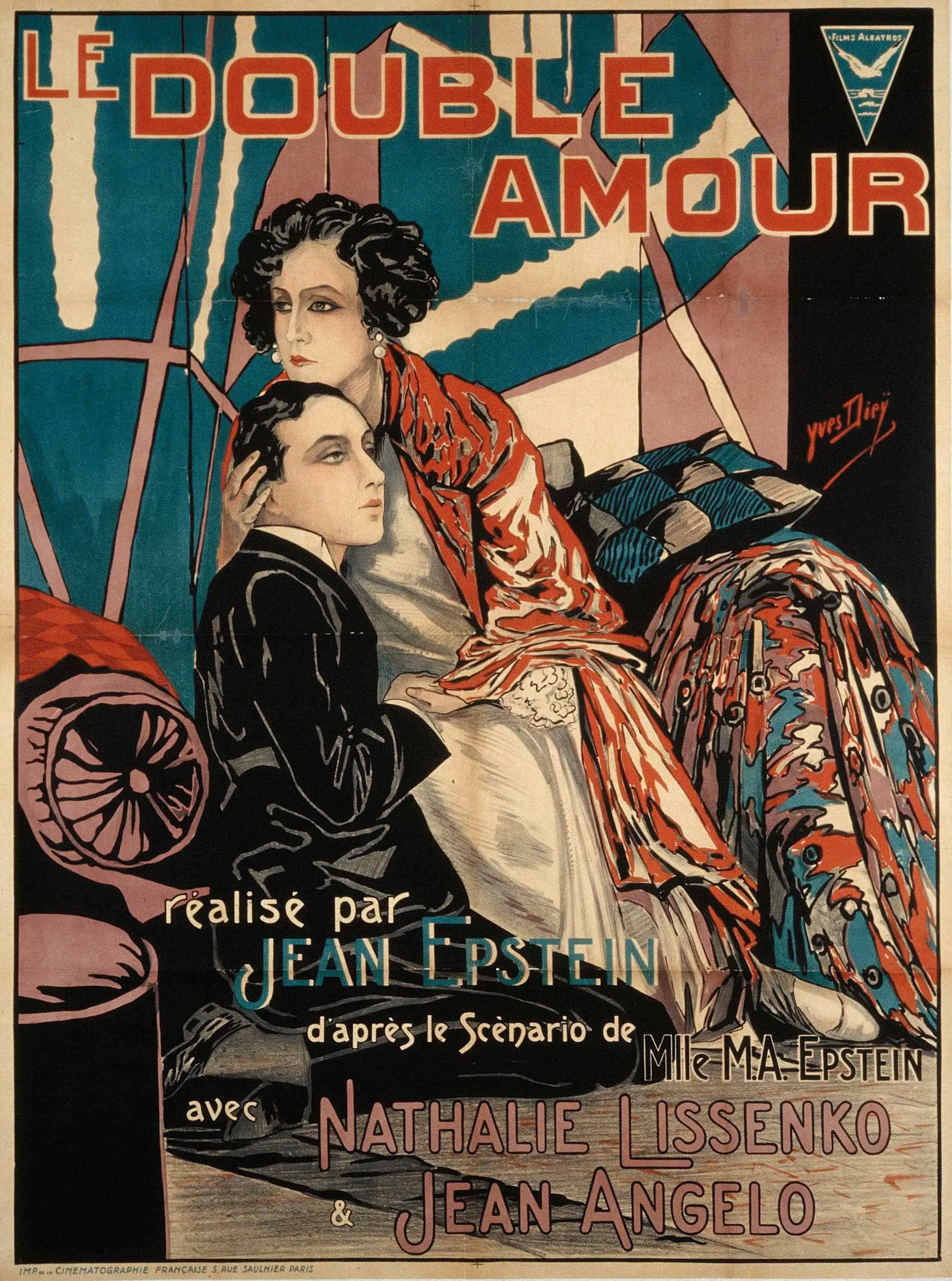
A definitive 6.2/10 rating for a film that redefined the boundaries of cult cinema. Le double amour remains a cornerstone of transgressive art.
In the pantheon of the French silent avant-garde, few entities possess the enigmatic allure of the Albatros film company. Established by Russian exiles fleeing the Bolshevik Revolution, the studio became a crucible where Slavic emotional intensity fused with Gallic formal experimentation. At the heart of this intersection stands Le double amour (1925), a film that breathes with the restless, rhythmic pulse of Jean Epstein’s direction. It is not merely a melodrama; it is a visual symphony of social decay, a work that interrogates the parasitic nature of the leisure class with a ferocity that remains startlingly modern.
To understand Le double amour, one must first surrender to the face of Nathalia Lissenko. As Laure Maresco, Lissenko provides the film with its moral and emotional gravity. Unlike the theatrical histrionics common in contemporary Hollywood productions like Eyes of Youth, Lissenko’s performance is one of profound interiority. Epstein, ever the theorist of photogénie, utilizes the close-up not just to record plot, but to capture the microscopic fluctuations of a soul in torment. Her Laure is a woman caught in a temporal vice, squeezed between the sins of a lover and the identical failings of a son.
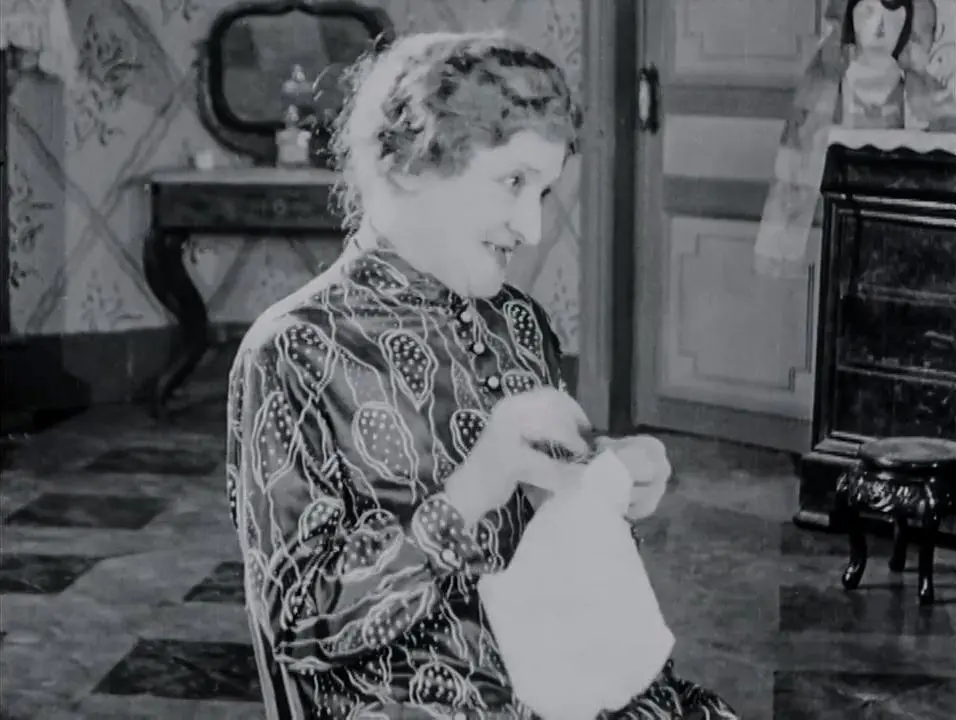
The film’s visual language is a masterclass in atmospheric storytelling. The gambling dens of the Riviera are not depicted as mere rooms, but as predatory ecosystems. Through Epstein’s lens, the spinning roulette wheels and the frantic shuffling of cards take on a kinetic, almost hallucinatory quality. This is where the film distinguishes itself from standard social dramas of the era. While a film like The Danger Line might focus on the external repercussions of scandal, Epstein is far more interested in the internal disintegration of his protagonist. The shadows in the Maresco estate seem to lengthen as the family’s moral capital evaporates, creating a chiaroscuro effect that mirrors the darkening of Laure’s hopes.
The screenplay, co-written by Marie Epstein, meticulously deconstructs the myth of the 'noble' gambler. Jacques Decourt, the initial architect of Laure’s misery, is portrayed with a chilling lack of sentimentality. His addiction is not a romantic flaw but a corrosive force that treats Laure’s affection as a collateral asset. When the narrative jumps forward twenty years, we see the same patterns emerging in Laure’s son. This cyclical nature of trauma suggests a hereditary rot within the aristocracy—a theme also explored, albeit in a different social register, in The Third Generation.
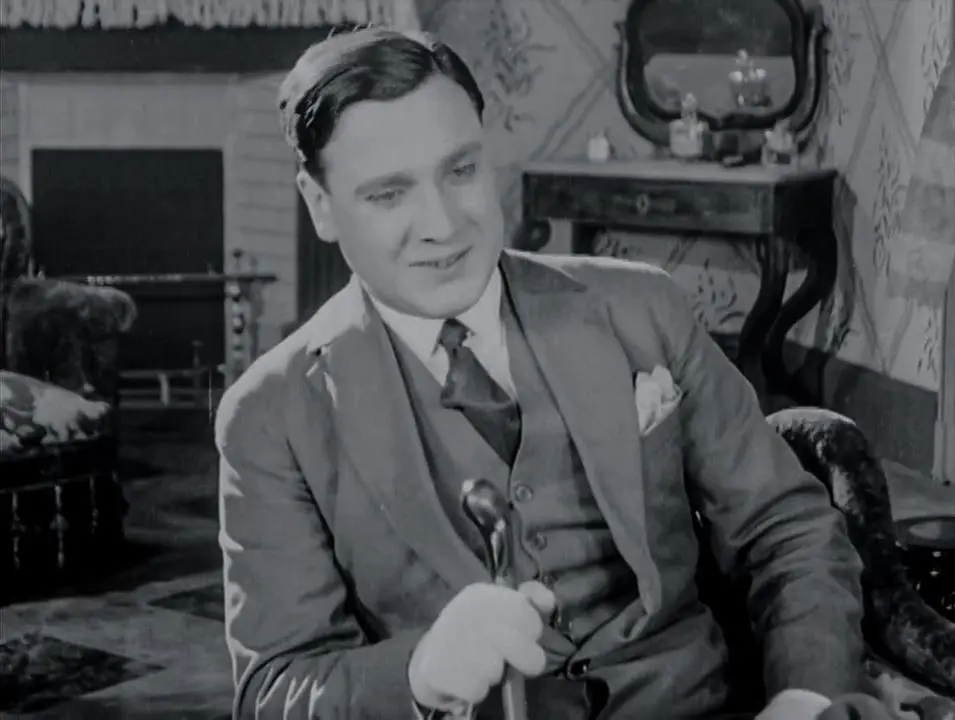
Epstein’s critique of wealth is subtle yet devastating. The 'double love' of the title refers to Laure’s devotion to these two men, but it also points to the double standard inherent in their society. The men are allowed their 'vices' as long as they can pay; the woman, however, is expected to maintain the facade of bourgeois respectability while quietly financing their ruin. There is a sequence in the second half of the film where the son’s desperation mirrors his father’s past actions so closely that the film achieves a haunting, ghost-like quality. The editing here is rapid, almost breathless, echoing the frantic pacing of The West~Bound Limited, but applied to psychological rather than physical peril.
What elevates Le double amour above the fray of 1920s cinema is Epstein’s refusal to rely on intertitles to convey complex emotion. He trusts the image. There is a sequence involving a necklace—a classic trope of the genre—that is handled with such visual sophistication that it feels entirely fresh. The way the light catches the gems, contrasting with the dull, weary eyes of Laure, tells us everything we need to know about the hollowness of material possession. This focus on the symbolic weight of objects reminds one of the delicate emotional textures in Naked Hearts or the legalistic claustrophobia of The Majesty of the Law.
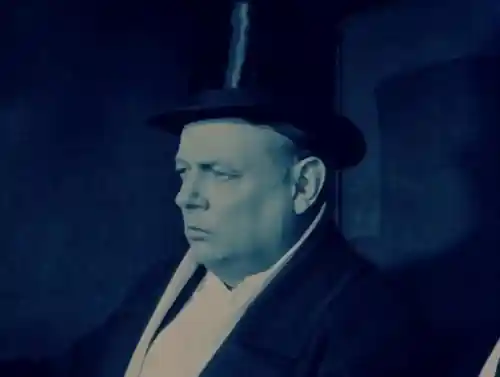
The supporting cast, including Pierre Batcheff (who would later gain immortality in Un Chien Andalou), provides a sturdy framework for Lissenko’s central turn. Batcheff brings a fragile, nervous energy to the role of the son, making his descent into the gambling underworld feel inevitable rather than merely convenient for the plot. The chemistry between mother and son is fraught with a tension that borders on the uncomfortable, a testament to Epstein’s willingness to explore the darker corners of the human psyche. This isn't the sanitized family dynamic seen in The Little Girl That He Forgot; this is a relationship strained to the breaking point by shared shame and unspoken resentment.
As we analyze the film today, its place within the Impressionist movement is undeniable. Epstein uses superimpositions and blurred focus to represent the intoxicating and disorienting effect of the casino floor. It is a sensory experience that demands the viewer feel the vertigo of the gambler. While other films of the era, such as Charge It to Me, dealt with financial irresponsibility as a light comedic hook, Le double amour treats it as a terminal illness. The film shares a certain spiritual kinship with A kuruzsló in its depiction of individuals mesmerized by destructive forces they cannot control.
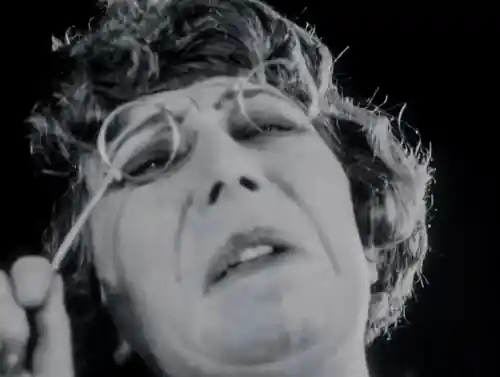
The pacing of the film is deliberate, perhaps even challenging for modern audiences accustomed to the hyper-kinetic editing of contemporary thrillers. However, for those willing to sit with the silence, the rewards are immense. The film’s final act, which deals with the inevitable collision of Laure’s past and present, is handled with a restraint that is deeply moving. There are no easy resolutions here. Unlike the sentimental conclusions of The Seven Swans or the romanticized struggles in The Betrothed, Epstein leaves us in a state of contemplative melancholy. He suggests that while love can endure, it cannot always heal the fractures caused by a lifetime of systemic hypocrisy.
Ultimately, Le double amour is a film about the things we inherit—not just wealth or titles, but the psychic debts of our predecessors. It is a film about whispers, much like the aptly titled Whispers, where what is left unsaid carries more weight than the spoken word. The Albatros studio’s unique position as a hub for displaced artists allowed them to view French society with a detached, critical eye, and Epstein was the perfect director to translate that perspective into celluloid.
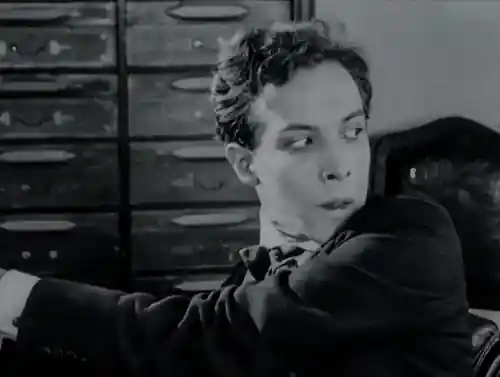
In comparison to the more straightforward narratives of Little Italy or the character studies in Real Adventure, Le double amour feels like a more complex, multi-layered beast. It is a film that demands multiple viewings to fully appreciate the interplay between the set design, the lighting, and the performances. Even the way the costumes are utilized—shifting from the extravagant gowns of Laure’s youth to the more somber, restrictive attire of her later years—speaks volumes about her loss of agency. It is a visual journey from light into a sophisticated, well-dressed darkness.
For the cinephile, this film is an essential piece of the puzzle that is 1920s European cinema. It bridges the gap between the melodrama of the past and the psychological realism of the future. It lacks the moralizing tone of The Brand of Lopez, opting instead for a nuanced exploration of human frailty. Jean Epstein did not just direct a movie; he captured the slow-motion collapse of an era. As the final frame flickers out, the viewer is left with the haunting realization that the 'double love' Laure harbored was a burden too heavy for any one soul to carry. It is a masterpiece of silent empathy, a testament to the power of the image to transcend time and language, and a stinging reminder that the most dangerous gambles are often the ones we take with the hearts of others.
IMDb —
1934
Community
Log in to comment.