DbcultAccessing Vault...
6.9/10
Senior Film Conservator
A definitive 6.9/10 rating for a film that redefined the boundaries of cult cinema. No Publicity remains a cornerstone of transgressive art.
Is No Publicity a forgotten gem of silent slapstick that warrants your attention in the modern age? Short answer: yes, but only if you have a refined palate for the specific, high-anxiety comedic timing of Edward Everett Horton. This isn't the sweeping, broad physical comedy of a Buster Keaton feature, but rather a surgical, character-driven farce that rewards close observation.
This film is for historians of the silent era and fans of 'nervous' comedy who enjoy seeing a protagonist slowly unravel under pressure. It is certainly NOT for those who require high-octane action or the polished, rapid-fire editing of contemporary sitcoms. It requires a certain level of patience to appreciate the subtle shifts in Horton's facial expressions as his deceptions begin to crumble.
1) This film works because it leverages Edward Everett Horton’s unique ability to play a man perpetually on the verge of a nervous breakdown, making the stakes of a simple photograph feel like a matter of life and death.
2) This film fails because the secondary characters, particularly the socialite, are underwritten, serving more as props for the gags than as actual participants in the narrative conflict.
3) You should watch it if you want to see a proto-paparazzi satire that predates the modern obsession with celebrity culture by nearly a century.
No Publicity is a fascinating artifact from 1927, a year when silent film had reached its technical and expressive zenith. While some films of the era, like Satan's Rhapsody, were leaning into heavy symbolism and operatic drama, No Publicity stays grounded in the frantic reality of the working man. Eddie, our protagonist, is not a hero; he is a professional intruder. This gives the film a slightly cynical edge that feels surprisingly modern.
The direction by the uncredited hand (though credited writers Thomas J. Crizer and James D. Davis clearly had a firm grip on the structure) focuses heavily on the 'gatekeeper' dynamic. Aileen Manning, playing the guardian, is a towering presence of moral rigidity. The way she occupies the frame creates a literal barrier for Eddie, and much of the film’s visual humor comes from Eddie trying to find gaps in her physical and social armor. It works. But it’s flawed.
Unlike the sprawling narratives found in The Lost City, No Publicity thrives on its claustrophobia. Most of the action takes place within the confines of the lecture hall and its immediate surroundings. This limitation forces the writers to get creative with the deceptions. When Eddie attempts to pose as a maintenance man, the film shifts from a chase to a tense game of 'hide in plain sight,' a trope that would later be perfected in the sound era by the likes of Hitchcock, albeit with higher stakes.
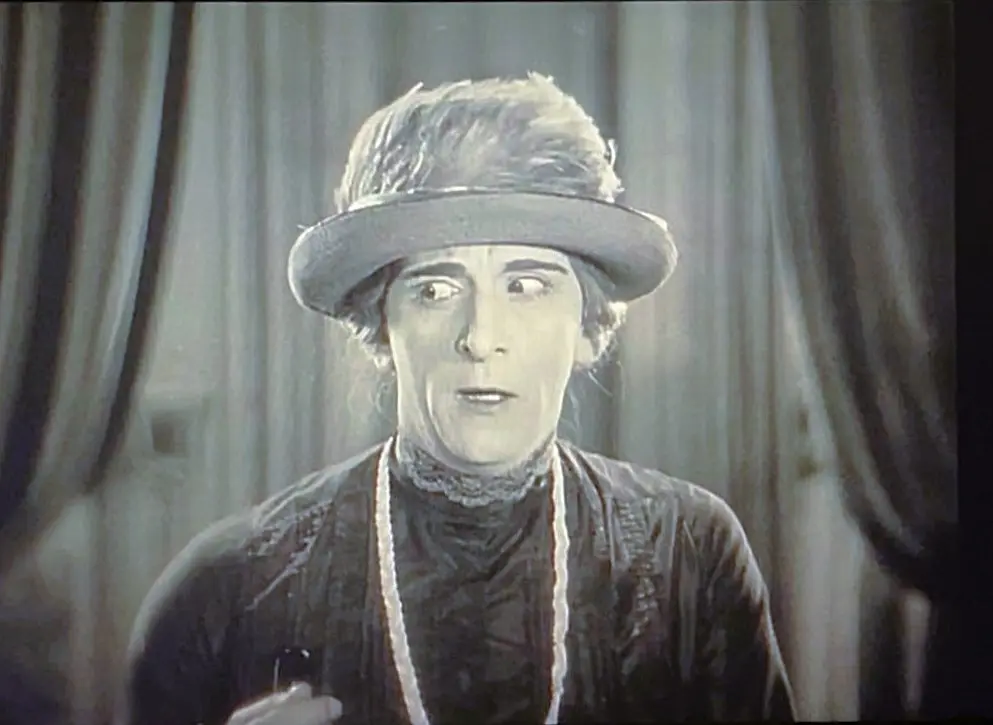
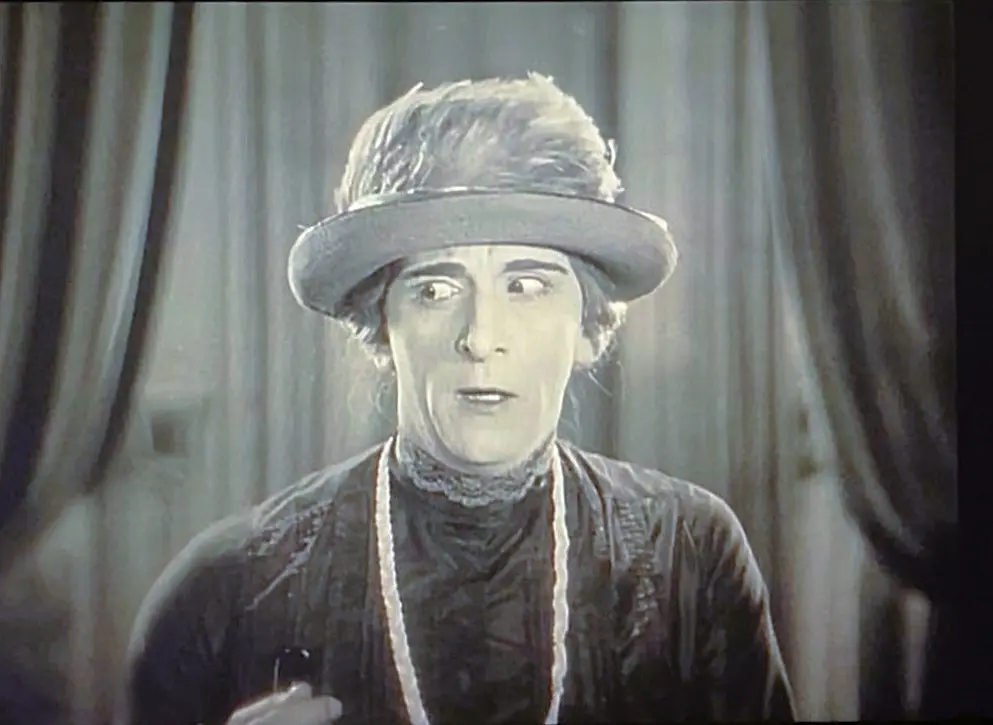
It is a bold claim, but I would argue that Edward Everett Horton’s performance here is more intellectually engaging than the standard slapstick of the mid-20s. While films like Chickens relied on broader situational humor, Horton brings a psychological depth to Eddie. You can see the gears turning in his head. You see the exact moment a lie is formed and the precise second he realizes it has failed.
His use of the 'double-take' is legendary, but in No Publicity, it is used with surgical precision. There is a specific moment when he is caught behind a curtain, and his reaction isn't one of terror, but of profound annoyance. It is this relatable human frustration that separates him from the more clownish figures of the era. He is the Everyman who is just trying to do his job, even if that job is inherently deceptive.
The cinematography by the Hal Roach regulars is clean and functional. It doesn't have the gothic shadows of The Gorgona or the epic scale of Thundergate, but it understands the geometry of a gag. The way the camera tracks Eddie as he skulks along the periphery of the lecture room highlights his status as an outsider. He is always on the edge of the frame, looking in, which perfectly mirrors his social status compared to the elite he is trying to photograph.
Is No Publicity still relevant for a modern audience?
Yes, No Publicity is worth watching because it provides a hilarious blueprint for the media-saturated world we live in today. It serves as a historical mirror to our current obsession with 'leaked' images and the invasion of privacy. While the technology has changed from hand-cranked cameras to smartphones, the desperation of the person behind the lens remains identical. It is a quick, 20-minute masterclass in physical timing and social satire.
The most brilliant stroke of the screenplay is the setting: a lecture on morals. This provides a rich subtext that elevates the film above a standard 'cat and mouse' comedy. As the lecturer speaks about the virtues of integrity and privacy, Eddie is actively violating those very principles to earn a paycheck. This creates a delicious tension that the film exploits for every ounce of humor.
Consider the scene where Eddie is forced to listen to a portion of the lecture while hiding. The juxtaposition of the high-minded rhetoric with Eddie’s frantic, sweaty attempts to remain unseen is a sharp critique of the hypocrisy of the era. The elite want to talk about morals, but they do so behind closed doors, while the 'lowly' press is the only thing bringing reality to the masses. It’s a cynical take that wouldn't feel out of place in a film like Mark It Paid.
Furthermore, the film touches on the concept of 'the guardian' as a fading Victorian relic. Aileen Manning’s character represents the old world—rigid, uncompromising, and obsessed with appearances. Eddie represents the new world—fast, deceptive, and driven by the commodification of personality. This thematic clash is what gives the film its staying power. It isn't just about a guy trying to take a picture; it's about the death of the Victorian era and the birth of the tabloid age.
The pacing of No Publicity is relentless. From the moment Eddie receives his assignment, the film never stops to catch its breath. This is a stark contrast to the more deliberate pacing of films like Nathan der Weise. Every scene serves to advance the central conflict: Eddie vs. The Guardian. There is no 'B' plot, no unnecessary romantic subplot (despite the presence of Ruth Dwyer), and no filler.
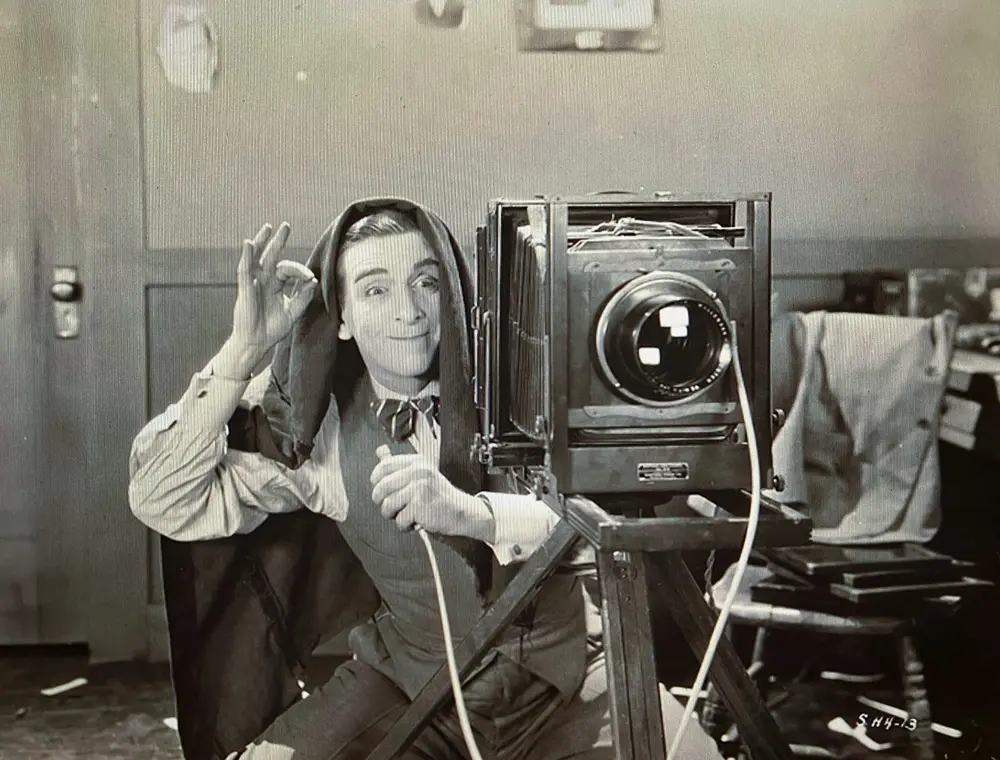
One of the standout technical elements is the use of props. Eddie’s camera itself becomes a character—a heavy, cumbersome beast that he must conceal and maneuver. The physical comedy derived from the sheer size of 1920s photographic equipment is a recurring highlight. In one scene, he tries to disguise the tripod as part of a floral arrangement, a gag that requires immense coordination and timing to pull off without looking overly staged.
"No Publicity is a rare example of a silent short that understands the inherent comedy of the professional grind. It treats the invasion of privacy not as a crime, but as a high-stakes sport."
Pros:
Cons:
When placed alongside other films of the time, No Publicity stands out for its lack of sentimentality. While The Little Boy Scout might lean into more wholesome themes, and Pleasure Seekers explores the moral decay of the youth, No Publicity is purely transactional. Eddie needs a photo; the guardian won't let him have it. This simplicity is its greatest strength.
It shares some DNA with Crossed Wires in its depiction of modern technology (or at least, modern for 1927) causing social friction. However, No Publicity is more focused on the human element of the deception. It’s about the sweat on Eddie’s brow and the twitch in his eye. It’s about the absurdity of a man in a tuxedo trying to crawl through a window without losing his dignity.
No Publicity is a sharp, efficient piece of filmmaking that proves you don't need a massive budget or a cast of thousands to create something memorable. It relies on the oldest trick in the book: a relatable protagonist in an impossible situation. While it may not have the historical weight of The Leavenworth Case or the sheer adventure of The Big Adventure, it excels in its own small, frantic corner of the cinematic world.
Edward Everett Horton is the engine that drives this film, and his performance alone is worth the price of admission. He transforms a simple cameraman into a tragicomic figure of the Jazz Age. If you can appreciate the beauty of a well-timed double-take and the irony of a 'morals' lecture being the site of a minor crime, then No Publicity is a must-watch. It’s a brisk, funny, and occasionally biting look at the lengths people will go to for a headline. It isn't perfect, and it doesn't reinvent the wheel, but it spins that wheel with incredible zest. It works. But it's flawed. And in that flaw, it finds its humanity.
IMDb 6.3
1937
Community
Log in to comment.