
DbcultAccessing Vault...
Listicle
Archivist John
Senior Editor
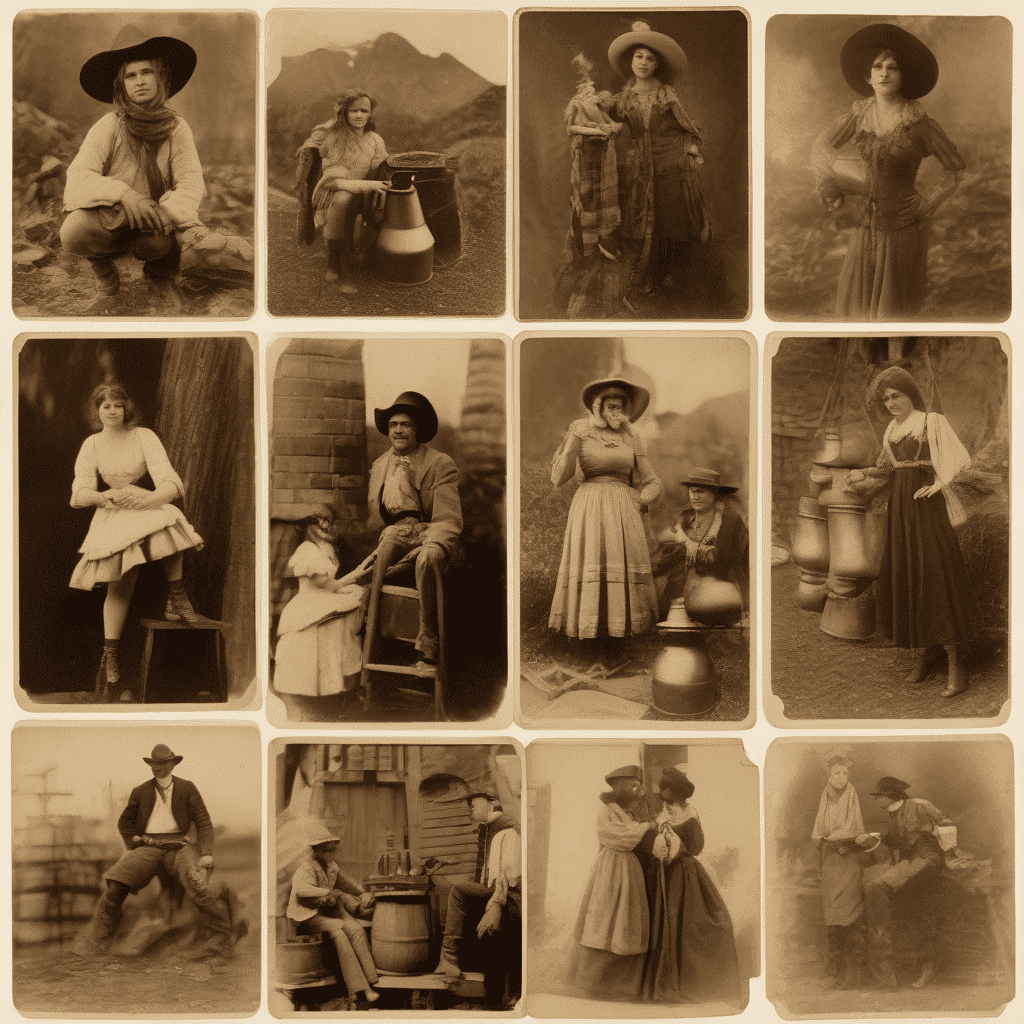
The 1910s weren’t just flickering stepping-stones to "talkies"—they were a decade of unbridled imagination, corset-busting heroines, and cliff-hanger plots that would make modern blockbusters blush. Below, we unearth ten one-reel and feature-length miracles that prove silent cinema was the original binge-worthy experience. Grab your popcorn (and maybe a fan for the fainting-couch moments) as we count down the wildest, most emotionally explosive hidden gems of the 1910s.
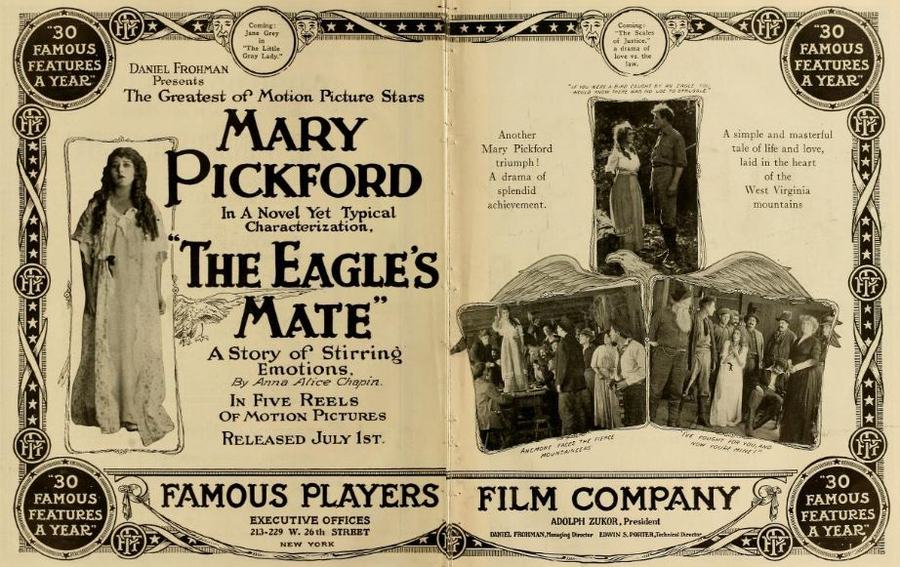
Think Rebecca meets Last of the Mohicans. Shot in the Allegheny Mountains, this Appalachian gothic pits a spirited mountain lass against a kidnapper with a jawline sharp enough to slice moonshine. The on-location cinematography—treacherous cliff edges, misty forests, and a log-bridge climax—still makes viewers gasp. Early audiences reportedly screamed when the heroine dangles over a ravine; today, the practical stunts feel more visceral than green-screen heroics. Read full review of The Eagle's Mate
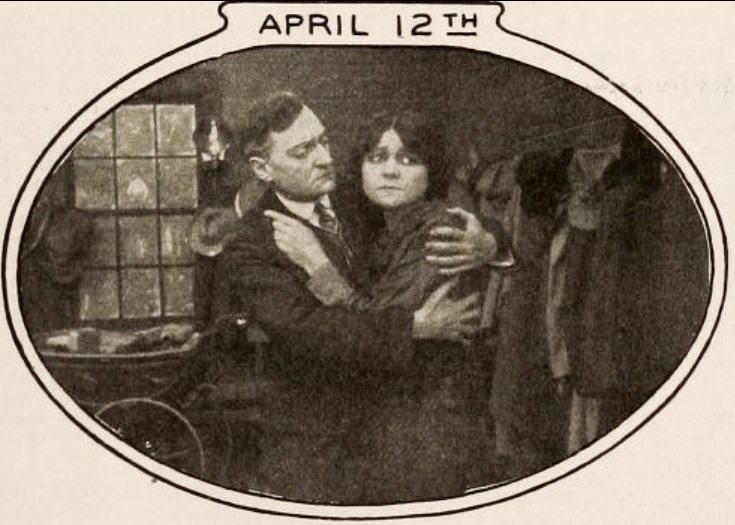
Long before The Princess Switch, this rootsy rom-com matched a cattle-roping cowboy with an East-Coast heiress desperate to escape her gilded cage. The film’s cross-country train sequences, shot on rolling stock loaned by the Santa Fe Railroad, give a kinetic jolt to the courtship. Watch for the campfire scene where the cowboy teaches the society gal to chew—yes, chew—tobacco; it’s a surprisingly sensual moment that censors of the day tried to snip. Read full review of The Cowboy and the Lady
What happens when a modest clerk wins the lottery? A morality play wrapped in silk top-hats, Sudden Riches skewers Gilded-Age materialism with proto-screwball energy. Director-screenwriter (name) employs iris-in shots to mimic the clerk’s tunnel-vision greed, then floods the frame with chaotic street parades once the money rolls in. The final reel’s reversal of fortune lands like a 2020 crypto-crash, proving that wealth anxiety is always in vogue. Read full review of Sudden Riches
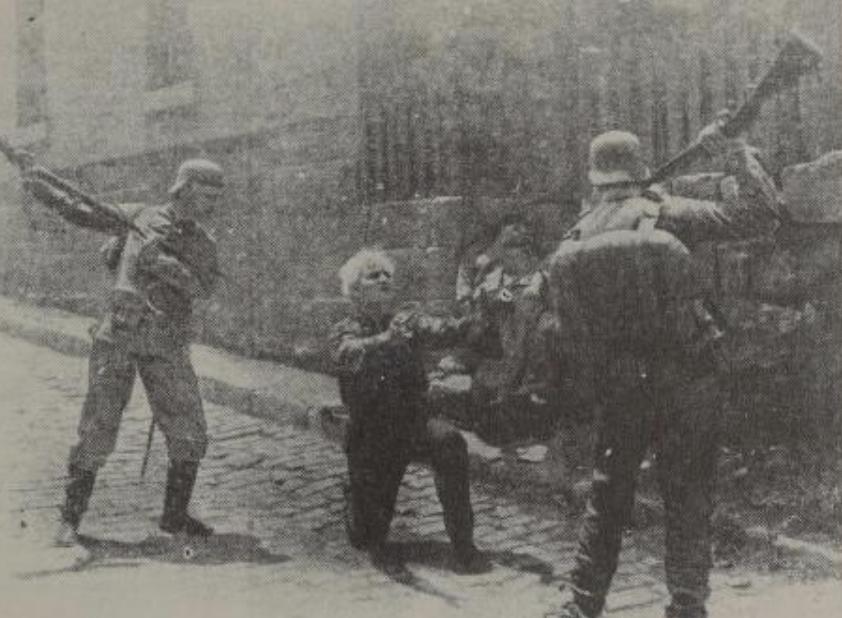
Two years before The Cabinet of Dr. Caligari, this fantasy epic bent reality without needing expressionist sets. Based on Maeterlinck’s play, it follows two children on a Technicolor-tinted quest for happiness—only to discover it was back home in grayscale. Hand-painted frames glow with sapphire feathers and rose-pink fireplaces; the effect feels like stepping into a living fairy-book. The film was such a milestone that Shirley Temple remade it in 1940, but nothing matches the ethereal silence of the original. Read full review of The Blue Bird
Before Tarzan ever let out his first yell, there was The Wild Girl, a riotous adventure about a tomboy raised by frontiersmen who swings from vines and outwits city slickers. The lead actress performed her own tree-top stunts, resulting in a broken ankle—and headlines that sold out theaters. The film’s feminist undertones (she proposes marriage, thank you very much) make it a surprising manifesto for Roaring-Twenties flappers-to-come. Read full review of The Wild Girl
Fairy-tale royalty disguised as a barnyard drudge? Check. A vindictive maid who steals her identity? Double check. This 40-minute adaptation of the Grimm tale packs more twists than some modern trilogies. Shot on a Bavarian-inspired set in New Jersey, the film’s matte-painted castles and real geese create a tactile storybook vibe. Cue the heart-fluttering moment when the real princess regains her crown—accompanied by a flock of honking allies that would make Disney jealous. Read full review of The Goose Girl
Bring hankies. This three-hankie weeper stars a factory girl who takes the fall for her boss’s embezzlement to save his family’s reputation. Flashbacks-within-flashbacks, a courtroom confession, and a final train-station farewell are delivered with title-card poetry that rivals Shakespearean sonnets. The film’s tinted sequences—amber for memories, blue for despair—turn the emotional dial to eleven, proving that silence can speak louder than dialogue. Read full review of Her Silent Sacrifice
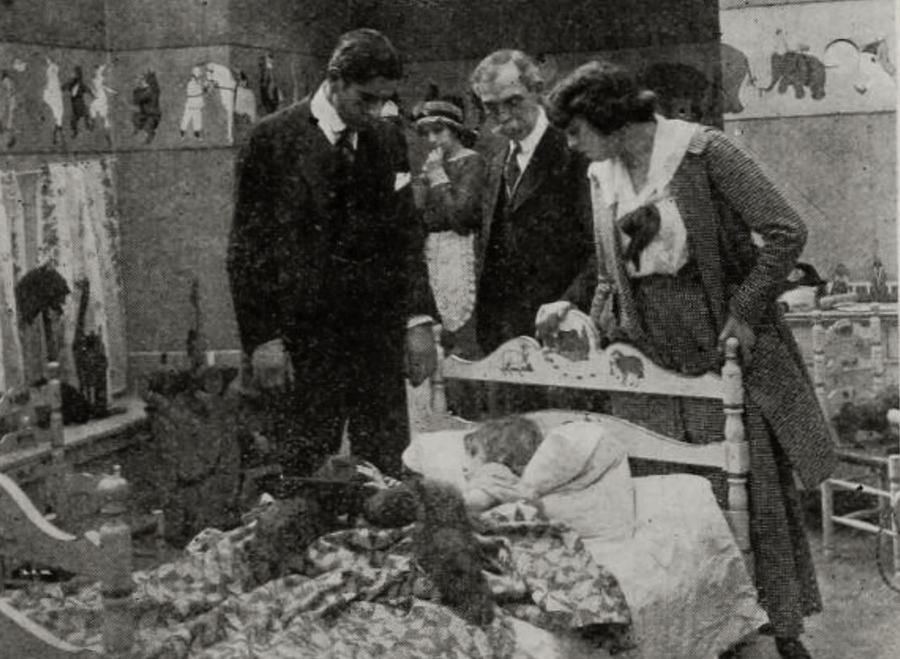
Civil War espionage, secret tunnels, and a heroine who rings a cathedral bell to warn her Union lover—The Heart of Maryland has it all. Shot on location in Baltimore, the production gained access to the historic St. Alphonsus Church, whose 200-foot bell tower becomes the film’s nerve-shredding centerpiece. As the rope frays and the bell tolls, intercut shots of marching troops ramp up the ticking-clock tension. It’s basically Speed with petticoats. Read full review of The Heart of Maryland
Shot during the 1913 polio scare, this short may be the first pandemic thriller ever filmed. A doctor races to find a serum while masked vigilantes barricade streets—eerily mirroring 2020 headlines. Double-exposed ghost images of the disease’s "spirit" hovering over victims show an experimental flair that wouldn’t look out of place in an A24 horror film today. At only 18 minutes, it’s a masterclass in economical storytelling and proof that history repeats itself, frame by frame. Read full review of During the Plague
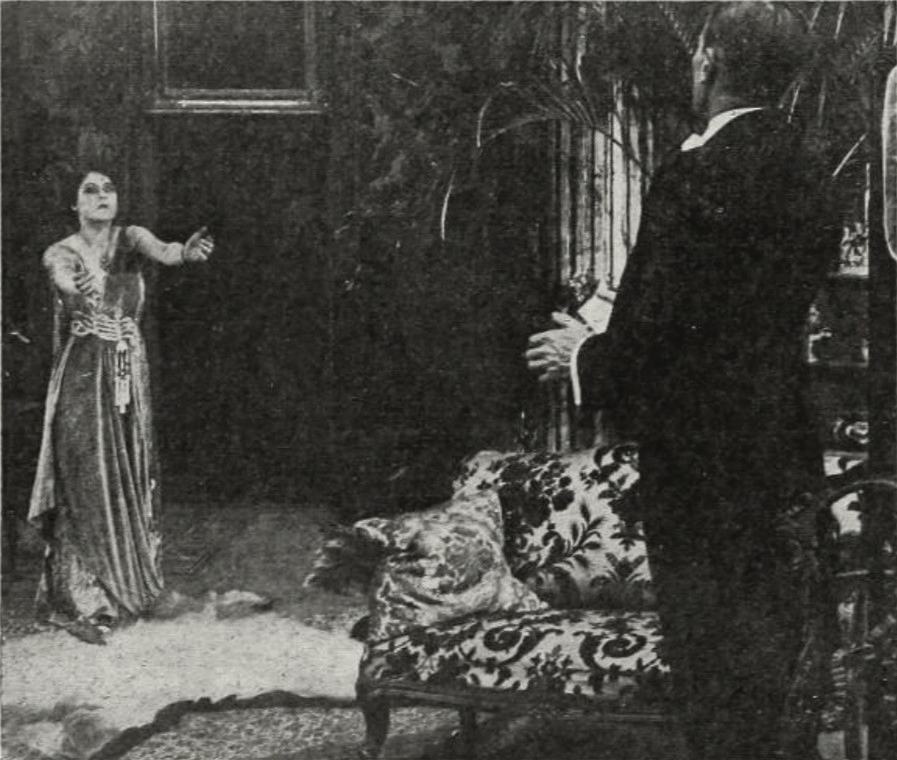
Equal parts sci-fi and social satire, this proto-Handmaid’s Tale imagines a future where women have gone on strike, refusing to birth children until society reforms. The film’s matte-painted skyline of "New York 1970" features dirigibles and glass walkways, all rendered in stunning detail for 1914. When the male government caves and grants equal pay, the final intertitle proclaims, "The cradle rocks again, but this time on a foundation of justice." If that line doesn’t ignite a standing ovation, your heart is officially silent. Read full review of The Daughters of Men
Ready to time-travel? These ten silents prove that the 1910s were anything but primitive—they were the launchpad for every genre twist we binge today. Stream restored versions when available, or hunt down archival Blu-rays; your inner cinephile will thank you louder than a cathedral bell.