
Cult Cinema
The Alchemical Afterlife: Unearthing the Primal Weirdness and Maverick Rhythms of Cinema’s First Rebellious Century
“A deep-dive exploration into how the forgotten anomalies and transgressive narratives of early silent cinema laid the groundwork for the modern cult movie phenomenon.”
Cult cinema is not a genre; it is a ghost that refuses to be exorcised. It is the persistent flicker of a nitrate reel that was supposed to be forgotten, the celluloid residue of voices that were too loud, too strange, or too transgressive for the polite society of their time. Long before the midnight movie circuits of the 1970s or the VHS-trading circles of the 1980s, the DNA of the cult obsession was being forged in the silent era. Between 1910 and 1925, a series of maverick filmmakers and narrative mutants began to sculpt what we now recognize as the cult aesthetic—a blend of social defiance, visual experimentation, and a raw, unyielding devotion to the weird.
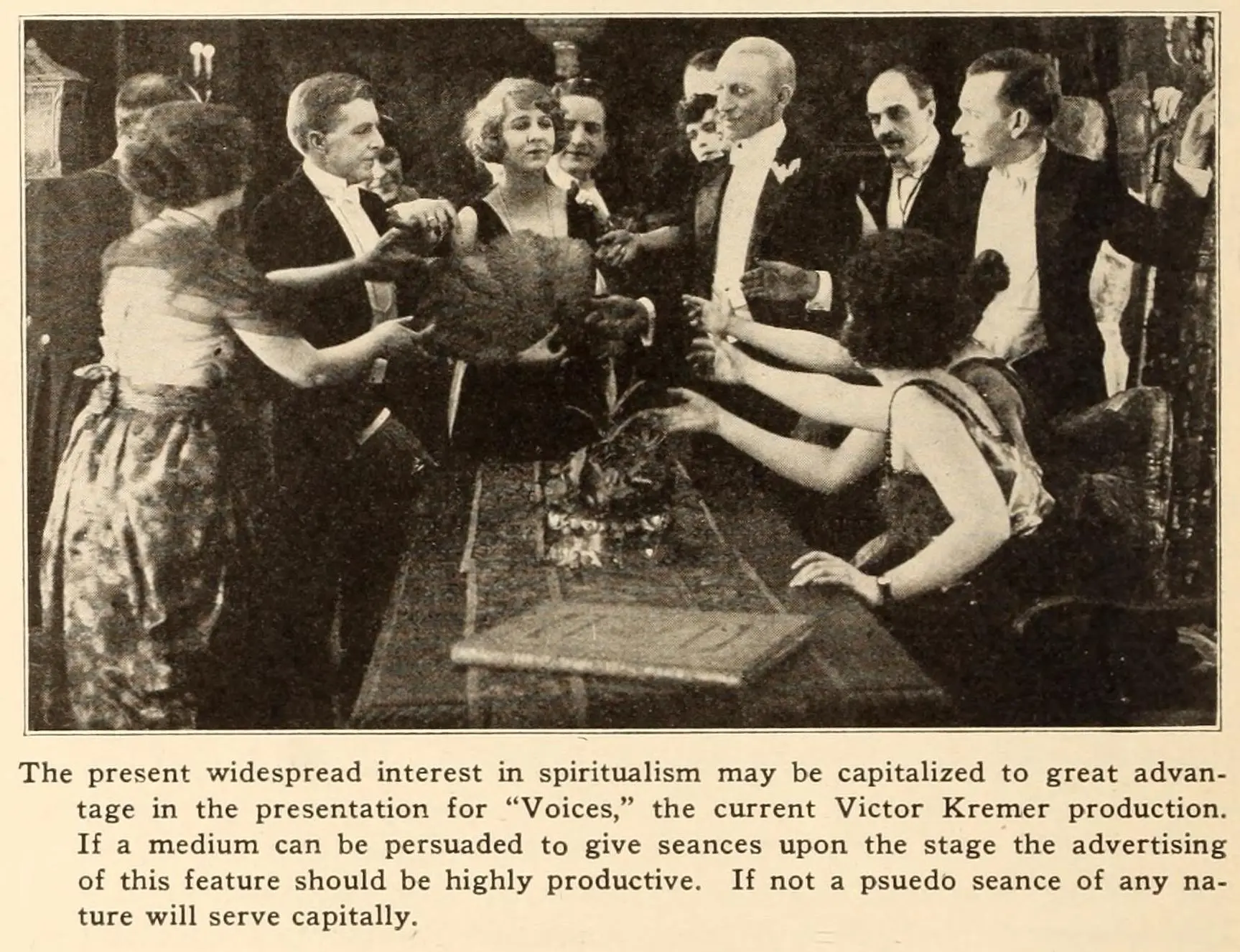
The Outlaw Spirit: Defining the Fringe in the 1910s
To understand the modern cult devotee, one must first look at the cinematic outlaws of the early 20th century. These were films that didn't just tell stories; they challenged the moral status quo. Consider the gritty underworld depicted in The Shoes That Danced (1918). This isn't just a story about a shopgirl in love; it is a descent into the territory of the Hudson Dusters, a real-life New York street gang. By centering the narrative on the "Harmony Lad" and the violent rituals of the Pepper Box cabaret, the film prefigured the fascination with street-level delinquency that would later define films like The Warriors. It captured a specific, dangerous subculture, inviting the audience into a space they were never meant to inhabit.
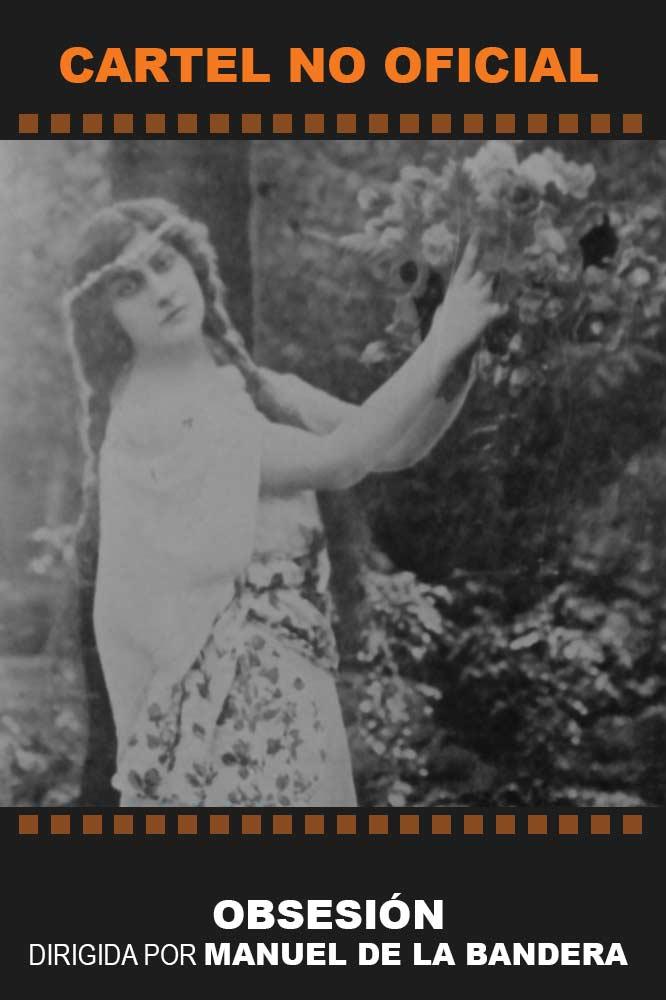
This theme of the fugitive—the man or woman on the run from a society that cannot understand them—is a cornerstone of cult worship. In Until They Get Me (1917), we see the protagonist Kirby killing a man in self-defense and becoming a permanent outsider. This narrative of the righteous fugitive resonates through the decades, echoing in the hearts of those who feel marginalized by the mainstream. The film’s focus on the tension between personal justice and the law created a blueprint for the anti-hero, a figure that cult audiences would eventually adopt as their patron saint.
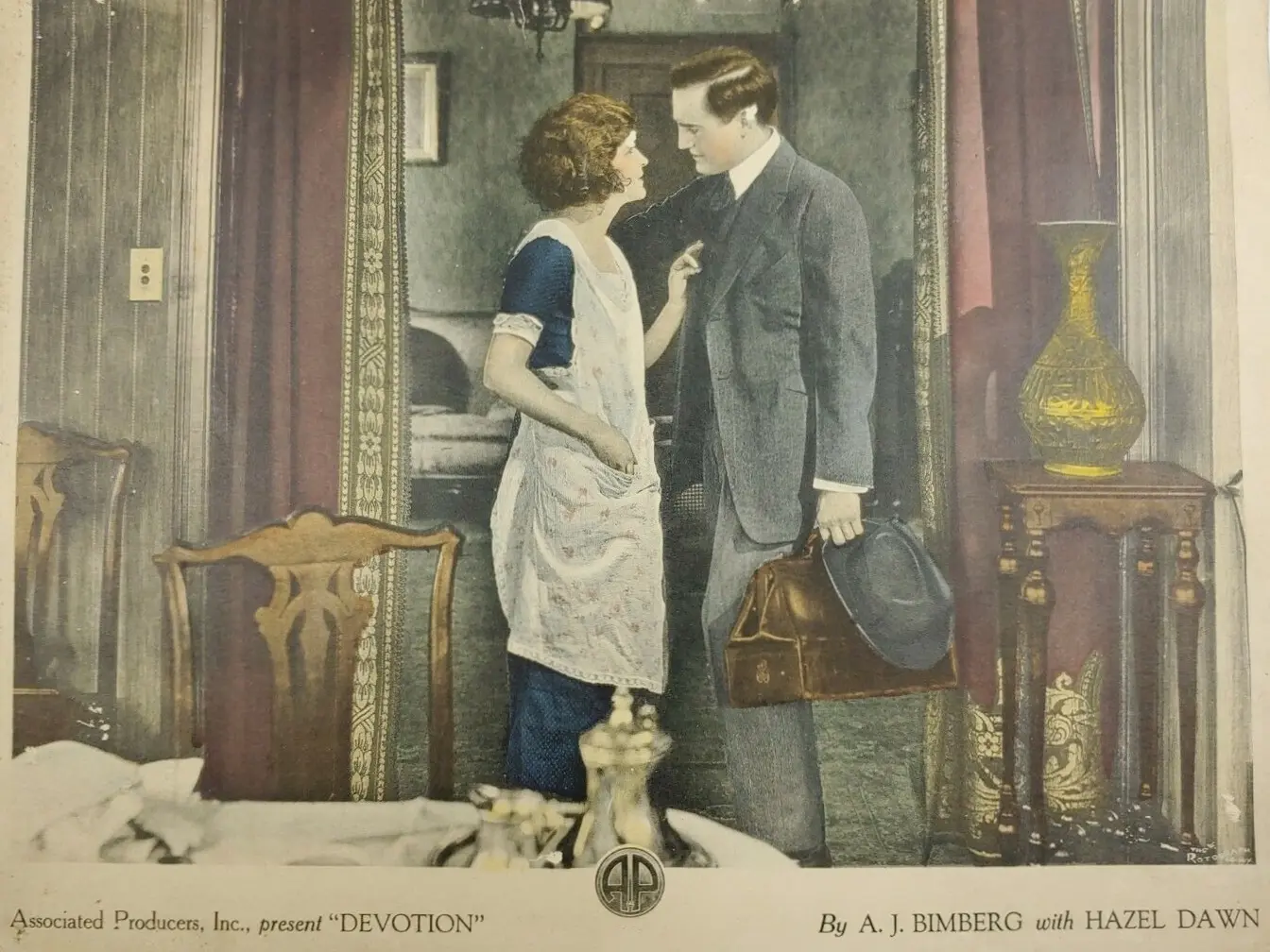
The Aesthetics of Technical Deviancy
Cult cinema has always been obsessed with the *texture* of the image. When we look at Kodachrome Two-Color Test Shots No. III (1922), we aren't just looking at a documentary short; we are witnessing the birth of a visual obsession. These experimental tests by Eastman Kodak represent the primal urge to push the medium beyond its perceived limits. The strange, hyper-saturated hues of early color experiments created an otherworldly atmosphere that felt more like a dream than a record of reality. This same spirit of technical experimentation would later define the works of Kenneth Anger or David Lynch—directors who use the very grain of the film to evoke a sense of the uncanny.
Social Transgression and the Moral Underground
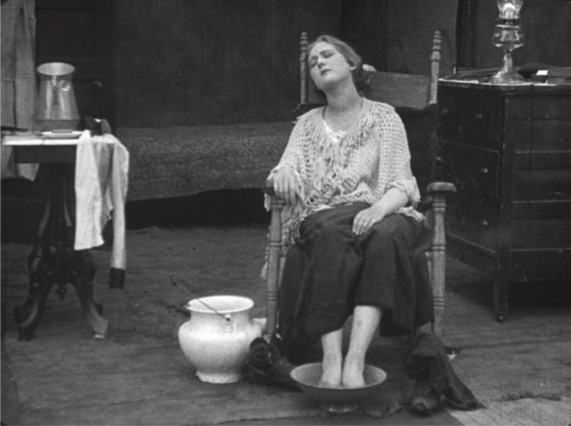
The early 1920s were a period of intense moral flux, and the cinema of the time reflected this through narratives of profound social transgression. The Merry-Go-Round (1920) is a prime example of this "dangerous" cinema. By following the tragic trajectory of Elena, a street walker who attempts to find redemption through marriage only to be dragged back down by her former pimp, the film confronted audiences with the harsh, unvarnished realities of the urban underbelly. The final act—a double tragedy of poisoning and shooting—refused the easy catharsis of the typical Hollywood ending, a hallmark of the cult sensibility that favors bleak truth over manufactured joy.
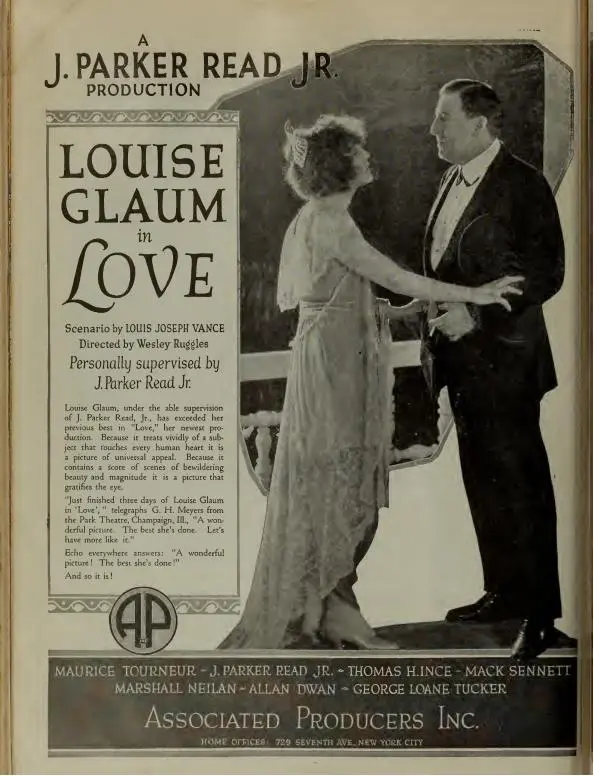
Similarly, the work of Theda Bara in When a Woman Sins (1918) pushed the boundaries of the "Vamp" archetype. Casting the era's most notorious femme fatale as a nurse who drives men to suicide before seeking redemption through marriage to a priest was a radical subversion of religious and social norms. It played with the sacred and the profane in a way that felt dangerous to contemporary moralists, ensuring its place in the secret history of the cinematic underground. This narrative of the "fallen woman" was further explored in Not My Sister (1916), where the desperation of poverty leads to a model's seduction and a lifetime of hidden shame, highlighting the systemic failures that the mainstream preferred to ignore.
The Weird and the Speculative: Early Sci-Fi Roots
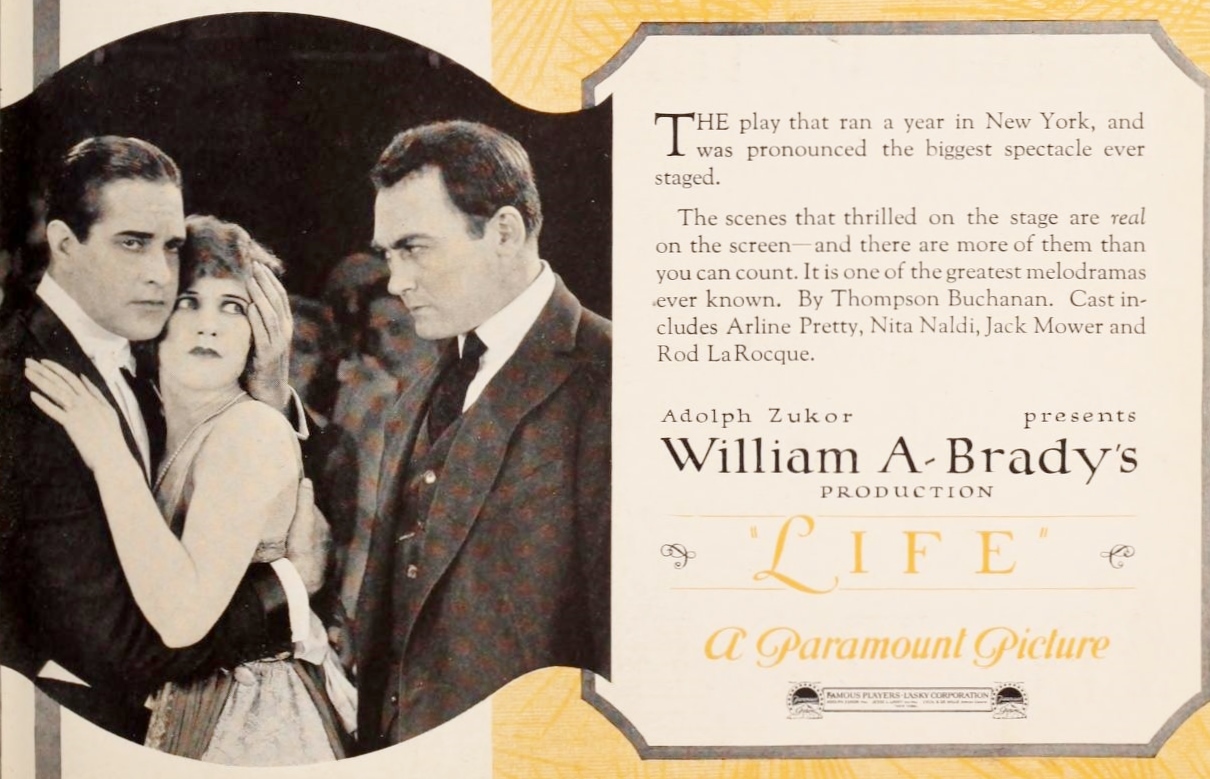
Every cult movement needs a touch of the fantastic, a departure from the mundane that opens the door to the impossible. The First Men in the Moon (1919) offered this in spades. Long before CGI, the inventor of a space sphere flying to the moon and being marooned by a crooked financier provided a visual and narrative spectacle that captured the imagination of the fringe. It was a film that dared to look upward while others looked at the dirt, much like the cult audiences who would later flock to Plan 9 from Outer Space or 2001: A Space Odyssey. The sense of isolation and the "otherness" of the lunar landscape established a mood of cosmic loneliness that remains a recurring theme in niche cinema.
Identity, Duality, and the Misfit Narrative
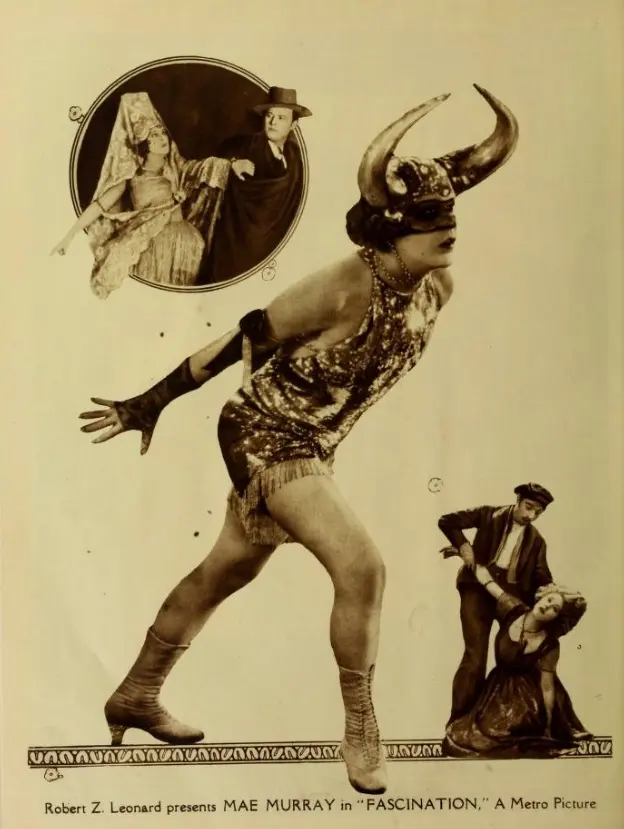
The struggle for identity is perhaps the most potent fuel for cult devotion. Many of these early films dealt with the idea of the "double" or the man out of place. A Law Unto Himself (1916) utilized the striking resemblance between a sheriff and a surveyor to explore the fragility of reputation and the ease with which a life can be stolen. This obsession with the doppelgänger and the hidden self is a direct ancestor to the psychological thrillers that dominate cult lists today. It asks the viewer: *Who are you when no one is looking?*
On the lighter but no less influential side, we find the "misfit" comedies. String Beans (1918) features Toby Watkins, a fanciful poet whose uncle finds him exasperating. Toby’s journey from the farm to the city as a subscription solicitor is a classic tale of the misunderstood artist trying to find his tribe. Cult cinema thrives on these characters—the dreamers like Toby or the impoverished young man in Boys Will Be Boys (1921) who suddenly finds himself wealthy and decides to engage in "riotous living" to make up for his lost youth. These films celebrate the rejection of adult responsibility and the embrace of a chaotic, joyful existence, a theme that would reach its zenith in the counter-culture films of the 1960s.
The Lost Reels and the Power of Absence
Part of the cult allure is the mystery of what we *cannot* see. The Eleventh Hour (1912), an Australian silent film now considered lost, exists only in the imagination of film historians and enthusiasts. This status as a "lost film" creates a vacuum that is filled by myth and speculation. Cult cinema is defined as much by its absences as its presences. The hunt for the missing reel, the uncut version, or the legendary test shot—like the Kodachrome experiments—is a ritual that binds the community together. We worship the fragments because they remind us that cinema is a fragile, ephemeral art form.
The Domestic Gothic and the Southern Shadow
The "Southern Gothic" aesthetic, characterized by decay, memory, and isolation, found early expression in films like A Heart to Let (1921). The story of Agatha Kent inheriting a southern mansion and taking in a blind boarder who remembers the house from his childhood is steeped in a melancholic nostalgia. It uses the physical space of the mansion as a character, a technique that would later be perfected in the haunted house and gothic horror genres. This focus on the psychological weight of the past is echoed in Tender Memories (1920), where a soldier's unmarked grave triggers a historical reflection on Abraham Lincoln and the burial of his mother. These films understood that the most powerful ghosts are the ones we carry within us.
Even the more conventional dramas of the era carried a streak of narrative rebellion. The First Law (1918) dealt with financial ruin and the mysterious motives of a philanthropist, while A Favor to a Friend (1919) exposed the corruption of executors who would lock a woman up to force her compliance. These films portrayed institutions—whether they be the law, the estate, or the military—as inherently suspect. In Neal of the Navy (1915), a cadet is framed for cheating and must enlist as a common sailor to clear his name. This recurring motif of the "system" being rigged against the individual is the heartbeat of the cult movie soul. It validates the audience's own skepticism and provides a cinematic sanctuary for the disillusioned.
Conclusion: The Eternal Flicker
From the silent rebellion of The Downy Girl (1919) to the tragic romance of The Broken Butterfly (1919), the first century of cinema was a laboratory of the unconventional. Whether it was the feminist subversion of Experimental Marriage (1919), where a couple lives together only on weekends to preserve their independence, or the colonial defiance in The Bronze Bell (1921), these films were never meant to be just entertainment. They were provocations. They were signals sent from the fringe to the future.
Today, when we watch a film that defies categorization, we are hearing the echoes of The Black Circle (1919) and its fired reporters, or the desperate media manipulation in The War Extra (1914). We are part of a lineage of misfits that began with the "hick" cousin in Chick-Chick (1917) and the duck-carrying niece in The Gingham Girl (1920). These films remind us that the most enduring stories are often the ones that start in the shadows. The alchemical afterlife of cult cinema ensures that as long as there is a screen and a dreamer, the primal weirdness of the silent era will never truly fade. It is a sacred fire, kept alive by those who know that the most beautiful things are often the ones the world tried to forget.
Community
Comments
Log in to comment.
Loading comments…