
Cult Cinema
The Alchemical Anomaly: How Cult Cinema Transforms the Fringe into Immortal Fandom
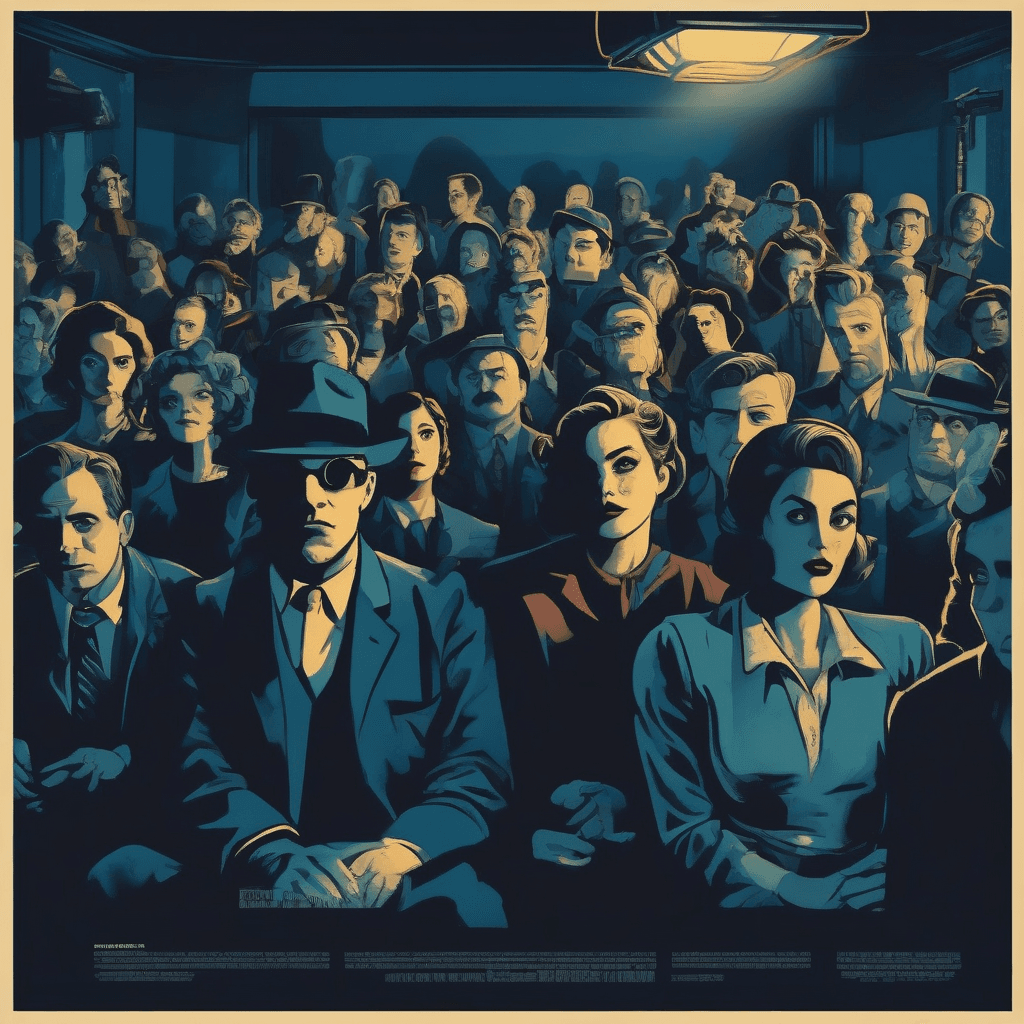
“Cult cinema thrives on the unconventional, transforming overlooked or misunderstood films into enduring cultural touchstones through the passionate devotion of niche audiences. This deep dive explores the alchemical process by which cinematic anomalies achieve immortality, from early transgressive n…”
In the vast, ever-shifting landscape of cinema, certain films defy easy categorization. They are not merely blockbusters or critical darlings; they are something more, something deeper, something that resonates with a specific, often fervent, segment of the audience. These are the cult films, the cinematic anomalies that, through an almost alchemical process, transform from fringe curiosities into immortal objects of obsession. What defines a cult film isn't necessarily box office success or widespread acclaim, but rather a unique, often subversive, vision that fosters an intense, almost devotional following. It's a phenomenon born from the margins, a testament to the power of the unconventional, and a vibrant thread woven deeply into the fabric of film history.

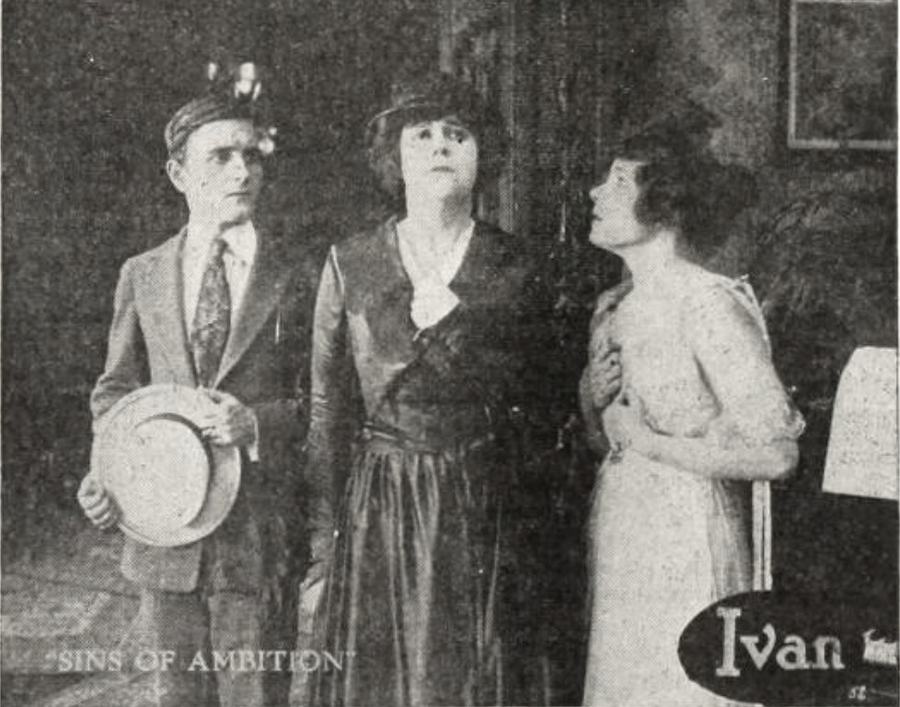
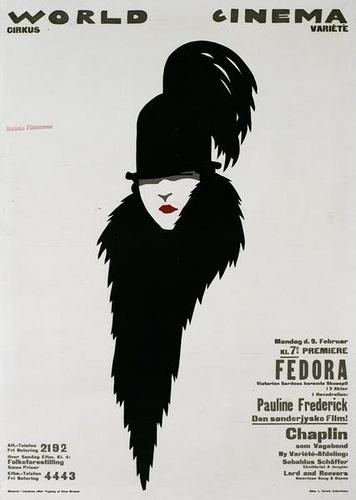
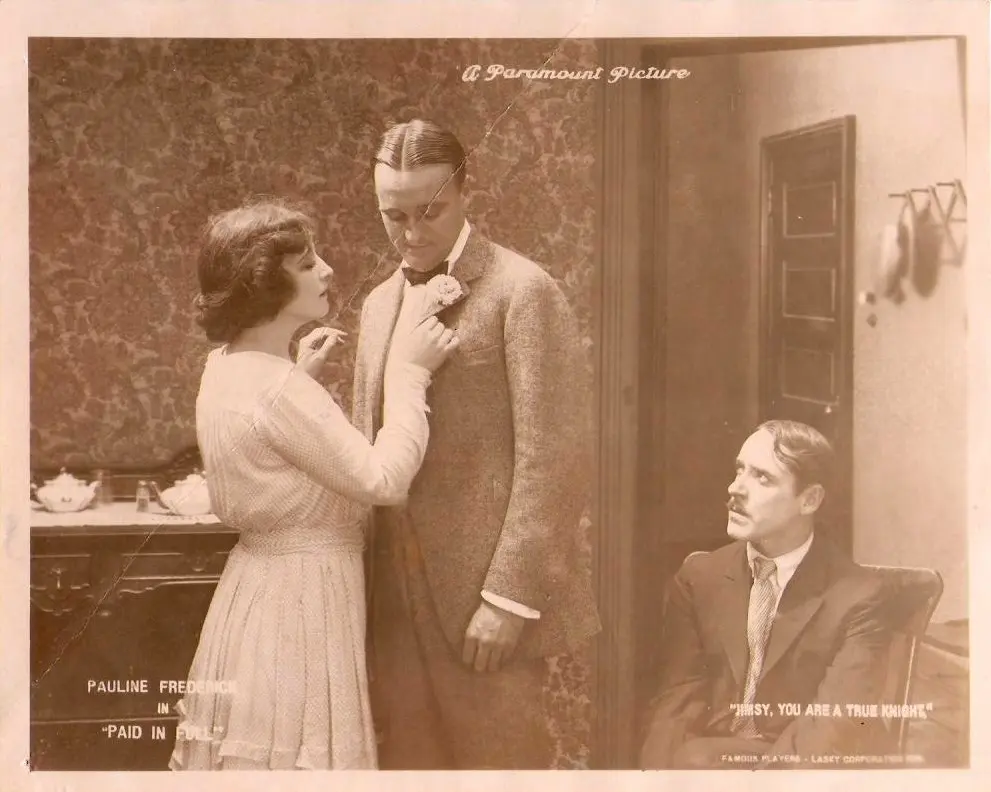
From the earliest days of moving pictures, there existed a certain strain of storytelling that pushed boundaries, explored the taboo, or simply presented the world through an eccentric lens. Even in the silent era, long before the term "midnight movie" gained currency, films were emerging that hinted at the future of cult adoration. Consider the early explorations of social transgression and moral ambiguity, themes that would become hallmarks of cult cinema. Narratives like those found in Sins of Ambition, where characters pursue desires that defy societal expectations, or the dramatic revenge plots of a film like Fedora (1916), laid groundwork for stories that challenged conventional morality. These films, often melodramas or thrillers, delved into the darker corners of human nature, from deceit and betrayal in Paid in Full (1919) to the tragic consequences of obsession in The Deceiver. They presented complex characters grappling with their inner demons, their choices often leading to dramatic, sometimes shocking, outcomes.
The Genesis of the Unconventional: Early Cinema's Maverick Spirit
The nascent years of cinema were a fertile ground for experimentation. Filmmakers, unburdened by established conventions, often explored themes and narratives that might have been deemed too niche or controversial for mainstream audiences later on. The very act of watching a moving picture was, for many, a novel and sometimes unsettling experience. Films that depicted forbidden love, class struggles, or the perils of unchecked ambition resonated differently. We see this in films like The Ruling Passion, where exotic settings and dangerous liaisons create a sense of heightened drama and moral complexity. Even comedies, such as Wild and Woolly or The Goat (1921), often embraced an absurdist humor or a rebellious spirit that set them apart, foreshadowing the irreverent tone many cult films would later adopt.
The silent era also saw cinema tackle pressing social issues, often with a directness that could be startling. Within Our Gates (1920), for instance, offered a vital counter-narrative to the racist portrayals prevalent at the time, using its platform to address racial injustice and advocate for education. Similarly, Birth Control, a documentary centered on Margaret Sanger's family-planning work, pushed societal boundaries by explicitly discussing topics deemed taboo, drawing both fierce opposition and dedicated support. These films, by virtue of their subject matter and their unflinching gaze, created their own audiences—audiences who sought out cinema that dared to speak truths or provoke thought, rather than merely entertain.
Beyond the Mainstream: The Allure of the Rogue Narrative
What distinguishes a truly subversive film is its willingness to challenge narrative norms. Cult films often delight in defying audience expectations, presenting stories that are deliberately disjointed, morally ambiguous, or aesthetically unconventional. Early mysteries and thrillers, like The Hope Diamond Mystery or the intriguing Camera Obscura, might have captivated audiences with their enigmatic plots and shadowy characters, drawing viewers into worlds where not everything was as it seemed. This sense of the unknown, the tantalizing hint of a deeper, stranger reality, is a powerful draw for cult audiences seeking experiences beyond the predictable.

The maverick spirit of early cinema also manifested in characters who operated outside the law or challenged authority. From the cunning art thief in Officer 666 (1920) to the complex moral dilemmas faced by characters in Beyond the Law, these films explored the grey areas of justice and morality. They presented anti-heroes or flawed protagonists whose journeys, while not always virtuous, were undeniably compelling. This focus on the outsider, the rebel, or the misunderstood figure is a recurring motif in cult cinema, allowing audiences to identify with characters who mirror their own feelings of alienation or nonconformity.
The Aesthetic of the Fringe: Style, Vision, and Rejection of Convention
Beyond narrative, cult films often possess a distinctive aesthetic uniqueness. They might feature striking visual styles, experimental editing, or performances that are deliberately over-the-top or subtly unsettling. This commitment to a singular vision, even if it alienates mainstream viewers, is precisely what endears them to their dedicated fans. Think of the early examples of surrealism or expressionism that would later inform the visual language of many cult classics. Even in seemingly straightforward dramas like Upstairs, which follows a young woman's dreams of a better life, there's an underlying current of aspiration and disillusionment that can be interpreted through a distinct visual lens, adding layers of meaning that viewers might uncover upon repeat viewings.
The genre-bending nature of many cult films also contributes to their unique aesthetic. They often refuse to be confined to a single category, blending elements of horror, comedy, drama, and sci-fi in unexpected ways. This fusion creates a cinematic experience that feels fresh and unpredictable, a quality highly valued by cult audiences. While the silent films provided might adhere more to classical genre definitions, their thematic boldness and willingness to explore uncomfortable truths set a precedent for later films that would gleefully smash genre boundaries.
The Alchemical Transformation: From Obscurity to Icon Status
One of the most fascinating aspects of cult cinema is its journey from initial reception to enduring legacy. Many cult films were initially panned by critics, ignored by audiences, or simply misunderstood in their time. Yet, through word-of-mouth, repeated screenings, and the tireless advocacy of passionate fans, they are re-discovered and re-contextualized, eventually achieving iconic status. This process is truly alchemical, transforming what was once considered cinematic lead into gold. Films that explored themes of identity and societal roles, such as The Matrimonial Martyr or Merely Mary Ann (1920), might have initially been seen as simple dramas, but their underlying commentary on societal pressures and personal freedom could resonate deeply with subsequent generations.
The longevity of cult films is often tied to their capacity for re-watchability. These are films that reveal new layers with each viewing, offering fresh insights, hidden details, or simply the comfort of a familiar yet endlessly engaging world. The detailed world-building in a historical drama like Gems of Foscarina, or the intricate character studies in films exploring personal ambition like Her Great Chance, lend themselves to this kind of repeated engagement. Fans pore over every frame, dissect every line of dialogue, and construct elaborate theories, turning the act of watching into a ritualistic experience.
The Power of the Collective: Fandom and Community
Perhaps the most defining characteristic of cult cinema is the audience it fosters. Unlike mainstream blockbusters, which aim for broad appeal, cult films cultivate a dedicated niche audience that often forms a vibrant community around the film. This community is not merely passive consumers; they are active participants, engaging in discussions, creating fan art, dressing up as characters, and attending midnight screenings where audience interaction becomes an integral part of the experience. The energy of these gatherings, often characterized by call-and-response dialogue, prop tossing, and collective singing, transforms a solitary viewing into a shared, almost spiritual, event.
The sense of belonging that comes from being part of a cult film's fandom is powerful. It’s a space where shared appreciation for the unconventional creates bonds, where one's love for a strange, overlooked film is not just accepted but celebrated. This communal aspect is what truly elevates a film from a mere curiosity to a cult classic. Films that touch on themes of collective belief, even in fictionalized cults as hinted at in Comrade John, inadvertently explore the very dynamics of fervent group devotion that define a cult film's following in real life.
Enduring Legacy: Why Cult Films Matter in Cinematic History
Cult cinema, therefore, is more than just a collection of oddball movies; it's a testament to the enduring appeal of artistic rebellion and the transformative power of audience engagement. These films challenge the status quo, push the boundaries of storytelling, and often reflect the anxieties and desires of society in ways that mainstream cinema cannot or will not. They are the underground currents that feed the larger cinematic river, influencing new generations of filmmakers and artists.
From early silent dramas exploring complex human motivations, like The Knife or The Wolf (1919), to later psychedelic visions and transgressive horrors, cult films remind us that cinema is a boundless art form. They prove that true cinematic power lies not always in mass appeal, but often in the depth of connection forged with a devoted few. They are the unseen pantheon, the rebels and misfits of the silver screen, whose legacies are cemented not by critical accolades, but by the fervent, unwavering hearts of their fans.
In a world increasingly homogenized by algorithms and focus-grouped content, the cult film stands as a vibrant, defiant anomaly. It is a beacon for those who seek the strange, the beautiful, the challenging, and the profoundly human. The alchemical transformation of a forgotten reel into an object of immortal fandom is a continuous process, a living, breathing testament to cinema's enduring power to connect, provoke, and inspire. These films, from the earliest flickering images to the most audacious modern experiments, continue to shape our understanding of what cinema can be, inviting us all to join their ranks, to become part of their story, and to celebrate the glorious, messy, unforgettable world of cult cinema.
Community
Comments
Log in to comment.
Loading comments…