
Deep Dive
The Alchemical Origins of the Outlier: How Early Cinema’s Genre Deviants Birthed the Cult Paradigm
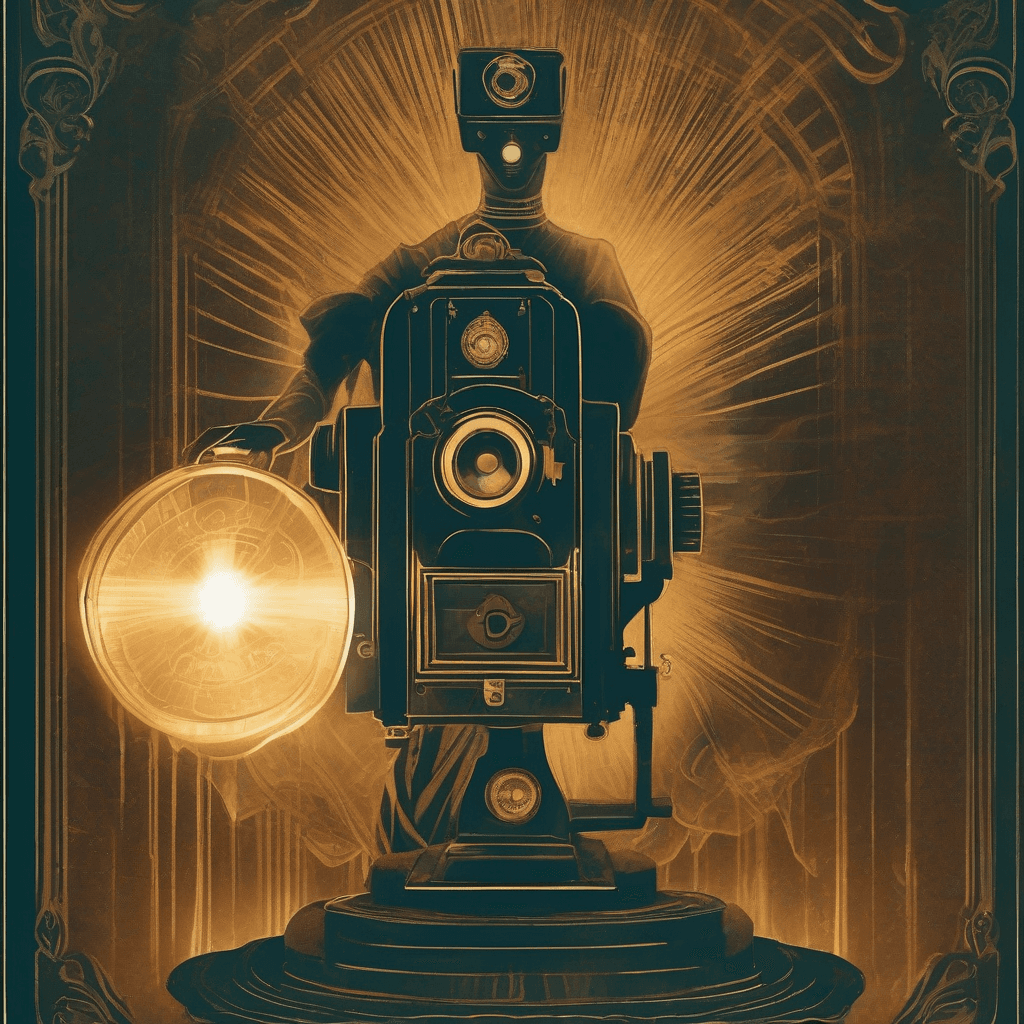
“A deep dive into the primal roots of cult cinema, exploring how the forgotten masterpieces and transgressive experiments of the early 20th century forged the DNA of modern niche devotion.”
To understand the modern phenomenon of cult cinema, one must look beyond the neon-soaked midnight screenings of the 1970s and dive into the flickering, nitrate shadows of the early 20th century. Before the term "cult film" was ever whispered in a smoky basement theater, a series of cinematic anomalies were already laying the groundwork for what we now recognize as the transgressive, the weird, and the wonderfully niche. These films, often misunderstood by the mainstream of their time, possessed a primal magnetism that defied standard narrative logic and moral conventions.

The Genesis of the Cinematic Misfit
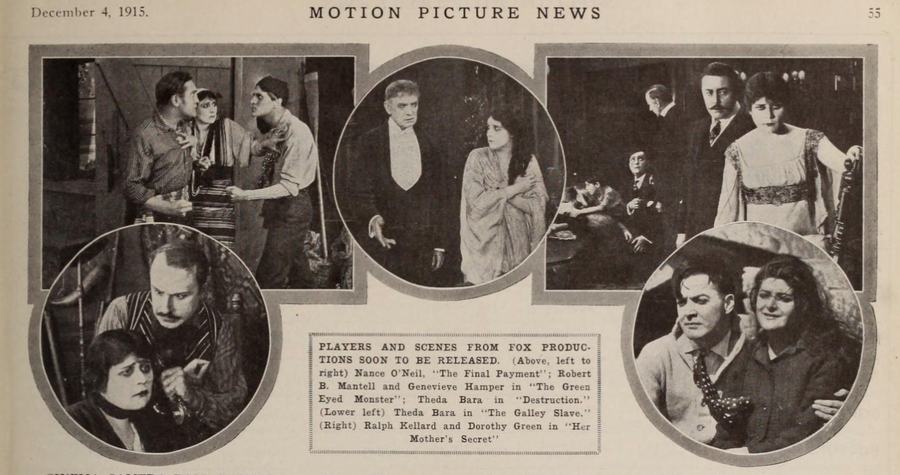
Cult cinema is defined not by its genre, but by its relationship with its audience. It is the cinema of the "other"—the films that find their tribe in the margins. This tradition of the outlier began in the silent era, where directors and producers often strayed into territories that the burgeoning Hollywood machine found uncomfortable. Consider the 1919 rarity The Green-Eyed Monster. Produced by the Norman Film Manufacturing Company, this all-black melodrama was a radical departure from the racially segregated norms of the time, offering a glimpse into a parallel cinematic world that catered to a specific, underserved, and passionate audience. This is the very essence of the cult experience: the discovery of a world that feels as though it was made specifically for you, regardless of the mainstream's gaze.
During this era, the boundaries of reality were frequently tested. In The Witching Hour (1921), the narrative centers on Jack Brookfield, a gambler whose burgeoning psychic powers allow him to intuit the outcome of games of chance. This early exploration of the supernatural and the psychic provided a blueprint for the "high-concept" cult films of later decades. By grounding the extraordinary in a recognizable world, these films invited viewers to question the fabric of their own reality, a hallmark of the cult movie soul.
Transgression and the Moral Underground
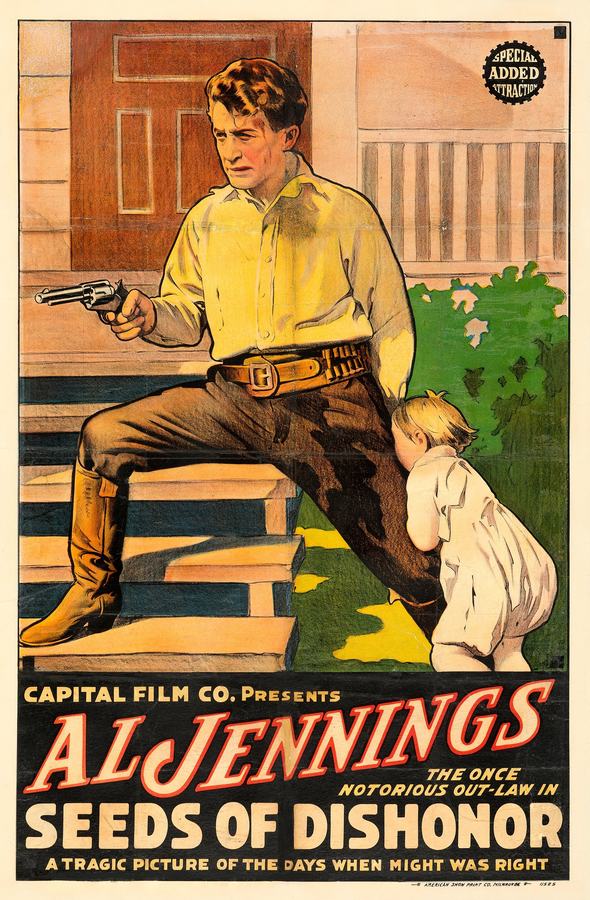
At the heart of every cult classic lies a streak of rebellion. In the early 1920s, this rebellion often took the form of challenging social and marital norms. Films like Why Leave Your Husband? and Seeds of Dishonor (1914) delved into themes of elopement, infidelity, and the collapse of the domestic sphere. These weren't merely dramas; they were explorations of the forbidden. In Spiritismo, a woman goes as far as to pretend to be a ghost to seek forgiveness from her husband—a narrative turn so bizarre and melodramatic that it echoes the camp sensibilities of modern cult favorites.
The moral ambiguity of these early works created a space for viewers to engage with the "unacceptable." The Scarlet Letter (1922) and Soul Mates (1921) pushed the envelope of what was permissible on screen, often depicting the complexities of the human heart with a raw, unfiltered intensity. This narrative dissidence ensured that while these films might have faded from the general consciousness, they remained etched in the minds of those who sought something more provocative than the standard studio fare.
The Invention of the Fantastic
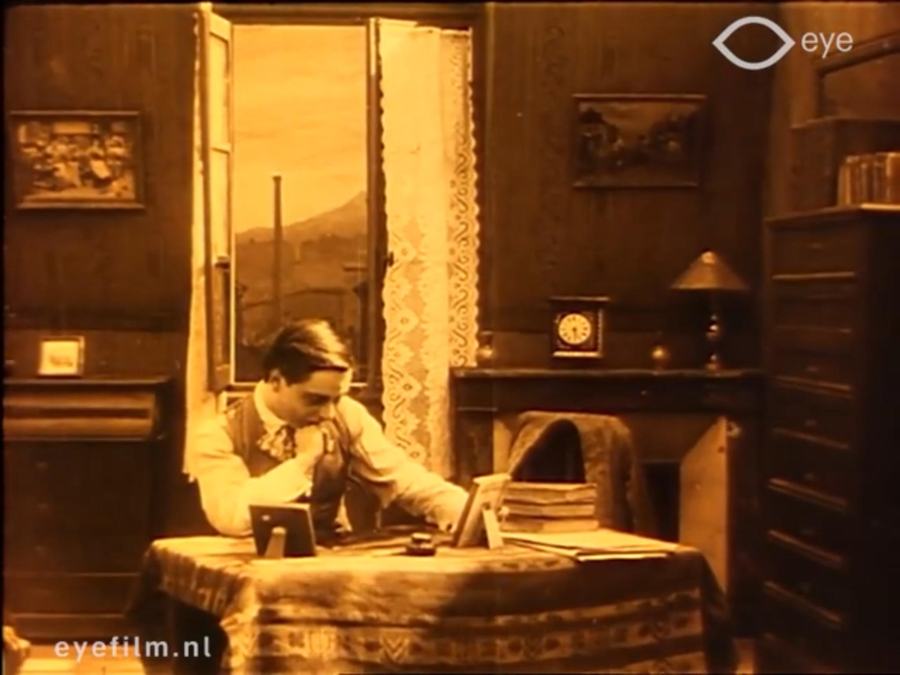
One of the most fascinating aspects of early cult cinema is the birth of science fiction and fantasy tropes through sheer mechanical ingenuity. The lost film Lilith and Ly features an inventor who uses a strange jewel to bring a statue to life, only for the creature to appear on a screen he has developed. This meta-cinematic approach—a film about a screen within a screen—prefigures the self-referential nature of modern cult classics like *Videodrome* or *The Ring*. It represents a moment where the medium of film began to contemplate its own power to manipulate life and death.
Genre Mutations: From Westerns to Propaganda
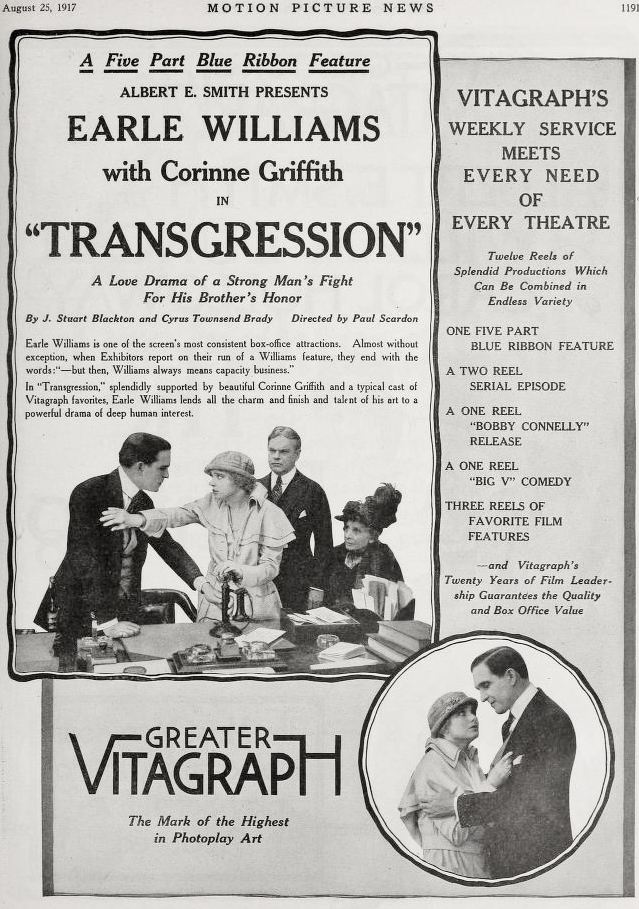
The flexibility of early cinema allowed for strange genre hybrids that would today be classified as "cult curios." Hell's Oasis (1920) is described as the story of an entire town that sinned against society, blending the tropes of the Western with a dark, almost nihilistic social commentary. Similarly, Captain Fly-by-Night (1922) offered a swashbuckling adventure that toyed with identity and deception, creating a sense of mythic mystery that appeals to the obsessive nature of fandom.

Even propaganda films of the era, such as The German Curse in Russia (1918) or the Hoboken-set Me und Gott (1918), have transitioned into the realm of the cult due to their historical extremity and surreal portrayals of geopolitical conflict. These films were intended to provoke specific emotions, but viewed through a modern lens, they become fascinating artifacts of paranoia and cultural anxiety. They represent the "fringes" of political discourse, much like how modern cult documentaries explore the darker corners of society.
The Comedy of the Absurd
Cult cinema wouldn't be complete without the bizarre humor that defies categorization. The era of the "short" provided ample room for experimental comedy. Mixed Nuts (1922), which combined re-cut footage with newly shot sequences to bridge disparate scenes, is an early example of the "remix culture" that defines many cult circles today. It is a film born of necessity and creative chaos, resulting in a product that feels delightfully off-kilter.
Films like Pardon Me (1921), where a laundry driver becomes a Count after finding a dress suit, or Call for Mr. Caveman, featuring a giant caveman kidnapper, showcase a willingness to embrace the ridiculous. This anarchic spirit is the direct ancestor of the midnight movie comedy, where the logic of the joke is less important than the sheer audacity of the premise.
Legacy of the Lost and the Rediscovered
A significant portion of early cult cinema's allure comes from its fragility. Many of these films, like The Grell Mystery or The Girl in Number 29, exist in the collective memory of film historians as much as they do on celluloid. The "lost film" is the ultimate cult object—a phantom that haunts the imagination of the cinephile. The search for these missing reels is a ritual of devotion, akin to the way fans of modern cult hits dissect every frame of a trailer or a leaked script.
Even the more mainstream successes of the time, such as Brewster's Millions (1921), have a cult-like premise that has been remade and reimagined for decades. The idea of a man forced to spend millions to gain billions is a narrative hook that speaks to a universal human desire for excess and the absurdity of wealth—themes that continue to resonate in contemporary cult satires.
The Architecture of Obsession
Why do we return to these films? Why does a movie like Os Faroleiros (1920), with its isolated lighthouse and tragic love triangle, still hold a power over the modern viewer? The answer lies in the cinematic undercurrent. These films were made during a time of immense experimentation, where the language of cinema was being written in real-time. There was no "right" way to tell a story, which led to the creation of works that are uniquely idiosyncratic.
The cult cinema of today owes everything to these early pioneers of the fringe. Whether it is the psychic intensity of The Witching Hour, the social defiance of The Green-Eyed Monster, or the surreal mechanical fantasies of Lilith and Ly, the DNA of the midnight movie was coded into the very first reels of nitrate film. These were the original "outcasts" of the screen, the films that refused to fit into the boxes of polite society or commercial predictability.
Cult Cinema as a Sacred Rite
Ultimately, the journey from a forgotten 1917 comedy like Fools and Fires to a modern cult classic is a testament to the enduring power of the unconventional image. We worship at the altar of the cult film because it offers a sanctuary for the strange. It is a place where the maverick vision is celebrated over the committee-driven product. By unearthing these early century gems, we aren't just looking at history; we are reconnecting with the very spark of rebellion that makes cinema worth watching.
As we move further into the digital age, the tactile, flickering beauty of the silent era becomes even more precious. The cult of the old is a way of preserving the soul of the medium. Every time a researcher finds a fragment of The Man Who Won (1919) or a collector unearths a print of High Heels (1921), the flame of cult cinema burns a little brighter. These are the stories that refuse to die, the visions that demand to be seen, and the legends that continue to inspire the next generation of cinematic outlaws.
Community
Comments
Log in to comment.
Loading comments…