
Film History
The Altar of the Abject: Why the Silent Era’s Broken Protagonists Are the True Architects of Cult Devotion
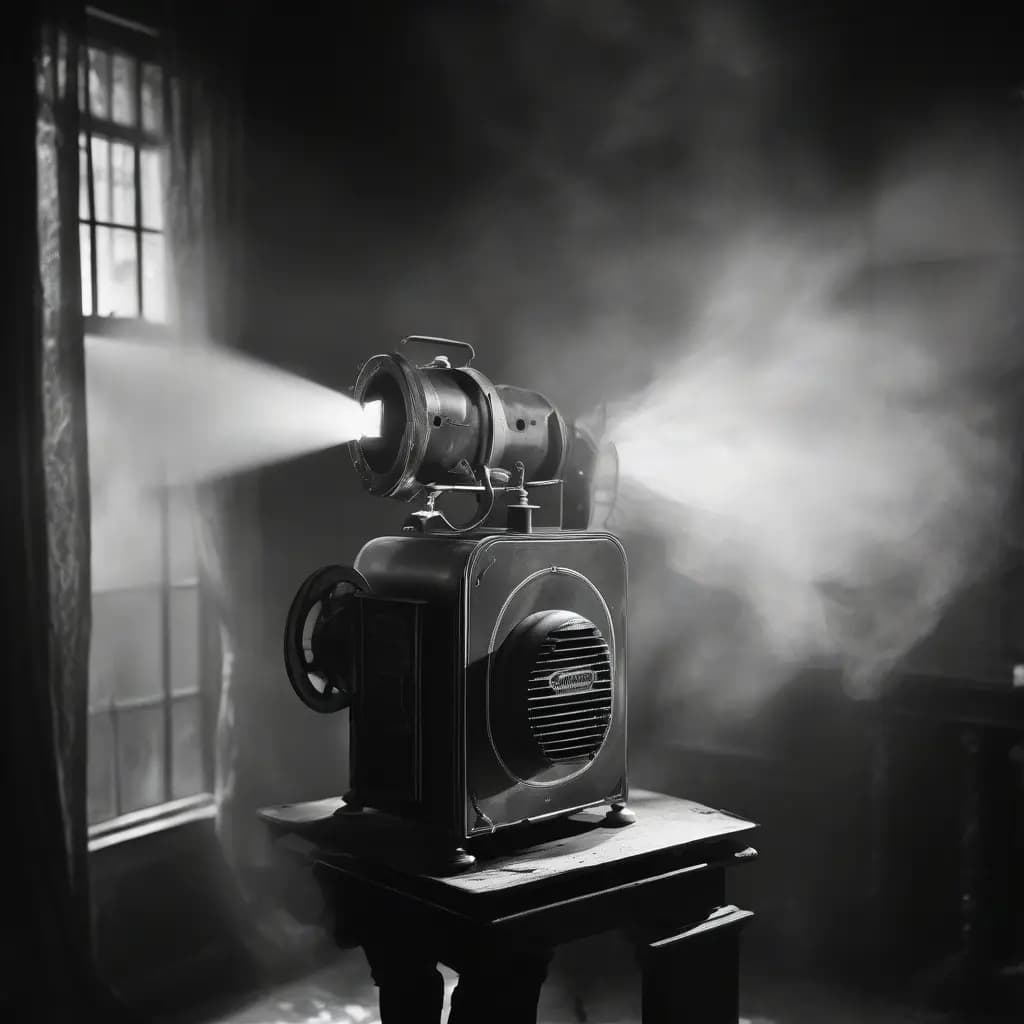
“Beyond the glossy surface of mainstream Hollywood history lies a graveyard of silent-era outcasts—clowns, alcoholics, and social pariahs—whose cinematic suffering laid the foundation for modern cult worship.”
We are often told that cult cinema began in the smoke-filled midnight screenings of the 1970s, born from the counter-culture’s hunger for the weird and the wired. But to truly understand why we worship the cinematic misfit, we must look back further—into the flickering, nitrate-scented shadows of the silent era. Long before the term 'cult' was a marketing category, a specific breed of film was already cultivating a devoted, almost religious following. These were the stories of the abject: the social lepers, the morally compromised, and the physically distorted. They were films that didn't just depict suffering; they elevated it to a form of transgressive art. In the silent era, the 'broken' protagonist wasn't just a plot point; they were a blueprint for the modern anti-hero, creating a psychic space where the audience could commune with the forbidden.
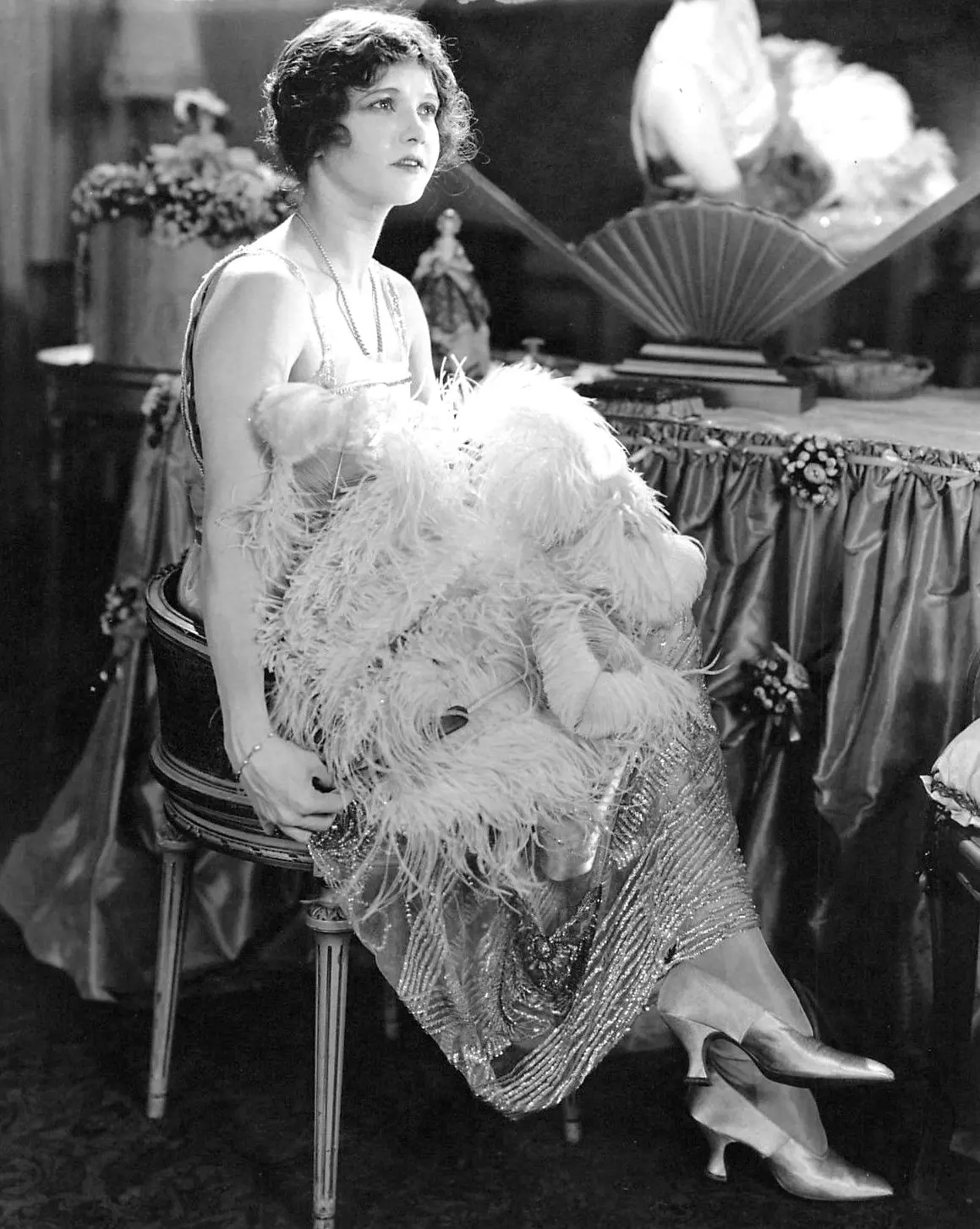
The Physiology of Failure: He Who Gets Slapped and the Tragic Grotesque
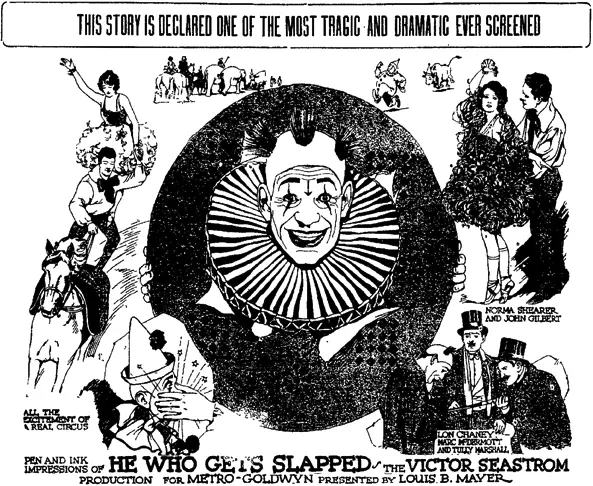
If there is a patron saint of the cult outsider, it is Paul Beaumont in Victor Sjöström’s He Who Gets Slapped (1924). Played with a haunting, almost manic intensity by Lon Chaney, Beaumont is an intellectual whose life work is stolen by a lecherous baron. His response is not a simple quest for justice, but a descent into the grotesque. He becomes a circus clown whose entire act consists of being slapped by his peers while the audience roars with laughter. This is the primal scream of cult cinema. It is the moment where the protagonist rejects the 'heroic' path and instead embraces their own humiliation, turning it into a spectacle.
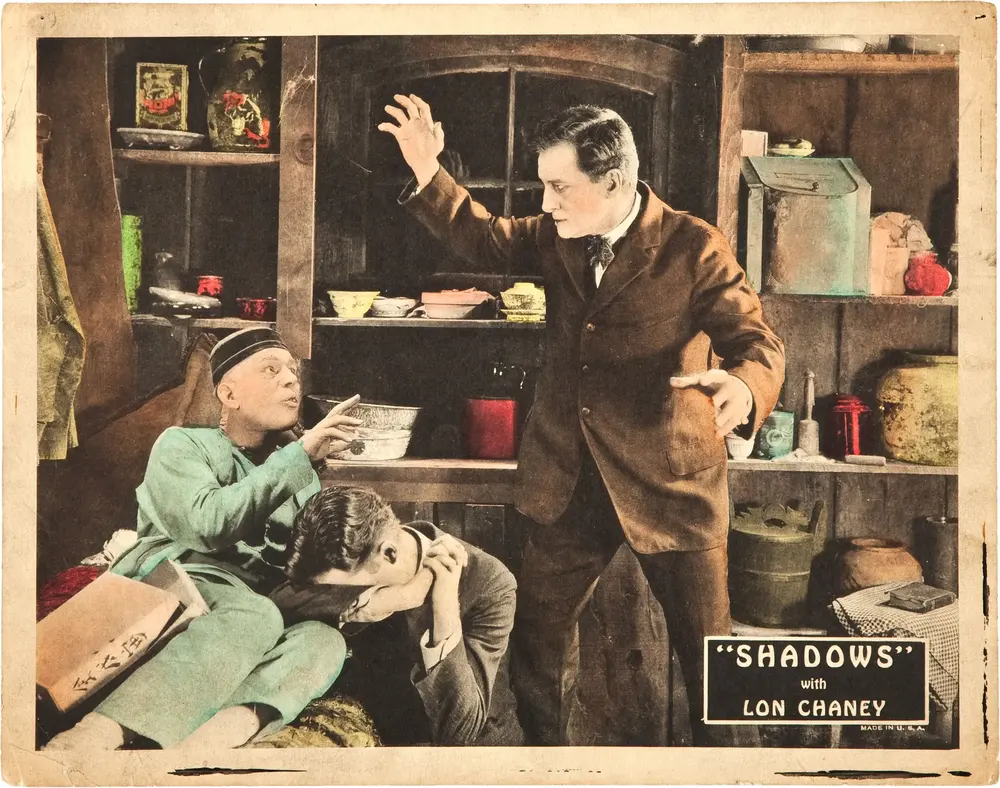
The film’s power lies in its refusal to offer a clean redemption. Beaumont’s eventual revenge is messy, involving a lion and a heart-wrenching sacrifice. For the cult spectator, this resonates because it mirrors the feeling of being an outsider in a world that rewards the 'Barons'—the wealthy, the powerful, and the cruel. Sjöström’s use of expressionistic lighting and Chaney’s contorted physicality created a visual language of trauma that would later influence everything from the Universal Monsters to the body horror of David Cronenberg. It taught us that the most compelling characters are often those who have been chewed up and spat out by the social machine.

The Moral Outlaw: Vice as a Gateway to Devotion
While the mainstream industry was busy codifying the 'moral' hero, a parallel stream of cinema was obsessing over the mechanics of ruin. Take Ten Nights in a Bar Room (1921). Nominally a temperance film designed to warn against the dangers of alcohol, its lasting impact stems from its unflinching, almost voyeuristic fascination with the collapse of Joe Morgan. By showing the granular detail of his neglect of his family and his descent into uselessness, the film accidentally created a template for the 'junkie' or 'outcast' narratives that would define the grittier corners of cult cinema in later decades.
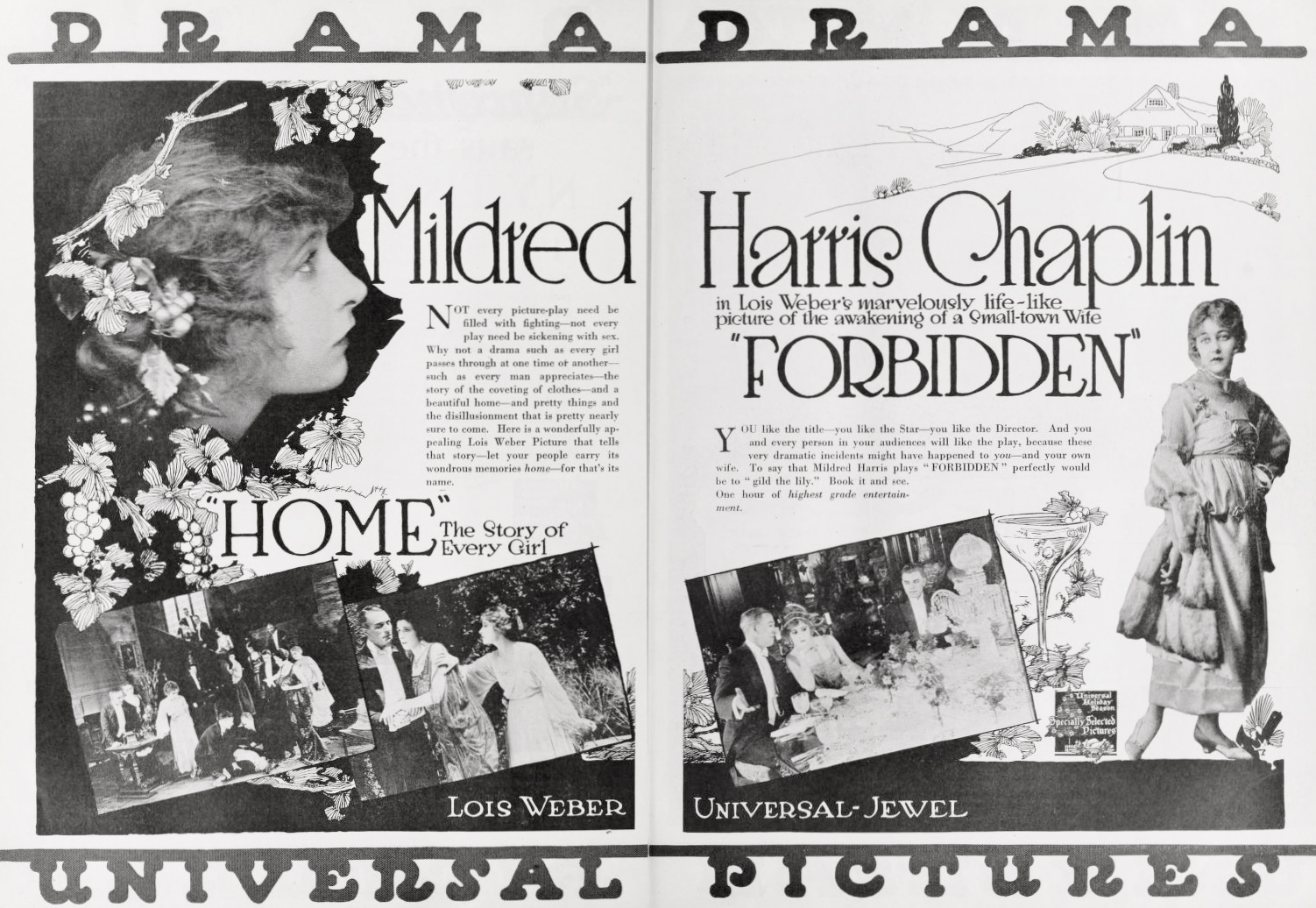
Similarly, Bolshevism on Trial (1919) used the 'social problem' format to explore radical political transgression. While intended as anti-communist propaganda, the film’s depiction of an island commune—a utopia that inevitably fails—provided a blueprint for the 'cult leader' and 'failed society' tropes that would later populate science fiction and dystopian thrillers. The cult audience is naturally drawn to these depictions of failure because they offer a critique of the status quo that 'successful' narratives cannot. There is a perverse thrill in watching the social fabric tear, a thrill that these early films delivered with surprising intensity.
The Geography of the Fringe
The setting of these early cult narratives was rarely the comfortable middle-class home. Instead, they sought out the liminal spaces: the mining towns of Steelheart (1921), the frozen wilderness of Where the North Begins (1923), or the lawless stagecoach routes of On the Night Stage (1915). These films utilized the landscape as a reflection of the protagonist's internal chaos. In Where the North Begins, the protagonist is a German Shepherd raised by wolves—the ultimate outsider. The film taps into a primal, survivalist energy that bypasses traditional human morality. It’s about the raw struggle for existence in a world that is indifferent to your survival, a theme that remains a cornerstone of the cult experience.
The Transgressive Woman: Breaking the Victorian Mold
Cult cinema has always been a sanctuary for female characters who refuse to play the victim. In the silent era, this was often explored through the 'fallen woman' or the 'burlesque rebel.' A Perfect Lady (1915) features a dancer who must overcome the puritanical repression of a small town. This isn't just a story of acceptance; it's a story of cultural warfare. The dancer’s presence is a disruption, a visual and moral shock to the system that the townspeople find both terrifying and alluring.
The cult of the broken protagonist is essentially a cult of the 'unseen'—those who exist in the periphery of history but occupy the center of our imaginations.
Then there is The Rose of Blood (1917), where Theda Bara—the original 'Vamp'—plays a governess who rises to power through revolution and manipulation. Bara’s characters were the antithesis of the 'sweet girl' archetype. They were dangerous, sexual, and unapologetically ambitious. By centering films around these 'devouring' women, early cinema created a space for the transgressive female gaze. These characters weren't meant to be liked in the traditional sense; they were meant to be feared and worshipped, establishing the 'femme fatale' not just as a noir trope, but as a cult icon of resistance against patriarchal control.
The Shadow of the Law: Vigilantes and Identity Forgers
Cult cinema often thrives on the ambiguity of justice. When the law fails, the outcast must become the arbiter of their own morality. Vidocq (1923), based on the real-life criminal-turned-detective François Vidocq, explores this fluidity of identity. Vidocq is a deserter and a thief who eventually uses his criminal knowledge to hunt other criminals. This 'thief-taker' archetype is the ancestor of the modern vigilante. The appeal lies in the character’s intimate knowledge of the underworld—a knowledge that the 'respectable' audience is forbidden from having but desperately craves.
We see a similar theme in On the Night Stage, where a stagecoach robber finds redemption not through the state, but through a personal conversion sparked by love. The cult fascination here isn't with the redemption itself, but with the 'outlaw' status that precedes it. There is a romanticism attached to the figure who lives outside the law, a figure who is 'free' from the constraints of society even if that freedom leads to tragedy. Films like The Man from Bitter Roots (1916), where a man kills his partner in self-defense and then spends the rest of the film grappling with the moral fallout, emphasize the interiority of the outcast. They turn the 'western' or 'action' film into a psychological study of guilt and isolation.
The Nitrate Ghost: Why These Films Haunt the Modern Mind
Why do we still care about these flickering remnants of a lost era? It’s because the silent era was the last time cinema was truly 'wild.' Before the Hays Code and the rigorous standardization of the studio system, filmmakers were experimenting with the very limits of human experience. They were capturing the 'abject' with a raw, unfiltered eye that modern digital cinema often lacks. When we watch He Who Gets Slapped, we aren't just watching a performance; we are witnessing the birth of an aesthetic that values the broken over the whole, the scarred over the pristine.
- The rejection of traditional beauty in favor of the 'tragic grotesque.'
- The elevation of the 'loser' to the status of a martyr or hero.
- The use of extreme, expressionistic visuals to convey internal trauma.
- The exploration of 'forbidden' social spaces like saloons, communes, and circuses.
The modern cult fan is a direct descendant of the silent era spectator. Both are looking for something that the mainstream cannot provide: a sense of community in the margins. Whether it’s a midnight screening of *The Rocky Horror Picture Show* or a deep-dive into the filmography of David Lynch, the impulse is the same—to find beauty in the 'wrong' places. The silent era’s broken protagonists were the first to show us that there is a profound power in being an outcast. They taught us that the altar of the abject is where the most honest stories are told.
As we move further into the digital age, these 'nitrate ghosts' become even more precious. They remind us that cinema began not as a billion-dollar industry, but as a series of strange, flickering experiments in human empathy. By celebrating the broken, the silent era ensured that the cult movie would always have a home—in the hearts of those who feel just as out of place as the clown who gets slapped or the dog raised by wolves. The revolution was never televised; it was projected in silence, a century ago, onto the waiting minds of the world’s first misfits.
Community
Comments
Log in to comment.
Loading comments…