
Cult Cinema Deep Dive
The Ancestral Weird: Tracing the DNA of Cult Devotion to the 1910s Fringe
“Explore how the transgressive narratives and moral misfits of the silent era laid the foundational blueprints for modern cult cinema and niche fandom.”
When we speak of cult cinema, the mind often drifts to the neon-soaked midnight screenings of the 1970s or the transgressive VHS underground of the 1980s. However, to truly understand the genesis of the fringe obsession, one must look further back into the shadows of the nitrate era. Long before the rise of the specialized midnight movie, the 1910s and 1920s were already brewing a potent cocktail of moral ambiguity, social rebellion, and genre-bending experimentation that would define the cult film psyche for a century.

The Birth of the Cinematic Outcast
At the heart of every cult film lies the figure of the outcast—a character who exists on the periphery of polite society, challenging the status quo simply by existing. In the 1917 film Outcast (slug: outcast), we see the blueprint for the tragic, transgressive heroine. Miriam Gibson, seduced and abandoned, is forced into a life of prostitution to support her child. It is a narrative of systemic failure and personal resilience that resonates with the same raw, jagged energy found in modern underground dramas. This thematic preoccupation with the 'fallen' woman or the social pariah was a cornerstone of early fringe cinema.

Similarly, Ingeborg Holm (1913) (slug: ingeborg-holm) presented a devastating critique of social welfare systems, where financial struggle leads to the literal separation of a mother from her children. This wasn't just entertainment; it was a visceral experience that forged a deep, emotional bond with audiences who felt marginalized by the very structures the film critiqued. This 'devotion to the underdog' is the primary fuel for cult fandom, turning a simple viewing into a communal act of empathy and rebellion.

Transgression and the Moral Grey Zone
Cult cinema thrives in the moral grey zone, where heroes are flawed and villains are often sympathetic or tragically misunderstood. Take The Mayor of Casterbridge (slug: the-mayor-of-casterbridge), where a man commits the unthinkable act of selling his wife and child to a sailor. The subsequent narrative of regret, secret identities, and the return of the repressed is pure cult fodder. It challenges the viewer to reconcile with a protagonist who has committed a cardinal sin, much like the complicated anti-heroes of modern cult classics.
The Allure of the Vamp and the Vengeful
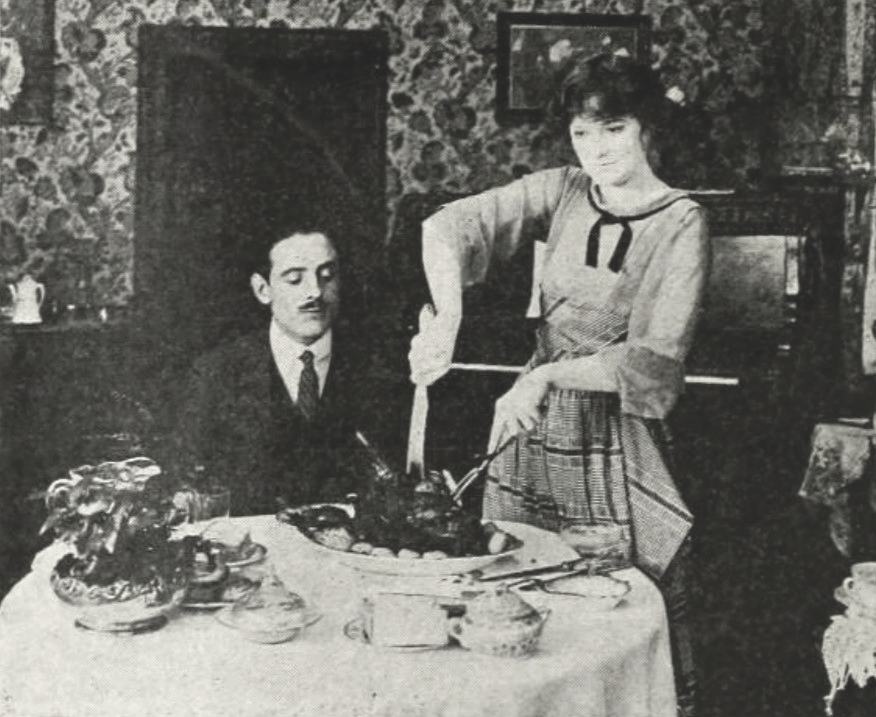
The 1910s also introduced the 'Vamp'—a figure of dangerous sexuality and subversion. In Should a Wife Forgive? (slug: should-a-wife-forgive), the character of La Belle acts as a catalyst for domestic destruction, stealing a husband and draining his resources. While these films were often framed as moral lessons, the magnetism of the 'vamp' often overshadowed the traditional heroines, creating a niche fascination with the 'seductive antagonist' that persists in cult aesthetics today.
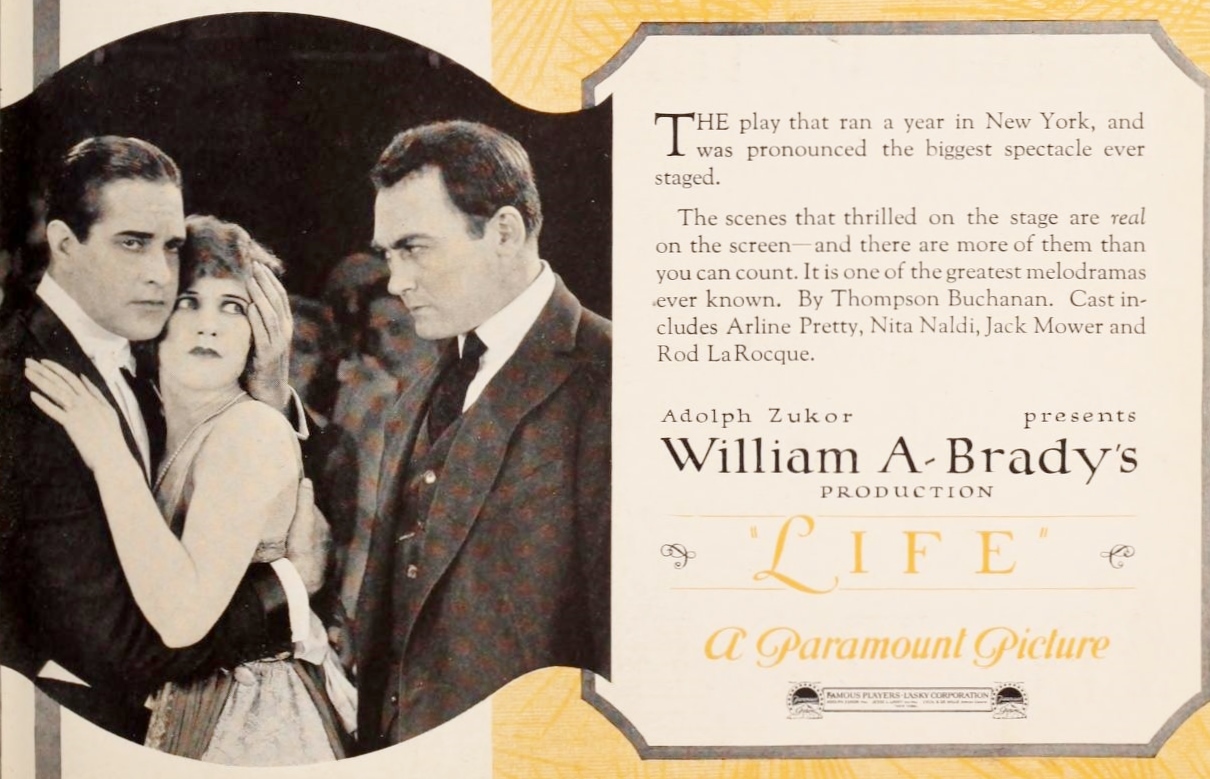
Then there is the theme of obsessive vengeance, perfectly encapsulated in Fedora (1916) (slug: fedora-1916). Princess Fedora’s vow to avenge her lover’s assassination only to fall victim to her own oath is a masterclass in the 'tragic obsession' trope. Cult audiences are historically drawn to characters who are consumed by a singular, often self-destructive purpose. This intensity of emotion is what separates a standard blockbuster from a film that haunts the viewer's subconscious.
Genre Mutations and Narrative Anarchy
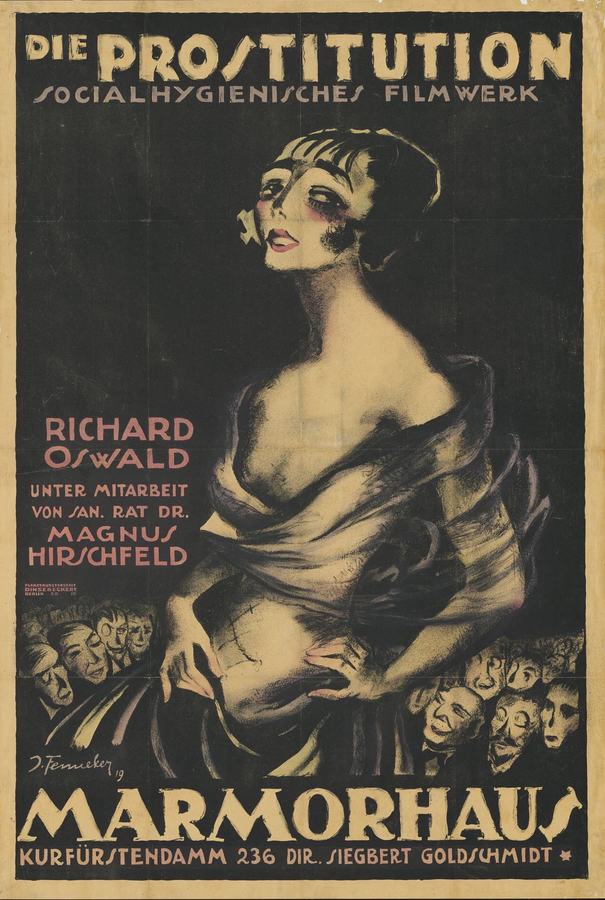
One of the defining traits of cult cinema is its refusal to stay within the lines of a single genre. The early 20th century was a laboratory for genre mutation. Consider The Lion Man (slug: the-lion-man), which blends the investigative reporter trope with the spectacle of a 'society circus.' It’s a pulp-infused narrative that feels like a precursor to the eccentric, multi-layered plots of 70s exploitation films.
We also see the seeds of the 'Weird' in titles like The Third Eye (slug: the-third-eye) and Das wandernde Auge (slug: das-wandernde-auge). These films played with perception and the uncanny, often utilizing experimental visual techniques to represent internal psychological states. This 'cinematic hallucination' is a hallmark of the cult experience, where the form of the film is just as disorienting and rebellious as its content.
The Western as a Canvas for Redemption
Even the Western, often seen as the most rigid of genres, found room for cult-style subversion. In The Trigger Trail (slug: the-trigger-trail), we see a sheriff who must overcome the stigma of being labeled a coward. This focus on the internal psychological struggle of the 'hero'—rather than just the outward display of violence—prefigures the revisionist Westerns that would later become staples of the cult canon. Similarly, Cactus Crandall (slug: cactus-crandall) takes the action across borders into Mexico, blending traditional frontier tropes with international intrigue and a rescue mission that feels more like a noir thriller than a simple horse opera.
International Obsessions and the Exotic Gaze
Cult cinema has always had a global heart, and the 1910s were no exception. The fascination with the 'exotic'—though often problematic by modern standards—drove audiences toward stories set in far-flung locales. Maharadjahens yndlingshustru I (slug: maharadjahens-yndlingshustru-i) and Shannon of the Sixth (slug: shannon-of-the-sixth) transported viewers to India, mixing romance with colonial uprisings and royal intrigue. These films offered a visual and narrative escape that felt distinct from the domestic melodramas of the time, fostering a sense of 'discovery' that remains a key component of the cult film hunter's journey.
The mystery of the unknown was further explored in Jungeldrottningens smycke (slug: jungeldrottningens-smycke), where the loss of a 'Sun Mirror' becomes a catalyst for a kingdom's catastrophe. This kind of 'high-stakes macguffin' storytelling, rooted in myth and mystery, creates a sense of world-building that cult fans love to dissect and analyze.
The Redemption of the Discarded
Perhaps the most enduring legacy of these early reels is their ability to find beauty and meaning in the discarded. The Soul of Youth (slug: the-soul-of-youth) explores the life of an orphan boy drawn into sin before finding redemption. It is a story of transformation, a theme that is central to the cult experience. Cult films themselves are often 'orphans' of the industry—films that were rejected by critics or failed at the box office, only to be 'adopted' by a devoted foster family of fans who see their inherent value.
In The Sawdust Doll (slug: the-sawdust-doll), a child uses a simple toy to fill the void of a missing mother. This metaphor for using art and objects to cope with trauma and loss is a powerful reflection of how cinephiles use cult films. These movies are our 'sawdust dolls'—strange, imperfect objects that we imbue with immense personal meaning.
Conclusion: The Eternal Flicker
The 50 films referenced here—from the revolutionary echoes of A Continental Girl (slug: a-continental-girl) to the gritty industrial conflicts of The Bigger Man (slug: the-bigger-man)—are more than just historical artifacts. They are the genetic markers of a cinematic rebellion that refuses to die. They taught us that cinema could be a place for the misfit, the rebel, and the weirdo.
As we continue to unearth these silent masterpieces, we find that the 'cult' was never a modern invention. It was there in the flickering light of a Paris medical student's tragic marriage in The Supreme Temptation (slug: the-supreme-temptation). It was there in the Italian coast rescue of A Roadside Impresario (slug: a-roadside-impresario). And it remains there today, in every viewer who looks past the marquee to find the hidden, the forbidden, and the sublime. The ancestral weird of the 1910s continues to pulse through the veins of cinema, reminding us that the most powerful stories are often the ones told from the fringe.
Community
Comments
Log in to comment.
Loading comments…