
Cult Cinema
The Archeology of the Unusual: How Early Cinema’s Misfit Reels Invented the Cult Ethos
“A deep dive into the transgressive, weird, and forgotten films of the early 20th century that laid the genetic groundwork for modern cult cinema.”
Before the term 'midnight movie' was ever whispered in the smoky backrooms of 1970s New York, the seeds of the cinematic fringe were already being sown in the flickering light of the early 20th century. Cult cinema is often defined by its relationship with the audience—a devotion that borders on the religious, a celebration of the transgressive, and an obsession with the overlooked. However, to truly understand the genetic rebellion of the cult film, we must look back at the anomalies of the 1910s and 1920s. These were the years of genre anarchy, where the rules of storytelling were still being written and, more importantly, being broken by a cadre of visionary misfits and moral outliers.
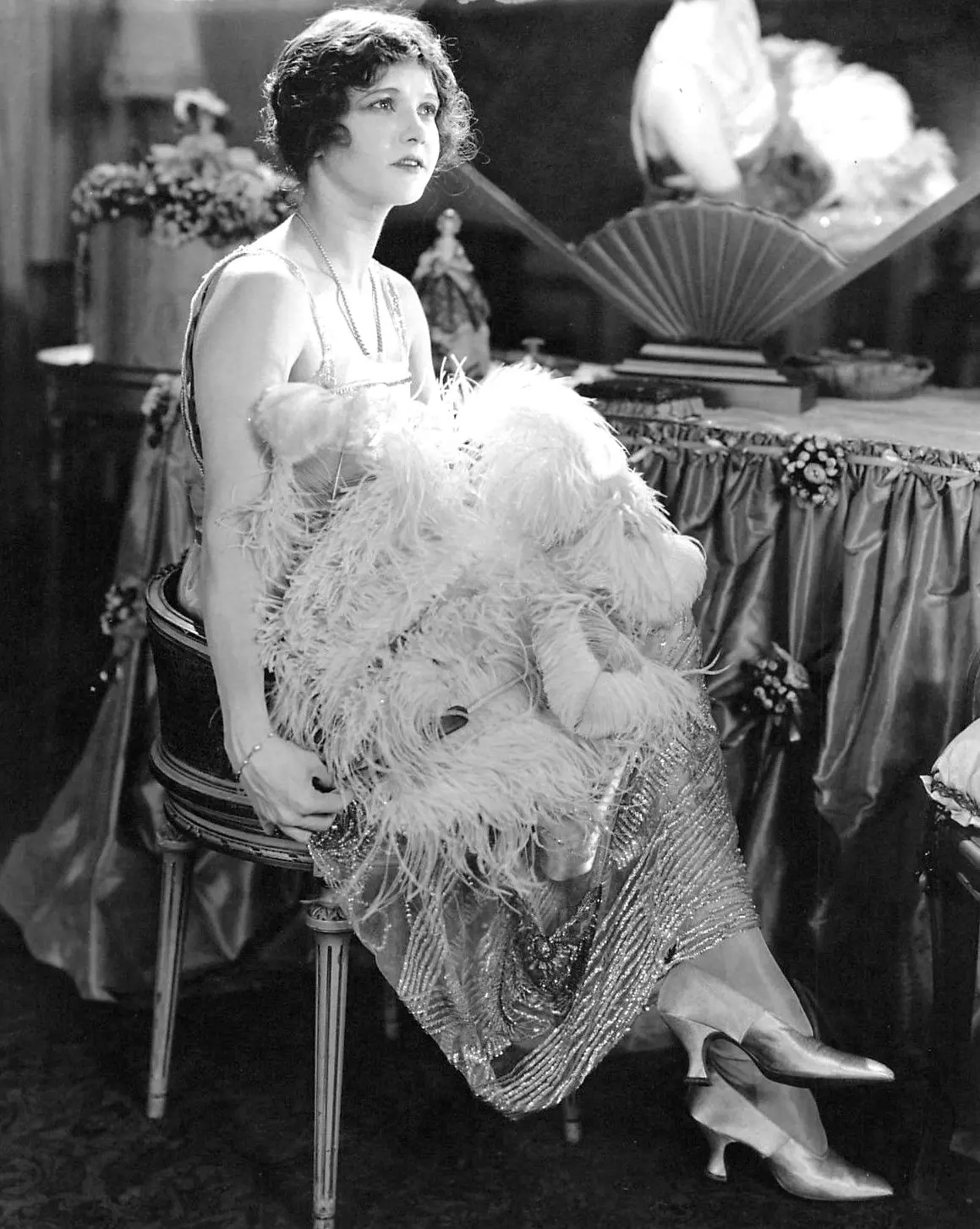
The Transgressive Seed: Moral Panic and the Birth of Exploitation
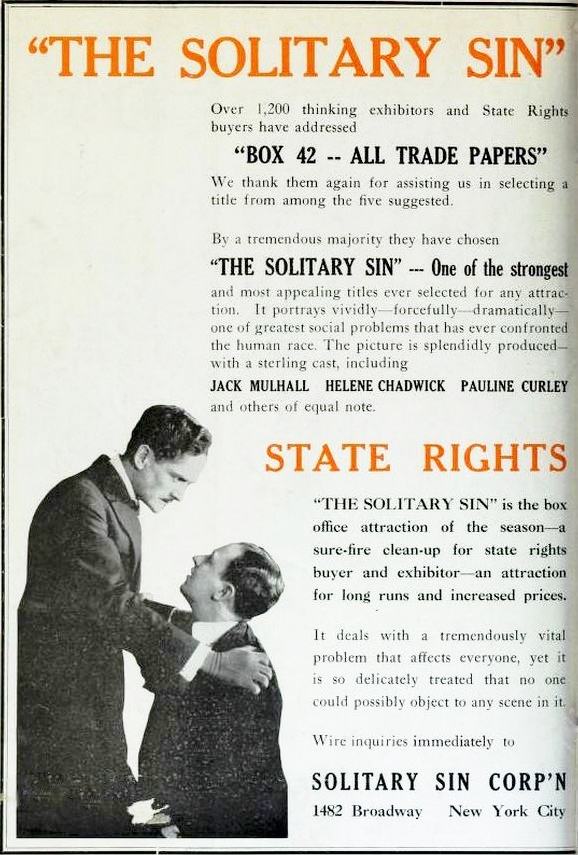
Modern cult cinema thrives on the 'forbidden.' We see this in the works of John Waters or early David Lynch, but the blueprint was drafted in films like The Solitary Sin (1919). This film, which tackled the then-taboo subject of sexual education under the guise of moral guidance, represents the primordial soup of exploitation cinema. By contrasting the lives of three boys—Bob, John, and Edward—and their differing introductions to 'the birds and the bees,' the film navigated the razor's edge between education and titillation. This is a hallmark of cult obsession: the film that purports to teach but secretly serves to shock.
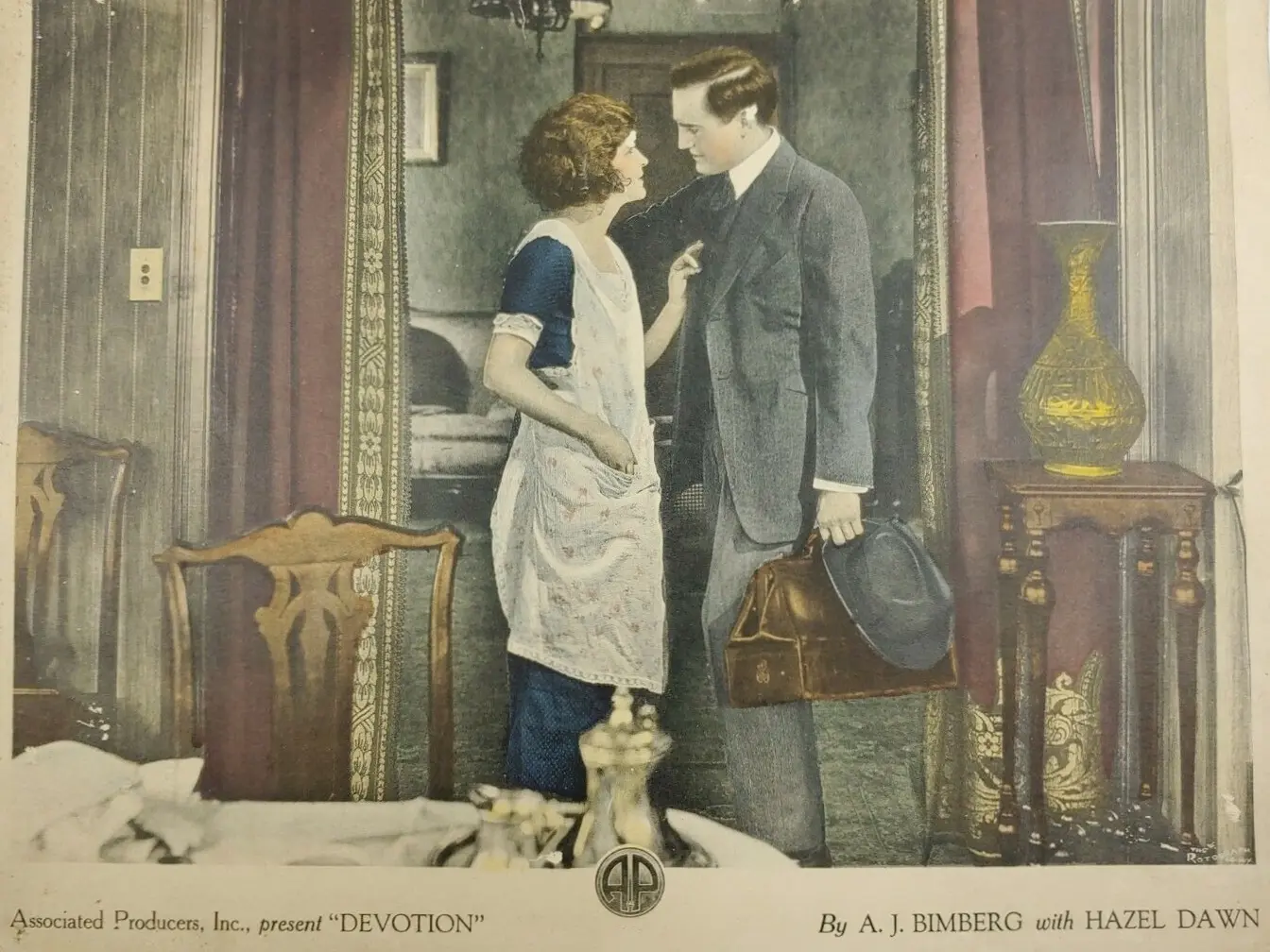
Similarly, Sündige Liebe and Skæbnesvangre vildfarelser explored the dark underbelly of bohemian life and 'sinful love,' creating a template for the transgressive narratives that would later populate the grindhouse circuit. In Skæbnesvangre vildfarelser, the depiction of artists and models at the Moulin Rouge listening to Gaston Printemps captures that specific 'outsider' energy—the depressed painter Louis, lost in a world of aesthetic excess, is a proto-cult protagonist if ever there was one.
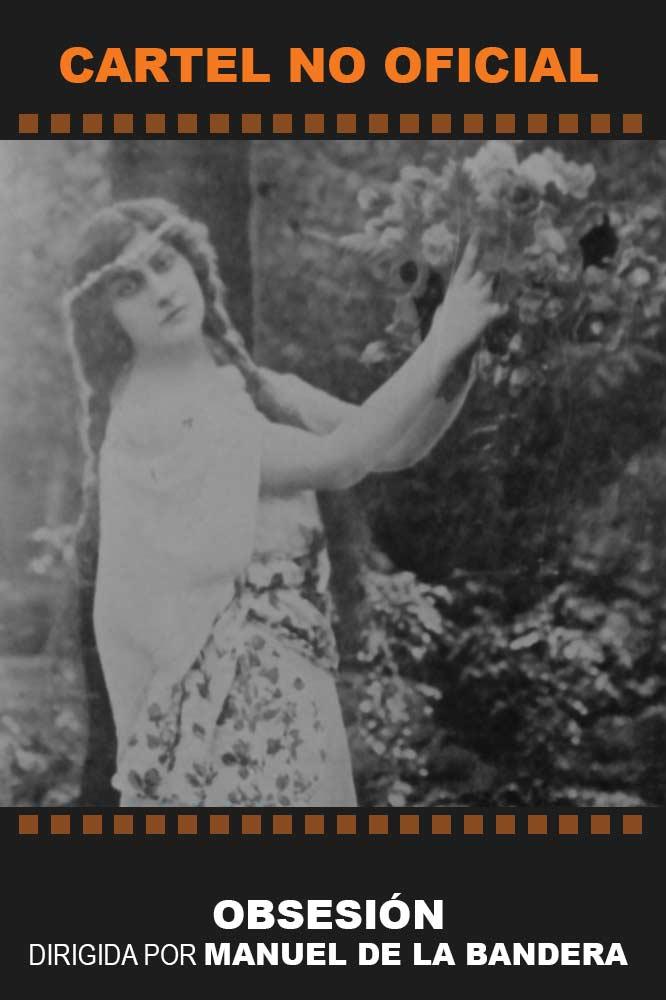
Genre Anarchy: When Narrative Boundaries Dissolve
One of the most alluring aspects of a cult classic is its refusal to fit neatly into a single box. Early cinema was a Wild West of genre-blending. Take The Crimson Clue, a film that mashed together elements of Drama, Western, and Action. It followed a cowboy from 'other parts' rescuing a rancher’s daughter from a kidnapping plot, only to be unjustly accused of cattle rustling. This narrative fluidity—the 'cowboy as detective'—prefigures the genre-bending brilliance of films like *The Adventures of Buckaroo Banzai*.

Then there is the sheer narrative audacity of A Voice in the Dark (1921). The premise—a murder mystery solved by the combined testimony of a deaf woman and a blind man—is a high-concept 'gimmick' that feels remarkably modern. This is the kind of 'hook' that attracts a niche, dedicated following. It challenges the audience to engage with the medium’s sensory limitations, much like how cult fans today obsess over the technical quirks of low-budget horror or the surrealist logic of avant-garde shorts.
The Visual Fringe: Ethnography and Otherworldliness
Cult cinema is often defined by its 'otherness,' a visual language that feels alien to the mainstream. In 1914, Edward S. Curtis released In the Land of the Head Hunters. While intended as a dramatization of Kwakiutl life, its blend of fact and fabrication, coupled with its striking ritualistic imagery and tales of evil sorcerers, creates a phantasmagoric experience that transcends simple documentary. It occupies the same liminal space as later cult hits like *The Wicker Man* or *Haxan*, where the line between reality and folklore is blurred beyond recognition.
We see another facet of this visual experimentation in The Princess' Necklace, set in the mythical 'Happyland.' The arrival of a mysterious stranger and the theft of a priceless pearl necklace evoke a sense of fairy-tale surrealism. These early forays into the fantastic provided a visual lexicon for the dreamlike, often nonsensical aesthetics that define the 'weird' side of the cult spectrum.

The Lost and the Found: The Mythology of the Missing Reel
Nothing fuels cult devotion like rarity. The 'lost film' is the holy grail of the cinephile, and the early century is littered with these phantom masterpieces. Joan of Plattsburg (1918) is a prime example. Its survival status is classified as unknown, a ghost in the machine of film history. The mere fact of its absence creates a vacuum that fandom fills with speculation and reverence. This 'lost' status elevates a standard comedy-drama into a mythic artifact, much like the legendary original cut of *The Magnificent Ambersons* or the missing scenes of *Event Horizon*.
Even films that *do* survive, like Barbarous Mexico (1913), carry a weight of historical transgression. Documenting the Mexican Revolt of 1910-1911, it captured raw, unvarnished political upheaval. In the cult context, these films are valued for their 'unfiltered' nature—they are artifacts of a time when the camera was a witness to chaos, long before the polish of the studio system sanitized the revolution.
Social Misfits and the Anti-Hero Archetype
The 'cult hero' is rarely a paragon of virtue. They are usually broken, arrogant, or socially displaced. In The Right of Way, we meet Charles 'Beauty' Steele, a snobbish attorney whose life collapses due to his own airs and alcoholism. His journey toward redemption—or at least toward a different kind of existence—mirrors the arc of the classic cult anti-hero. Steele is not a 'good man' in the traditional sense; he is a complex, flawed individual whose downfall is as fascinating as his potential for grace.
This fascination with the 'fallen' extends to Brothers Divided, where Tom King, a convict pardoned for his bravery during a prison fire, must navigate a world that still views him as an outcast. His conflict with his brother Matthew, a hated mill owner, creates a psychodrama that resonates with the 'us vs. them' mentality prevalent in cult communities. We see this again in The Pawn of Fortune, where John Hadley’s attempt to protect a woman from the boss's son leads to his discharge and a spiral into misfortune. These stories of the 'little man' crushed by the gears of society—or the 'arrogant man' humbled by his own vices—are the narrative bedrock upon which the cult of the outsider is built.
The Comedy of the Grotesque and the Absurd
Cult cinema isn't all shadows and transgression; it is also home to the deeply weird and the hilariously absurd. The short films of the 1910s, such as Tin Cans, where a dog named Brownie tricks a driver into thinking his car is rattling by tying a tin can to his tail, exhibit a proto-surrealist humor. This kind of 'lo-fi' prankishness is the direct ancestor of the absurdist comedy found in films like *Pink Flamingos* or the works of the Monty Python troupe.
Similarly, She Couldn't Grow Up features a protagonist, Mary, who is forced to dress as a child to stay out of her sister's romantic way. This kind of identity-bending and social masquerade is a recurring theme in cult narratives, where the 'performance' of self becomes a source of both comedy and pathos. It speaks to the fluidity of identity that cult fans often embrace, celebrating characters who exist on the margins of 'normal' social behavior.
The Legacy of the Maverick Vision
As we look at the diverse array of films from this era—from the mystery of The Crimson Clue to the social satire of The Education of Mr. Pipp—we see a common thread: a willingness to experiment with what the medium could do. The Education of Mr. Pipp, with its story of a Pittsburgh family trying to buy their way into New York society, uses the 'million dollars' as a catalyst for social chaos, a theme that would be revisited in countless cult satires about the vapidity of the elite.
Even the more traditional dramas like The Lion and the Mouse, featuring the 'master of finance' John Burkett Ryder and his unscrupulous soul, contributed to the cult ethos by providing a villain we love to hate—a domineering force of nature that requires a equally singular force to topple. This dynamic of the 'unstoppable force' meeting the 'immovable object' is a staple of genre cinema that cult fans have championed for decades.
Conclusion: The Eternal Midnight
The 'cult' in cult cinema is not a label applied by critics; it is a status earned through the passage of time and the passion of the audience. The films of 1910-1925, like The Vengeance Trail or The Husband Hunter, may not have been called 'cult' in their day, but they possessed the rebel DNA that would eventually define the movement. They were transgressive, they were weird, they were often misunderstood, and they were always daring.
Whether it was the 'solitary sin' of Bob and Edward or the 'double adventure' of Bob Cross, these early cinematic pioneers were carving out a space for the unusual. They proved that cinema didn't have to be just one thing—it could be a sermon, a prank, a nightmare, or a revolution. As we continue to unearth these forgotten reels, from Monika Vogelsang to The Last Card, we aren't just looking at old movies. We are looking at the foundational stones of a church that worships at the altar of the unconventional. The midnight movie didn't start in the 70s; it started the moment the first frame of a 'misfit' film flickered onto a screen, inviting us to look away from the marquee and toward the shadows.
Community
Comments
Log in to comment.
Loading comments…