
Deep Dive
Beyond the Midnight Screen: The Primal Architecture of Cult Cinema's Subversive Soul
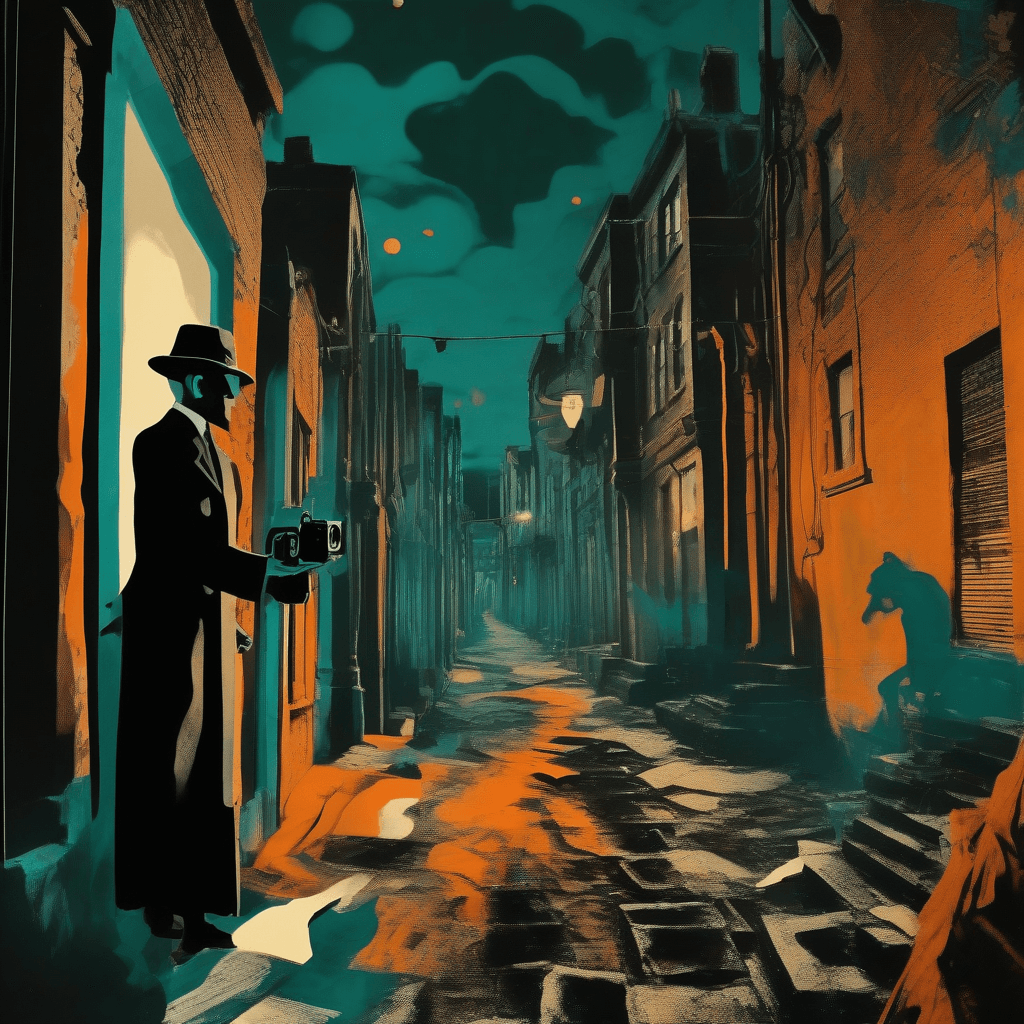
“Explore the hidden foundations of cult cinema, from the expressionist nightmares of the silent era to the transgressive melodramas that first challenged the boundaries of the silver screen.”
The term "cult cinema" is often tossed around in the modern era to describe anything with a niche following or a slightly off-kilter aesthetic. However, to truly understand the genetic makeup of the cult movie, one must look back into the flickering shadows of the early 20th century. Long before the midnight movie circuits of the 1970s, the seeds of cinematic rebellion were being sown in the silent era and the early talkies. These were films that dared to be different, whether through visual experimentation, moral ambiguity, or narrative anarchy. They were the original outcasts, the films that didn't quite fit the emerging Hollywood mold, and in their defiance, they created a blueprint for every subversive masterpiece that followed.
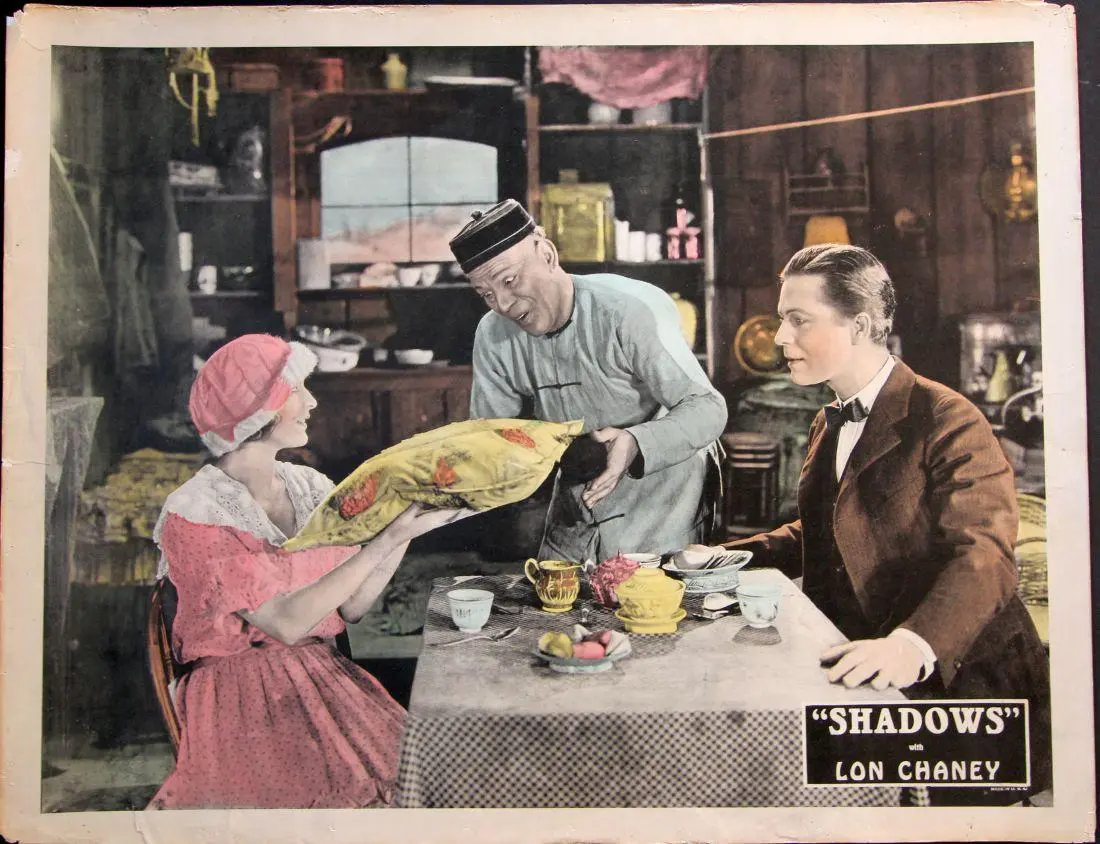
The Somnambulist’s Shadow: Visual Anarchy and Expressionism
When we discuss the visual language of cult cinema, the conversation inevitably begins with The Cabinet of Dr. Caligari. This 1920 masterpiece didn't just tell a story; it constructed a nightmare. By using a somnambulist named Cesare to commit murders under the hypnotic thrall of a mad doctor, the film introduced the world to a distorted, jagged reality. This was the birth of the "visual outlier." The twisted sets and heavy shadows of German Expressionism provided a sanctuary for the strange, a place where the internal psyche of a character could be projected onto the very walls of the set. This rejection of realism is a cornerstone of the cult ethos. It tells the audience that the world they are entering is governed by different rules—rules of the subconscious, the macabre, and the surreal.
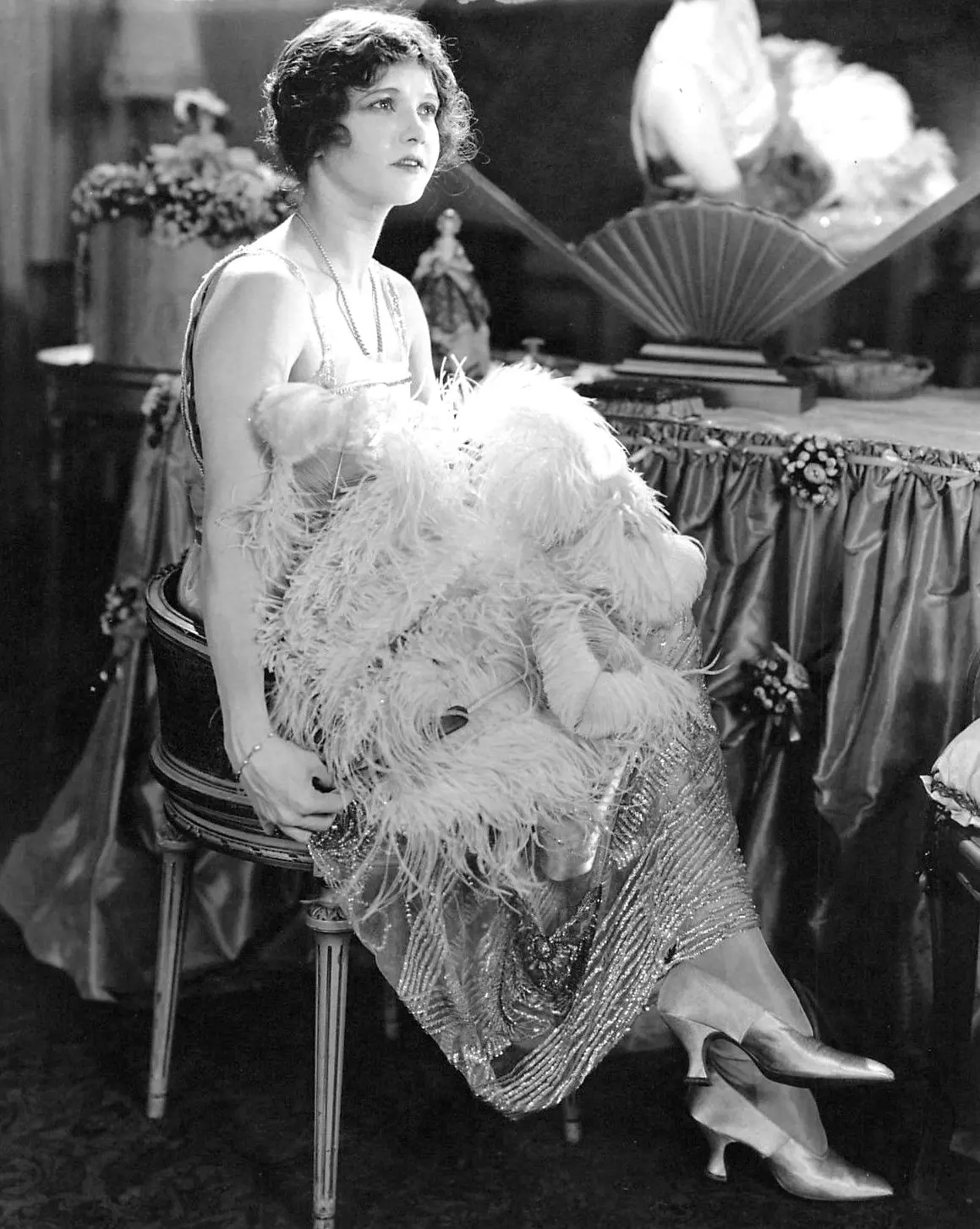
This visual rebellion wasn't limited to Europe. Even in the burgeoning American market, films like The Gray Horizon explored the tension between traditional aesthetics and the struggles of the immigrant experience, often utilizing mountainous, isolated landscapes to reflect the internal state of a Japanese artist pushed to the brink. These films understood that to capture the heart of a "cult" audience, one must offer a vision that the mainstream is too afraid to acknowledge. They utilized the camera not as a mirror, but as a prism, refracting reality into something unrecognizable yet deeply resonant.

The Social Misfit and the Urban Labyrinth
Cult cinema has always been a refuge for the disenfranchised. In the early days of film, the "social waif" became a recurring archetype that spoke to the anxieties of a rapidly urbanizing world. Films like Mary Ellen Comes to Town and The Dream Girl presented young women navigating the treacherous waters of the big city, often falling prey to "city-slickers" or illegal blackmail schemes. These narratives resonated with audiences who felt like outsiders themselves—individuals caught between the rural past and the industrialized future. In Susan Rocks the Boat, we see the wealthy socialite attempting to find meaning in the slums, a theme that highlights the class divide that has always fueled the fires of counter-culture cinema.

These stories often took place in the "urban labyrinth," a setting that would later become a staple of film noir and its cult descendants. In Number 17, a writer goes undercover in Chinatown to research criminal activity, a narrative device that allows the audience to peer into the hidden corners of society. This voyeuristic thrill—the act of looking where one is not supposed to look—is essential to the cult experience. It transforms the viewer into an initiate, someone who has been granted access to a secret world. Whether it's the river pirates of Hoarded Assets or the undercover burglar in The Love Burglar, these films celebrate the double life, the secret identity, and the thrill of the forbidden.

The Meta-Narrative and the Cinema of Murder
Long before the post-modernist boom of the 1990s, early cinema was already experimenting with meta-narratives and the blurred lines between fiction and reality. The Cinema Murder is a fascinating example of this, featuring an actress who rehearses a murder scene only to find herself embroiled in a real-life power struggle with a Wall Street backer. This layer of self-reflexivity—cinema commenting on its own artifice—is a trait shared by many cult classics. It invites the audience to question the nature of the medium itself. If the screen can lie to us, what else in our reality is a fabrication?

Similarly, the exploration of the mind through hypnosis and suggestion in One Hour Before Dawn predates the psychological thrillers that would dominate the midnight movie scene decades later. When a man is commanded by a hypnotist to kill, and then fears he has actually committed the crime, the film taps into a primal fear of losing control. This theme of psychological manipulation and the fragility of the human will is a rich vein that cult directors have mined for a century. It challenges the viewer to look inward, often revealing uncomfortable truths about the nature of violence and morality.
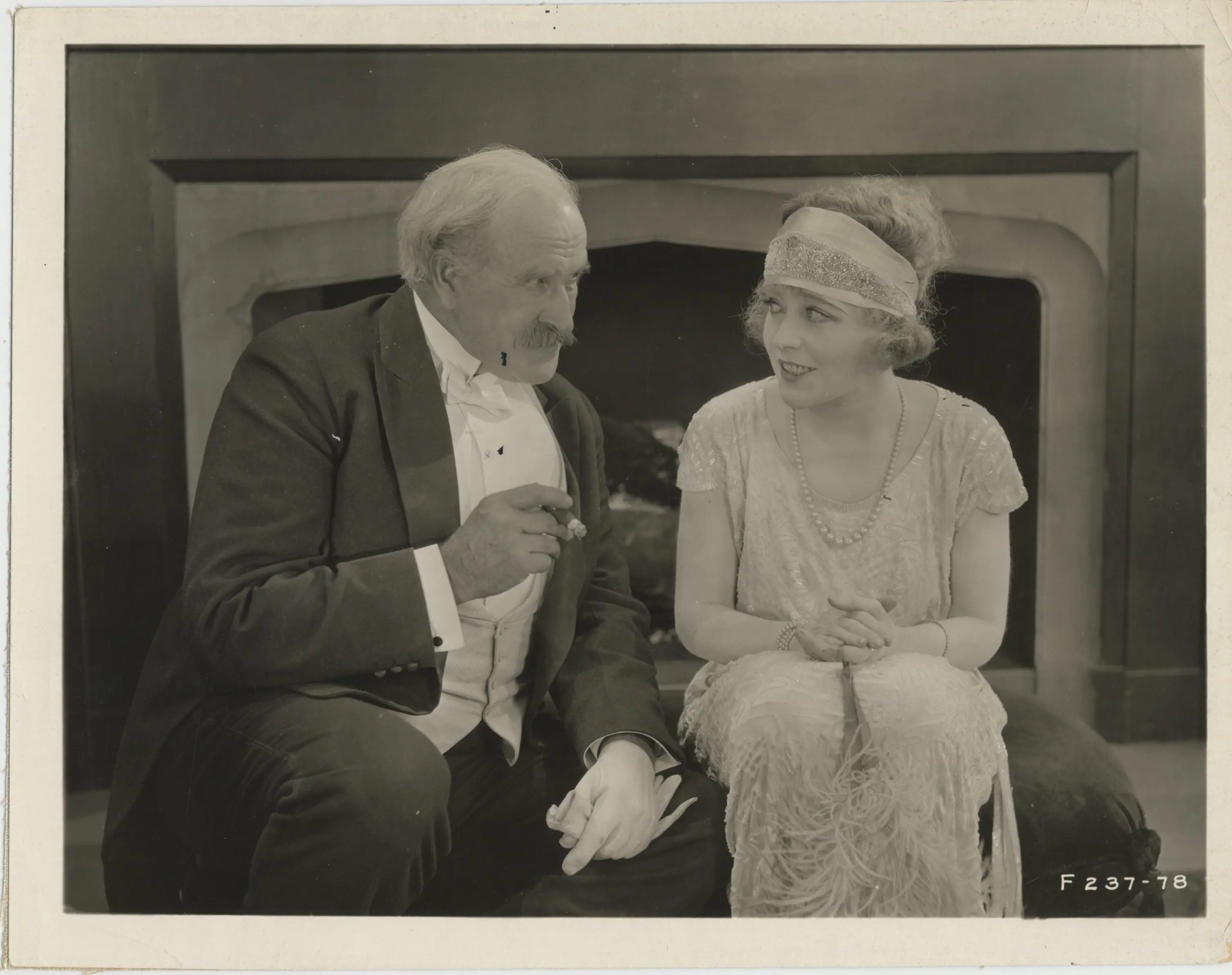
The Vamp and the Victim: Gendered Rebellion
One cannot discuss the subversive roots of cinema without addressing the "Vamp." In The Wolf Woman, we are introduced to Leila Aradella, a narcissistic woman who preys upon men, ruining them both morally and financially. This archetype was a direct challenge to the Victorian ideals of womanhood that still lingered in the early 20th century. The Vamp was dangerous, independent, and utterly unapologetic. She was a proto-cult icon, a figure who represented a break from the domestic sphere and a dive into the deep end of desire and destruction.
On the other side of this coin were the melodramas that explored the consequences of social transgression. Should a Husband Forgive? and The Mating of Marcella dealt with themes of infidelity, class struggle, and the rigid moral codes that governed early 20th-century life. These films often ended in tragedy, but their popularity suggested a public hunger for stories that acknowledged the complexities of human relationships. In A Woman's Triumph, based on the struggles of the Deans sisters in Edinburgh, we see the tension between religious rigidity and the reality of human suffering. These narratives provided a cathartic outlet for audiences who felt trapped by their own societal expectations, laying the groundwork for the transgressive melodramas of the 1950s and 60s.
International Oddities and the Global Cult
The cult phenomenon is not a Western invention. From its earliest days, cinema was a global language of the strange and the wonderful. In Sweden, Mästerman told the tale of a despised and cruel pawnbroker, utilizing a stark, northern aesthetic to explore themes of terror and isolation. In India, Vichitra Gutika offered a comedic yet chaotic look at love and fate, proving that the "weird and wonderful" had a home in every culture. Even the short-form content of the era, such as Germany's Teufelchen (The Little Devil), which featured a mischievous red rascal seeking an elixir from the doctor of hell, showed a penchant for the supernatural and the absurd.
These international films remind us that the "cult" impulse—the desire to see something that defies the ordinary—is a universal human trait. Whether it is the revolutionary fervor of The Revolutionist or the optimistic (and sometimes gratingly so) outlook of Pollyanna, cinema has always been a place where different cultures could project their hopes, fears, and wildest fantasies. The fact that many of these films are now lost or obscured only adds to their cult allure. They are the "phantom reels" of history, waiting to be rediscovered by a new generation of cinematic archaeologists.
The Underworld Infiltration: Noir’s Proto-Cult Roots
The fascination with the criminal underworld is a thread that runs through the entire history of cult cinema. Early films like Find the Woman and Among Those Present explored the world of masquerades, jewel thefts, and impersonation. There is a inherent rebellion in the act of impersonating a nobleman or infiltrating an opera company for personal gain. It speaks to a desire to subvert the established order, to play a role that society has denied you. This theme of identity as a performance is a central pillar of cult classics like The Rocky Horror Picture Show or Liquid Sky.
Furthermore, the "tough guy" archetype seen in The Golden Goal, where a longshoreman finds himself in the middle of a seaman's mission and a wealthy girl's search for excitement, highlights the collision of worlds that often defines cult narratives. When the high-born meet the low-born, the resulting friction creates a spark that illuminates the cracks in the social facade. Even the controversial The Birth of a Nation, while rightfully condemned for its racist portrayals, remains a subject of intense study for its technical innovations and its role in the development of cinematic propaganda. It stands as a dark monument to the power of film to shape—and distort—collective memory, a topic that continues to be central to the discussion of controversial cult artifacts.
Conclusion: The Eternal Return of the Abnormal
As we look back at these fifty foundational films, from the orphaned struggles of Lena Rivers to the hypnotic murders of The Cabinet of Dr. Caligari, we see a pattern emerging. Cult cinema is not a modern invention; it is a primal urge. It is the urge to see the unseen, to speak the unspoken, and to celebrate the abnormal. The early pioneers of film were not just making movies; they were building an altar to the unusual. They were the first to realize that the screen could be a place where the rules of the world did not apply.
Today, as we gather in darkened theaters for midnight screenings or scour streaming services for obscure gems, we are participating in a tradition that is over a century old. We are the descendants of the audiences who marveled at The Wolf Woman and trembled at the pawnbroker in Mästerman. We are the seekers of the subversive soul, the keepers of the maverick flame. In the end, cult cinema is more than just a category of film—it is a way of seeing the world. It is a reminder that even in a world of mainstream blockbusters and predictable narratives, there will always be a place for the strange, the broken, and the beautiful. The midnight screen is always waiting, and the shadows it casts are longer and deeper than we ever imagined.
Community
Comments
Log in to comment.
Loading comments…