
Cult Cinema
Beyond the Mainstream: Cult Cinema's Alchemy of Unorthodoxy and Enduring Fandom

“Cult cinema operates outside the conventional, forging a unique bond with audiences through its daring narratives, transgressive themes, and often bizarre aesthetics. This exploration delves into the historical roots and enduring appeal of films that defy easy categorization, transforming obscurity …”
In the vast, ever-expanding universe of film, there exists a peculiar constellation known as cult cinema. These are not merely movies; they are phenomena, experiences, and often, sacred texts for their devoted followers. They are the cinematic outliers, the misunderstood masterpieces, the films that, for myriad reasons, failed to capture the mainstream imagination upon release but went on to achieve an enduring, fervent, and often ritualistic following. What is it about these unconventional films—from the silent era's strange dramas to modern-day midnight movies—that allows them to transcend mere entertainment and become cultural touchstones, forging communities and shaping identities?

The Genesis of the Cult Gaze: Early Cinema's Maverick Seeds
To truly understand the enduring allure of cult cinema, we must cast our gaze back to the very dawn of the moving image. Long before the term 'cult film' entered the critical lexicon, early cinema was already laying the groundwork for what would become a distinct cinematic ethos. The nascent film industry, often experimental and unburdened by rigid genre conventions, produced a fascinating array of narratives that, in retrospect, contain the primal DNA of cult classics. Imagine a time when the spectacle of a Jeffries-Johnson World's Championship Boxing Contest could be a cinematic event, drawing crowds not just for the sport, but for the sheer novelty of captured reality, creating a shared experience that verged on the ritualistic.
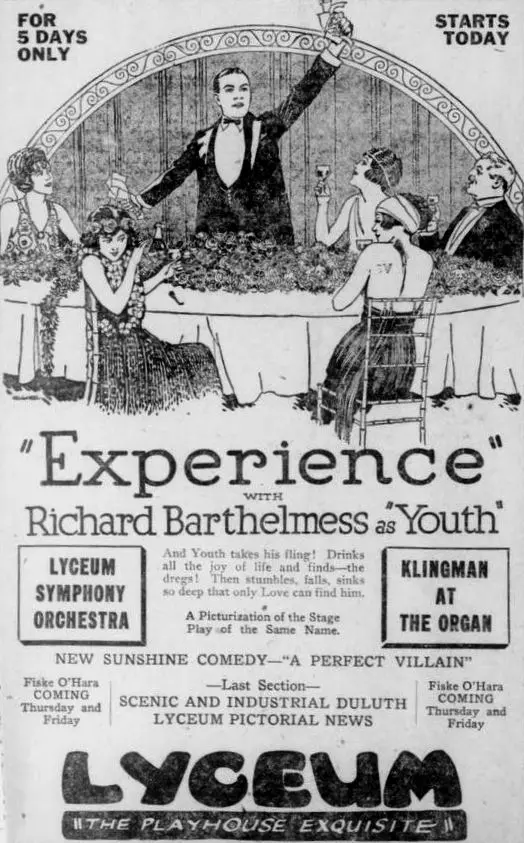
Many early films, though perhaps not intentionally subversive, challenged societal norms or explored themes that were, for their time, daring. Consider the dramatic narratives of morality and consequence: films like The Wax Model, with its tale of neglect and a daughter’s tragic inheritance of distrust; or A Lady in Love, delving into bigamy and desertion. These were not lighthearted tales, but rather stark portrayals of human suffering and societal failings. Even narratives like Children Not Wanted, highlighting the plight of orphans, or Should a Woman Tell?, addressing the shame of a wronged village girl, tackled weighty social issues with a frankness that might have resonated deeply with niche audiences seeking reflections of their own struggles or moral quandaries. These films, often melodramatic, carved out spaces for stories that mainstream narratives sometimes shied away from, fostering an early form of cinematic rebellion.

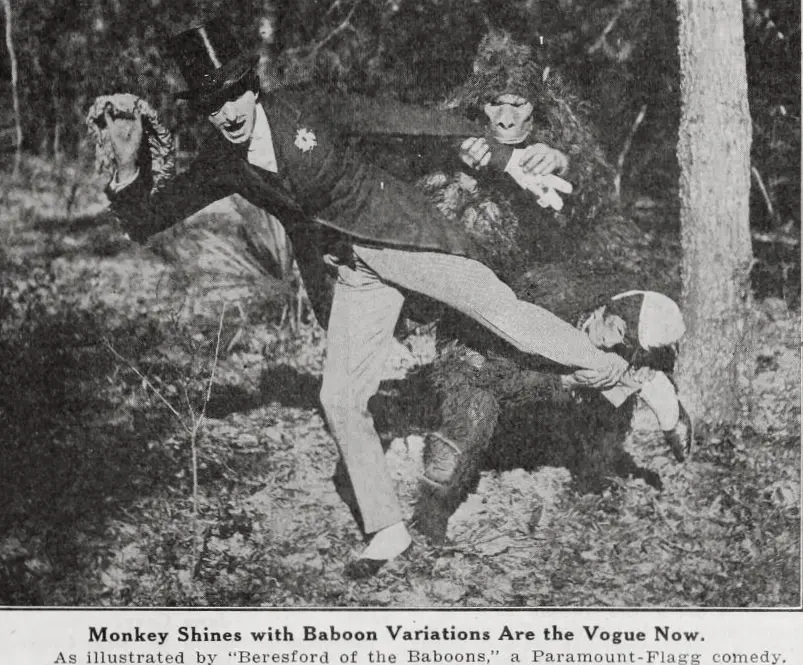
The sheer inventiveness of early filmmakers also led to narratives that were inherently bizarre or surreal, predating the conscious surrealism of later avant-garde movements. What could be more cult-worthy than a protagonist raised by primates and teaching them mining engineering, as hinted at in Beresford and the Baboons? Or a man seeking revenge with a live lion in Jiggs and the Social Lion? These were not just comedies; they were excursions into the absurd, testing the boundaries of what an audience would accept or find entertaining. This early embrace of the unconventional and the strange laid crucial groundwork for the future of cult cinema.

The Maverick Spirit: Genre Defiance and Transgressive Narratives
A defining characteristic of cult films is their willingness to defy or blend genres, creating something wholly unique and often challenging. Early cinema, in its formative years, was a fertile ground for such experimentation. While some films offered straightforward adventure like The Fatal Fortune or political intrigue in Captain Alvarez, others ventured into darker, more ambiguous territories. The episodic nature of serials, exemplified by something like The Vampires: Satanas, with its shadowy criminal organization and daring escapes, captivated audiences over multiple installments, building anticipation and a dedicated following akin to modern-day binge-watching. These early genre pieces, often pulp-inspired, cultivated a taste for the thrilling and the forbidden.

Moreover, many proto-cult films embraced transgressive narratives, exploring themes that pushed against the moral fabric of their era. Films about forced engagements, political corruption, and the struggles of identity, as seen in Man-Woman-Marriage, offered a stark realism that contrasted with more escapist fare. Even seemingly simple comedies, like Monkey Business, with its depiction of domestic strife and a neglected child, or Up in Betty's Bedroom, hinting at scandalous hotel encounters, played with societal expectations and taboos. This early engagement with controversial subjects, from murder in Broken Fetters to the psychological complexities in Called Back, established a precedent for films that dared to look where others wouldn't, fostering an audience hungry for narratives that reflected the messiness of real life, or the thrilling escapism of moral ambiguity.
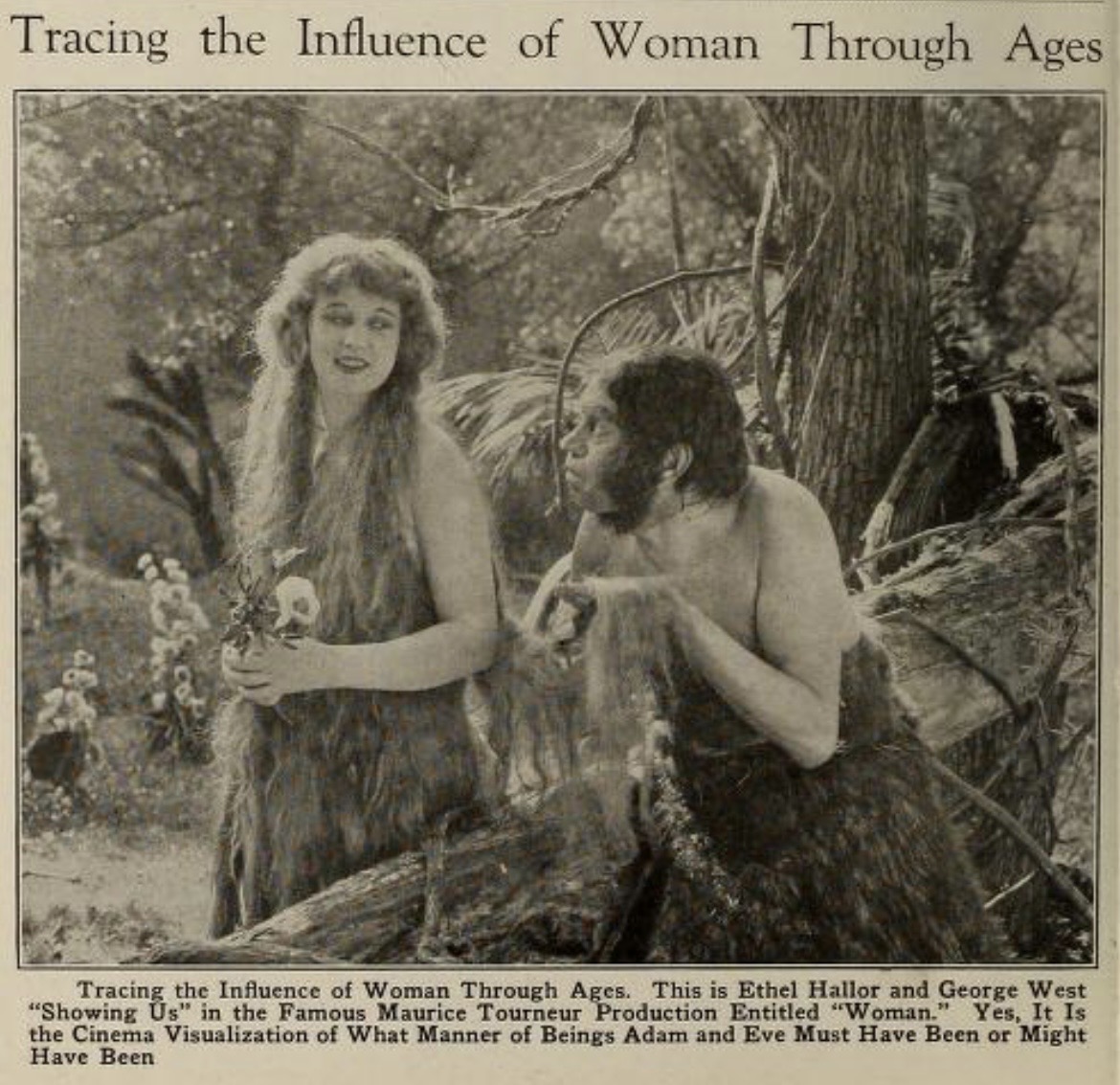
The silent era also saw the rise of compelling character studies, often featuring protagonists who were outsiders or rebels. The journey of an orphan like Jane Eyre in Woman and Wife, or the determined Jennie in The Atom who saves a disfigured actor from suicide, showcased resilience and unconventional heroism. These characters, often marginalized or facing immense adversity, resonated with viewers who felt similarly adrift from mainstream society, forming an early emotional connection that is a hallmark of cult film fandom. The ability of cinema to render the unseen and the unspoken visible, even in its earliest forms, was a potent force in shaping these early, devoted audiences.

The Alchemy of Rediscovery: From Obscurity to Iconic Status
A significant aspect of cult cinema is its journey from initial obscurity or critical dismissal to eventual veneration. Many films, overlooked or misunderstood upon their release, find their true audience years, or even decades, later. This process of cinematic rediscovery is an alchemical one, transforming forgotten reels into cherished artifacts. A film might be too far ahead of its time, its themes too challenging, or its aesthetic too peculiar for contemporary tastes. Yet, with the passage of time, cultural shifts, and the emergence of new generations of cinephiles, these films are unearthed, re-evaluated, and celebrated.

This phenomenon is not new; it has roots even in the early days of film distribution and exhibition. While we can't definitively say which silent films were 'cult' in the modern sense, the very nature of early cinema's varied output meant that certain films, perhaps those with unique artistic merit or particularly shocking content, would have been discussed and sought out by specific groups. The fragmented nature of early film preservation means that many potential cult classics from that era, such as A Pool of Peaches or The Potum of Swat, might now be lost or only exist in fragments, their full impact on early audiences forever a mystery. Yet, their very titles hint at a willingness to explore the unusual, the comedic, and perhaps the slightly scandalous, which are all ingredients for future cult status.
The journey of a film from obscurity to cult icon is often fueled by word-of-mouth, independent screenings, academic re-evaluations, and the passionate advocacy of dedicated fans. It’s a testament to the idea that true artistic merit, or at least a unique vision, will eventually find its champions. These films often offer something beyond superficial entertainment; they provide a sense of belonging, a shared secret, an alternative perspective that mainstream media often lacks. This is particularly true for films that tackle complex social dynamics, such as The World's Great Snare or Vanity and Vengeance, whose nuanced portrayals of human nature could resonate more deeply with a discerning audience.
The Power of the Unseen and the Subversive
Cult films frequently delve into territories that mainstream cinema avoids. They explore the grotesque, the morally ambiguous, the psychologically disturbing, or simply the profoundly weird. This willingness to push boundaries, to be subversive, is a major draw. Early films, too, grappled with these themes, albeit within the constraints of their time. The dramatic tension in Under Cover, a tale of jewel smuggling, or the exploration of dark psychological states in Called Back, show an early fascination with the criminal underworld and the human psyche’s darker corners. These narratives, even if presented in a more conventional style, contained the seeds of transgression that would blossom in later cult movements.
The very act of seeking out and appreciating these films is, in itself, an act of rebellion against the homogenizing forces of popular culture. It’s a declaration of individuality, a preference for the peculiar over the predictable. Whether it’s the intense drama of A vasgyáros or the lighthearted absurdity of Rush Orders, cult films offer a sanctuary for those who feel alienated by the mainstream. They speak a different language, one understood by a select few, and in that shared understanding, a powerful community is forged.
The Ritual and Community of Fandom: More Than Just Watching
Perhaps the most distinctive feature of cult cinema is the active, often participatory, nature of its fandom. Watching a cult film is rarely a passive experience. It can involve repeat viewings, quoting dialogue, dressing up, engaging in online discussions, or attending midnight screenings that become communal rituals. This level of engagement transforms the film from a mere product into a shared cultural phenomenon, a living entity sustained by its audience.
While the concept of 'midnight movies' became prominent in the 1970s, the idea of specialized screenings or repeat viewings has historical precedent. Early cinema, with its nickelodeons and repertory houses, allowed for repeated exposure to films. Audiences might return to see a particularly thrilling serial installment like The Vampires: Satanas, or a visually striking piece like La perla del cinema. This repeated exposure deepens appreciation, allowing viewers to uncover new layers of meaning, appreciate subtle performances, or simply revel in the unique atmosphere of a film. The films mentioned, even the comedies like Energetic Eva or A Bunch of Keys, could have fostered a similar sense of shared enjoyment and inside jokes among their early viewers.
The community aspect is vital. Cult film fans often find a sense of belonging with others who share their esoteric tastes. These communities can be global, connecting individuals across continents through shared obsessions. This collective appreciation elevates the film from a personal enjoyment to a communal celebration, reinforcing its status as something special, something set apart. The obscure, the challenging, the aesthetically daring—these qualities, once seen as weaknesses, become the very pillars of their strength, drawing in audiences who crave depth and distinction over mass appeal.
The Enduring Legacy of the Unorthodox
Cult cinema, therefore, is not merely a genre; it is a testament to the multifaceted power of film itself. It reminds us that art is not always immediately understood or universally embraced. It celebrates the maverick filmmaker, the daring storyteller, and the unconventional vision that dares to be different. From the early silent narratives that explored the dark corners of humanity in Grif starogo bortsa or the social critiques in Overalls, to the comedies that pushed boundaries like The Potum of Swat and Gas, the seeds of cult were sown early.
These films, whether they are dramas of moral complexity like Youthful Folly, or exotic adventures like Aziade, collectively demonstrate that cinematic value is not solely dictated by box office success or critical acclaim. It is often found in the margins, in the works that challenge, provoke, and inspire intense personal connection. The alchemy of unorthodoxy transforms these initially overlooked films into enduring cultural touchstones, fostering a legacy of obsession and radical devotion that continues to captivate and unite audiences worldwide. Cult cinema is a vibrant, ever-evolving space where the past constantly informs the present, and where the most unusual creations find their most passionate champions.
Ultimately, the enduring appeal of cult cinema lies in its ability to offer an alternative, a refuge from the predictable. It’s a celebration of the unique, the strange, and the deeply personal connection between a film and its audience. It’s a powerful reminder that sometimes, the greatest treasures are found not in plain sight, but in the shadowy corners, waiting for the devoted to unearth them and give them their rightful place in the cinematic pantheon of the unorthodox.
Community
Comments
Log in to comment.
Loading comments…