
Cult Cinema
The Celluloid Alchemist: Forging Fandom and Unearthing Cult Cinema's Enduring Mystique
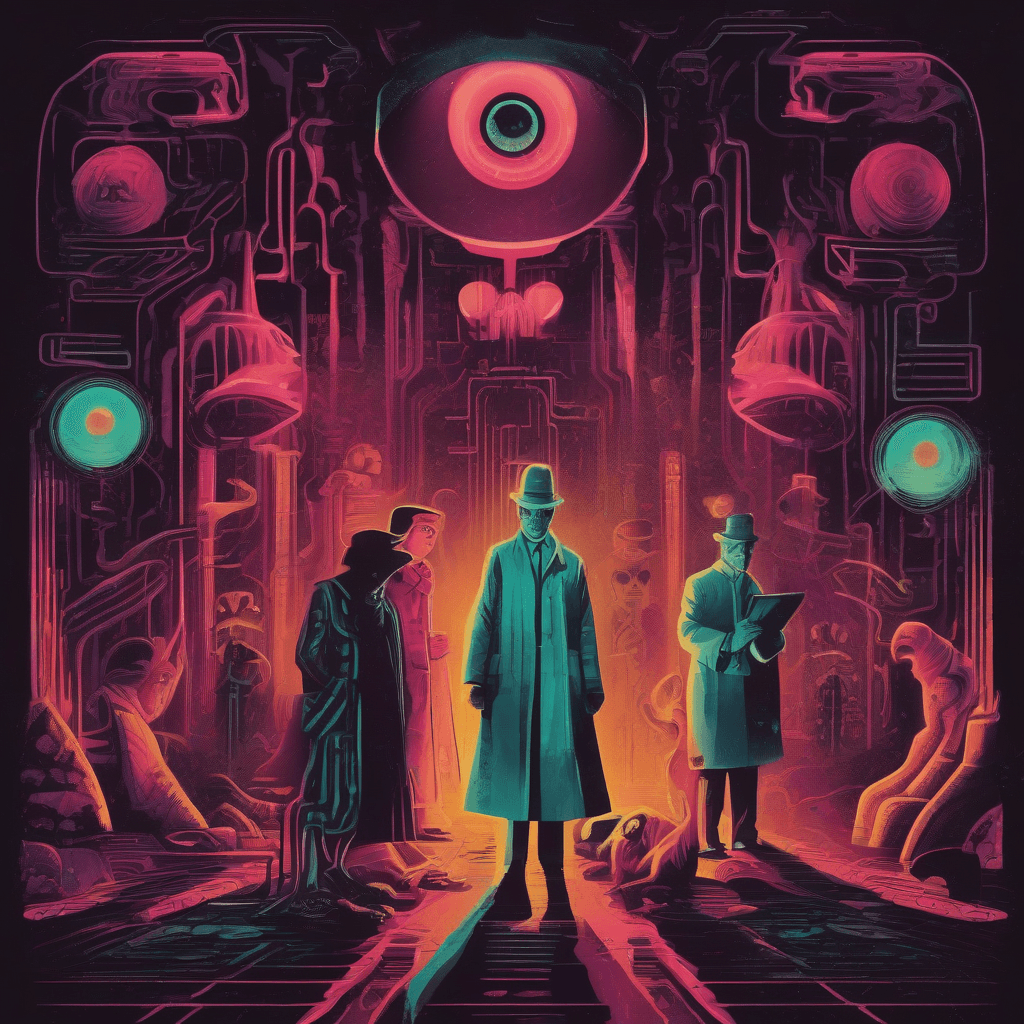
“Cult cinema transcends mere entertainment, acting as a potent alchemical force that transforms obscure narratives into shared obsessions and devoted communities. This deep dive explores the enigmatic allure and historical roots of films that defy mainstream categorization, forging an indelible legac…”
In the vast, ever-expanding universe of film, certain works resist easy categorization, refusing to be confined by critical consensus or box office receipts. These are the cult films, cinematic anomalies that operate on a different plane, evolving from mere movies into cultural touchstones, shared secrets, and sometimes, objects of fervent, almost religious devotion. What is it about these unconventional narratives, often overlooked or misunderstood upon their initial release, that allows them to capture the collective imagination and forge an enduring legacy?
The answer lies in a complex interplay of factors: their subversive spirit, unique aesthetics, often transgressive themes, and perhaps most importantly, the active participation of their audience. Cult cinema is not just a genre; it's a phenomenon, a testament to the power of shared experience and the human desire for belonging, even if that belonging is found on the fringes of mainstream culture. From the eerie silent dramas to the most outrageous midnight movies, these films invite viewers into an exclusive club, offering a vision that is at once challenging, captivating, and deeply personal.

The Genesis of the Cult Phenomenon: Early Seeds of Subversion
To truly understand the enduring allure of cult cinema, we must journey back to its nascent roots, long before the term 'cult film' entered the popular lexicon. Even in the formative years of the medium, the silent era, filmmakers were already experimenting with narratives and themes that pushed societal boundaries, defied conventional storytelling, or simply possessed an undeniable, idiosyncratic charm. These early cinematic outliers, often forgotten by official film history, contained the primordial DNA of what would later become the cult aesthetic.
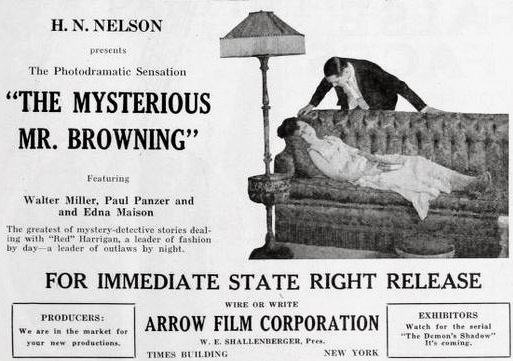
Consider the sheer variety of storytelling that emerged during this period. While many films aimed for broad appeal, others delved into more unsettling or peculiar territories. The dramatic intricacies of a frigid royal bride in Il potere sovrano, or the poignant struggle against racial animosity in The Burden of Race, reveal an early willingness to tackle complex human conditions. Similarly, the exploration of moral ambiguity, such as the wealthy man leading an underworld gang in The Mysterious Mr. Browning, or the tragic consequences of broken vows in the Greek drama Golfo, showcases a fascination with the darker, more unconventional aspects of human nature.
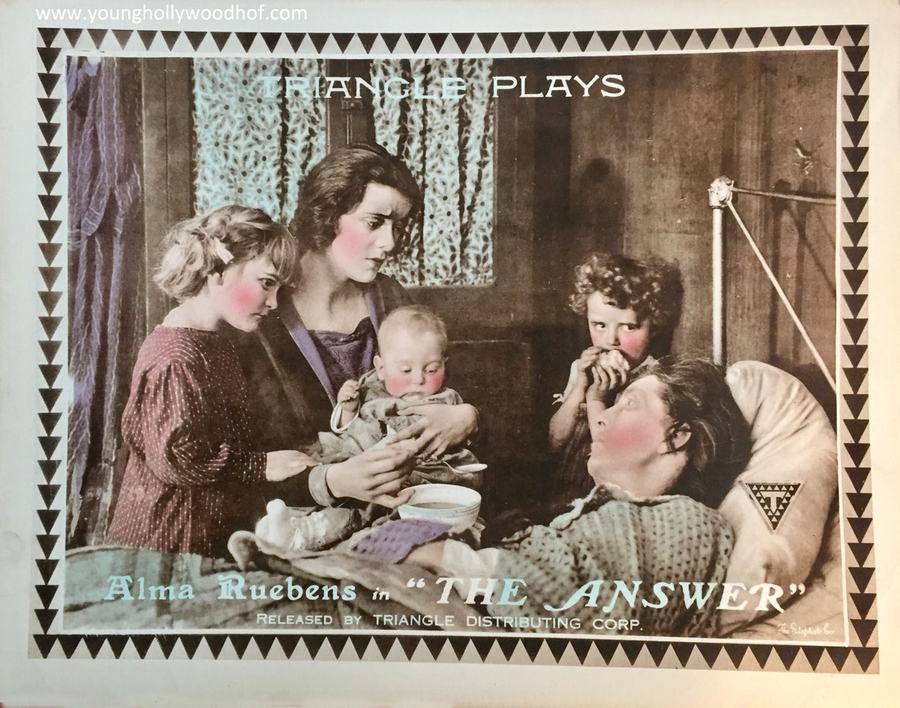
These films, though not necessarily 'cults' in their contemporary context, established a precedent for transgressive narratives and niche appeal. They were not always commercial successes, nor were they universally acclaimed, but their existence hinted at a burgeoning appetite for stories that deviated from the norm. The melodramatic intensity of Loyalty, exploring a difficult marriage to a drug addict, or the fantastical transformation in The Great Redeemer where a drawing comes to life, demonstrate a creative spirit unbound by strict realism or moralizing. These early experiments, often produced outside the nascent studio system's tight control, allowed for a freedom that would later define underground cinema.
Defining the Indefinable: Characteristics of Cult Cinema
What exactly qualifies a film for cult status? It's rarely about technical perfection or critical adoration. Often, it's the opposite. Many cult classics were initially panned, ignored, or simply too bizarre for mass consumption. Their journey to fandom is typically one of reappraisal and discovery by a dedicated audience that sees something profound, unique, or wonderfully weird that the mainstream missed.
Subversion and Transgression
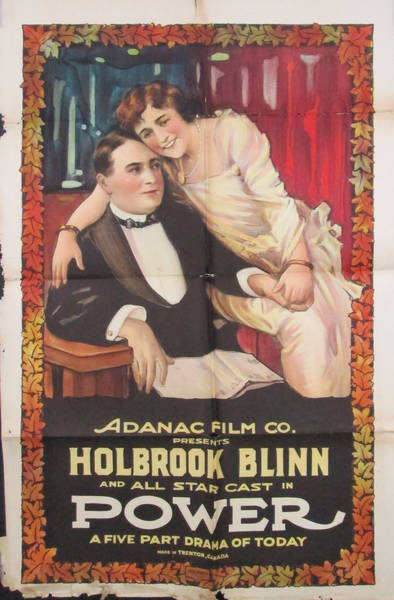
At its core, cult cinema frequently challenges established norms, whether social, moral, or cinematic. Films like The Cup of Life, with its tale of sisters navigating the allure of wealth and illicit desires, or Stolen Moments, depicting blackmail and an affair, hint at narratives that pushed boundaries for their time. They often explore taboo subjects, controversial themes, or present unconventional viewpoints that force viewers to confront uncomfortable truths or question their own perceptions. This rebellious spirit is a magnetic force, attracting those who feel alienated by mainstream narratives.
Distinctive Aesthetics and Auteur Vision
Cult films often possess a singular, unmistakable visual style or atmospheric quality. This could be anything from surrealist imagery to gritty realism, from flamboyant camp to stark minimalism. Directors with a strong, uncompromising vision, an auteur vision, often create these worlds. Think of the unique adventures in On the Spanish Main or the dramatic tension in Sealed Orders; even in early cinema, a distinctive hand could shape a memorable, if peculiar, experience. This unique aesthetic creates an immersive experience that resonates deeply with certain viewers, distinguishing the film from its more polished, formulaic counterparts.
Genre Bending and Defiance
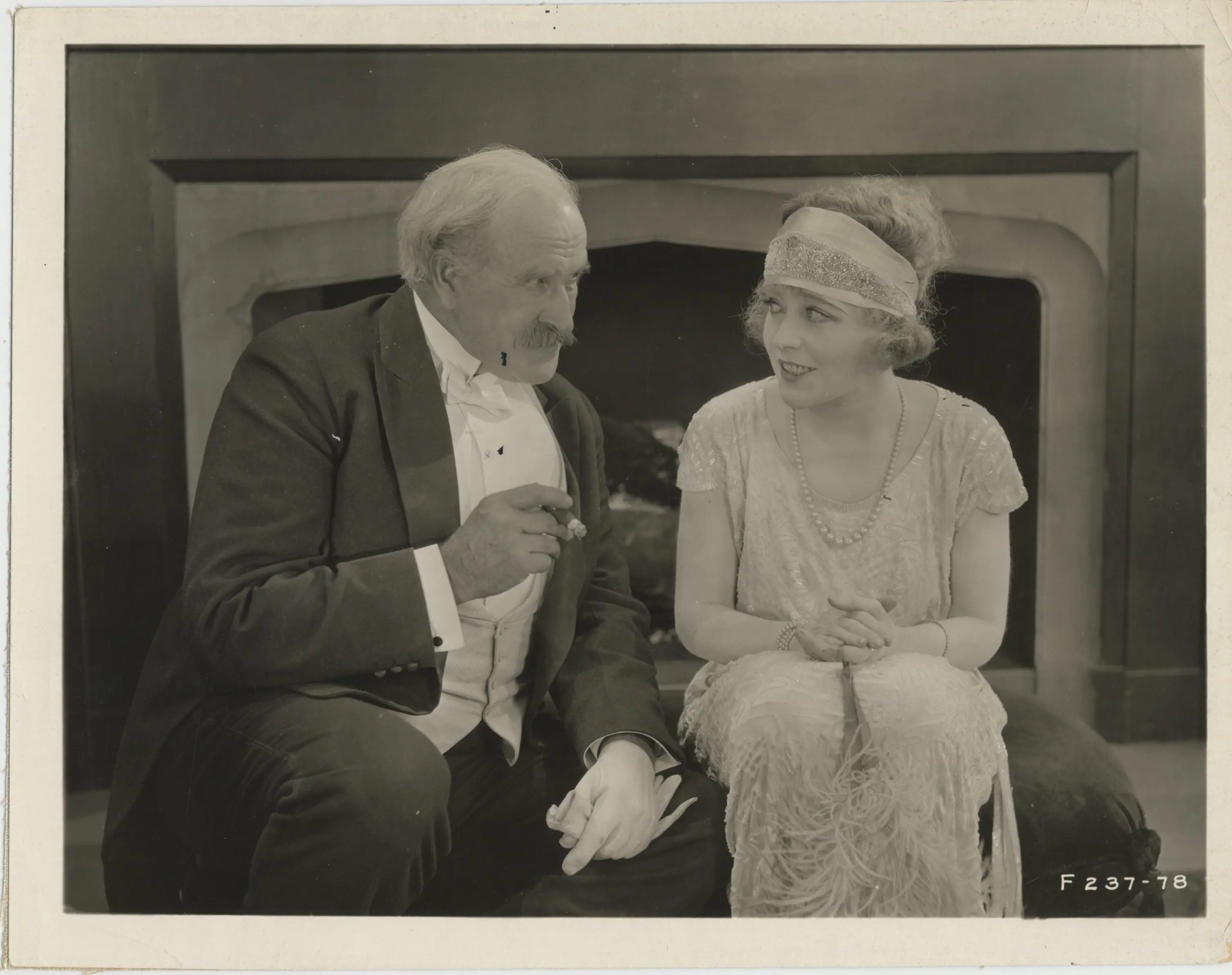
Many cult films gleefully disregard genre conventions, blending elements in unexpected ways or creating entirely new cinematic languages. They might be horror films with comedic undertones, sci-fi epics with philosophical depth, or dramas infused with surrealism. This genre-bending approach ensures that the films are often difficult to market to a broad audience, but precisely this defies expectation and provides a fresh experience for those seeking something different. From the dramatic twists of The Prodigal Liar to the adventurous spirit of Robbery Under Arms, these films refused to be easily pigeonholed.
Flawed Brilliance and Accidental Genius
Sometimes, a film achieves cult status not despite its flaws, but because of them. A low budget, amateurish acting, or a convoluted plot can, paradoxically, add to a film's charm and authenticity. There's a raw, unfiltered quality to these works that can be more appealing than polished perfection. The earnestness of films like Little Miss Fortune, a tale of an orphaned girl aspiring to be an actress, or the simple comedy of Fresh from the Farm, can resonate deeply with an audience that appreciates genuine, unpretentious storytelling, even if it's imperfect.
The Audience as Alchemist: Forging Fandom and Community
A film doesn't become a cult classic in a vacuum. It requires an audience – a dedicated, passionate fandom that embraces its peculiarities, celebrates its imperfections, and elevates it to iconic status. This is where the true alchemy of cult cinema occurs: the transformation of a mere film into a shared experience, a communal ritual.
Repeated Viewings and Deep Engagement
Unlike mainstream blockbusters that are often consumed once and forgotten, cult films invite, even demand, repeated viewings. Each watch reveals new layers, hidden meanings, or simply reinforces the joy of revisiting a beloved, familiar world. This deep engagement fosters a sense of intimacy with the film, allowing viewers to dissect every frame, every line of dialogue. The intricate portrayals of historical events in One Hundred Years of Mormonism or the dramatic narratives of power and loss in König Nicolo could inspire such analytical devotion, even in their earliest forms.

Midnight Movies and Participatory Rituals
The midnight movie phenomenon of the 1970s and beyond perfectly encapsulates the communal aspect of cult cinema. Screenings became interactive events, where audiences dressed up, recited lines, and engaged in a collective celebration of the film. This participatory culture, while more explicit in later decades, has its roots in any film that inspires deep affection and a desire for shared experience. Even the escapist fantasies of A Little Princess or the dramatic tension of The Bells could, for certain individuals, become deeply personal touchstones.
Word-of-Mouth and the 'Shared Secret'
Cult films rarely achieve their status through conventional marketing. Instead, their popularity spreads organically, through word-of-mouth, hushed recommendations, and the thrill of sharing a 'secret' with like-minded individuals. This creates an exclusive club, a sense of belonging for those who appreciate the obscure gems. Films like The Quack Doctor or The Wig-Wag System, though perhaps simple comedies or romances, could have been those whispered recommendations among friends, passed down for their unique charm or memorable moments.

Online Communities and Digital Fandom
In the digital age, this communal aspect has only intensified. Online forums, social media groups, and streaming platforms have made it easier than ever for fans to connect, discuss, and celebrate their beloved cult films. This global connectivity ensures that even the most forgotten narratives, like the historical drama The Betrothed or the adventure of Captain of the Gray Horse Troop, can find new audiences and be re-evaluated through a contemporary lens.
The Enduring Legacy of the Maverick Screen
The impact of cult cinema extends far beyond its dedicated fandoms. These films, often initially dismissed, frequently influence mainstream cinema, inspiring new generations of filmmakers and artists. Their maverick spirit and willingness to break rules pave the way for future cinematic experimentation.
From the early explorations of human foibles in Baron Olson, a comedy about a bachelor surrounded by married women, to the dramatic stakes of The Golden Chance, where a seamstress becomes an escort, these films, in their own ways, contributed to the evolving language of cinema. They demonstrated that there was an audience for stories that didn't fit neatly into conventional boxes, for characters who were outsiders or rebels, and for narratives that challenged the status quo.
The very act of a film like There Are No Villains, a crime drama focusing on a Secret Service agent's struggles, existing alongside a short comedy like Stop That Shimmy, highlights the diverse and often contradictory landscape of early film. This diversity created fertile ground for unique visions to emerge, visions that would later be embraced by audiences seeking something truly different.

Even films with seemingly straightforward premises, such as the Western adventure The Silent Rider or the drama The Blazing Trail, could, through their execution or thematic undertones, develop a distinct identity that resonated deeply with a particular segment of the audience. The struggle against injustice, the pursuit of love, or the journey of self-discovery, when presented with a unique flair, can transcend typical genre boundaries and foster a lasting connection.
The sheer breadth of early cinematic output, from the exotic locales of A Night in New Arabia to the intense personal struggles in Strife, or the inspiring journey of an immigrant in One More American, suggests a continuous thread of diverse storytelling. These narratives, whether grand or intimate, collectively contributed to a rich tapestry of film history, where the seeds of future cult phenomena were sown.

Cult cinema, therefore, is more than just a collection of oddball movies. It's a living, breathing testament to the democratic nature of art, where audiences ultimately decide what endures. It’s a celebration of the unique, the strange, the beautiful, and the defiant. It reminds us that sometimes, the greatest treasures are found not in the spotlight, but in the shadows, waiting to be discovered and cherished by those willing to look beyond the obvious.
The films that achieve cult status become more than entertainment; they become cultural artifacts, mirrors reflecting our own desires for rebellion, connection, and understanding in a complex world. They are the celluloid alchemists, transforming obscurity into legend, and individual viewers into a devoted, unbreakable community.
Community
Comments
Log in to comment.
Loading comments…