
Cult Cinema
The Celluloid Alchemy: Transforming Obscurity into Enduring Cult Obsession

“Explore the alchemical process by which overlooked films transcend their initial reception, forging devoted fanbases and cementing their place as enduring cult classics within the cinematic landscape. This deep dive unearths the unique qualities that elevate a film from obscurity to an object of fer…”
In the vast, ever-expanding universe of cinema, where blockbusters dominate headlines and critical darlings bask in awards season glory, there exists a vibrant, often subterranean realm: cult cinema. These are not merely films; they are experiences, rituals, shared secrets, and badges of honor for those who pledge their allegiance. What transforms an obscure, often initially maligned, motion picture into an object of enduring obsession? It's a complex alchemy, a potent blend of artistic transgression, niche appeal, and the collective will of a dedicated audience that breathes eternal life into cinematic outliers. Far from being accidental, the journey from obscurity to cult icon is a testament to the power of unconventional storytelling and the human desire for belonging.

The Genesis of the Unconventional: Seeds of Cult in Early Cinema
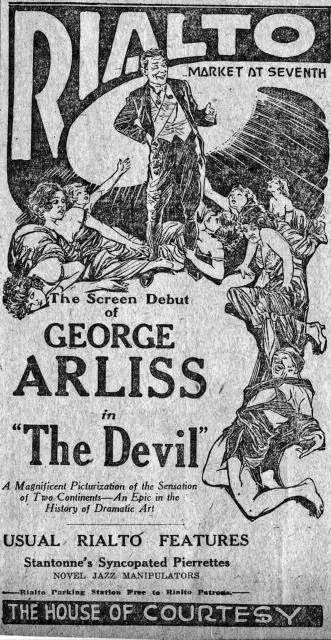
To understand the modern cult phenomenon, we must cast our gaze back to the nascent days of cinema, long before the term 'cult film' even existed. Even in the silent era, amidst melodramas and slapstick comedies, certain films possessed an anomalous aesthetic, a peculiar vision that set them apart. These were the proto-cult films, often born of technological experimentation, narrative daring, or simply a unique voice that didn't quite fit the emerging mainstream molds. Films like the fantastical Filibus, featuring a female sky pirate, or allegorical dramas such as The Devil, challenged conventional gender roles and explored profound philosophical questions in ways that were unusual for their time. These early cinematic experiments, though perhaps not drawing midnight crowds in their day, laid the groundwork for the rebel spirit that would define cult cinema for generations to come. They hinted at a world where film could be more than mere entertainment; it could be a vehicle for the subversive, the strange, the deeply personal.

Consider the early forays into adventure and exoticism, like the ambitious King Solomon's Mines, or the stark realism of documentaries such as South, chronicling Shackleton's harrowing Antarctic expedition. While seemingly mainstream in their intent, their very existence pushed the boundaries of what audiences expected from the silver screen. They offered a glimpse into worlds unseen, whether through grand spectacle or raw, unflinching reality. The dramatic intensity of films like Theodora, a historical epic about a courtesan becoming empress, or the psychological depth attempted in Das Skelett, about a professor's morbid obsession, showcased narratives that, if released today, might find a devoted niche audience appreciating their bold themes and dramatic flair. These were not always commercial triumphs, but their distinctive qualities resonated with a segment of the audience, creating an early, unspoken form of cinematic devotion.
The Allure of the Outcast: Embracing the Unconventional
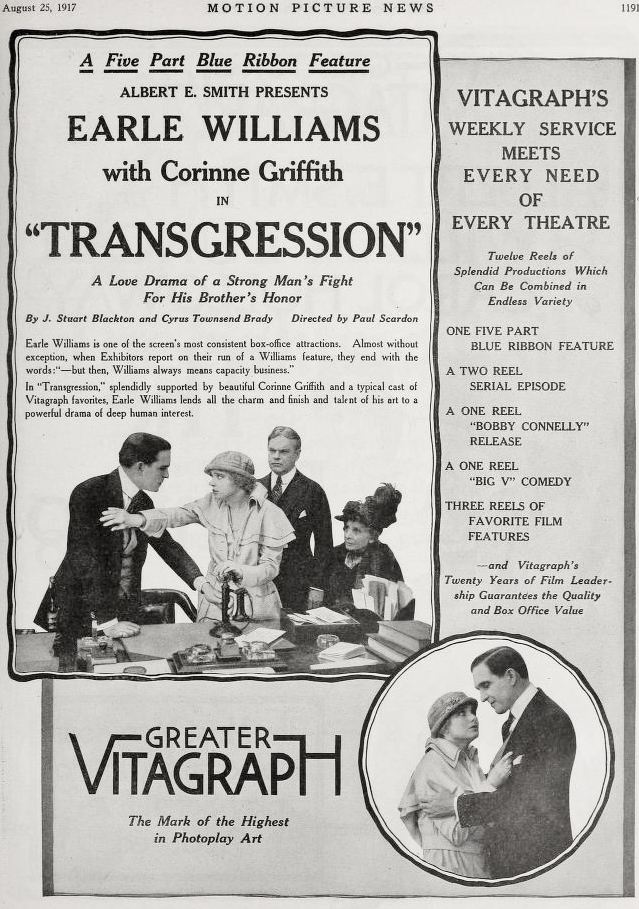
What drives a film to be rejected by the mainstream, only to be embraced by a fervent subculture of cinephiles? Often, it's a film's refusal to conform. Cult films frequently operate outside the established norms of genre, narrative structure, or moral convention. They dare to be different, to provoke, to challenge, or simply to exist in a realm of pure, unadulterated eccentricity. Take, for instance, the social dramas of the early 20th century, like The Solitary Sin or The Leech. These films, dealing with sensitive topics or presenting stark character studies, might have been too direct or too morally ambiguous for broad public acceptance, yet they would have found viewers who appreciated their unflinching gaze into the human condition. Their initial rejection becomes a badge of honor, signaling their transgressive nature and appealing to those who seek cinema that defies easy categorization.

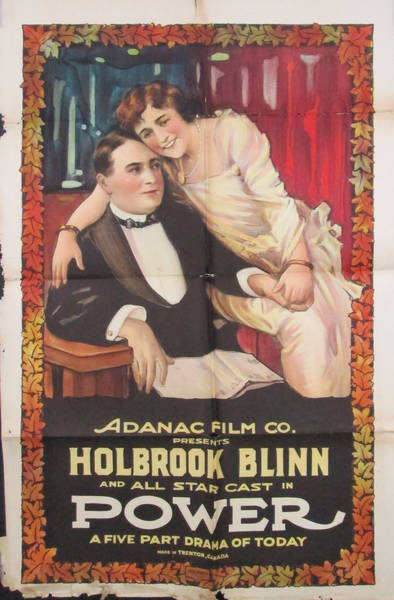
The maverick spirit of cult cinema thrives on this outsider status. Films that blend genres in unexpected ways, or that possess a singular, uncompromising artistic vision, often struggle to find immediate success. Consider the early westerns like The Lone Star Ranger or Where the Trail Divides. While part of a popular genre, a unique directorial approach, a particularly morally complex protagonist, or an unconventional narrative twist could have made them stand out, perhaps alienating some, but captivating others who yearned for something beyond the typical fare. This is the unconventional canon forming, piece by piece, as films that initially perplexed or were simply overlooked begin to gather a following based on their distinctive merits.
Rediscovery and Reassessment: The Midnight Movie Phenomenon
A significant chapter in the cult movie narrative is the element of rediscovery. Many films deemed 'cult' today were not immediate hits. They might have been box office failures, critically panned, or simply forgotten soon after their release. It is often years, sometimes decades, later that these forgotten gems are unearthed by a new generation of viewers, critics, or programmers. The advent of the 'midnight movie' circuit, particularly in the 1970s, provided a crucial platform for this reassessment, allowing films like The Rocky Horror Picture Show (a later example, but illustrative of the phenomenon) to find their true audience. While the films from our early 20th-century list predate this phenomenon, their obscurity today is a perfect illustration of how time can grant a second life to cinematic works.

This process of cinematic archeology transforms a forgotten film into an enduring enigma. Films like The Calendar Girl or A Nine O'Clock Town, seemingly simple dramas or comedies from a bygone era, might hold hidden depths, unique performances, or stylistic quirks that become apparent only with the passage of time and a fresh perspective. The cultural context changes, and what was once considered strange or out of step suddenly aligns with contemporary sensibilities, or simply gains appreciation for its historical oddity. This alchemical process turns cinematic lead into gold, not through mainstream acceptance, but through the passionate, often obsessive, dedication of a select few who see something truly special where others did not.

The Shared Sanctuary: Community and Ritual
Perhaps the most defining characteristic of cult cinema is its communal aspect. Unlike mainstream blockbusters, which are consumed broadly and often individually, cult films foster a sense of belonging, a shared identity among their devotees. This is the midnight communion, where strangers gather to celebrate the unconventional, to recite lines, to dress up, and to participate in a collective ritual. The film becomes a celluloid sanctuary for those who feel alienated by mainstream culture, offering a space where their peculiar tastes are not just accepted, but celebrated.
Even for older, more obscure films like The City of Masks, which depicted European nobles adapting to American labor, or The Kingdom of Love, a tale of Alaskan resilience, one can imagine a small but dedicated audience finding profound personal resonance. These films, regardless of their initial distribution or reception, had the potential to speak to specific audiences in powerful ways. They offered narratives that perhaps mirrored their own experiences of being an outsider, or simply provided a unique escape. The shared appreciation for such cinematic outliers builds bridges between individuals, forging communities united by their adoration for the strange, the beautiful, and the often misunderstood.
The Maverick Auteur and Uncompromised Vision
Behind many cult films lies the singular, often uncompromising, vision of a maverick auteur. These are filmmakers who prioritize their artistic integrity over commercial viability, resulting in works that are idiosyncratic, challenging, and deeply personal. Their films often bear the unmistakable stamp of their creator, a unique sensibility that may initially alienate mainstream audiences but ultimately draws in those who appreciate authenticity and daring. Films like Dandy Navigateur (a comedy short) or Trotting Through Turkey (another short) might seem trivial, but even in brevity, a distinctive comedic voice or a peculiar sense of humor can resonate with specific tastes, forming the bedrock of a loyal following.
This rebel heart of filmmaking is essential to the cult phenomenon. It's about a director who trusts their instincts, even if those instincts lead them down less-traveled paths. Whether it's the dramatic tension in The Heart of Maryland (1921), a Civil War romance, or the intricate plot of A Stranger from Somewhere, a confidence game thriller, the films that become cult objects often possess a clarity of vision, however strange, that shines through. They are not made by committee; they are expressions of individual artistry, and it is this authenticity that forms a deep, almost spiritual connection with their dedicated viewers.
The Enduring Legacy: Cult Cinema as Cultural Mirror
Cult cinema, in its many forms, serves as a fascinating cultural mirror, reflecting societal anxieties, dreams, and taboos that mainstream films often shy away from. It's a space where the subversive pulse of society can be felt most acutely. From early dramas exploring moral dilemmas like And the Children Pay or Birthright, which delved into difficult family dynamics and personal journeys, to more thrilling narratives like The Message of the Mouse (a spy thriller) or The Secret Code (another espionage tale), these films, however obscure now, once engaged with the societal undercurrents of their time.
The unconventional lens of cult cinema allows us to examine historical periods through a different filter, revealing what was considered daring, peculiar, or even shocking. Films like Outwitting the Hun, a wartime propaganda piece, or Posledniy patron, a Soviet propaganda film, while having a clear political agenda, might be viewed today through a cult lens for their historical significance, their unique cinematic techniques for persuasion, or simply their bizarre period-specific narratives. They become artifacts, revered not just for their content, but for their place in the broader tapestry of film history and their ability to provoke thought and discussion long after their initial purpose has faded.
The Unfolding Obsession: Why We Keep Watching
The enduring allure of cult cinema lies in its ability to offer something more than just a fleeting viewing experience. It invites repeat viewings, deep analysis, and a sense of shared discovery. Each watch can reveal new layers, hidden meanings, or simply reinforce the unique pleasure derived from a film that speaks directly to one's individual sensibilities. The films that achieve cult status are not merely watched; they are studied, dissected, and often, celebrated with a passion that borders on religious fervor.
Whether it's the dramatic intensity of Behind the Mask, the western grit of Ben Blair, or the romantic intrigue of Hazel Kirke, these films, and the many others like them from cinema's early days, represent the raw material from which cult identity is forged. They demonstrate that cinematic value is not solely determined by box office receipts or critical consensus, but by the profound and lasting connection a film can make with a dedicated audience. This is the alchemical transformation at the heart of cult cinema: turning overlooked celluloid into an eternal flame of devotion.
Conclusion: The Ever-Expanding Universe of the Cult
Ultimately, the phenomenon of cult cinema is a testament to the diverse and unpredictable nature of artistic appreciation. It’s a realm where initial failure can become posthumous triumph, where the strange is celebrated, and where marginalized stories find their most ardent champions. From the earliest silent films that dared to be different, to modern-day independent features that challenge perception, the maverick's manuscript continues to be written, page by page, by filmmakers and audiences alike. The journey from obscurity to enduring cult obsession is not a straightforward path, but a winding, unpredictable odyssey fueled by passion, rebellion, and a shared love for the cinematic unconventional. It reminds us that the true power of film lies not just in its ability to entertain, but in its capacity to connect, to provoke, and to forge lasting communities around its most transgressive and captivating visions. These films, once relegated to the fringes, now stand as unseen icons, each a vital thread in the rich, complex tapestry of global cinema, continuously inviting new devotees into their fascinating, forever-unfolding narratives.
Community
Comments
Log in to comment.
Loading comments…