
Cult Cinema, Deep Dive
The Celluloid Crucible: Forging Fandom from the Flames of Cinematic Anarchy

“Cult cinema transcends mere entertainment, acting as a transformative force that refines the unconventional into cinematic gold, drawing devoted audiences into its unique orbit. These films, often initially overlooked, forge profound connections through their rebellious spirit and distinctive narrat…”
In the vast, ever-expanding universe of film, there exists a peculiar, potent subgenre that defies easy categorization and often shuns the mainstream spotlight: cult cinema. It's not merely a collection of obscure films; it's a phenomenon, a shared experience, and a testament to the enduring power of stories that resonate with the fringe, the unconventional, and the deeply passionate. These are the films that, like a rare alchemical compound, transform from initial indifference or critical dismissal into objects of intense devotion, studied, celebrated, and re-watched with an almost religious fervor. This is the celluloid crucible, where the raw, unpolished ore of cinematic anarchy is forged into the precious metal of enduring fandom.
The journey of a cult film is rarely linear. It often begins in obscurity, a quiet rebellion against narrative conventions or societal norms, much like a character existing on the periphery of their own story. Consider the thematic echoes found in titles like The Bad Boy or Miss Nobody – narratives that intrinsically deal with protagonists who stand apart, whose very existence challenges the established order. These films, whether intentionally provocative or accidentally profound, tap into a universal yearning for authenticity, for something beyond the predictable narratives churned out by the commercial machinery. They offer a secret handshake, an invitation to a club where the only entry requirement is an open mind and a willingness to embrace the wonderfully weird.

What is it about these cinematic outliers that allows them to cultivate such fervent, dedicated followings? It’s a complex interplay of factors: transgressive themes, idiosyncratic aesthetics, compelling performances, and often, a narrative that demands multiple viewings to fully unravel its mysteries. Cult films are not passive entertainment; they are interactive experiences, prompting discussion, dissection, and often, active participation. They don’t just tell a story; they invite you to live within its peculiar logic, to decode its hidden meanings, and to find your own reflection in its often-unflattering mirror.
The Genesis of the Unorthodox: Where Mainstream Fails, Cult Thrives
The birth of a cult classic often stems from a rejection of the prevailing cinematic trends. While mainstream Hollywood chases universal appeal, cult films revel in their specificity, their niche, their unapologetic oddity. They operate on a different frequency, tuning into the anxieties, desires, and suppressed fantasies of audiences who feel underserved by conventional fare. Films that initially struggle to find an audience, like many independent or experimental features, often possess the very qualities that later cement their cult status.

Take, for instance, the spirit encapsulated by titles such as The Dangerous Talent or The Colonel. These aren't stories of straightforward heroes; they hint at characters operating outside the law, possessing skills that are both remarkable and morally ambiguous. This fascination with the anti-hero, with the individual who navigates a complex world through unconventional means, is a hallmark of cult cinema. It's a space where the 'villain' might be understood, the 'hero' might be flawed, and the lines between good and evil are perpetually blurred. This moral complexity invites deeper engagement, challenging viewers to confront their own preconceptions and to empathize with characters who might otherwise be dismissed.
The early cinematic landscape, even with its nascent storytelling techniques, offered glimpses into this burgeoning ethos. Films that, perhaps unwittingly, showcased characters wrestling with societal expectations or embarking on journeys of self-discovery, laid foundational stones for what would become cult cinema. From a simple tale of a character who is Made in the Kitchen, suggesting humble or unconventional origins, to the more dramatic implications of The Web of Life, hinting at intricate moral dilemmas, these early works, regardless of their original intent, contributed to a tapestry of narratives that celebrated the individual over the collective, the hidden over the obvious.

The appeal of the unorthodox is deeply rooted in our desire for unique experiences. In a world saturated with predictable blockbusters, cult films offer an escape into the truly unknown. They are the cinematic equivalent of a secret garden, overgrown and wild, but infinitely more fascinating than any manicured lawn. They speak to the parts of ourselves that feel different, that question authority, and that seek meaning in unexpected places. This is why a film like The Social Secretary, hinting at disguise and unintended consequences, or The Unexpected Shot, suggesting sudden shifts in fate, can resonate with an audience eager for narratives that deviate from the expected.
Narrative Alchemy: Transforming Taboo into Timelessness
A significant element of cult cinema's enduring power lies in its willingness to tackle themes, aesthetics, or narratives that were once considered taboo, shocking, or simply too strange for mainstream tastes. This transgressive spirit is not merely for shock value; it often serves to explore uncomfortable truths, challenge societal norms, or push the boundaries of artistic expression. What was once dismissed as 'weird' or 'offensive' can, over time, be re-evaluated and embraced as visionary or prophetic.

Consider the implications inherent in a title like The Hindu Nemesis or The Gates of Doom. These titles suggest narratives steeped in consequence, moral reckoning, or encounters with the exotic and dangerous. Cult films often delve into the darker aspects of the human condition, exploring themes of obsession, revenge, madness, or societal decay with an unflinching gaze. They refuse to sanitize reality, instead presenting it in all its raw, visceral glory. This honesty, however unsettling, is often what draws audiences back, seeking a cathartic experience that mainstream films shy away from.
Many cult films gain their status precisely because they were ahead of their time, misunderstood by contemporary critics or audiences. Their unconventional storytelling, experimental visuals, or daring subject matter might have alienated viewers upon initial release, only to find a fervent appreciation decades later. A film like The Millstone, suggesting a burden or an inescapable fate, or The Crime and the Criminal, exploring justice and morality, could, through a unique directorial vision or an unexpected twist, become a touchstone for later generations seeking deeper meaning.

The journey from fringe obscurity to beloved iconography is a testament to the transformative power of a dedicated audience. These films don't just survive; they thrive in the collective consciousness of their devotees, who champion them, re-interpret them, and introduce them to new generations. The narrative alchemy of cult cinema is about taking something perceived as base or rejected and, through the crucible of shared passion, elevating it to something revered and timeless. It's about finding beauty in the grotesque, profundity in the absurd, and connection in the unconventional.
Visions Beyond the Veil: Dreams, Deviance, and Destiny
Cult cinema frequently blurs the lines between reality and illusion, inviting viewers into dreamscapes, surreal worlds, or altered states of perception. These films often reflect our subconscious desires, fears, and fantasies, offering a potent escape from the mundane. The power of the dreamlike narrative is evident in titles such as Children of the Night, where a shipping clerk's dream transforms him into a man of the world, or School Days, depicting a naive young man overwhelmed by the big city, perhaps hinting at the fantastical transformation of perception in a new environment.

The exploration of identity and self-discovery through unusual circumstances is another recurring motif. Films like De Luxe Annie, where amnesia leads to a master criminal persona before memory is restored, or Miss Dorothy, about an eccentric tutor and a capricious orphan, exemplify narratives where characters are defined by their deviations from the norm or their journeys through unexpected transformations. These stories resonate because they tap into our own internal struggles with identity, our desire for reinvention, and our fascination with the hidden depths of the human psyche.
Furthermore, cult films often present characters who are destined for extraordinary things, or who find themselves embroiled in events far grander than their everyday lives. Whether it's the quest for justice in The Great Reward, the dramatic stakes of The King's Game, or the survival against all odds implied by Rescue of the Stefansson Arctic Expedition, these narratives suggest a destiny that transcends the ordinary. This sense of myth-making, of elevating mundane lives to epic proportions, imbues these films with a powerful, almost spiritual resonance for their audiences.

The visual and narrative deviance of cult films is often a key ingredient in their mystique. They might employ experimental cinematography, non-linear storytelling, or jarring tonal shifts that challenge traditional cinematic grammar. This artistic freedom, unconstrained by commercial pressures, allows filmmakers to create truly unique and unforgettable experiences. The result is a body of work that is often visually striking, intellectually stimulating, and emotionally resonant, even if it initially bewilders mainstream audiences.
The Unseen Handshake: Building Community in the Shadows
Perhaps the most defining characteristic of cult cinema is its ability to foster an incredibly strong sense of community among its viewers. Unlike passive consumption of mainstream media, engaging with a cult film often feels like joining a secret society, an exclusive club where shared understanding and appreciation bind members together. This shared experience is the 'unseen handshake' that connects fans across geographies and generations.

The journey of discovering a cult film is often personal, a quiet revelation. But the true magic happens when that discovery is shared. The discussions, the fan theories, the re-enactments, the midnight screenings – these are the rituals that solidify a film's cult status. Films that might seem simplistic or niche, like a short comedy such as The Snip or a straightforward romance like The Flame, can, through a unique charm or an unexpected twist, become the focal point for intimate, passionate discussions, proving that even the most unassuming film can ignite a fervent following.
This communal aspect is particularly potent because cult films often speak to marginalized groups or individuals who feel alienated by mainstream culture. They provide a space for identification, validation, and collective catharsis. Whether it’s the escapism offered by Children of the Night, or the sense of overcoming adversity in Overland Red, these films offer narratives where outsiders can see themselves reflected, celebrated, and understood. The shared act of embracing a film that others might reject creates a powerful bond, transforming individual viewers into a collective tribe.
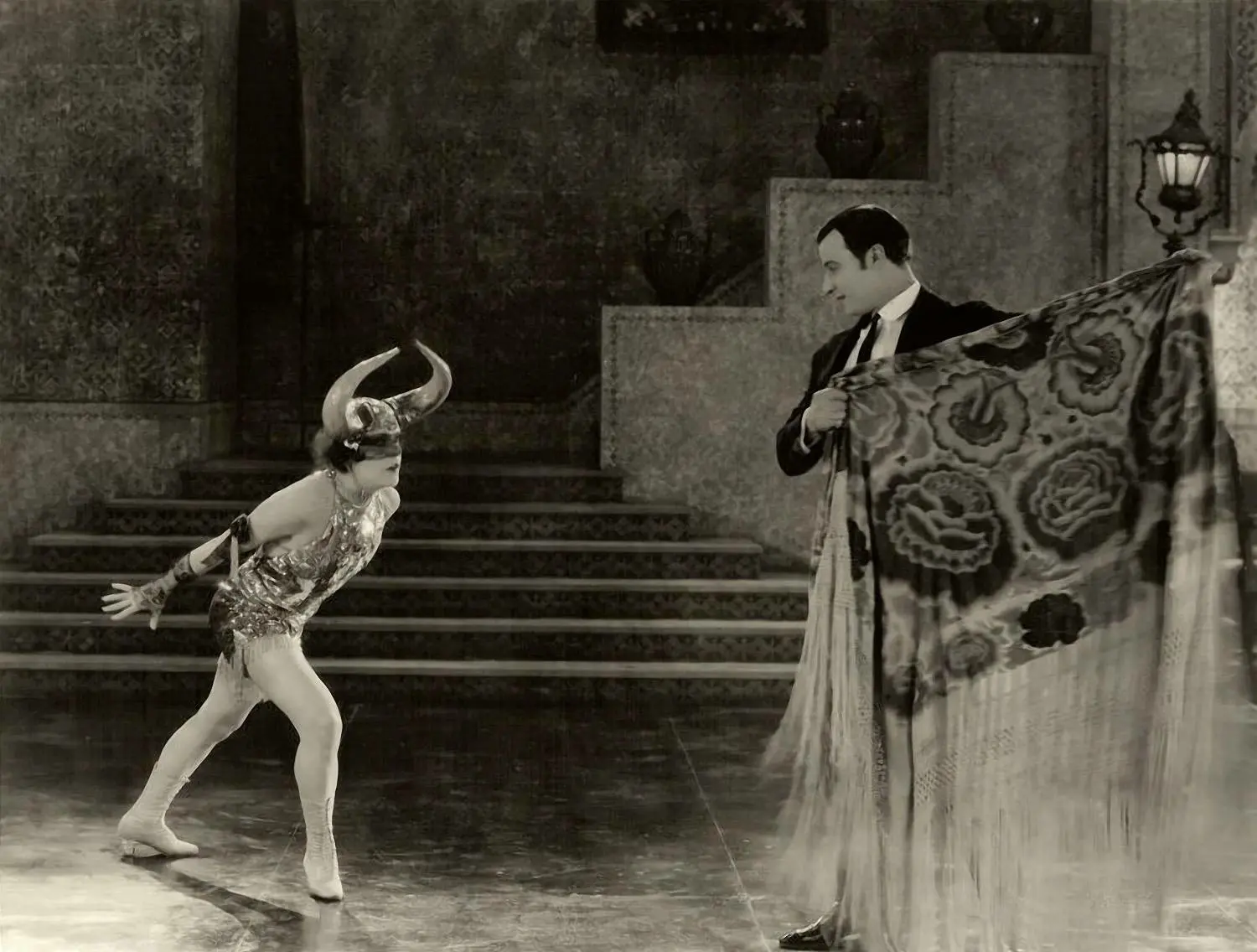
The internet and social media have only amplified this phenomenon, allowing cult film communities to flourish online, transcending geographical barriers. Forums, fan pages, and dedicated websites provide platforms for deep dives into lore, character analysis, and the sharing of fan art and theories. This active engagement is not just about the film itself, but about the shared identity that comes with being a fan of something truly special and often, deeply personal.
Enduring Echoes: The Legacy of Celluloid Rebellion
The legacy of cult cinema is not merely in its individual films, but in its broader impact on filmmaking, culture, and fandom itself. These films, once relegated to the margins, have profoundly influenced mainstream cinema, inspiring new generations of filmmakers to experiment, to challenge, and to tell stories that defy easy categorization. The spirit of rebellion and innovation that defines cult cinema continues to ripple through the industry, proving that true artistic merit often finds its recognition, even if belatedly.

Even seemingly straightforward genre pieces, like a Western such as The White Rider or a drama like Back of the Man, can achieve cult status through a unique performance, a subversive message, or an unexpected depth that resonates years after its initial release. The persistence of these films, their ability to remain relevant and compelling despite the passage of time, is a testament to their inherent quality and their powerful connection with a specific segment of the audience.
The history of cinema is littered with films that were critical or commercial failures upon release, only to be rediscovered and re-evaluated as masterpieces. This journey from obscurity to iconography is a common narrative in cult cinema. A film like King Lear, a timeless story of folly and consequence, can be reinterpreted in a way that resonates with a modern cult audience, finding new layers of meaning and appreciation. Similarly, films hinting at grander conflicts, like The Great Mexican War, or personal struggles, like Her Temptation, can, through their unique cinematic language, achieve an enduring resonance that transcends their initial context.
Ultimately, cult cinema is a celebration of diversity, a testament to the idea that there is an audience for every story, no matter how strange, how challenging, or how unconventional. It teaches us that artistic value is not solely determined by box office receipts or critical consensus, but by the profound and lasting connections a film can forge with its viewers. It's a vibrant, ever-evolving space where the rules are bent, expectations are subverted, and passion reigns supreme.
The Future of Fringe Fandom
As technology evolves and distribution methods diversify, the landscape for cult cinema continues to shift. Streaming platforms and digital archives have made once-obscure films more accessible than ever, allowing new generations to discover forgotten gems and embrace their unique charms. This accessibility means that the 'cult' status can sometimes be achieved more rapidly, as niche audiences find each other and rally around new favorites.
However, the core essence remains unchanged. Cult cinema will always be about that intrinsic connection, that feeling of belonging to a special group that 'gets it.' It's about films that speak to the soul, challenge the mind, and stir the spirit in ways that mainstream entertainment often cannot. From the dramatic twists of Wealth and God of Little Children, where personal fortune and moral choices intertwine, to the adventurous spirit of The Northern Trail and The Man from Montana, these films, in their diverse forms, continue to offer a rich tapestry of human experience outside the conventional narrative.
The legacy of titles like The Flower of No Man's Land, hinting at beauty found in desolate places, or The Devil Dodger, suggesting defiance against fate, are woven into the fabric of cult cinema's enduring appeal. They remind us that powerful stories can emerge from any corner, and that the most profound cinematic experiences often lie just beyond the well-trodden path.
In the end, the celluloid crucible continues its work, transforming the raw, passionate visions of filmmakers into enduring artifacts of devotion. It's a process of refinement, of shared discovery, and of celebrating the beautiful, chaotic anarchy that makes cinema such a powerful and transformative art form. So, pull up a chair, dim the lights, and prepare to enter the world of cult cinema – a world where the unconventional is king, and every viewing is a ritual.
Community
Comments
Log in to comment.
Loading comments…