
Cult Cinema
The Celluloid Outcast: Decoding the Primal Anarchy and Forgotten Soul of Cinema’s Early Fringe
“Journey into the heart of cinematic rebellion as we explore how the silent era’s misfits, from Buster Keaton to forgotten pastoral dramas, birthed the modern cult obsession.”
Cult cinema is often mistakenly categorized as a post-1960s phenomenon, a child of the midnight movie circuit and the counter-culture revolution. However, the genetic blueprint of the cinematic misfit was actually drafted in the flickering shadows of the early 20th century. Long before the term 'cult' was codified, filmmakers were already experimenting with narratives that defied the status quo, producing works that resonated with the disenfranchised and the obsessed. To understand the modern cult psyche, we must look back at the primal anarchy of the 1910s and 1920s—a period where the rules of the medium were still being written and frequently broken.
The Foundations of Subversive Comedy
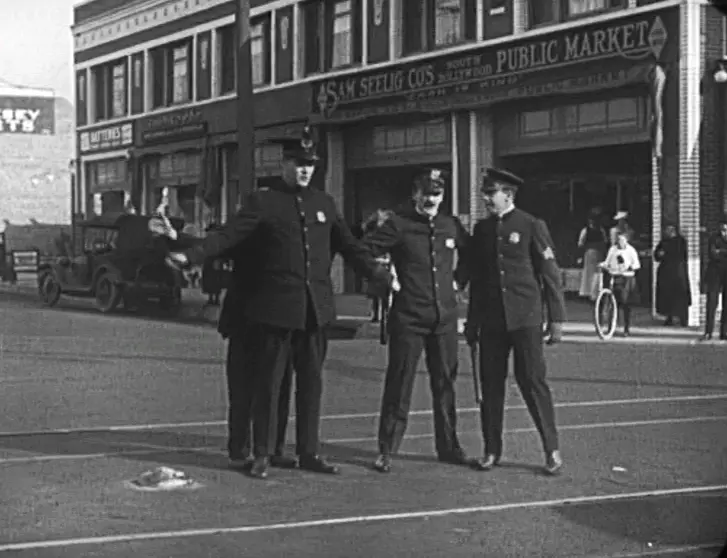
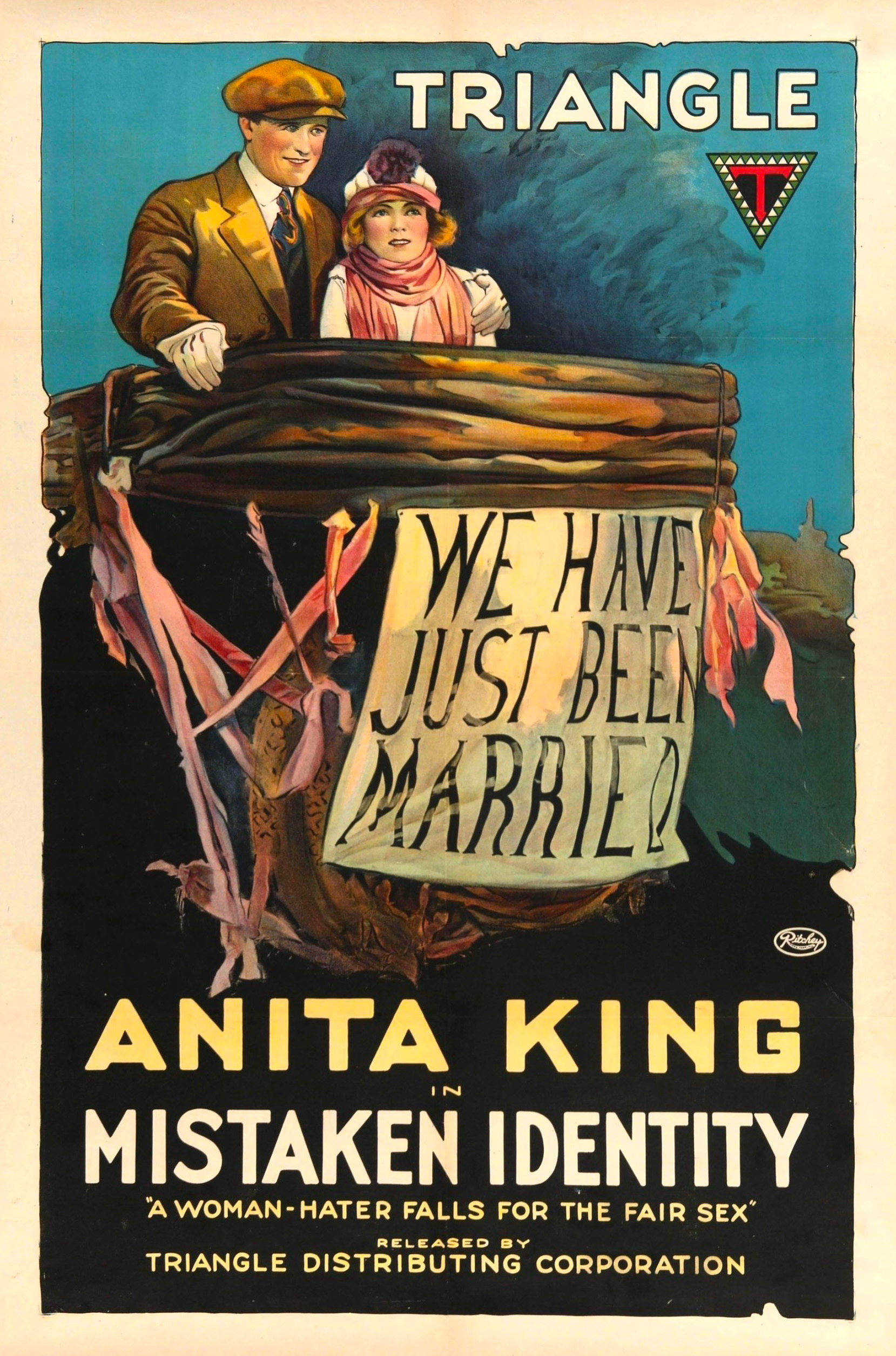
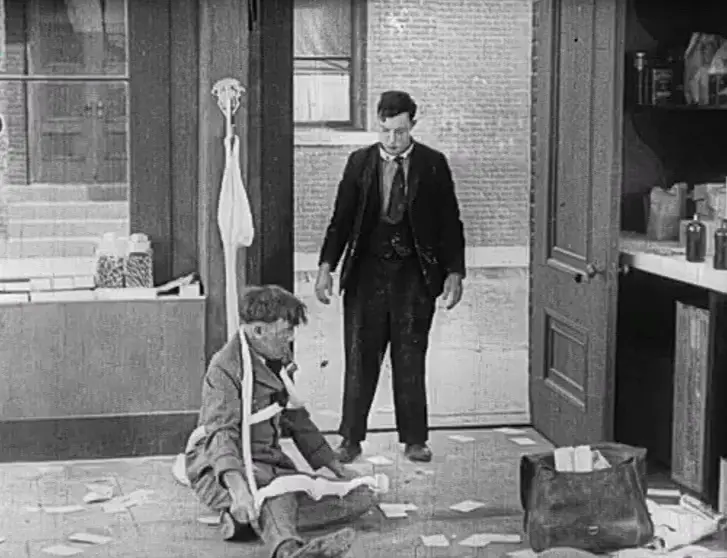
In the realm of early cult cinema, few figures loom as large as the masters of physical subversion. Consider The Goat (1921), a short film where Buster Keaton is mistaken for 'Dead Shot Dan,' a notorious local criminal. This narrative of mistaken identity and the resulting chaos serves as a precursor to the 'man on the run' trope that defines so much of later niche cinema. The humor is not merely slapstick; it is a commentary on the fragility of social identity. Similarly, My Wife's Relations showcases Keaton’s ability to find absurdity in the domestic, where a series of accidents leads to a forced marriage with an intimidating woman, creating a surreal landscape of marital strife that feels far ahead of its time.
Even the pioneers of animation were planting seeds of the strange. Walt Disney’s Newman Laugh-O-Grams offered a glimpse into the artist's desk, blending reality with the whimsical in a way that challenged the viewer's perception of the frame. These shorts weren't just entertainment; they were experiments in visual language. When we look at I'm on My Way, starring Harold Lloyd, we see the early roots of the 'reluctant groom' archetype, as a man contemplates the horrors of domesticity after witnessing his neighbor's chaotic life. These films captured a specific kind of suburban anxiety that would later be mined by cult directors like John Waters or David Lynch.
The Vamp, the Outlaw, and the Moral Grey
If comedy provided the structure, then the moral melodrama provided the soul of the early cult movement. The 1922 version of A Fool There Was is perhaps the quintessential example of the 'Vamp' archetype. This story of a respectable businessman who abandons his family for a cold, heartbreaking woman is a masterclass in the cinematic depiction of obsession. It is a film that dares to look at the destructive power of desire, a theme that remains a cornerstone of transgressive cinema today. The 'Vamp' is not just a villain; she is a disruptive force of nature that exposes the rot beneath the surface of polite society.
Social Taboos and Forbidden Narratives
The early era was also surprisingly bold in its willingness to tackle social hygiene and taboo subjects. Fit to Win, a film produced by the U.S. government regarding venereal disease, stands as a bizarre artifact of institutional anxiety. While intended as a warning, its clinical yet graphic nature has earned it a place in the annals of 'forbidden' cinema—films that were screened in secret or under the guise of education, much like the later exploitation films of the 1930s and 40s. This tradition of the 'educational' film as a vehicle for the transgressive is a vital branch of the cult family tree.
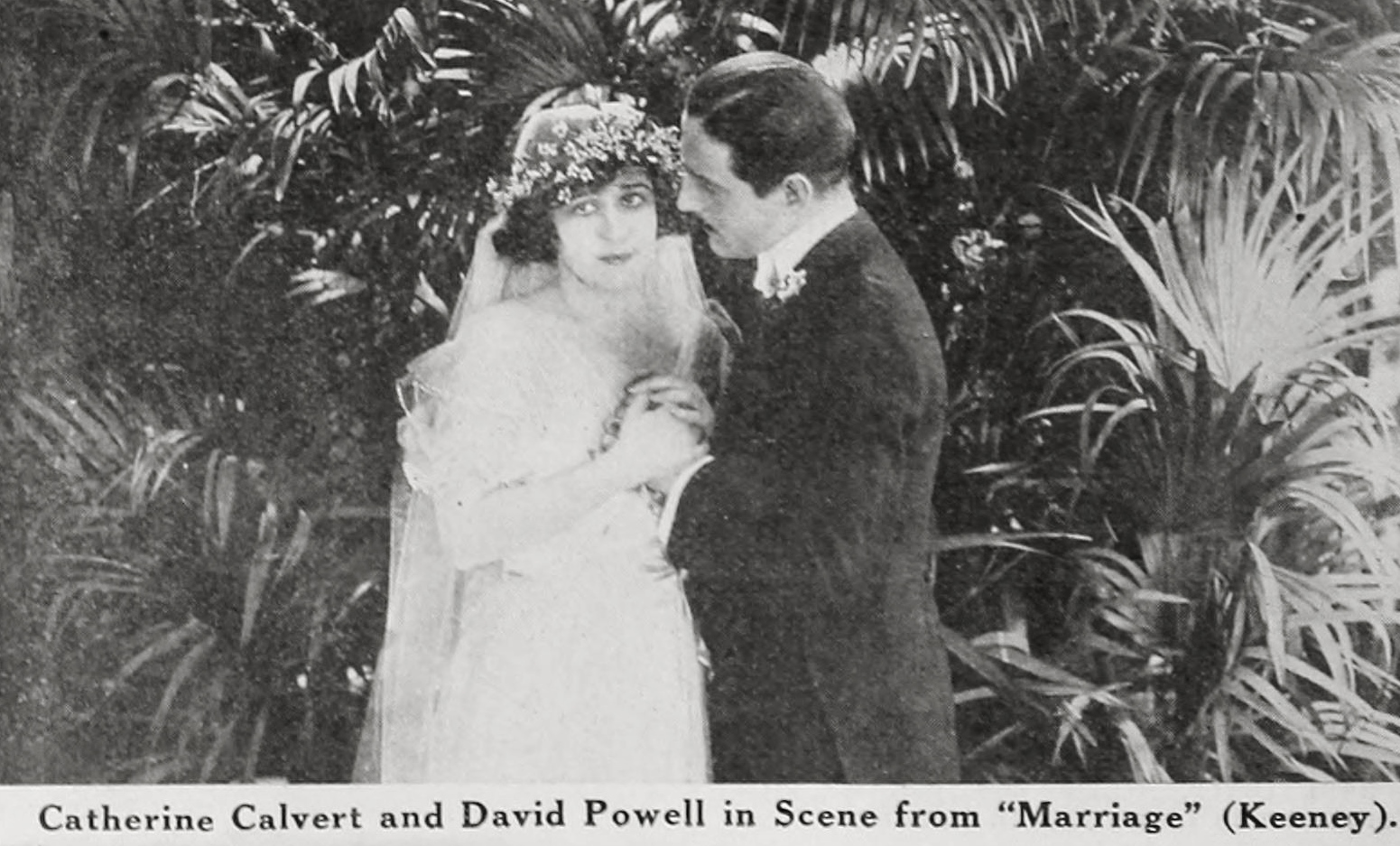
In a similar vein of social observation, The Stain explores the desperation of a bank clerk who turns to crime to escape poverty and study law. It’s a narrative of moral compromise that resonates with the 'noir' sensibilities of later decades. Likewise, A Girl Like That presents Nell Gordon, a woman born into a family of crooks who must navigate a world of crime while maintaining her own sense of loyalty. These films were not afraid to present protagonists who occupied the grey areas of morality, a hallmark of the cult protagonist who often exists on the margins of the law.
Pastoral Rarities and the Beauty of the Mundane
Not all cult films are born from darkness; some find their following through their unique, often forgotten, pastoral beauty. Timothy's Quest is a rare gem that tells the story of two unwanted children seeking love in a rural landscape. Based on the novel by Kate Douglas Wiggin, it possesses a sincerity and a sense of place that makes it a favorite among cinematic archaeologists. This 'quiet' cult film reminds us that the enduring power of a movie often lies in its ability to capture a vanished world with poetic precision.
This sense of place is further explored in travelogues like Frozen Thrills, which documented the wilderness around Mount Rainier. In an era before mass travel, these films offered audiences a window into a sublime, untamed world. For the modern viewer, they function as a form of 'slow cinema,' where the focus is on the texture of the image and the rhythm of nature. This fascination with the 'documentary of the strange' is reflected in the way modern cult audiences gravitate toward forgotten educational reels and industrial films.
Genre Anarchy: From Westerns to Horror
The fluidity of genre in the early 20th century allowed for some truly eccentric combinations. The Knickerbocker Buckaroo, featuring Douglas Fairbanks, begins with a prologue where the actor literally mixes a 'cake' of action, mystery, and pep. This meta-commentary on the filmmaking process itself is a precursor to the self-aware genre-bending of the 1990s. Similarly, The Double O and Sure Fire blended the ruggedness of the Western with elements of crime and romance, creating a hybrid form of storytelling that refused to be pigeonholed.
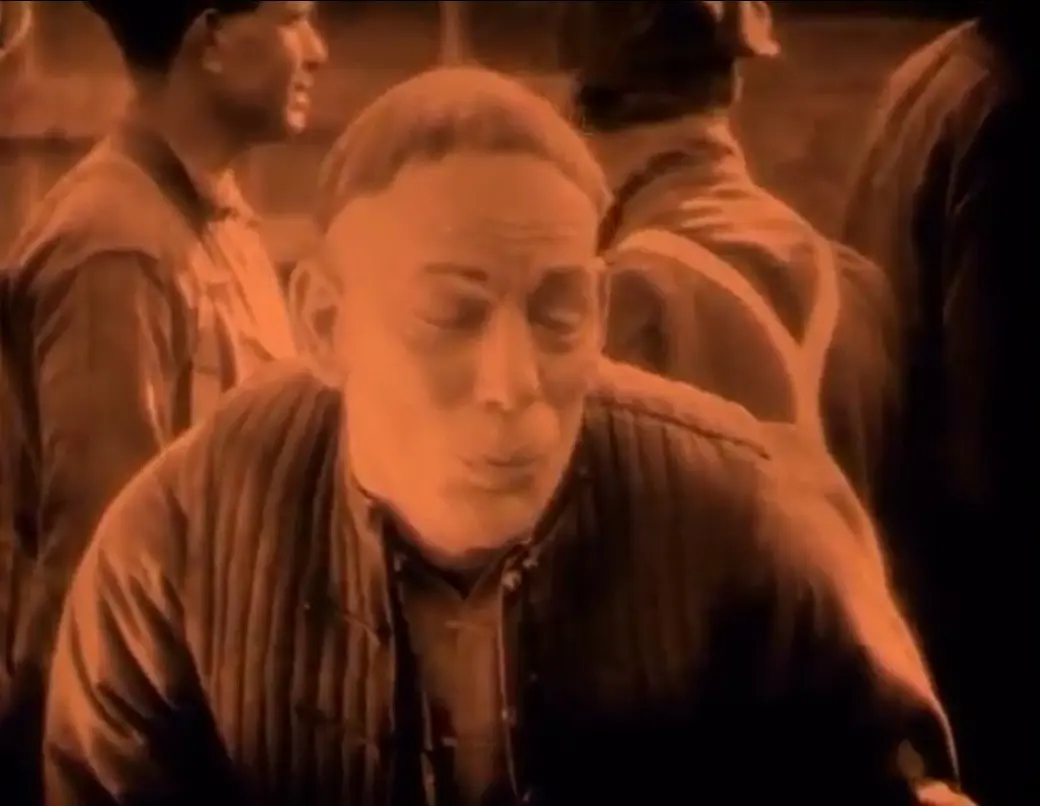
In the mountains of the South, Judith of the Cumberlands depicted the brutal reality of family feuds and the moonshine trade, a precursor to the 'hicksploitation' subgenre. These films captured a sense of lawlessness and primal conflict that felt visceral to audiences. On the other end of the spectrum, Das Phantom der Oper (the 1880s Paris-set version) and the enigmatic Homunculus serial explored the gothic and the sci-fi, laying the groundwork for the horror obsession that would eventually define the cult landscape. Homunculus, in particular, with its themes of artificial life and existential dread, remains a haunting reminder of the era’s fascination with the boundaries of the human soul.
The Psychology of the Outcast
Why do we return to these films? Why does The Man Who Stood Still, a story about a jeweler who refuses to modernize, speak to us today? It is because these films represent a resistance to the relentless march of progress. They celebrate the 'stayer,' the 'misfit,' and the 'outlier.' Whether it is the timorous scion in La tempesta in un cranio being gaslit by his friends or the jailed debtor in Little Dorrit who refuses to marry into wealth, these characters embody a stubborn individuality that is the heartbeat of cult cinema.
Even in films like Going Straight, where former criminals try to live respectable lives only to be haunted by their past, we see the recurring theme of the 'unerasable history.' Cult cinema is often a repository for these histories—the stories that society tries to forget or overwrite. From the Irish magistrate's daughter in Peggy, the Will O' the Wisp to the ostracized woman in The Sage Hen, early cinema was a sanctuary for those who didn't fit the mold.
Conclusion: The Eternal Flicker
The films of the 1910s and 1920s—from the comedic brilliance of The Goat to the gothic dread of Homunculus—are more than just historical curiosities. They are the ancestral spirits of every midnight movie and underground masterpiece that followed. They taught us how to look at the screen and see not just a story, but a reflection of our own eccentricities, fears, and rebellions. As we continue to unearth these forgotten reels, we aren't just watching old movies; we are participating in a century-long séance with the rebel soul of the cinema itself. The cult of the celluloid outlier is far from dead; it is simply waiting for the next generation of misfits to find the light in the dark.
Community
Comments
Log in to comment.
Loading comments…