
Cult Cinema
The Celluloid Outcast’s Resurrection: How Silent Era Oddities and Forgotten Misfits Birthed the Modern Cult Phenomenon

“Explore the hidden lineage of cult cinema, tracing the DNA of modern obsession back to the silent era's most daring, bizarre, and transgressive forgotten reels.”
Cult cinema is not merely a collection of films; it is a relationship—a clandestine agreement between the screen and the spectator to find beauty in the bizarre, truth in the transgressive, and kinship in the misunderstood. While the 'midnight movie' explosion of the 1970s is often cited as the birth of the cult phenomenon, the genetic material of this rebellious spirit was forged much earlier, in the flickering, nitrate-scented shadows of the early 20th century. To understand the modern obsession with the outlier, we must look back to the era of silent misfits and genre-bending anomalies that refused to fit the burgeoning Hollywood mold.
The Genesis of the Cinematic Deviant
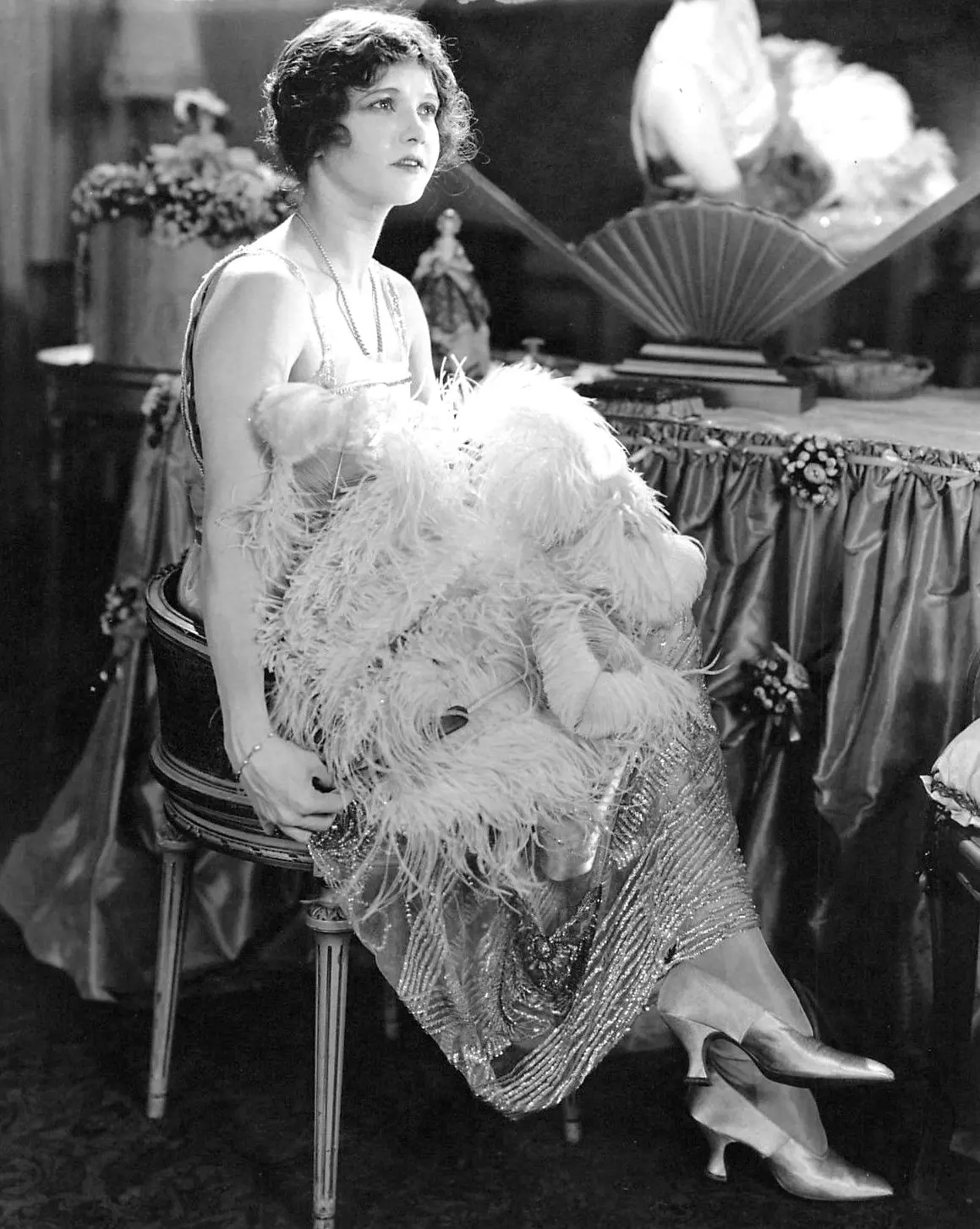
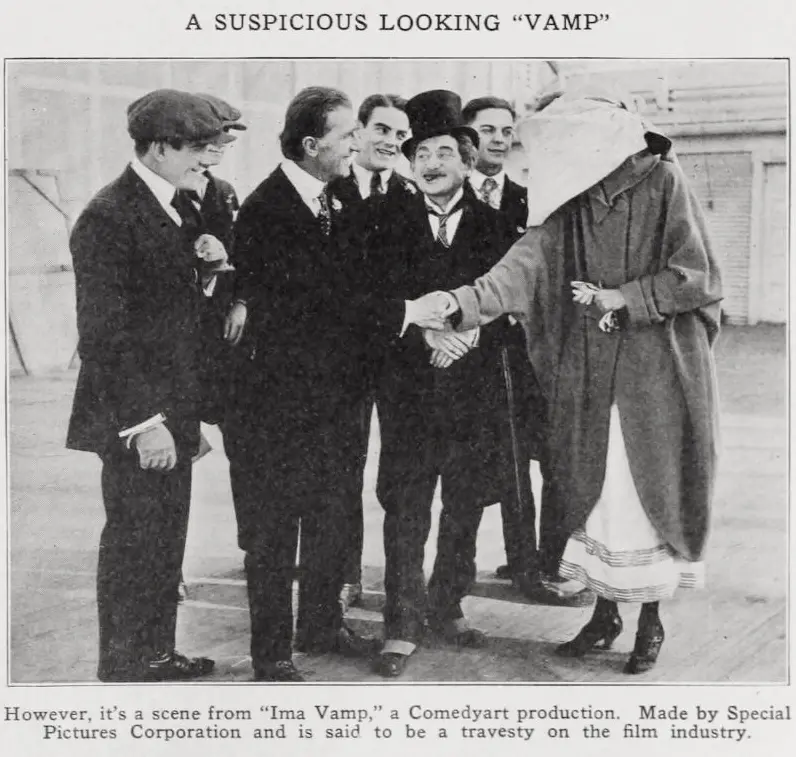
In the early days of the medium, the boundaries of what a film 'should' be were still being drawn. This lack of rigid structure allowed for a peculiar kind of creative anarchy. Consider the 1919 short Ima Vamp. On its surface, it is a comedy about a six-foot-tall woman with delusions of movie stardom, but beneath its slapstick veneer lies a proto-cult sensibility: the glorification of the 'old maid' as a figure of chaotic ambition. It is a film that speaks to the cult cinema aesthetic of celebrating the outsider who refuses to know their place.
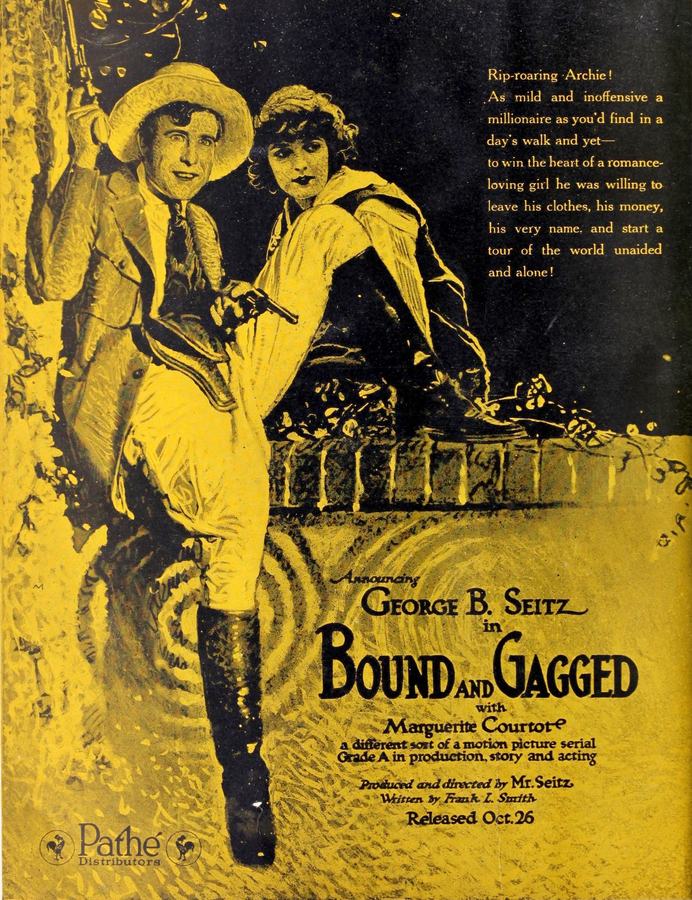
Similarly, the 1919 production Bound and Gagged pushed the boundaries of narrative logic and social decency. A story about a hero challenged to travel the world starting 'absolutely naked' and without money is not just a comedic gimmick; it is a transgressive act that prefigures the shock-value tactics of later cult icons. It challenges the audience's comfort zones, forcing a confrontation with the absurd that remains a hallmark of the genre today.
The Moral Misfit and the Architecture of Obsession
Cult films often resonate because they explore moral gray areas that mainstream cinema tends to avoid. The silent era was rife with these explorations, often hidden within the trappings of melodrama. The Heart of Nora Flynn (1916) offers a compelling example. By depicting a nursemaid who sacrifices her own reputation to protect her mistress’s illicit affair, the film invites a complex, non-judgmental empathy for the 'fallen' woman. This subversion of traditional morality is the bedrock upon which cult fandoms are built—the desire to champion the character who chooses loyalty over law.
Class Conflict and the Trench-Born Truth
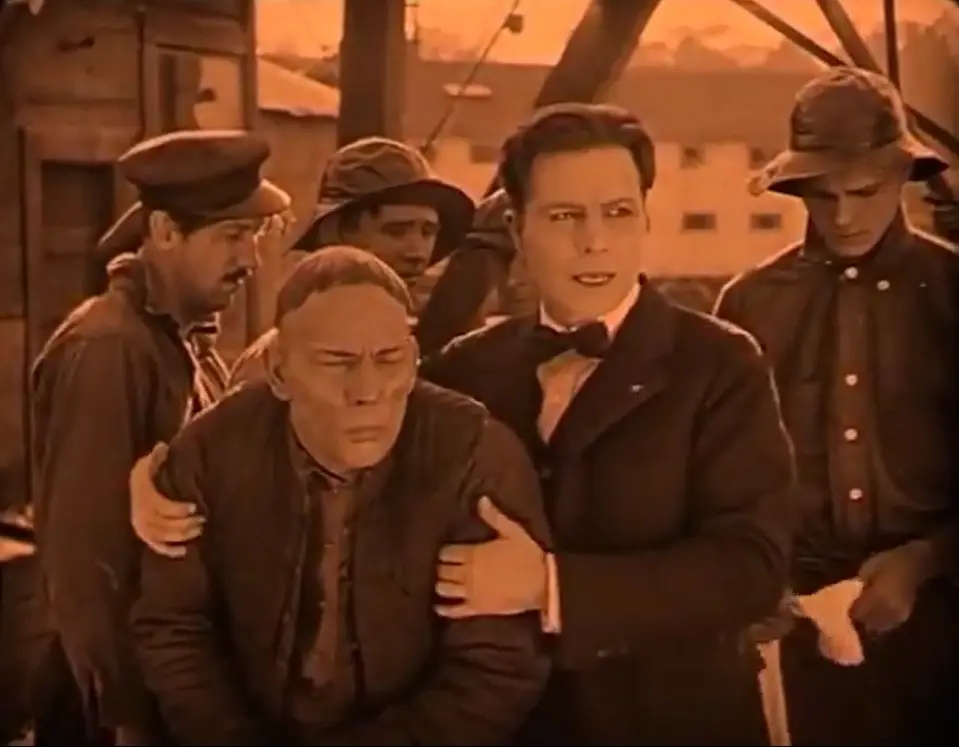
The social consciousness of early cinema also contributed to its enduring cult appeal. The Other Half (1919) takes the son of an iron-works owner and throws him into the trenches of World War I, where the shared trauma of war erases class distinctions. This radical rejection of the social hierarchy was a bold statement for its time. Films that challenge the status quo, like The Other Half or The Impostor (where a wealthy heir is a 'lovable' contrast to his cruel father), create a sense of 'us vs. them' that bonds audiences to the material.
Genre-Bending and the Seeds of the Fantastic
One cannot discuss cult cinema without addressing the fantastic—the elements of horror, science fiction, and high adventure that defy reality. The silent era was a laboratory for these tropes. Terror Island (1920) is a masterclass in the kind of kitchen-sink storytelling that cult fans adore: an inventor, buried treasure, and South Sea cannibals all colliding in a whirlwind of pulp energy. It is the ancestor of the 'adventure-horror' hybrids that would later populate the grindhouse circuits.
Even more striking is the 1918 Italian film L'atleta fantasma. Predating the Superman mythos, it features a hero who saves a young girl from danger multiple times, often in disguise. This proto-superhero narrative, combined with the mystery of a valuable jewel, highlights the early cinema’s obsession with the 'extraordinary human'—a recurring theme in cult circles where the hero is often an urban legend or a spectral force of nature.
The Serialized Soul: Under the Crescent
The format of the early serial, such as Under the Crescent (1915), also mirrors the modern cult experience of obsessive, episodic consumption. Following an American actress through the 'shadow of the pyramids' and 'the cage of golden bars' in Egypt, these six episodes created a dedicated following of viewers who had to return week after week to satisfy their curiosity. This 'cliffhanger culture' is the direct predecessor to the 'binge-watching' and deep-lore exploration of modern cult franchises.
The International Undercurrent: Nihilism and Revolution
Cult cinema has always been a global conversation, and the silent era was no exception. The German production Weltbrand (1920), with its focus on Russian Nihilism and the spoiled son of an industrialist finding meaning in social rebellion, showcases a darker, more philosophical strain of cult storytelling. It deals with the 'world-fire' of political change, a theme that resonates with the counter-cultural roots of the midnight movie movement.
In Argentina, Mariano Moreno y la revolución de Mayo (1915) used the biographical film as a canvas for political adventure, proving that the 'cult of the hero' was just as potent in South America as it was in the studios of Europe or Hollywood. These films were often more than entertainment; they were manifestos, and their survival—or rediscovery—is a testament to the power of the cinematic outlier.
The Beauty of the Banal: Slapstick and the Common Man
While some cult films aim for the high-minded, others find immortality in the mundane. The short comedies of the 1910s and 20s, like Snub Pollard’s Cash Customers (1920) or Her Nearly Husband (1916), celebrated the struggle of the 'little guy' against landladies, social conventions, and physical reality itself. There is a primal, rhythmic quality to this physical comedy that bypasses the intellect and strikes the soul, much like the 'camp' appeal of later cult classics.
The Stranger in the Back Room: Spiritual Cultism
Perhaps the most profound ancestor of the cult film is The Passing of the Third Floor Back (1918). The arrival of 'The Stranger' in a failing rooming house, a man who changes the lives of the boarders through sheer gentleness, touches on the spiritual and the uncanny. It is a film that operates on a different frequency than the standard drama of its time. Cult films often possess this 'otherness'—a sense that the movie itself is a visitor from another plane of existence, offering a new way to see the world.
This spiritual quality is also found in Samson (1914), which turned biblical narrative into a grand, visual spectacle of faith and loss. For audiences of the time, these were not just stories; they were communal experiences that offered a sense of awe. This 'communal awe' is exactly what draws people to the Rocky Horrors and the Donnie Darkos of the world—the chance to participate in a shared, almost religious, cinematic ritual.
The Enduring Legacy of the Early Misfits
As we navigate the vast landscape of modern cinema, it is easy to forget that the 'weird' has always been with us. The 50 films referenced in this exploration—from the mystery of The Hunting of the Hawk to the romantic western drama of Two Kinds of Love—represent a time when cinema was a wild frontier. These were films that experimented with tone, morality, and structure before the 'rules' of the industry were set in stone.
The cult cinema legacy is one of preservation. It is the act of keeping alive the memory of the shop girl in Dodging a Million who thinks she is an heiress, or the one-armed waif in Freckles who finds his own worth. These stories of identity, transformation, and rebellion are the heartbeat of the underground. They remind us that the most interesting things often happen at the fringe, away from the blinding light of the mainstream marquee.
Why We Still Watch: The Power of the Forgotten
In an age of digital abundance, the 'lost' or 'forgotten' film has a special kind of magnetism. When we watch a film like The Girl from Outback or Way Outback, we are not just watching a movie; we are excavating a lost world. This archaeological thrill is a key component of cult devotion. We want to be the ones to find the 'hidden gem'—the film that everyone else missed, but which speaks directly to our own idiosyncratic tastes.
Whether it is the crime-solving 'Boston Blackie' in The Face in the Fog or the tragic suicide in The Bird of Prey, these early films were unafraid to go to dark, strange, and unconventional places. They laid the groundwork for everything we love about cult cinema today: the bravery to be different, the willingness to be misunderstood, and the power to inspire a devotion that lasts for a century.
Conclusion: The Infinite Reel
The journey from the silent shorts of the 1910s to the midnight cult classics of today is a continuous line of cinematic rebellion. By looking back at the misfits, the gamblers, and the dreamers of early cinema, we find the roots of our own obsession. Cult cinema is a testament to the fact that no film is ever truly forgotten as long as there is one person left to worship it in the dark. The nitrate may fade, and the reels may crumble, but the spirit of the cinematic outcast is immortal.
Community
Comments
Log in to comment.
Loading comments…