
Cult Cinema
The Celluloid Outcast’s Grimoire: Decoding the Primal Anarchy and Niche Devotion of Cinema’s Early Fringe

“An exploration of how the silent era's most bizarre and transgressive films laid the genetic foundation for modern cult cinema and obsessive fan communities.”
To understand the modern midnight movie, one must look beyond the neon-soaked 1970s and into the flickering, monochrome shadows of the early 20th century. Long before the term cult cinema was codified by critics, a rogue wave of narrative mutants and visual anomalies was already carving a niche in the collective subconscious. These were films that didn't just entertain; they haunted, provoked, and confused the mainstream, creating a vacuum that could only be filled by a new kind of spectator: the devotee. This is the era of the celluloid outcast, where films like The Case of Becky and Destiny (1921) acted as the primal blueprints for a century of niche obsession.
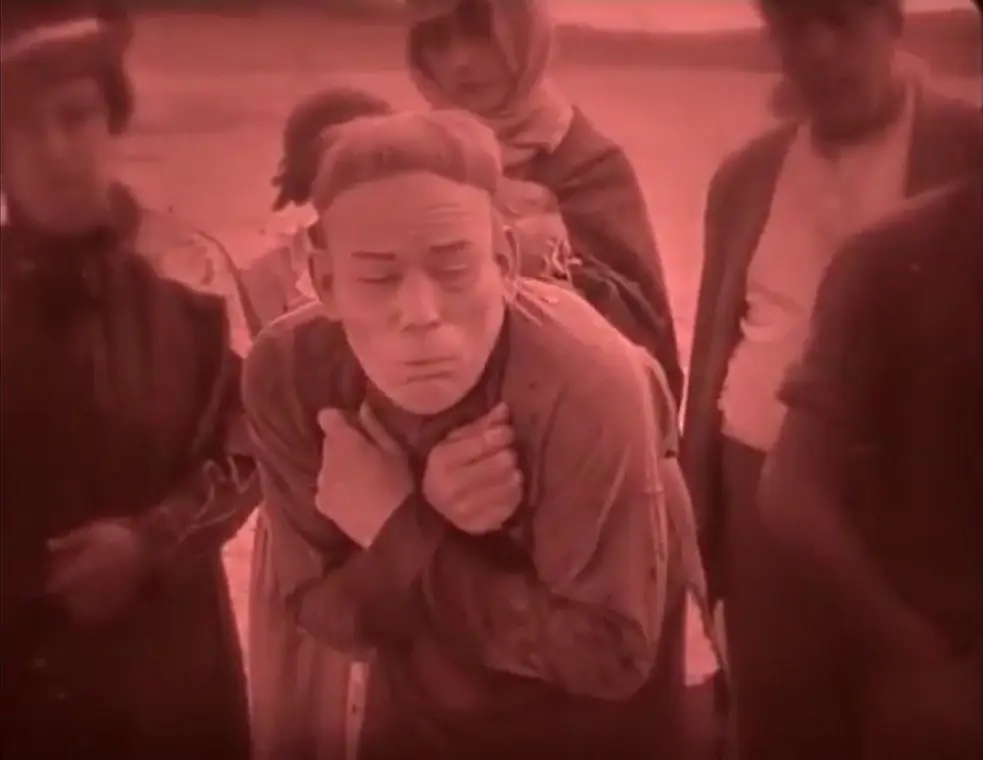
The Split Personality of Early Narrative: The Case of Becky and the Dual Soul
At the heart of the cult experience is the concept of the "other." We see this most vibrantly in the 1921 classic The Case of Becky. In an era where the psychological thriller was still in its infancy, the depiction of a young girl under hypnotism discovering a split personality was nothing short of revolutionary. It mirrored the very nature of the cult film audience—individuals who lead conventional lives by day but retreat into the dark, hypnotic embrace of the fringe by night. This duality is the cornerstone of the midnight mindset. The internal struggle of Becky isn't just a plot point; it is a metaphor for a cinema that refuses to be one thing, a cinema that demands we look at the fractured pieces of the human psyche.
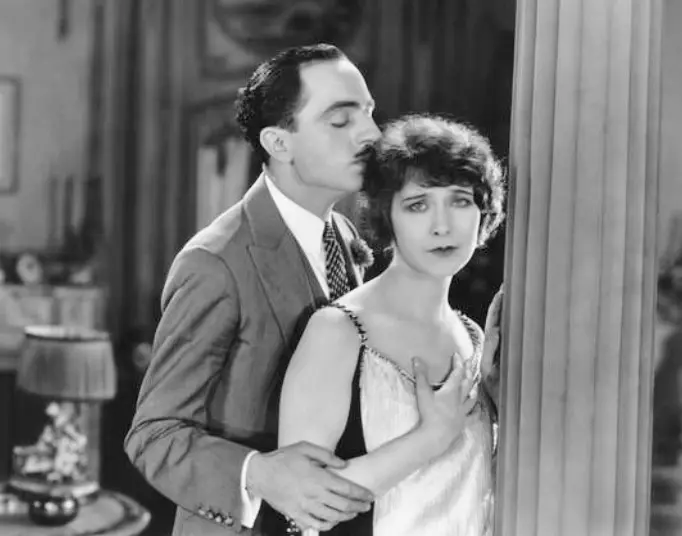
The Architecture of the Abnormal: Schools for Crooks and Vigilante Justice
Cult cinema often thrives on the depiction of subcultures and secret societies. Take, for instance, The Edge of the Law, which introduces us to 'Pop Hogland’s school for crooks.' This narrative choice—the formalization of the criminal underworld—is a direct ancestor to the stylized gangs of The Warriors or the assassin hotels of John Wick. It creates a world with its own internal logic, separate from the moralizing tone of standard silent-era dramas. Similarly, The White Masks explores the 'six-o-one,' a gang of masked riders in a Western town. These films provided a template for the 'cool outlaw,' an archetype that cult audiences have championed for decades. They represent a rejection of the established order, a theme that resonates through the ages from the silent dust of the frontier to the dystopian futures of modern sci-fi.
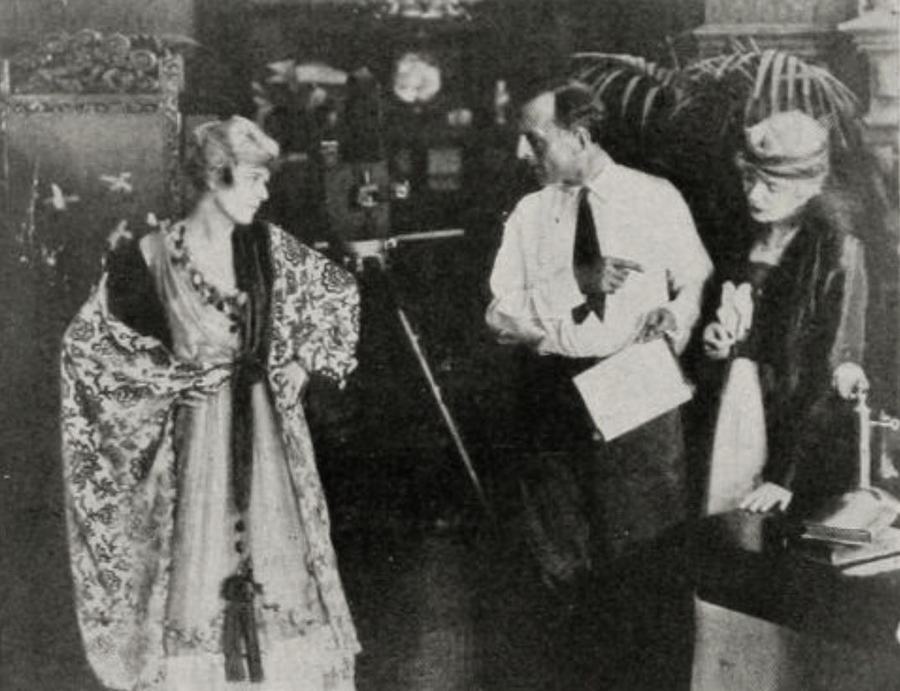
Transgressive Rhythms: From the Paper Lantern Café to the South Seas
The allure of the 'exotic' and the 'forbidden' was a powerful drug for early audiences. In At the End of the World, the Paper Lantern Café in Shanghai serves as a liminal space where men play with fate and romance is a dangerous game. This fatalism is a recurring motif in cult works—the sense that the characters are trapped in a beautiful, doomed loop. We see a different kind of transgression in Hidden Valley, where a 'white goddess' is captured by a tribe in South Africa. While today these films are viewed through a lens of historical critique, their original impact was one of pure, unadulterated escapism into the 'weird.' They were the 'grindhouse' features of their day, offering thrills that the polite society of Happiness or The Girl Dodger could never provide.

The Gothic Sublime: Fritz Lang’s Destiny and the Bargain with Death
If there is one film from this era that encapsulates the visual ambition of the cult aesthetic, it is Destiny (1921). Fritz Lang’s masterpiece, where a woman bargains with Death to save her fiancé, introduced a level of high-concept fantasy and expressionist dread that would influence everyone from Alfred Hitchcock to Guillermo del Toro. The three 'chances' given by Death are not just narrative devices; they are visual excursions into the macabre. This is the root of the cinematic séance, where the screen becomes a portal to the afterlife. Cult cinema has always been obsessed with the border between the living and the dead, the real and the surreal. Destiny didn't just show us a story; it showed us a nightmare that we didn't want to wake up from.
Social Mutants and the Melodrama of the Misfit
While many associate cult films with horror or action, the genre also encompasses the 'social misfit.' Films like The Melting Pot dealt with the trauma of the Kishineff massacre in Russia, bringing a raw, political edge to the screen. It was a film that spoke to the disenfranchised, the immigrants, and the survivors. This 'outsider' perspective is what binds a cult community together. Whether it’s the sprightly seventeen-year-old reporter in The Kid fighting for her place in the New York Herald, or the idealistic young American in Dangerous Hours falling under the influence of communist agitators, these characters represent a rupture in the status quo. They are the 'unconventional heroes' who don't fit the mold of the leading man or woman, much like the audience members who find solace in their stories.
The Comedy of the Absurd: From Mexico to the Kitchen
Cult cinema isn't always dark; it is often delightfully absurd. The Man from Mexico, with its plot about a man lying to his wife about a 30-day jail sentence by claiming he's in Mexico, leans into the kind of farcical deception that would later define cult comedies. There is a specific joy in watching characters navigate impossible lies. Even the short Joys and Glooms, an early animation, captures the frantic, competitive nature of modern consumerism in a way that feels strangely ahead of its time. These films remind us that the 'cult' label often applies to works that were simply too eccentric for the general public of their era—films that required a specific, slightly skewed sense of humor to appreciate.
The Legacy of the Forgotten: Why the Fringe Matters
As we look back at titles like The Ghost of Old Morro or Fighting for Gold, we see a cinema that was experimenting with its own boundaries. The 'nefarious Mother Morro' and her disreputable inn provide a blueprint for the gothic villainess, while the international mining rivalries of Fighting for Gold anticipate the high-stakes corporate thrillers of the late 20th century. These films were the 'genetic rebellion' of their time. They refused to follow the safe paths laid out by the burgeoning studio system. Instead, they took detours into the woods of The Blinding Trail or the frozen wastes of The Call of the North.
The devotion we see today for 'forgotten' films is not a modern phenomenon; it is the continuation of a ritual that began in the nickelodeons and grand movie palaces of the 1910s. When we watch A Lady's Name, where a novelist advertises for a husband just to get ideas for her book, we are seeing the birth of meta-narrative—a favorite tool of the cult filmmaker. When we witness the Southern aristocrat in A Trick of Fate heading to New York to reclaim her family honor through dance, we are seeing the proto-melodrama that would eventually evolve into the camp classics of the 1960s.
Conclusion: The Eternal Flicker of the Underground
The history of cinema is often written by the victors—the blockbusters and the Oscar winners. But the soul of cinema lives in the underground. It lives in the 'playthings of passion' and the 'swat the crook' adventures that dared to be different. The films mentioned here—from the hypnotic depths of The Case of Becky to the fatalistic beauty of Destiny—are the true ancestors of the modern cult obsession. They taught us that a film doesn't need to be perfect to be loved; it just needs to be honest, weird, and daring. As long as there are filmmakers willing to explore the 'hidden valleys' of the human experience, and audiences willing to follow them into the dark, the cult of the celluloid outcast will never die. It is an enduring alchemy, a transformation of light and shadow into a sacred bond between the screen and the seeker.
Community
Comments
Log in to comment.
Loading comments…