
Cult Deep Dive
The Celluloid Outlaw’s Anthology: Decoding the Primal Deviance of Early Cinema’s Forgotten Misfits
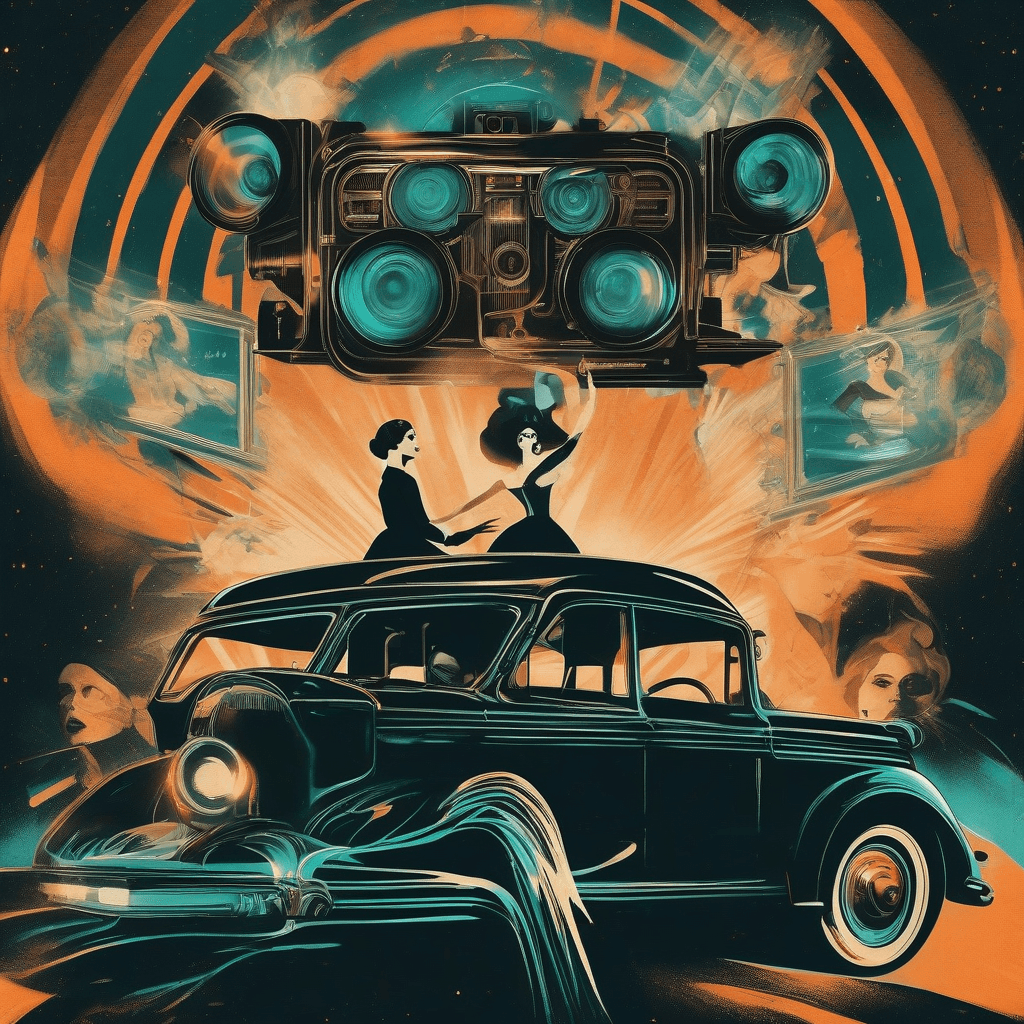
“Explore the transgressive roots of cult cinema through the lens of early 20th-century anomalies, where social rebellion and visual anarchy first took hold.”
The history of cult cinema is often erroneously confined to the neon-soaked midnight screenings of the 1970s or the gritty VHS underground of the 1980s. However, the true genesis of the cult mindset—that specific devotion to the unconventional, the transgressive, and the misunderstood—began decades earlier. Long before the Rocky Horror Picture Show invited audiences to do the time warp, the silent era was already producing a lineage of misfit masterpieces that defied social norms, experimented with narrative structure, and challenged the burgeoning cinematic establishment. This is the era of the original outliers, where films like The Seven Pearls and Danse macabre laid the groundwork for a century of niche obsession.
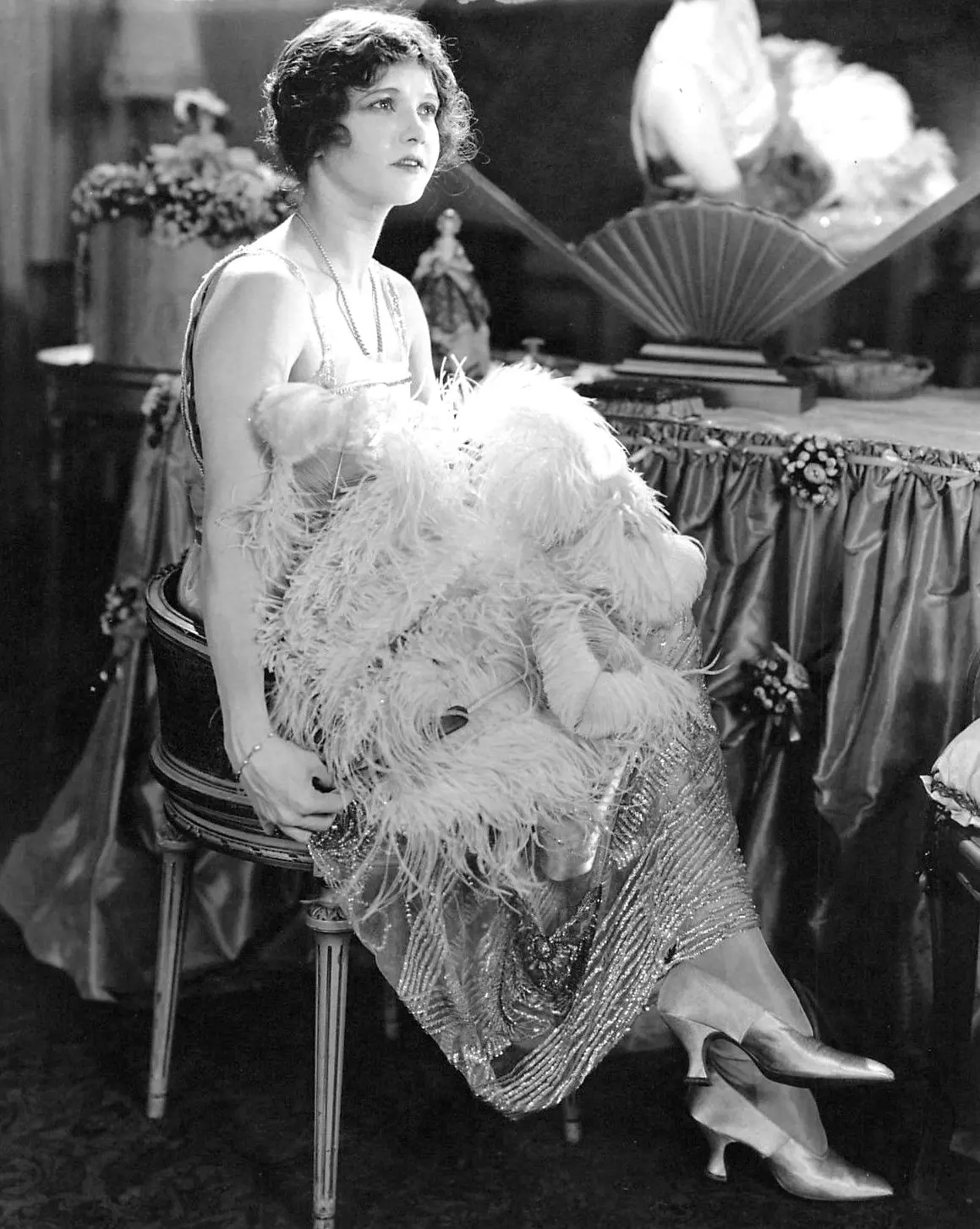
The Taboo of the Heart: Early Transgressions in Romance
One of the primary hallmarks of cult cinema is its willingness to touch upon subjects that the mainstream deems too volatile. In the early 20th century, social boundaries were rigid, yet filmmakers were already pushing against them. Consider the 1917 film Forbidden Paths, which explored the then-taboo romance between a Japanese man and the daughter of his American employer. This wasn't just a drama; it was a radical confrontation of racial and social hierarchies. Similarly, Where Lights Are Low took us into the heart of a Chinese prince’s struggle for love against class expectations, proving that cinema has always been a vehicle for the marginalized. These films didn't just tell stories; they acted as cultural provocations, a key ingredient in the recipe for cult longevity.
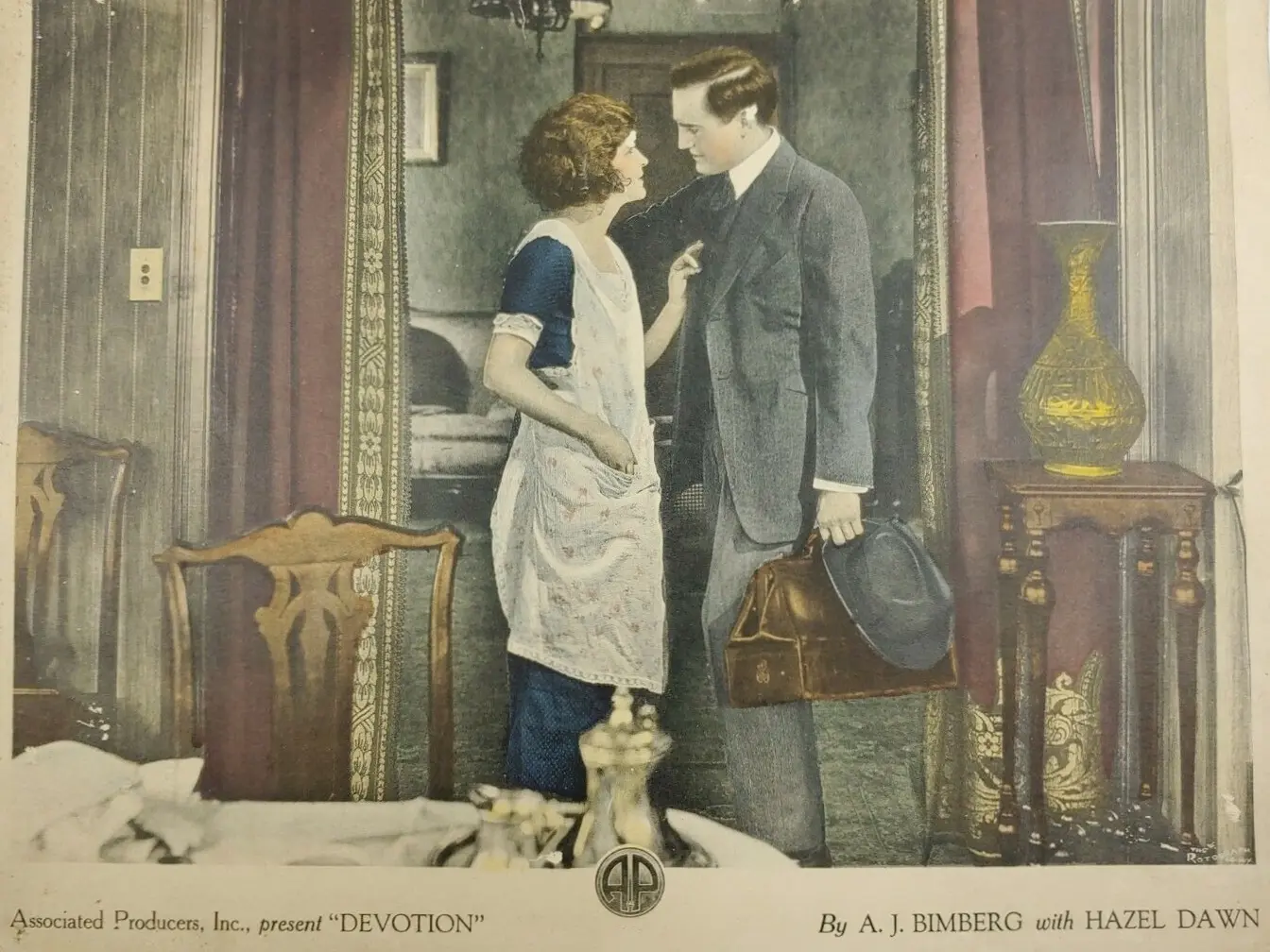
The domestic sphere was equally fertile ground for rebellion. While the mainstream celebrated traditional family values, films like Experimental Marriage (1919) were busy dismantling them. By proposing a marriage that only existed on weekends, the film offered a feminist critique of the nuclear family long before such ideas were popularized in the 1960s. These narratives of social friction, including the marital revenge plot of Calling His Bluff, provided a blueprint for the subversive domestic dramas that would later define the cult genre. They reflected a world that was messy, unfair, and ripe for change.
Visual Symphony and the Architecture of the Abnormal
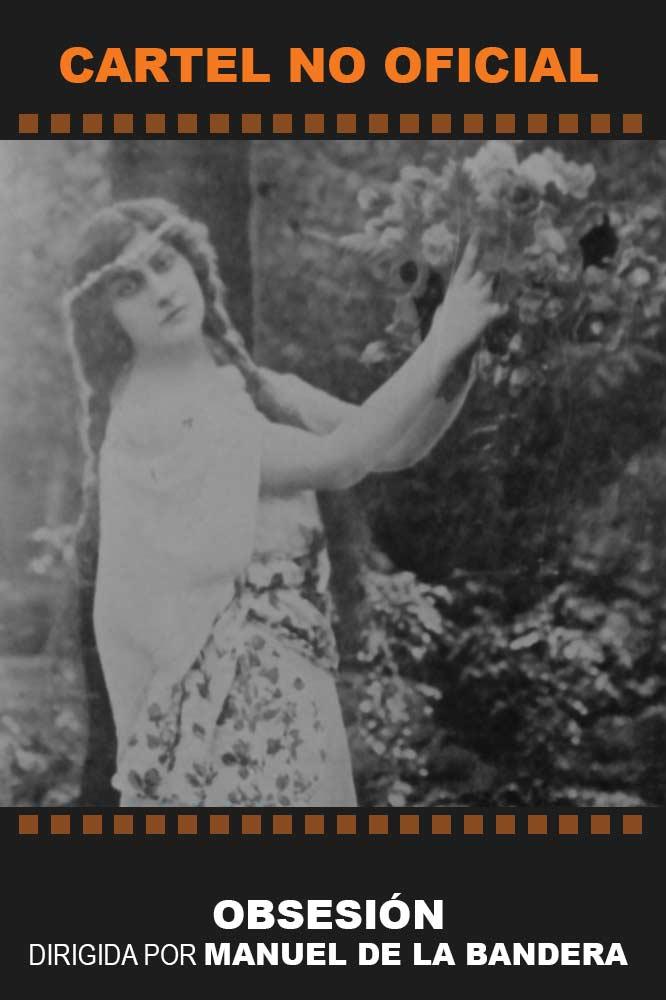
Cult cinema is as much about the visual experience as it is about the story. The early masters of the frame were already experimenting with surrealism and horror in ways that still resonate. Danse macabre, a visual symphony set to Camille Saint-Saëns' music, is a primal example. It transformed the Spanish Black Plague into a terrifying dance of death, blending horror and high art in a way that predated the gothic aesthetics of modern cult icons. This fascination with the macabre was echoed in The Doom of Darkness, where a surgeon’s sacrifice leads to blindness, a haunting metaphor for the physical and spiritual costs of obsession.
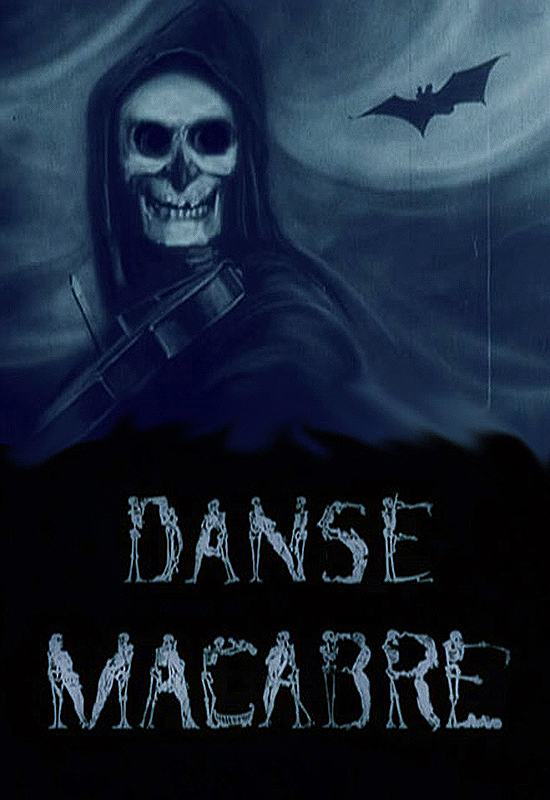
The sheer weirdness of early cinema cannot be overstated. Take The Cruise of the Make-Believes, where a young girl in the New York slums builds a "yacht" in her backyard to escape her grim reality. This surrealist escapism is a direct ancestor to the whimsical, often dark fantasies of filmmakers like Terry Gilliam. Even the titles of the era suggest a world of strange wonders: Peerless Pineapples of the Pacific or Cirkus Bimbini. These films, often lost to the ravages of time, represent a phantom archive of human curiosity. They were the "weird" films of their day, the ones that didn't quite fit the emerging Hollywood mold but captured the imaginations of those looking for something beyond the marquee.
The Social Storm: Politics, Poverty, and the Proletariat
Cult films often thrive on the fringes of political discourse, and the silent era was a time of immense global upheaval. Whom the Gods Destroy took audiences into the heart of the 1916 Irish Easter Rebellion, while A Friend of the People dissected the social storms following World War I. These weren't mere entertainments; they were cinematic manifestos. They spoke to the disenfranchised, the brothers fighting for the lower classes, and the women struggling for agency in a world designed to keep them in bond. Mothers of Men even dared to imagine a woman governor faced with a moral crisis involving domestic terrorism—a narrative that remains shockingly relevant.
The harsh reality of the urban experience was another recurring theme. Bread (1918) remains a devastating look at a girl’s disillusionment in New York City, where her dreams of stardom are met with poverty and lecherous predators. This grittiness is mirrored in Fior di male, the story of a prostitute with no hope, and Her Body in Bond, which explored the sacrifices made by a dancing team separated by illness. These films provided a voice for the forgotten misfits, the people whose lives were lived in the shadows of the Gilded Age. By documenting the struggle of the marginalized, these early filmmakers created a bridge of empathy that is central to the cult experience.
Mystery, Crime, and the Birth of the Procedural Cult
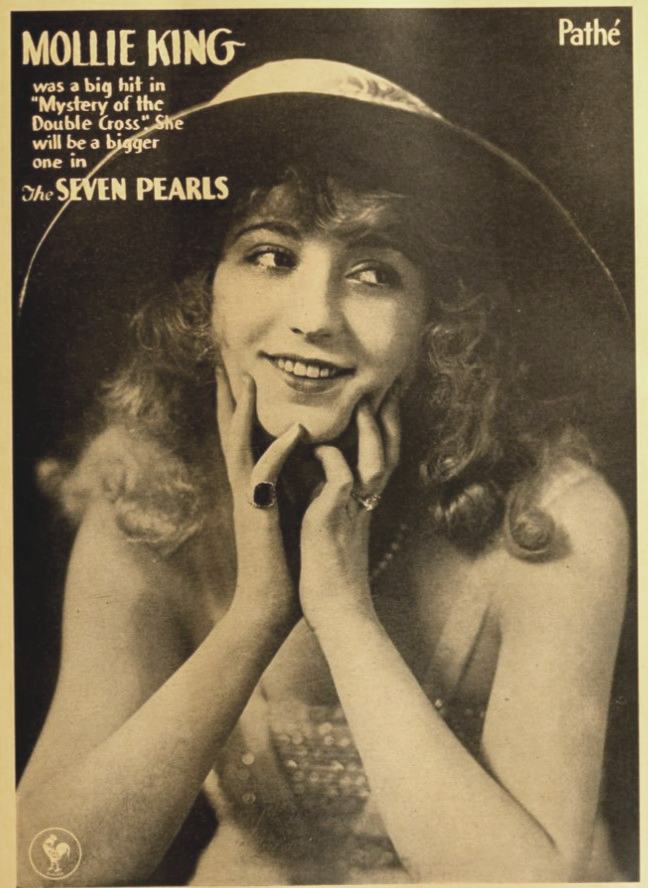
The allure of the unknown is a powerful magnet for cult followings. The early century excelled at creating enigmatic narratives that demanded repeat viewings and deep analysis. The Crimson Circle, with its battle between an inspector and a blackmail gang, is a precursor to the complex crime procedurals that fans obsess over today. The Seven Pearls, an episodic mystery involving a Sultan’s necklace and masked figures, created the first true "mystery box" experience, where audiences would return week after week to decode the latest clue. This episodic devotion is the ancestor of modern TV fandom.
Even the shorter works of the time, like The Black Ace or Out of Place, showcased a penchant for the unconventional. Whether it was a guide teaching a rich man a lesson in the Maine woods or the high-speed bed chase that concluded Scamps and Scandals, these films embraced a sense of kinetic anarchy. They were unafraid to be silly, brutal, or bizarre. They understood that cinema was a playground where the rules of reality could—and should—be broken. This spirit of play is what allows a film to transition from a mere product to a beloved relic.
The Enduring Legacy of the Maverick Spirit
As we look back at the maverick visions of the 1910s and 20s, we see the DNA of everything we love about cult cinema today. From the orphan’s struggle in Vanity Fair to the circus performers of The Ballet Girl, these stories are populated by characters who exist on the periphery. They are the Beloved Rogues, the Royal Paupers, and the Winners of the West who forged their own paths. Even the tragic figures, like the mother in The Girl with the Green Eyes or the betrayed sister in Evidence, contribute to a canon of emotional extremity that defines the cult aesthetic.
Why do we continue to worship at this celluloid altar? Perhaps it is because these films, despite their age, possess a primal honesty. They were made at a time when the language of film was still being written, and every frame was an experiment. When we watch Don Juan Manuel or A Girl Named Mary, we aren't just seeing a movie; we are witnessing the birth of a new way of seeing the world. We are connecting with the rebel soul of the past, a soul that refuses to be silenced by the passage of time or the shift in technology.
In conclusion, the cult cinema of today is built upon the foundation of these early 20th-century anomalies. Every time we celebrate a film for being "too weird" for the mainstream, we are echoing the sentiments of those who first gathered in the dark to watch Ålderdom och dårskap or Manya, die Türkin. The Midnight Alchemist was always there, stirring the pot of cinematic deviance, turning the lead of the everyday into the gold of the extraordinary. By unearthing these forgotten reels, we don't just honor the history of film; we reclaim the transgressive fire that makes cinema worth living for.
Community
Comments
Log in to comment.
Loading comments…