
Cult Cinema
The Midnight Mosaic: Decoding the Primal Eccentricities and Subversive Shadows of Cinema’s Forgotten Fringe Rebels
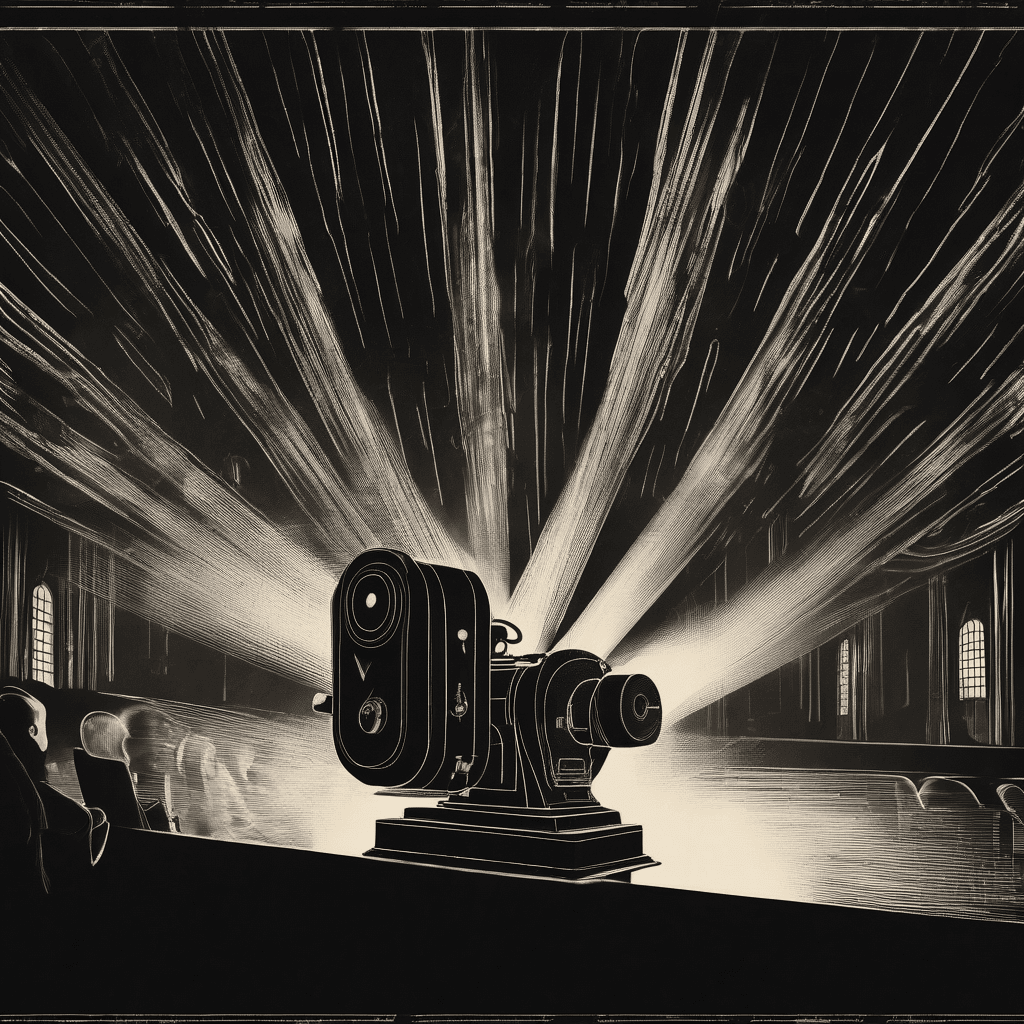
“A deep dive into the hidden origins of cult cinema, tracing the transgressive DNA of early 20th-century outliers and their enduring influence on the midnight movie psyche.”
The term cult cinema is often associated with the neon-soaked midnight screenings of the 1970s or the gritty VHS underground of the 1980s. However, the true genetic blueprint of the transgressive, the weird, and the defiantly non-conformist was drafted decades earlier, in the flickering shadows of the silent era. To understand the modern obsession with the cinematic outlier, one must look back to a time when the rules of narrative were still being written—and subsequently broken—by a rogue wave of filmmakers who dared to explore the darker corners of the human condition.
The Psychological Fracture: Proto-Noir and the Dual Persona
Long before the psychological thriller became a staple of the mainstream, early cinema was already experimenting with the concept of the fractured psyche. A prime example of this primal transgression can be found in The Brand of Satan. This narrative didn't just settle for a simple crime story; it delved into the terrifying territory of the split personality. By presenting a protagonist who discovers he is simultaneously a respectable citizen and a notorious strangler, the film laid the groundwork for what would eventually become the 'body horror' and 'psychological slasher' subgenres. This duality—the tension between the public mask and the private monster—is a recurring motif in cult cinema that resonates from the silent era through to the works of David Lynch.
Similarly, the weight of generational trauma and internal decay is explored with haunting precision in The Fear Woman. When a young woman is confronted with the legacy of her father’s alcoholism on the very night of her engagement, the film transcends the typical melodrama of its time. It becomes a study in hereditary dread, a theme that modern cult audiences still find deeply transfixing. These films weren't merely entertainment; they were early attempts to map the invisible scars of the mind, using the high-contrast lighting and exaggerated performances of the era to externalize internal agony.
The Architecture of Absurdity: Surrealism and the Slapstick Soul
If the psychological thriller provided the darkness, early comedy provided the surrealism that would define the 'weird' side of cult obsession. Consider the sheer structural audacity of Daffy House. In this short, a movie studio is converted into a literal house of madness to deter a suitor. The deliberate orchestration of strange behavior for the sake of a narrative ruse is a meta-cinematic flourish that predates the post-modernist games of the late 20th century. It challenges the viewer’s perception of reality, much like the absurdist humor of John Waters or the early works of the Coen Brothers.
This lineage of chaos continues in films like The Grocery Clerk and Park Your Car. While ostensibly slapstick comedies, the level of mechanical and social destruction present in these stories—where cars literally disintegrate or simple errands turn into town-wide catastrophes—reflects a certain genre defiance. There is a nihilistic joy in watching the structures of everyday life fall apart, a sentiment that fuels the cult following of chaotic cinema. The 'fat neighbor' and the 'lowly clerk' are archetypes of the everyday man pushed to the brink by an uncaring, absurd universe, a theme that remains a cornerstone of the cult experience.
The Outsider’s Anthem: Nature, Silence, and Social Exile
At the heart of every cult film is the Outsider. Early cinema excelled at creating these figures of social exile, often setting them against harsh, unforgiving landscapes. The Unwelcome Mother introduces us to Ellinor, a child raised in a lighthouse on a deserted beach, growing up 'wild and nearly silent.' This character is a proto-cult icon—a being who exists outside the reach of civilization’s linguistic and moral codes. When she 'blossoms into womanhood,' her collision with the civilized world creates a friction that is both tragic and subversive.
This theme of the half-breed or the social hybrid is further explored in The Dawn Maker, featuring Joe Elk, a half-breed Indian living at the edge of the Hudson Bay Fur Company’s reach. These narratives grapple with identity and the 'other' in ways that were radical for their time. They don't offer easy resolutions; instead, they highlight the isolation of those who don't fit into the binary structures of society. This sense of belonging to the fringe is exactly what draws devotees to cult cinema—it is a sanctuary for the misunderstood.
Spectacle and Subversion: The Epic as Niche Devotion
While we often think of cult films as low-budget affairs, the 1910s and 20s saw the rise of the 'eccentric epic.' Films like Attila, the Scourge of God and Ivanhoe brought a sense of barbaric grandeur to the screen. These weren't just historical recreations; they were stylistically aggressive visions of the past. The portrayal of the 'Scourge of God' or the Saxon honor of Scott’s novels allowed audiences to escape into worlds defined by primal codes of violence and courtly love. To a modern cult enthusiast, these films represent the 'maximalist' side of the genre—films that are so committed to their aesthetic and world-building that they become sacred texts for their fans.
Even the documentary-style realism of the era had a cult-like intensity. The Joe Gans-Battling Nelson Fight, documenting a championship bout in the Nevada goldfields, captured a raw, unvarnished reality that feels like a precursor to the gritty 'mondo' films or the hyper-realist sports dramas of today. There is a sacredness in the 'real' that early audiences craved, a desire to witness the authentic moment of triumph or defeat, which is the same impulse that drives people to seek out rare, unedited footage in the depths of film archives.
The Urban Underworld: Crime, Class, and the Bohemian Fringe
As cinema moved into the cities, it began to document the underground. Whitechapel, with its tale of jewel thieves and flower sellers, explored the labyrinthine morality of the urban poor. The swapping of a real pearl necklace for a worthless imitation is a classic noir trope, but in 1920, it was part of a burgeoning language of cinematic crime. The city was a place of masks, where anyone could be a jumping jack or a lord, and the truth was always hidden behind a veil of deception.
This bohemian decay is perhaps most poignantly captured in Skæbnesvangre vildfarelser (Fatal Delusions). Set in the tavern Moulin Rouge, it depicts a company of artists, sculptors, and models listening to the famous Gaston Printemps. The depression of the young painter Louis, caught in a web of artistic frustration and unrequited love, mirrors the 'starving artist' trope that has fueled countless cult indies. It captures a specific subculture—the silent underground—where life is lived in the pursuit of beauty, often at the cost of sanity. This focus on niche communities and their internal dramas is what makes these films feel so modern; they are the ancestors of the 'scene' movies that dominate the cult landscape today.
The Legacy of the Rogue Wave
Why do we return to these films? Why does a movie like The Fear Woman or The Brand of Satan still hold a power over the imagination? It is because they were the first to weaponize the medium of film against the status quo. They weren't afraid to be ugly, or strange, or confusing. They embraced the primal anarchy of a new art form and used it to tell stories that the 'respectable' theater of the time wouldn't touch.
The films in this mosaic—from the swamp-country drama of The Child of Destiny to the high-society satire of School Days—all share a common thread: they are maverick spirits. Whether it’s The Ten Dollar Raise showing a lowly worker buying out his cruel boss, or The Danger Game featuring a debutante who accidentally becomes a notorious con-woman, these stories celebrate the reversal of fortune and the breaking of social barriers. They are the 'midnight' movies of their day, screened for audiences who wanted something more than just a happy ending; they wanted a reflection of their own restless, rebellious souls.
In the end, the history of cult cinema is not a straight line, but a midnight mosaic of scattered brilliance. It is found in the 'wild' girl of the lighthouse, the strangler with two faces, and the painter in the tavern. By unearthing these early transgressions, we don't just learn about the history of film; we learn about the history of the human impulse to deviate, to subvert, and to find beauty in the shadows. The silent era’s fringe was not a footnote; it was the foundation of everything we now call 'cult.'
Community
Comments
Log in to comment.
Loading comments…