
Cult Cinema Deep Dive
Celluloid Rebels: Tracing the Deviant Roots of Midnight Movies in the Silent Era’s Forgotten Fringe
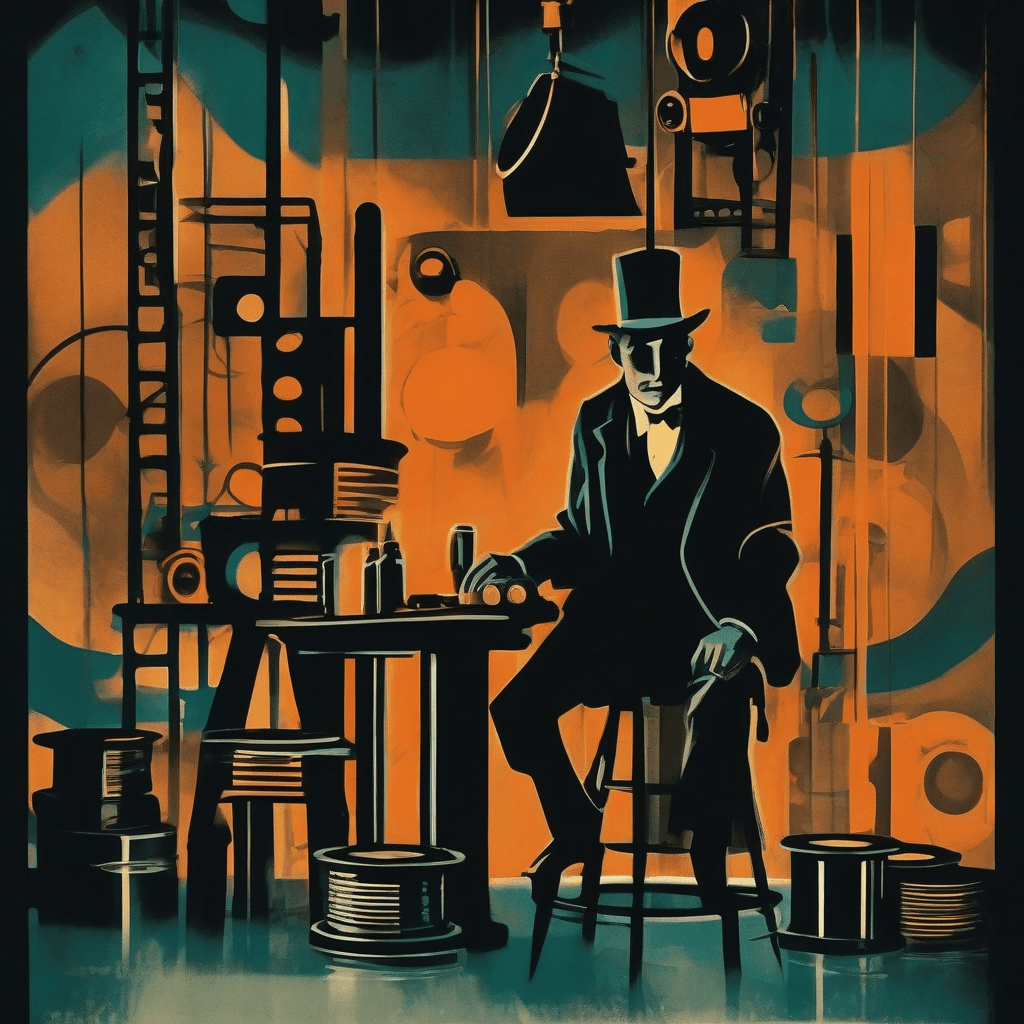
“Discover how the transgressive themes and misfit narratives of early silent cinema provided the foundational DNA for modern cult movie fandom.”
The concept of the "midnight movie" is often historically anchored in the 1970s, a product of the counter-culture movement and the gritty urban landscapes of New York and Los Angeles. However, to the discerning film historian and the cult cinema devotee, the true genesis of the subversive, the strange, and the transgressive lies much deeper in the archives. Long before The Rocky Horror Picture Show or Eraserhead, the silent era was teeming with narrative anarchy and visual experimentation that would eventually become the blueprint for niche worship. This was a time when the rules of the medium were still being written, allowing for a level of thematic deviance that contemporary Hollywood would find startling.
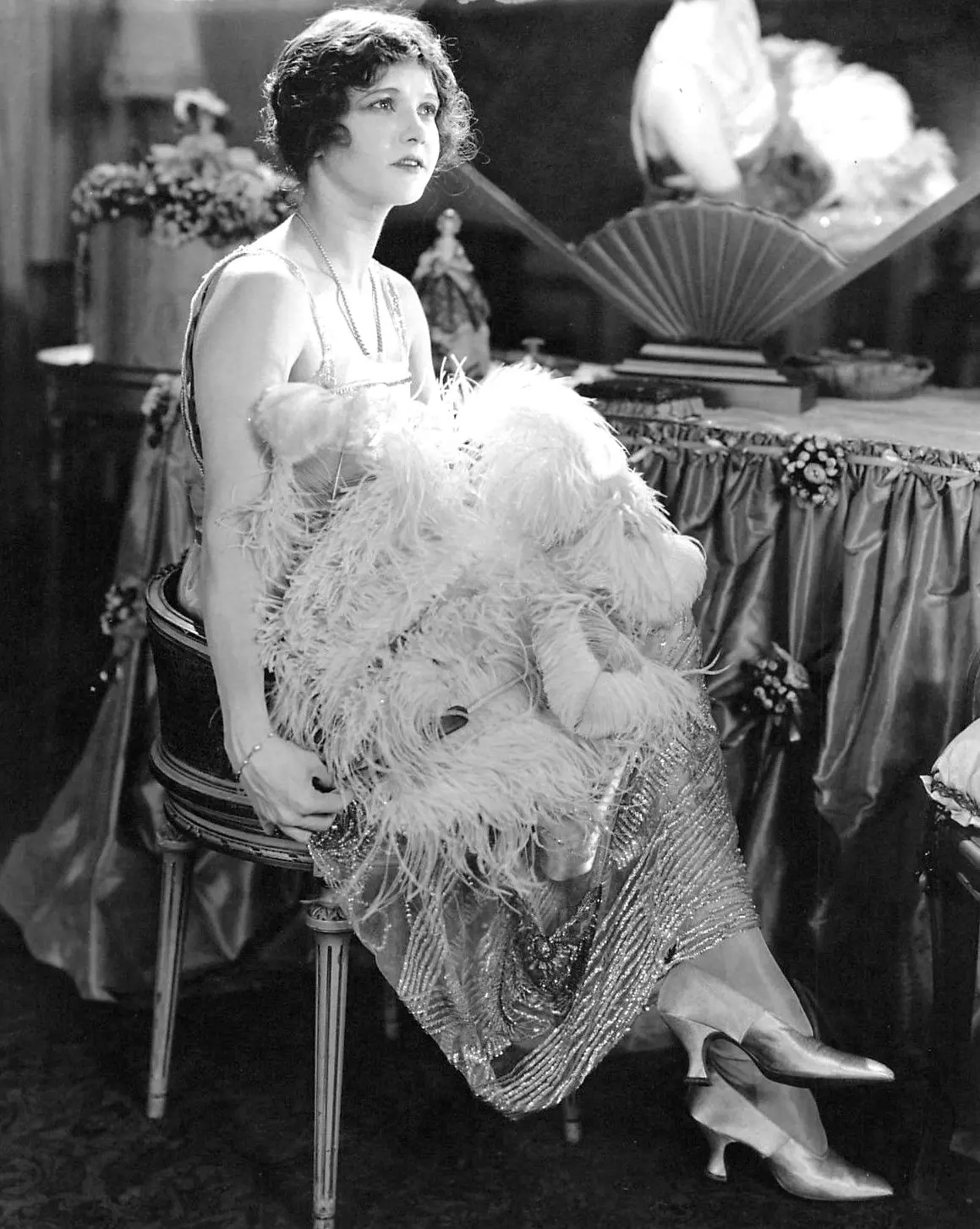
The Deformed Mastermind: Lon Chaney and the Birth of the Cult Icon
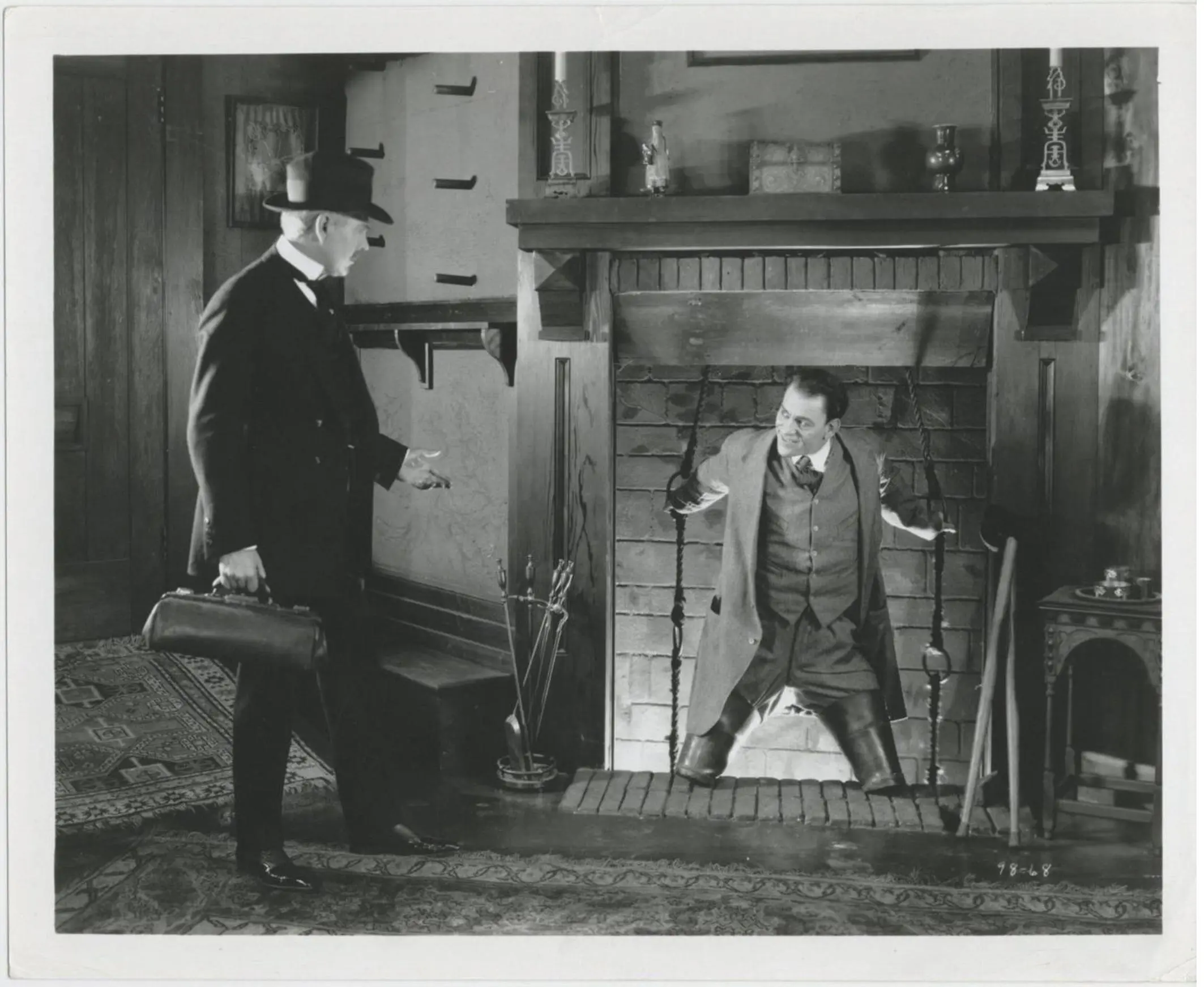
Perhaps no film from the early 20th century embodies the "cult" aesthetic more purely than the 1920 masterpiece The Penalty. Starring the legendary Lon Chaney, the film tells the story of Blizzard, a deformed criminal mastermind who seeks a grotesque revenge on the doctor who mistakenly amputated his legs as a child. This is not merely a crime drama; it is a dive into the psychological abyss of the outcast. Chaney’s performance—achieved by binding his legs in a painful harness to simulate double amputation—represents the first true "method" of cult performance. It is a spectacle of physical suffering and narrative audacity that resonates with the same energy as the body horror of David Cronenberg or the transgressive characters of John Waters.

Blizzard’s plan to loot San Francisco is fueled by a primal rage that the audience finds both terrifying and strangely sympathetic. This duality is a hallmark of cult cinema: the ability to make the viewer align with the monster. In The Penalty, the "normal" world is represented by the incompetent and the negligent, while the "deviant" world of the criminal mastermind is one of hyper-competence and dark creativity. This inversion of moral hierarchies is exactly what draws audiences to the fringes of the frame, seeking out stories that reflect their own feelings of alienation.
Shadows of the Underground: Secret Societies and Suicidal Gamblers
If cult cinema is defined by its exploration of the "other," then the 1913 Swedish film De lefvande dödas klubb (The Living Dead Club) is its primordial ancestor. The film follows Tom Haget, a suicidal gambler who receives an invitation to a secret society whose members assist one another in ending their "empty earthly existence." Long before the nihilism of the 1990s or the existential dread of modern indie horror, this film was exploring the macabre fascination with death and the ritualization of the morbid. The very idea of a "Living Dead Club" prefigures the goth subcultures and horror fandoms that would emerge decades later.
Similarly, the French serial obsession represented by Fantomas: The Mysterious Finger Print (1914) blurred the lines between law and chaos. When Inspector Juve is accused of being the criminal mastermind he is hunting, the film taps into a deep-seated suspicion of authority. The "Fantomas" figure became a symbol of the surrealist movement, a phantom that could be anyone and nowhere at once. This fluidity of identity and the rejection of a clear moral center are essential components of the cult experience, where the thrill of the chase is more important than the resolution of the mystery.
Moral Anarchy and the Social Outcast
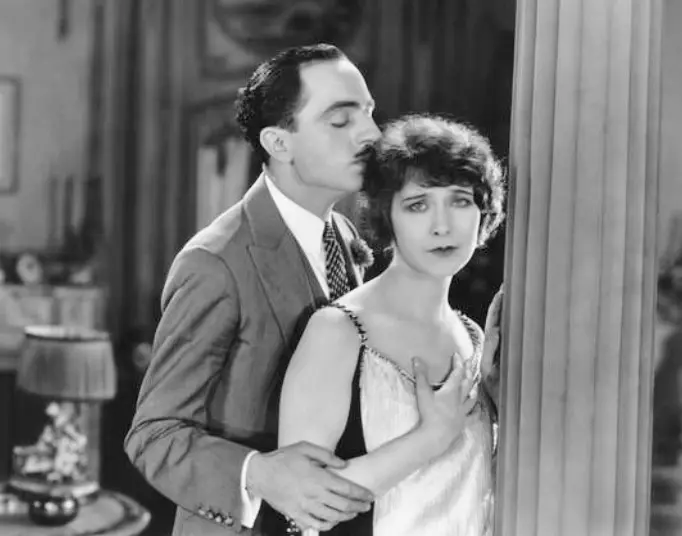
Many early films that would now be considered "cult" were those that dared to tackle the social rot of their time. The Soul of Youth (1920) and Dust (1916) are poignant examples. In Dust, the sweetheart of a young author discovers her father owns the city’s worst factory. This confrontation between personal loyalty and social reform creates a narrative tension that feels surprisingly modern. These films didn't just entertain; they challenged the status quo, often featuring characters like the orphan in The Soul of Youth who are forced into a "life of sin" by a cruel society. This narrative of the victimized outcast finding redemption—or further descent—is a recurring theme in the cult canon.
The Surreal and the Absurd: Comedy as Subversion
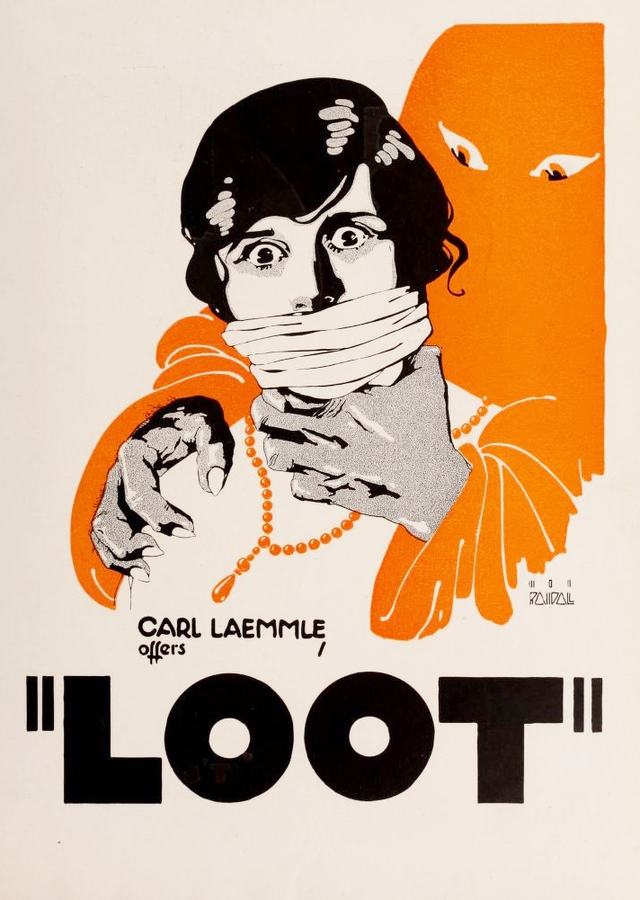
Cult cinema isn't always dark; often, it is found in the wildly absurd and the surreal. Harold Lloyd’s Captain Kidd's Kids (1919) takes a wild bachelor party and transforms it into a dream sequence featuring a ship seized by a band of female pirates. This kind of high-concept, genre-bending absurdity is the direct forefather of the midnight comedies of the 1980s. The dream logic allows for a break from reality that silent audiences craved, and which modern cult fans still seek in the works of directors like Terry Gilliam or Michel Gondry.
We also see the "bumbling hero" archetype in films like Sherlock Brown (1922), where an amateur detective with a five-dollar tin badge finds himself embroiled in a plot involving stolen government formulas. There is a specific joy in watching the underdog—the person who shouldn't be the hero—stumble into greatness. This is the essence of the "so bad it's good" or "accidental masterpiece" aspect of cult cinema. William Brown isn't a hero because he’s capable; he’s a hero because he’s persistent, much like the DIY filmmakers who would later create their own cult legends on shoestring budgets.
The Fallen Woman and the Worldly Madonna
Gender roles and the "fallen woman" trope provided fertile ground for early transgressive cinema. In The Worldly Madonna (1922), Clara Kimball Young plays dual roles—a convent novitiate and a cabaret dancer—who switch places after a murder. This exploration of the sacred and the profane, the virgin and the whore, is a classic cult trope. It questions the stability of identity and the performative nature of morality. Similarly, The Tree of Knowledge (1920) features a "wicked" woman who seduces a man destined for the ministry, leading to his ruin. These stories of moral corruption and the power of the "femme fatale" laid the groundwork for film noir and the erotic thrillers that would eventually populate the midnight slots of art-house theaters.
Global Visions and the Exotic Other
The cult obsession with the "exotic" and the far-flung is also rooted in this era. Nathan der Weise (1922), set in Jerusalem during the Third Crusade, attempted to bridge the gaps between Judaism, Islam, and Christianity. In an era of rising nationalism, such a plea for religious tolerance was a radical act. Meanwhile, documentaries like Med prins Wilhelm på afrikanska jaktstigar (1922) and travelogues like Constantinople, the Gateway of the Orient (1911) provided audiences with glimpses into worlds they would never visit, fostering a sense of wonder and "otherness" that is central to the cult experience. The cult fan is, at heart, a traveler of the mind, seeking out the unfamiliar and the strange.
Even the titles of the era hint at a burgeoning cult sensibility. Friday the 13th (1916), though a Wall Street revenge drama rather than a slasher, shows the early cinematic fascination with superstition and fate. Aladdin's Other Lamp (1917) and The Ghost Flower (1918) suggest a world where the supernatural and the mundane coexist, a liminal space where the logic of the everyday is suspended. This suspension of disbelief is the price of entry for any cult film, from the silent era to the present day.
Conclusion: The Eternal Flame of the Misfit Reel
Why do we return to these flickering, grainy remnants of the past? Because they contain the unfiltered soul of cinema. Before the industry became a behemoth of focus groups and franchise management, it was a playground for the eccentric and the brave. Films like Snowblind (1921), with its isolated Canadian setting and unrequited love, or The Spirit of Good (1920), which pits a showgirl against a desert-town preacher, speak to the universal human experience of being misunderstood.
The cult movie is not just a genre; it is a relationship between the viewer and the screen. It is the act of finding beauty in the "deformed," truth in the "absurd," and community in the "outcast." Whether it is the frantic comedy of Playing Possum (1918) or the high-stakes drama of The Race (1916), these films remind us that cinema has always been a medium of rebellion. As we look forward to the future of film, we must never forget the silent rebels who first taught us how to worship the strange, the broken, and the beautiful. The midnight movie was not born in a 1970s theater; it was born the moment the first silent camera captured the shadow of a misfit.
Community
Comments
Log in to comment.
Loading comments…