
Cult Cinema
The Celluloid Renegade: Decoding the Silent Shadows and Transgressive Roots of Modern Cult Cinema
“Journey into the forgotten archives of early cinema to discover how silent-era parodies, social outcasts, and genre-bending experiments forged the DNA of the modern midnight movie.”
To understand the modern obsession with cult cinema, one must look past the neon-soaked midnight screenings of the 1970s and 1980s. Long before the Rocky Horror Picture Show or Eraserhead, the seeds of cinematic rebellion were being sown in the flickering shadows of the silent era. Cult cinema is defined not merely by its content, but by its relationship with the audience—a devotion that thrives on the fringe, the misunderstood, and the defiantly strange. This editorial explores how the genetic blueprint of the 'midnight movie' was actually drafted by the outliers of the early 20th century.
The Genesis of the Fringe: Beyond the Mainstream Marquee
In the nascent years of the film industry, the boundaries of genre were fluid. While the major studios were attempting to codify the 'hero’s journey' and the standard romance, a parallel world of cinematic subversion was emerging. These films didn't just tell stories; they challenged the social fabric and the burgeoning rules of the medium itself. Take, for instance, the 1923 film Carmen, Jr.. On the surface, it is a short comedy about a young girl besting neighborhood boys. Yet, beneath its slapstick exterior lies a sharp spoof of Bizet’s Carmen, signaling an early appetite for the meta-narrative parody that would later define cult classics like Airplane! or Young Frankenstein. This instinct to deconstruct high art through a low-budget, irreverent lens is a foundational pillar of the cult ethos.
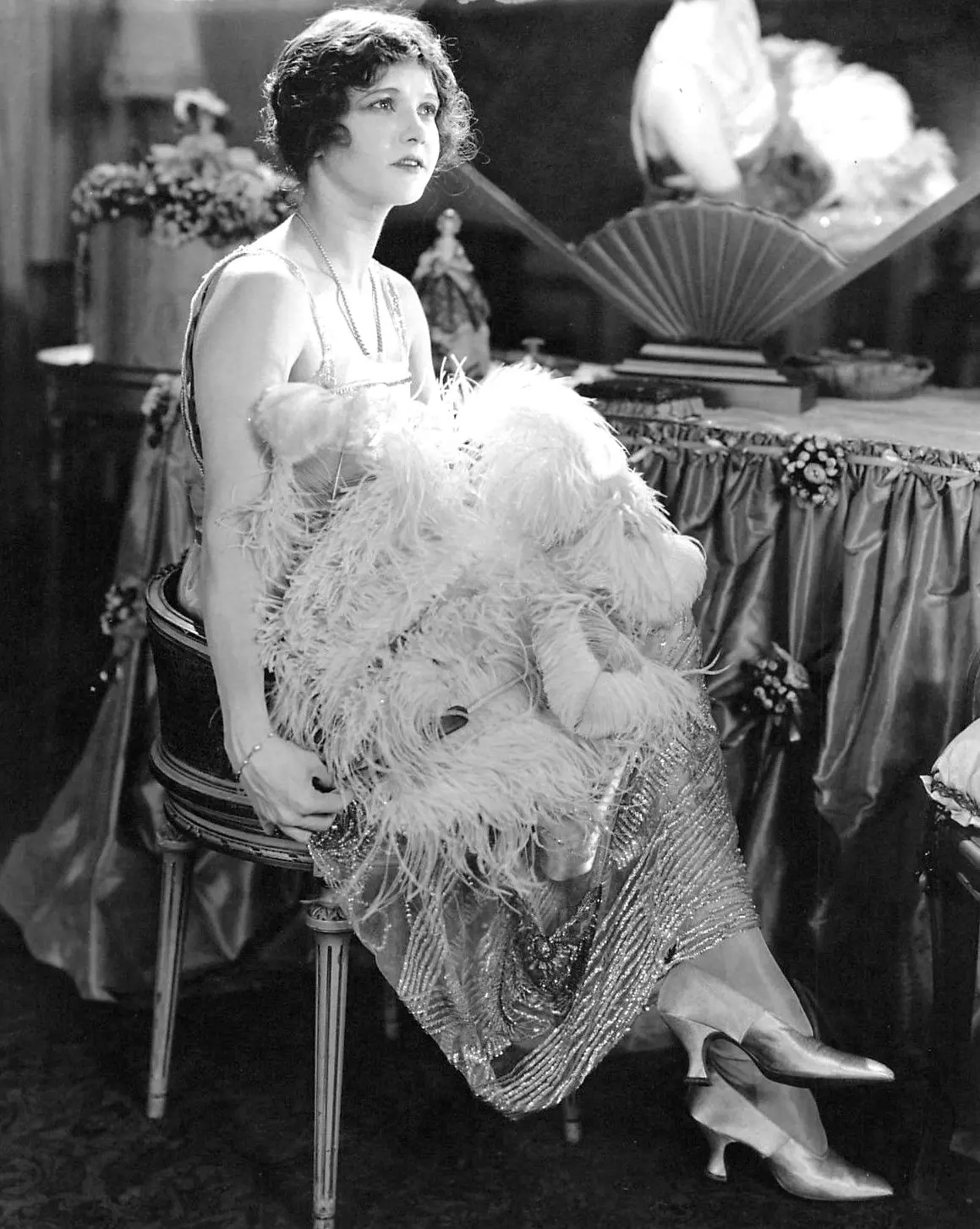
The allure of the cult film often lies in its depiction of the outsider. We see this archetypal resonance in The Big Adventure (1921), where Patches, a kindhearted orphan of the slums, must navigate a world of cruelty and theft. This narrative of the 'pure soul in a corrupt world' has been recycled through decades of underground cinema, from the gritty realism of the 1970s to the modern indie darling. The audience’s empathy for the marginalized character is what transforms a simple viewing experience into a communal act of devotional spectatorship.
Gender Subversion and the Outlaw Spirit
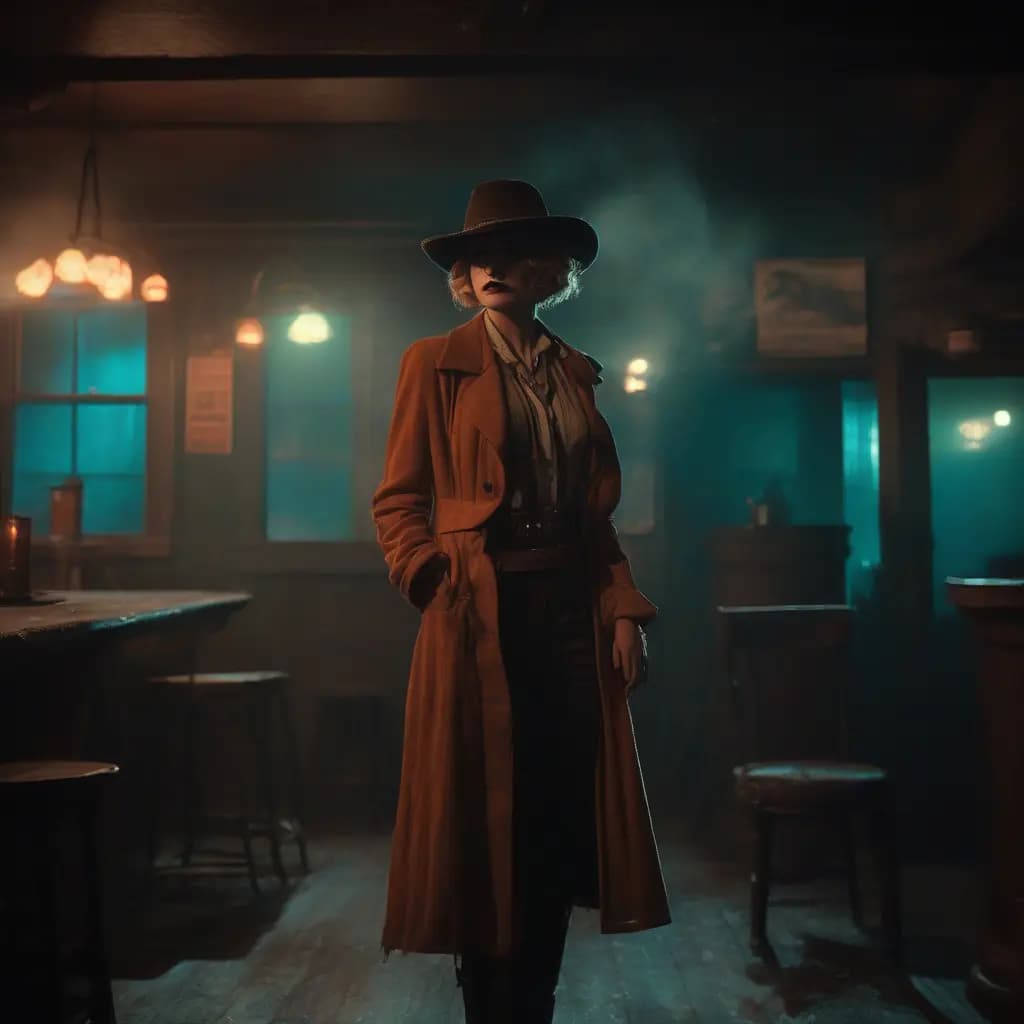
One of the most striking aspects of early 'proto-cult' films is their willingness to play with social norms. In As the Sun Went Down (1919), we are introduced to 'Colonel Billy,' a female gunfighter feared by the men of a California mining camp. Her rejection by the 'proper' women of the town because of the stories surrounding her life is a direct ancestor to the transgressive heroines of modern cult cinema. Colonel Billy represents the 'other'—a character who refuses to fit into the binary expectations of her era. This kind of gender-bending and social defiance is exactly what draws a cult following; it provides a mirror for those who feel disconnected from the polished, heteronormative protagonists of mainstream blockbusters.
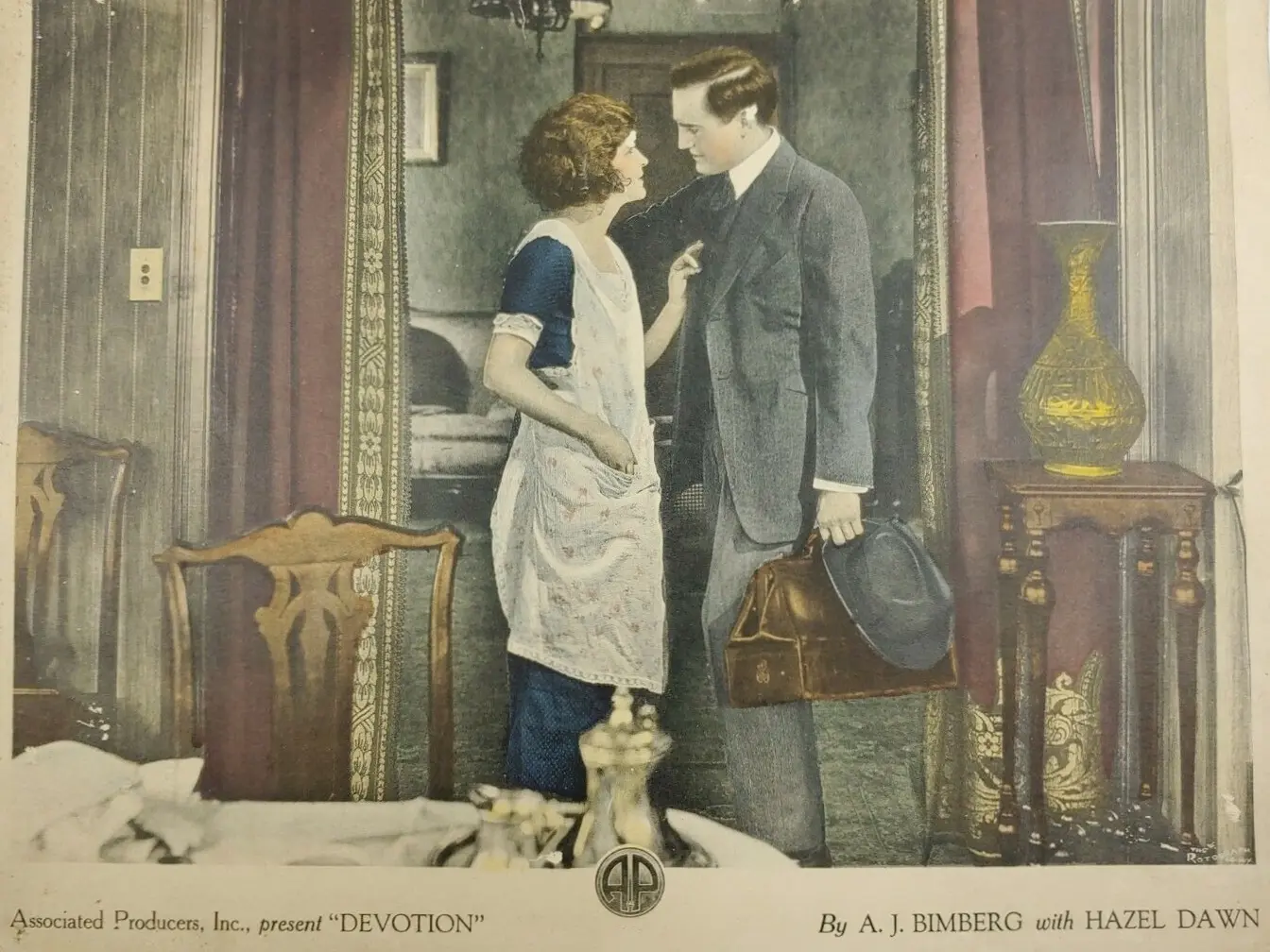
The Farce of the Wildcat: Lubitsch at His Most Unrestrained
When discussing the roots of cult-like absurdity, one cannot overlook Ernst Lubitsch’s The Wildcat (1921). Described as a 'madcap farce,' the film features a charismatic lieutenant captured by mountain bandits. Its unrestrained energy and visual playfulness predate the surrealist humor that would eventually characterize the works of John Waters or the Monty Python troupe. Cult cinema thrives on this sense of 'unrestraint'—a feeling that the director has abandoned the safety of the shore to explore the chaotic waters of pure imagination.

Darkness, Melodrama, and the Noir Precursor
The 'midnight mindset' is often associated with the macabre and the melodramatic. Early films like Eldorado (1921) captured this through the story of Sibilla, a gypsy dancer struggling to pay her son's medical bills in a 'lousy cafe' in southern Spain. The atmosphere of urban decay and moral desperation in Eldorado laid the groundwork for the film noir aesthetic, which itself has become a major subset of cult obsession. The aesthetic of the 'lousy cafe' and the single mother in distress provides a gritty, tactile reality that mainstream fantasies often avoid.
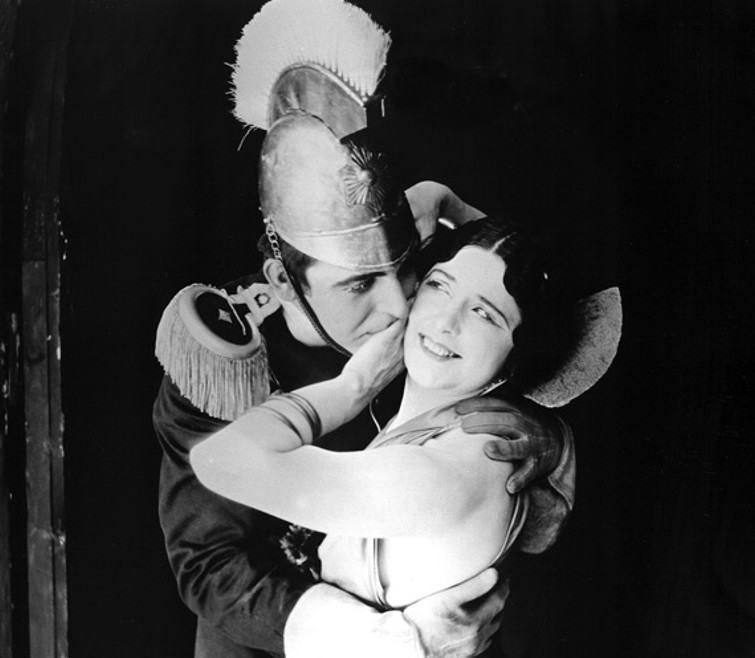
Similarly, The Sin Flood (1922) offers a claustrophobic exploration of human nature under pressure. When flood-proof doors are installed in a café to protect against a Mississippi river overflow, the resulting tension serves as a proto-thriller. This focus on human fragility and the breakdown of social order is a recurring theme in cult cinema, particularly in the post-apocalyptic and survivalist subgenres that dominate the midnight circuit today.
The Double Life: Fantasy vs. Reality
The cult film fan often lives a double life—one in the mundane world and one in the world of cinematic obsession. This theme is literalized in A Perfect Crime (1921), where Wally Griggs, a timid bank messenger, moonlights as a dashing young sport who regales his audience with tales of wild adventure. This duality speaks to the heart of the cult movie experience: the ability of a film to provide a transformative identity for its viewer. When we watch a cult film, we are not just observers; we are participants in the 'wild adventure' of the fringe.
Even the documentary shorts of the era, such as An Eskimotion Picture or the biographical Benjamin Franklin, contributed to this culture of niche interest. They provided windows into worlds—both geographical and historical—that the average viewer would never otherwise see. This curiosity for the obscure is what drives a film collector to hunt down a rare print or a fan to spend hours researching the background of a forgotten character actor.
The Moral Grey Zone: Anti-Heroes and Outlaws
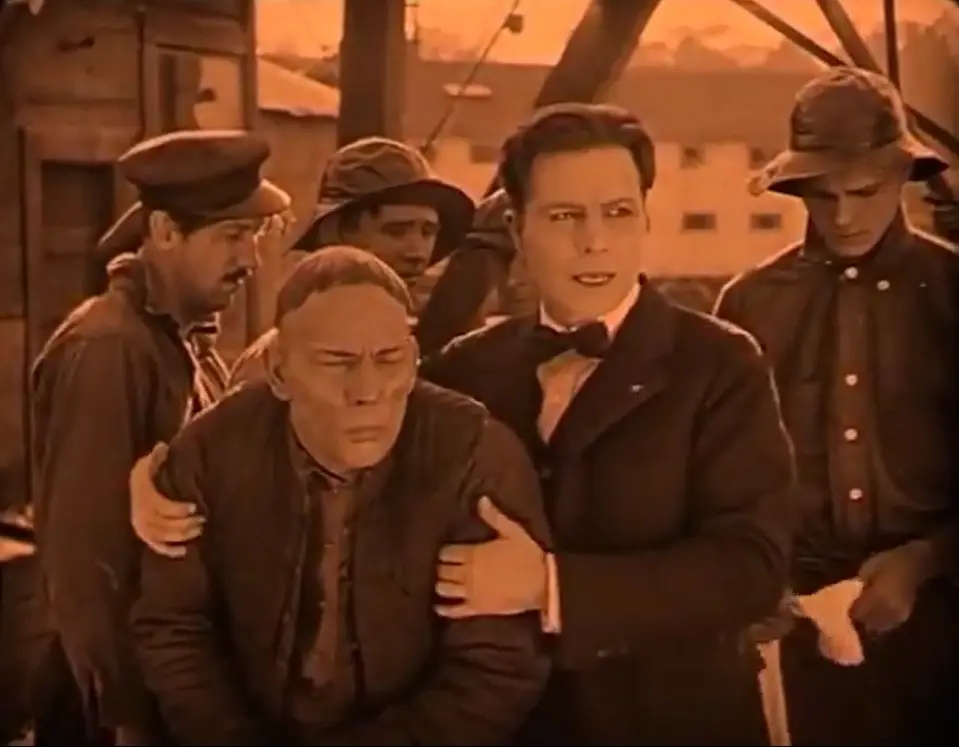
Mainstream cinema of the early 20th century often demanded clear moral resolutions. However, the films that would eventually influence the cult canon were those that lingered in the grey zones. In Thieves' Gold (1918), Cheyenne Harry attempts to help his outlaw friend Padden evade arrest, only for the two to eventually fight to the death. This subversion of the 'buddy' dynamic and the tragic, violent end for the protagonist was a radical departure from the 'happily ever after' tropes of the time. It is this willingness to embrace the uncomfortable truth that makes a film 'cult.' It doesn't cater to the audience's desire for comfort; it challenges their expectations.
Consider also The Crime of the Camora, which delved into the world of Italian detective Taris and his hunt for a gang of cut-throats. The film’s focus on the criminal underworld and the inherent danger of duty provided a visceral thrill that resonated with audiences looking for something more substantial than simple romance. This fascination with the 'dark side' of society is a direct link to the crime and exploitation films of the 1960s and 70s that are now worshipped as cult masterpieces.
Conclusion: The Eternal Flicker of the Fringe
The 50 films referenced in this deep dive—ranging from the comedic mishaps of Flip Flops to the heavy drama of Humoresque—represent a vast, untapped reservoir of cinematic rebellion. They prove that the impulse to create something 'other,' something that defies the easy categorization of the masses, is as old as the camera itself. Cult cinema is not a modern invention; it is a primal urge to find meaning in the shadows, to celebrate the misfit, and to find beauty in the 'perfect crime' of a well-told, unconventional story.
As we continue to navigate an era of algorithmic recommendations and franchise fatigue, the lessons of the silent era’s maverick filmmakers are more relevant than ever. They remind us that the most enduring films are often those that were 'abandoned in India' like the protagonist of Less Than the Dust, only to return and claim their true birthright in the hearts of a dedicated, obsessive few. The midnight movie is alive and well, and its pulse began beating over a century ago in the silent, flickering reels of the celluloid underground.
Community
Comments
Log in to comment.
Loading comments…