
Cult Cinema
The Celluloid Renegades: How 1910s Genre Anomalies and Silent Misfits Forged the Cult Movie Spirit
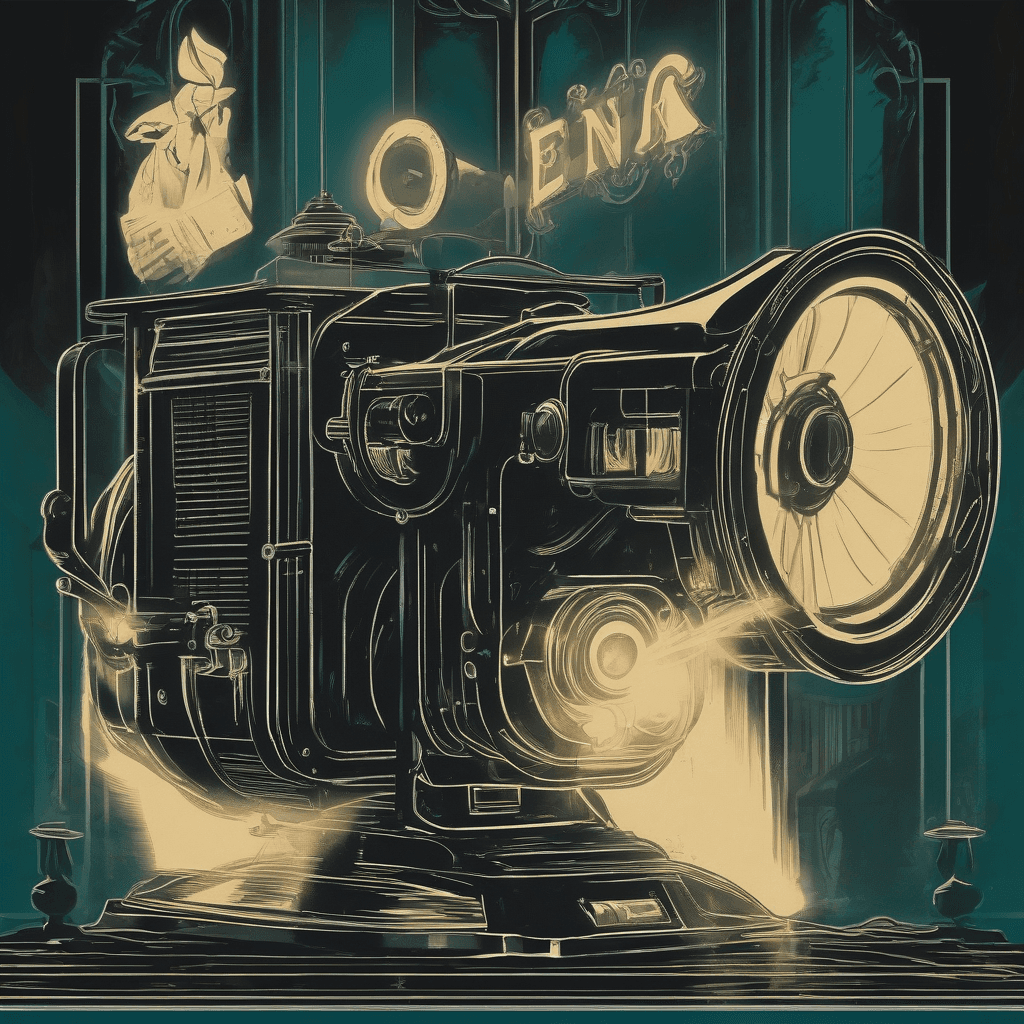
“Journey into the pre-history of midnight cinema to discover the transgressive, surreal, and socially defiant masterpieces of the 1910s that defined the cult ethos.”
For many cinephiles, the concept of cult cinema is inextricably linked to the midnight movie craze of the 1970s—the era of glitter-dusted transgression and underground grit. However, to truly understand the DNA of the niche and the obsessive, one must look further back into the flickering shadows of the 1910s. This was a decade of radical experimentation, where the lack of established cinematic rules allowed for the birth of genre anomalies that still haunt the modern imagination. These were the true celluloid renegades: films that defied the burgeoning mainstream to explore the macabre, the surreal, and the socially forbidden.
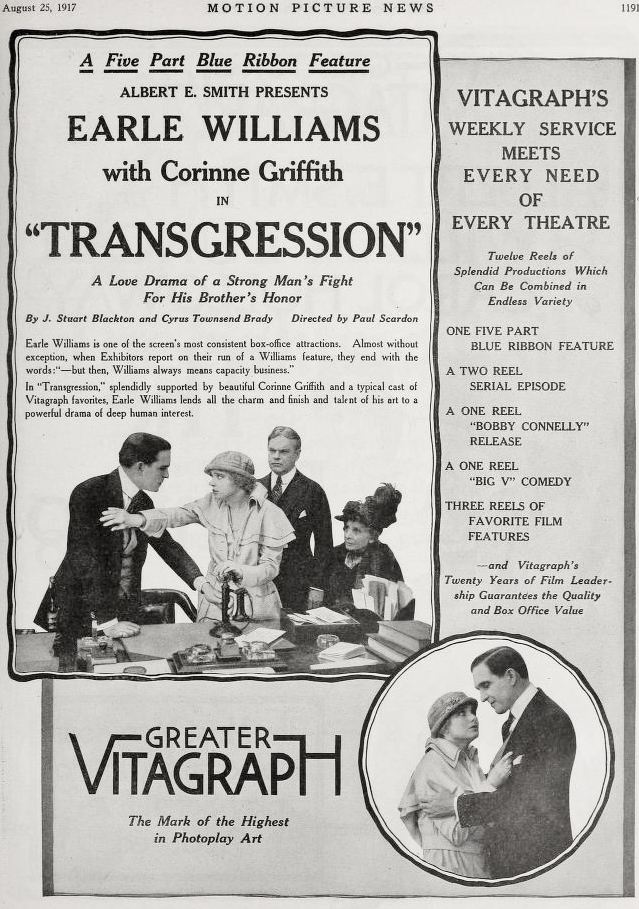
The Visceral Origins: Dante’s Inferno and the Birth of Feature-Length Extremity
In 1911, an Italian production changed the landscape of visual storytelling forever. Dante’s Inferno was not merely Italy's first full-length feature film; it was a manifesto of visual extremity. Loosely adapted from the first canticle of the Divine Comedy, the film plunged audiences into the nine circles of hell with a level of graphic intensity that remains startling today. From the frozen wastelands of Cocytus to the agonizing punishments of the hypocrites, the film utilized innovative practical effects and massive sets to create a nightmare world.
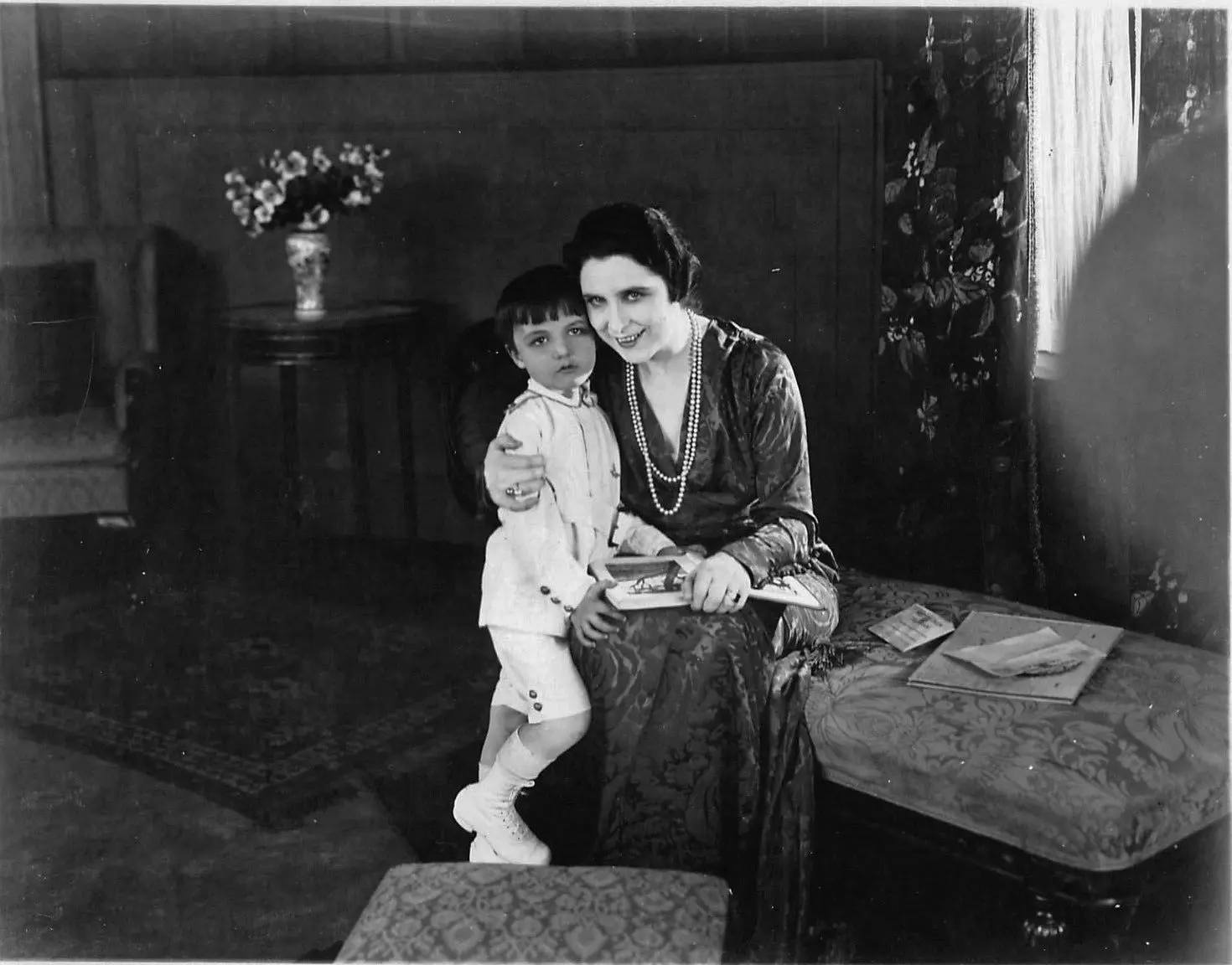
This film represents the primal root of cult devotion because it prioritized atmosphere and spectacle over the simplistic moralizing of its contemporaries. It was a film that demanded to be seen not just as a story, but as an experience. This same thirst for the overwhelming and the uncanny would later fuel the fandoms of 1970s horror and 1980s dark fantasy. The silent era’s ability to conjure the impossible without the safety net of digital effects gave films like Dante’s Inferno an alchemical weight that still resonates with those who seek the fringe.
Social Transgression and the Cinema of Conscience: Shoes and Birth Control
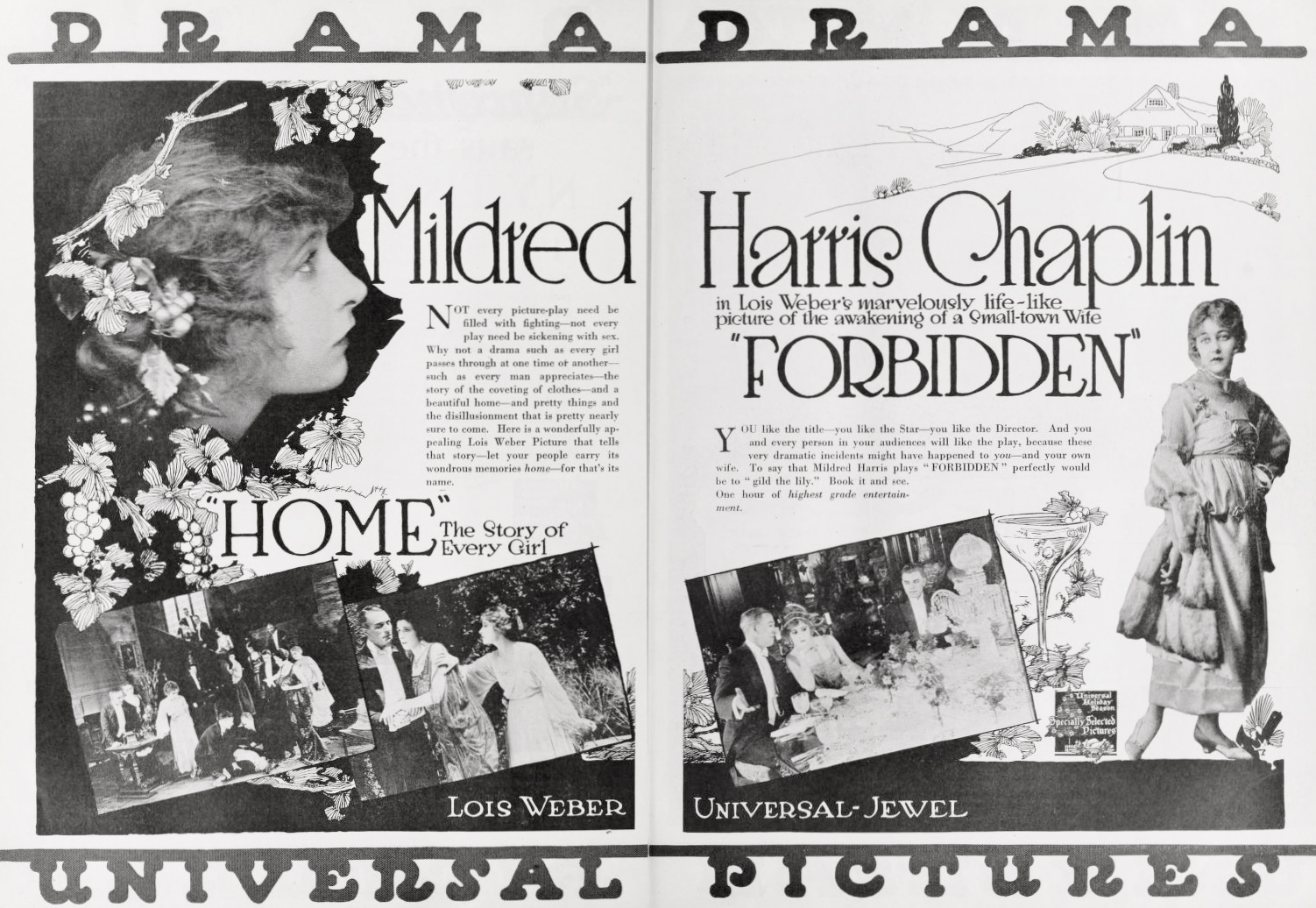
While some cult films found their footing in the fantastic, others were birthed from a raw, transgressive look at the human condition. In 1916, Lois Weber directed Shoes, a devastating work of social realism that prefigures the gritty indie movements of the 1990s. The story of a young woman who is literally walking her soles off to provide for a family of seven, only to find herself driven to a desperate moral compromise for a new pair of shoes, was a punch to the gut of the Victorian status quo.
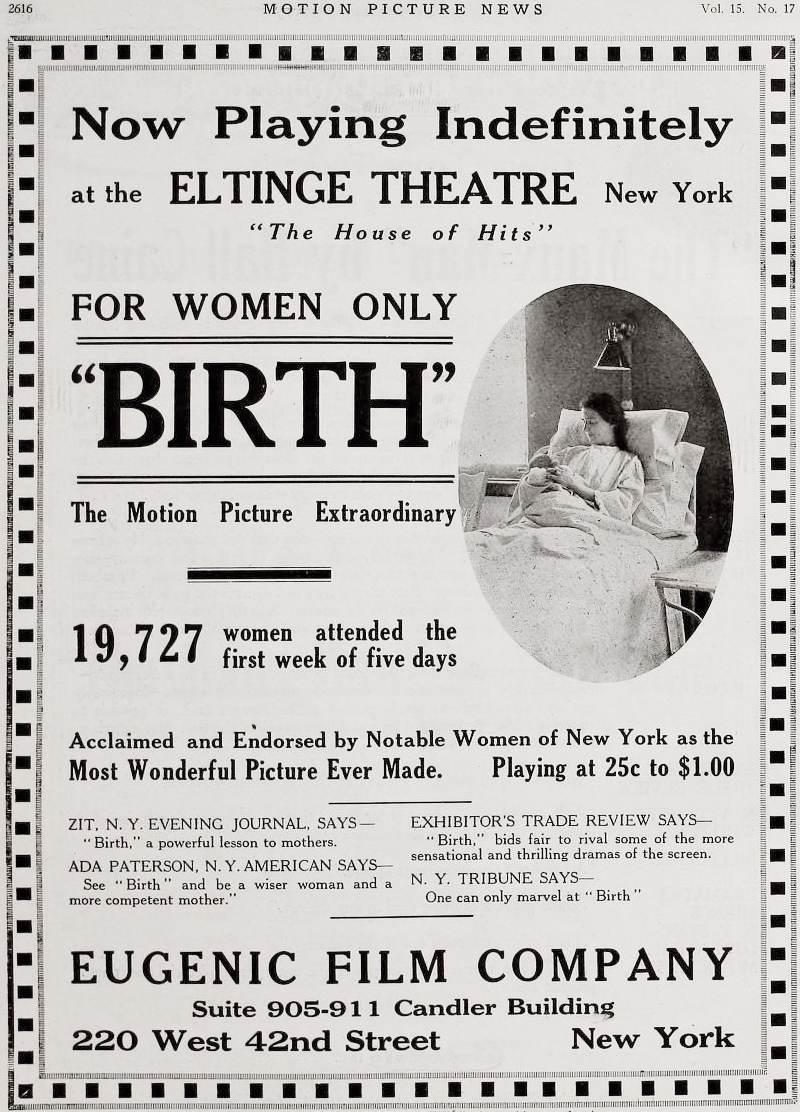
Similarly, the documentary Birth Control (1917), based on the work of Margaret Sanger, was so radical for its time that it was frequently banned and suppressed. These films are the ancestors of the transgressive cinema movement. They were films that the establishment didn't want you to see—a core tenet of the cult movie identity. When a film is deemed 'dangerous' by the powers that be, it inevitably attracts a devoted, underground following that recognizes the truth within the taboo.
The Mystery of the Fragmented Reel: The Black Secret and The Diamond from the Sky
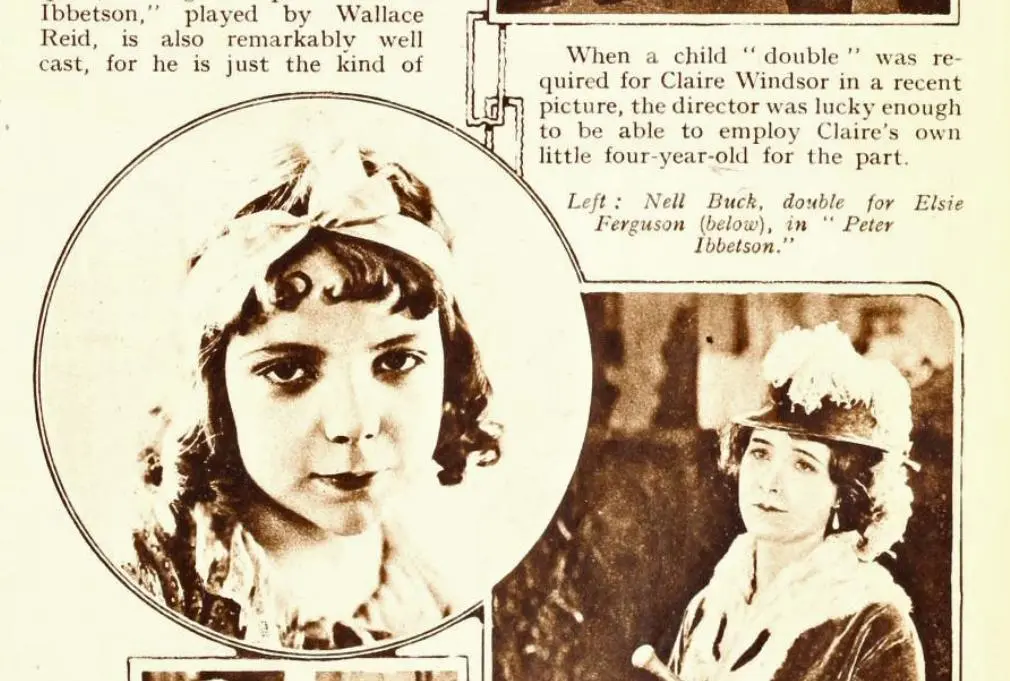
Cult cinema often thrives on the mythology of the lost. The 1910s were the era of the great serials, massive multi-part epics that kept audiences returning week after week. The Diamond from the Sky told the sprawling story of a family heirloom, while The Black Secret remains one of the most tantalizing mysteries of the era. With only fragmentary segments remaining, The Black Secret represents the 'ghost film'—a narrative that exists more in the imagination of the historian than on the screen itself.
This sense of loss and the subsequent quest for restoration is a hallmark of the cult collector. The obsession with finding the 'complete cut' or the 'lost reel' began here, with these early serials that captivated the public imagination and then vanished into the ether of nitrate decay. The scarcity of these images only deepens their power, turning a simple silent film into a sacred relic for the cinematic faithful.
Fantômas and the Archetype of the Shadow Outlaw
No discussion of early cult cinema is complete without the master of disguise: Fantômas: The Man in Black. Louis Feuillade’s 1913 serial introduced the world to a criminal lord who was as sophisticated as he was ruthless. Fantômas was the ultimate anti-hero, a figure who moved through the shadows of Paris, defying the law and the logic of the everyday world. This film prefigured the noir aesthetic and the fascination with the 'cool' villain that would define later cult classics like *The Godfather* or *Pulp Fiction*.
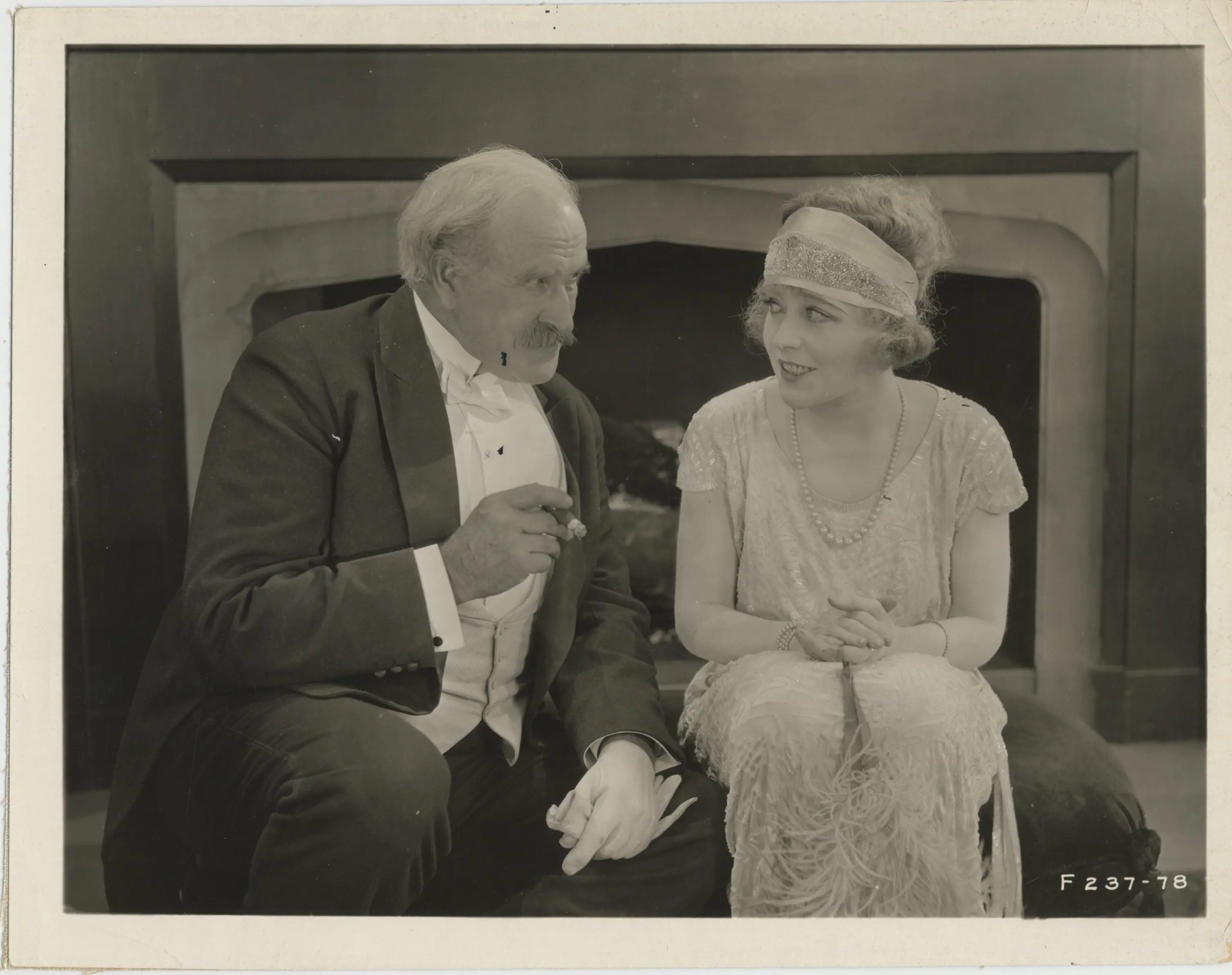
The appeal of Fantômas lies in his subversion of order. In an era of rigid social structures, a man who could change his face and escape any trap was a symbol of ultimate freedom. The surrealist movement in France championed these films, recognizing in them a dream-like logic that bypassed the conscious mind. This surrealist endorsement was perhaps the first instance of intellectual 'cult' appreciation, where artists and thinkers reclaimed popular entertainment as high art.
The Poetry of the Strange: The Blue Bird and The Legend of Provence
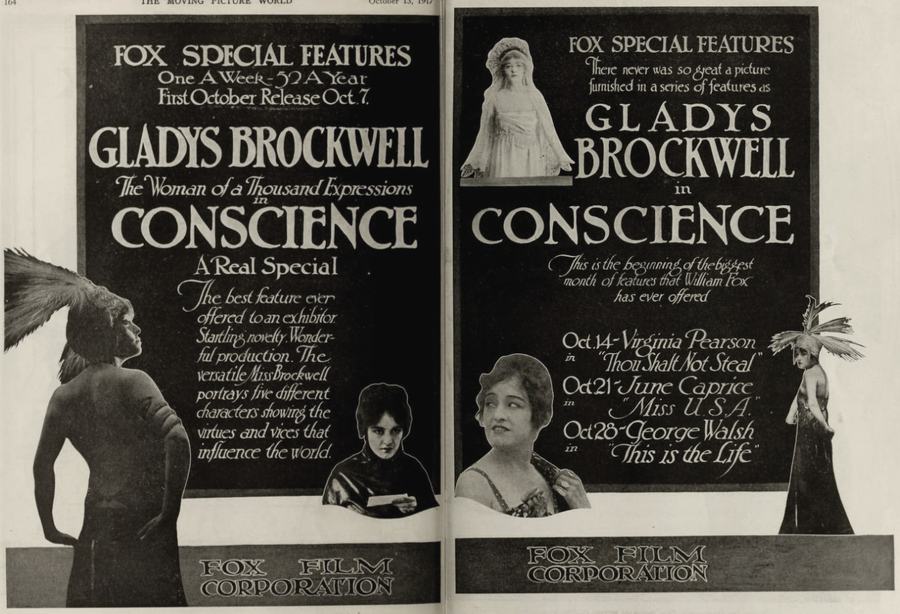
Beyond the grit and the shadows lay a different kind of cult appeal: the ethereal and the miraculous. Maurice Tourneur’s The Blue Bird (1918) is a masterpiece of visual poetry. The quest of two peasant children for the 'Blue Bird of Happiness' is depicted with a painterly beauty that defies the technical limitations of the time. Its use of light, shadow, and stylized sets created a fairy-tale atmosphere that feels both ancient and avant-garde.
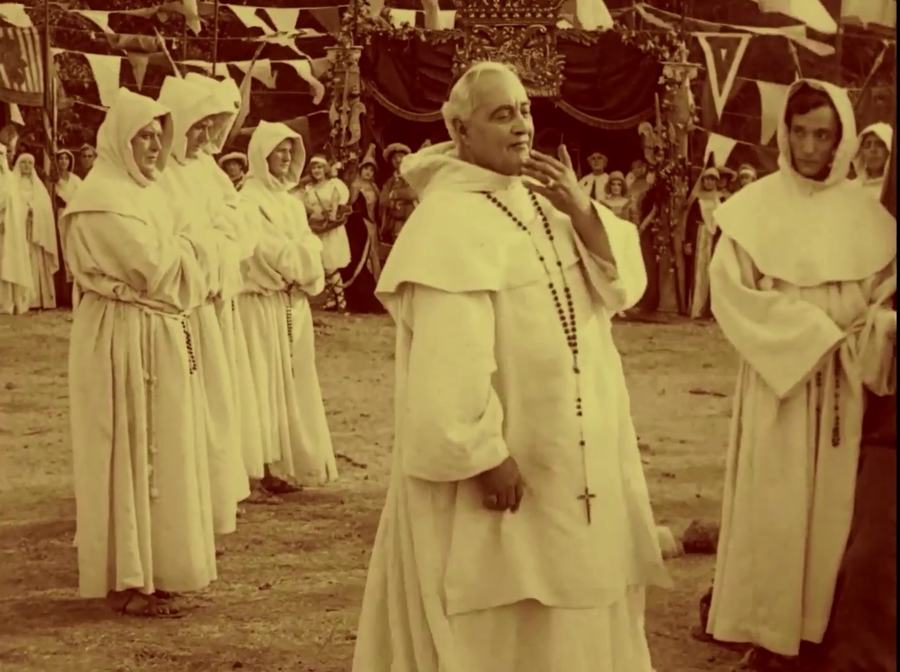
Similarly, The Legend of Provence explored the intersection of the spiritual and the romantic, as a nun falls in love with a wounded soldier and a statue of the Virgin Mary miraculously takes her place. These films tapped into a mythic resonance that bypassed the cynical trends of the day. They offered a sanctuary of the strange, a place where the impossible was not only possible but inevitable. This 'cinema of wonder' is the direct ancestor of the cult fantasy genre, providing a blueprint for how to build worlds that feel more real than our own.
The Action Hero and the Superhuman: The Warrior and Cyclone Smith
Cult cinema has always had a soft spot for the hyper-masculine and the heroic. Before the modern superhero, there was The Warrior (1916), featuring Maciste, a character of near-superhuman strength. Whether fighting in the trenches of World War I or storming a castle to rescue a damsel, Maciste was a physical marvel that captivated audiences. This was the birth of the action-cult icon, a figure whose physical prowess was a spectacle in itself.
In the American West, figures like Cyclone Smith (in *Cyclone Smith’s Comeback*) and the 'bandit press agent' in The Trail of the Holdup Man were redefining the western genre. These films weren't just about gunfights; they were about the myth-making process itself. The idea of a cowboy committing hold-ups for 'advertising purposes' is a meta-commentary on the nature of fame and the cult of personality that would become a central theme in later cinematic deconstructions.
Psychological Depths and Mystery: The Invisible Fear and The Hushed Hour
As the 1910s progressed, cinema began to turn inward, exploring the psychological landscapes of its characters. The Invisible Fear (1921) is a haunting mystery where a woman is tormented by the memory of a man she believes she has killed. This focus on internal dread and the subjectivity of truth is a precursor to the psychological thrillers that populate the cult canon today.
Even more experimental was The Hushed Hour (1919), which used a funeral as a framing device for four children to meditate on their lives. This non-linear, introspective approach was a radical departure from the standard melodrama of the time. It invited the audience to participate in a collective meditation, a ritualistic form of viewing that mirrors the communal experience of the modern cult film screening. When we watch a cult film, we are often engaging in a shared psychological journey, one that was first mapped out by these silent pioneers.
The Enduring Legacy of the 1910s Fringe
Why do these films, over a century old, still matter to the cult enthusiast? It is because they represent a time of unfiltered creativity. Before the Hays Code, before the rigid genre formulas of the studio system, and before the focus groups of modern Hollywood, there was a wild, uncharted frontier. Films like The Oyster Princess, with its satirical take on American wealth, or The Cave Man, which gambled on the malleability of social class, were daring in ways that modern cinema often struggles to be.
The cult film ethos is defined by a rejection of the middle ground. It seeks the extreme, the bizarre, the forgotten, and the transgressive. From the animated whimsy of The Merry Cafe to the grim desperation of Har jeg Ret til at tage mit eget Liv?, the 1910s provided a kaleidoscope of human experience that was too strange for the mainstream to fully absorb. These films were left behind, like foundlings in a convent (much like the protagonist of The Legend of Provence), only to be rediscovered and worshipped by later generations of cinephiles and rebels.
As we look forward to the future of cinema, we must continue to look back at these nitrate anomalies. They remind us that the screen is not just a window, but a mirror—sometimes a funhouse mirror, sometimes a dark and cracked one—that reflects the deepest, most unconventional parts of our collective soul. The celluloid renegades of the 1910s didn't just make movies; they invented a new way of seeing, one that continues to thrive in the darkened theaters and late-night streams of the cult underground.
Community
Comments
Log in to comment.
Loading comments…