
Cult Cinema
The Celluloid Renegade's Archive: Unearthing the Silent Era's Original Misfits and the Birth of Cult Identity
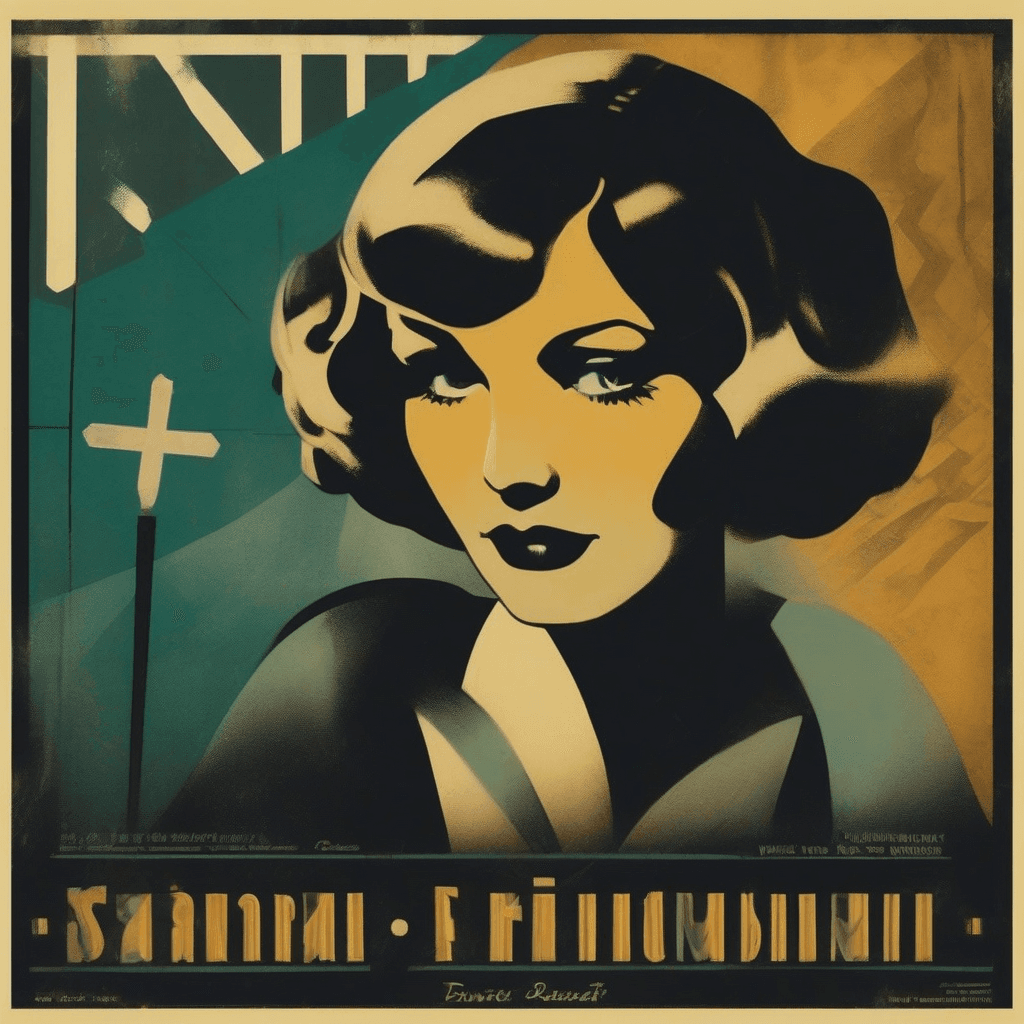
“Explore how the forgotten outcasts, moral rebels, and genre-defying experiments of the early 1920s laid the foundation for modern cult cinema devotion.”
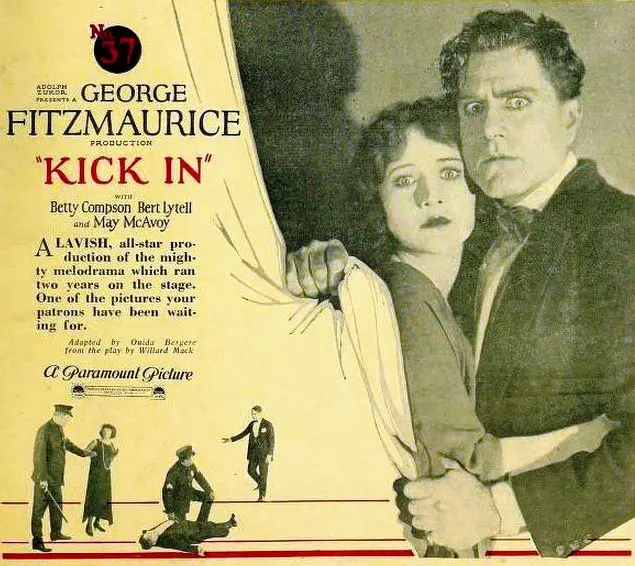
Cult cinema is often discussed as a phenomenon of the mid-to-late 20th century, a product of midnight screenings and the rebellious counter-culture of the 1970s. However, the DNA of the cinematic outlier—the film that defies convention, offends the status quo, or creates a niche world for the dedicated few—was forged much earlier. Long before the term 'cult' was codified, the silent era was teeming with narratives that explored the fringes of society, the depths of moral ambiguity, and the sheer absurdity of the human condition. From the gritty redemption arcs of Kick In (1922) to the avant-garde experiments of the Soviet masters, the roots of our modern obsession with 'misfit' movies are deeper and darker than many realize.
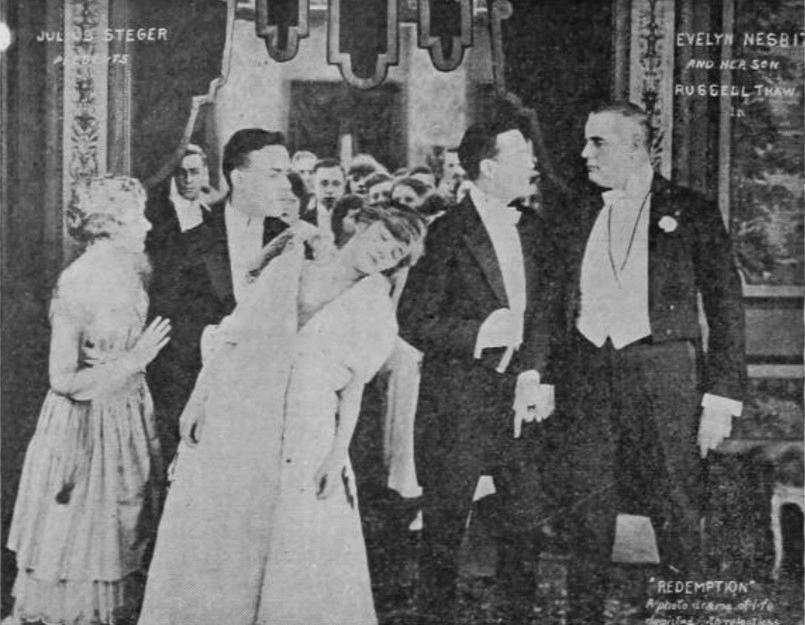
The Archetype of the Anti-Hero: From Safe-Crackers to Social Pariahs
At the heart of any cult classic is a protagonist who doesn't quite fit the mold of the traditional hero. In the early 1920s, this was often embodied by characters like Chick Hewes in Kick In. The story of a man trying to 'go straight' only to be hounded by a corrupt police force resonates with the same anti-authoritarian spirit that fueled later cult icons. This film, with its focus on the struggle of the disenfranchised, established a precedent for the cinematic underdog. Similarly, The Midnight Man introduced us to 'The Eel,' a master safecracker. The Eel represents a proto-cult figure: the charming criminal, the man with a specialized, transgressive skill set who operates in the shadows of the urban landscape. These characters weren't just plot devices; they were reflections of a growing fascination with the 'other'—the individuals who lived outside the polite boundaries of society.
This fascination extended to the moral complexities found in films like The Tongues of Men. When a fashionable clergyman finds himself confronted by an opera prima donna whose work he has denounced, the stage is set for a clash between traditional morality and the liberating power of art. This tension is a cornerstone of the cult experience: the challenge to established norms. Cult cinema often thrives in the space where 'high art' and 'low morals' collide, and The Tongues of Men provided an early blueprint for this intellectual and spiritual friction.
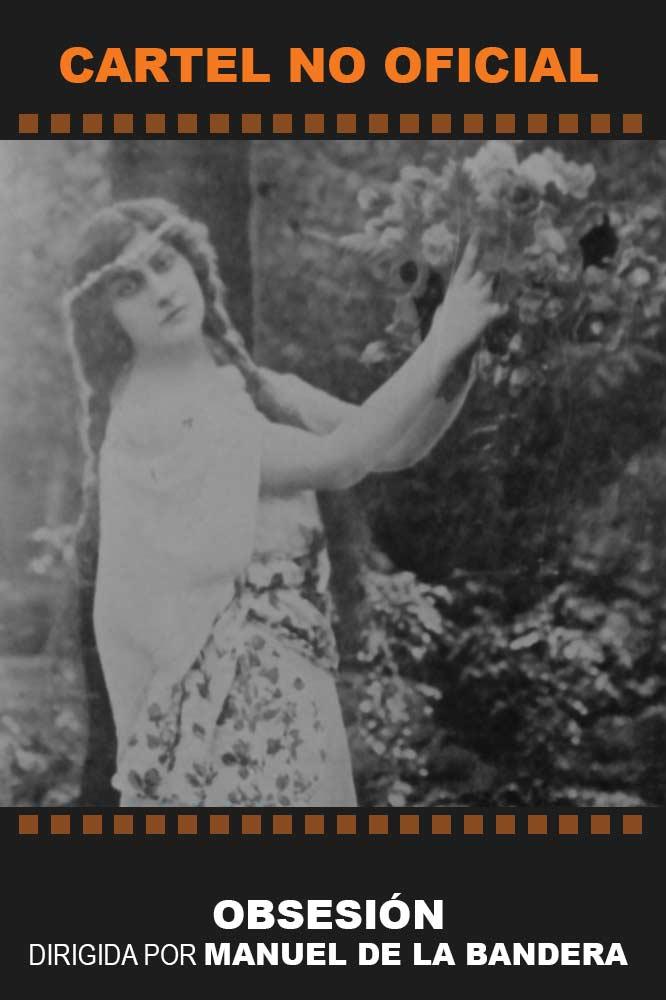
Genre Mutation and the Birth of the Weird
One of the defining traits of cult cinema is its refusal to stay within the lines of a single genre. We see this early on in the bizarre and wonderful The Original Movie, a short that looks at the filmmaking process through a prehistoric lens. By placing the mechanics of the Stonehenge Film Company in a comedic, anachronistic setting, the film engages in a meta-commentary that would later become a staple of cult favorites like The Rocky Horror Picture Show or Monty Python. It is a film about the absurdity of creation itself, a theme that always finds a home among the fringe-dwellers of fandom.

Then there is the sheer escapism of The Lotus Eater. Disillusioned with the failures of modern marriage, the protagonist crashes his airship on a remote island populated by a tribe of 'completely happy people.' This narrative of finding a utopia on the margins of the known world is a recurring motif in cult cinema. It speaks to the desire of the audience to leave behind the mundane and find sanctuary in a world that operates by different rules. Whether it's a prehistoric film studio or a Pacific island paradise, these early films were already experimenting with the world-building that allows a movie to become more than just a story—it becomes a destination for the viewer's imagination.
The Femme Fatale and the Darker Feminine
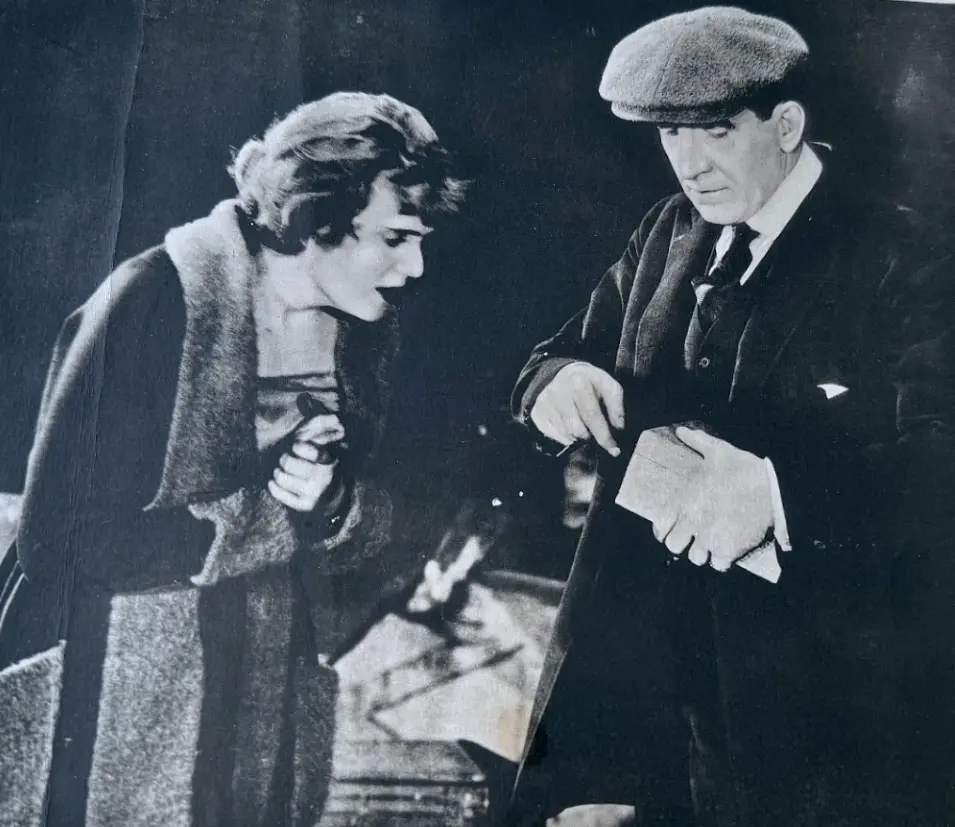
Cult cinema has always had a complicated, often reverent relationship with the 'dangerous woman.' The Tiger Woman offers a prime example, following the life of Princess Petrovich, a woman of 'unmitigated evil' reflecting on her crimes as she faces execution. This is not the sanitized heroine of the mainstream; this is a character who embraces her own darkness. Similarly, Queen X takes us into the 'notorious Pell Street district' of Chinatown to find a woman known to drug smugglers as a leader. These films didn't just depict women as victims or love interests; they presented them as powerful, transgressive figures who commanded their own narratives, however dark they might be. This tradition of the powerful, often villainous female lead is a direct ancestor to the 'cult queen' archetype that would dominate later genre cinema.
Meta-Cinema and the Power of the Spectacle
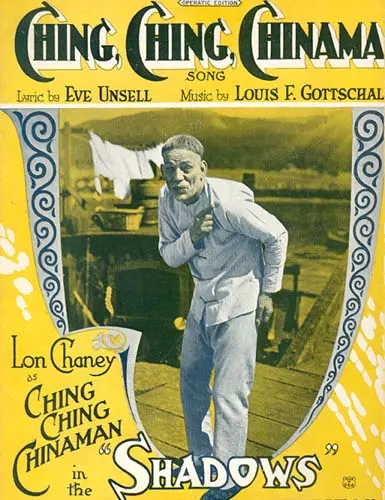
Perhaps no film in this era better illustrates the burgeoning cult mindset than Marvelous Maciste. In this fascinating piece of meta-cinema, a character fleeing from kidnappers enters a movie theater and watches Cabiria, featuring the legendary Maciste. Inspired by his strength, she believes he can help her in real life. This blurring of the lines between the screen and reality is the ultimate expression of cult devotion. It acknowledges the power of the cinematic icon to inspire, to save, and to transcend the boundaries of the frame. Maciste was one of the first true cinematic superstars whose physical prowess and recurring presence across multiple films created a proto-fandom that resembles the obsessive following of modern action or superhero franchises.
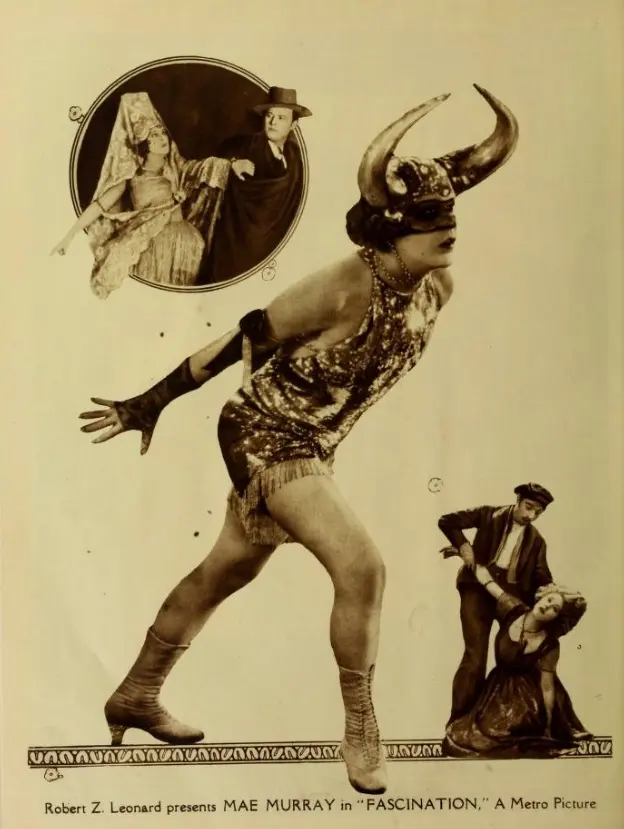
Spectacle also took on a more visceral form in At the Ringside, where a cop (Snub) enters a boxing ring to save his friend from eviction, aided by a donkey hidden behind a curtain. The sheer, unadulterated weirdness of such a premise is exactly what modern cult audiences crave. It is the 'how did this get made?' factor that transforms a simple comedy into a legendary piece of celluloid oddity. These moments of narrative anarchy—the roosters spitting nitroglycerine in The Show or the high-speed race through mountain towns in Graustark—are the sparks that ignite the fire of long-term obsession.
The Social Outcast and the Immigrant Experience
Cult cinema often serves as a mirror for those who feel alienated from the mainstream. In the early 20th century, this alienation was frequently explored through the lens of the immigrant experience and racial tension. Civilization's Child follows a young woman fleeing the Cossack massacres in Kiev to the slums of New York. Her journey is one of trauma, survival, and the harsh reality of the American dream. Similarly, Behold My Wife explores the cultural clash when an Englishman marries a woman of 'Indian blood' to humiliate his family, only to have the plan backfire as she adapts to English society. These films dealt with the 'otherness' of their protagonists in ways that were often raw and uncomfortable.
Even in the realm of short films and newsreels, like Dziga Vertov's Kino-pravda no. 8, we see the roots of the 'truth-seeking' impulse in cult cinema. Vertov's commitment to documenting 'real life' in the early Soviet Union was itself a radical act, a rebellion against the artifice of the studio system. This documentary impulse—the desire to see the world as it truly is, no matter how gritty or unpolished—is a vital part of the cult ethos. It is the same impulse that leads audiences to seek out forbidden footage, lost films, and the 'unseen' corners of history.
The Mystery of the Code: A Woman in Grey
Mystery and the 'hidden secret' are also essential components of the cult allure. A Woman in Grey, with its focus on the 'Amory code' and a secret fortune, tapped into the audience's desire to play detective. Cult films often function as puzzles, requiring multiple viewings to fully decode. Whether it's the hidden meanings in a David Lynch film or the cryptic clues in a silent-era serial, the act of decoding a film creates a sense of community among those who have 'cracked the case.' This intellectual engagement ensures that the film lives on long after the credits roll, as fans debate theories and search for hidden details in every frame.
Conclusion: The Enduring Legacy of the Early Fringe
When we look at the diverse array of films from this period—from the tragic history of Kaiserin Elisabeth von Österreich to the western justice of The Last of the Duanes—we see a landscape that was far more experimental and daring than it is often given credit for. These were not just 'old movies'; they were the first salvos in a long war against the predictable. They were films that dared to feature 'bad women' turning good (The Inner Shrine), men who would rather live in the wild with wolves than in the city (Call from the Wild), and misers who force girls into identity-theft marriages (Boundary House).
The cult cinema of today owes its existence to these early pioneers of the fringe. Every time we celebrate a film for being 'weird,' 'transgressive,' or 'uniquely its own,' we are echoing the spirit of the 1920s. We are honoring the legacy of the 'Eel,' the 'Tiger Woman,' and the 'Marvelous Maciste.' These films remind us that cinema has always been a place for the outcast, the dreamer, and the rebel. The archive of the celluloid renegade is never truly closed; it is simply waiting for the next generation of devoted disciples to uncover its secrets and carry the flame of the unconventional into the future.
Ultimately, the enduring power of these early outliers lies in their ability to speak to the universal human experience of being 'different.' Whether through humor, horror, or high drama, they validate the perspectives of those who don't fit in. As we continue to navigate a cinematic landscape that is increasingly dominated by franchises and formulas, the lessons of the silent era's cult foundations are more relevant than ever. They teach us that the most memorable stories are often the ones that start on the edges, in the shadows, and in the hearts of the misfits who refuse to be forgotten.
Community
Comments
Log in to comment.
Loading comments…