
Cult Cinema Deep Dive
The Celluloid Shadow-Box: Decoding the Transgressive Soul and Niche Magnetism of Cinema's Early Outliers

“A deep-dive investigation into how the silent era's most daring genre experiments and narrative misfits provided the essential blueprint for modern cult cinema devotion.”
To understand the modern obsession with cult cinema is to engage in a form of media archaeology. We often think of the 'cult' phenomenon as a byproduct of the 1970s midnight movie circuit—a world of glitter, gore, and transgressive theater. However, the genetic markers of this devotion were encoded long before the first screening of The Rocky Horror Picture Show. They exist in the flickering, often forgotten reels of the early 20th century, where filmmakers were grappling with the very definition of the medium. These early outliers, from the psychological haunts of the 1910s to the gritty social realism of the early 20s, established a lexicon of subversion that continues to resonate with those who seek the unconventional.

The Primordial Guilt: Psychological Horror and Atmospheric Dread
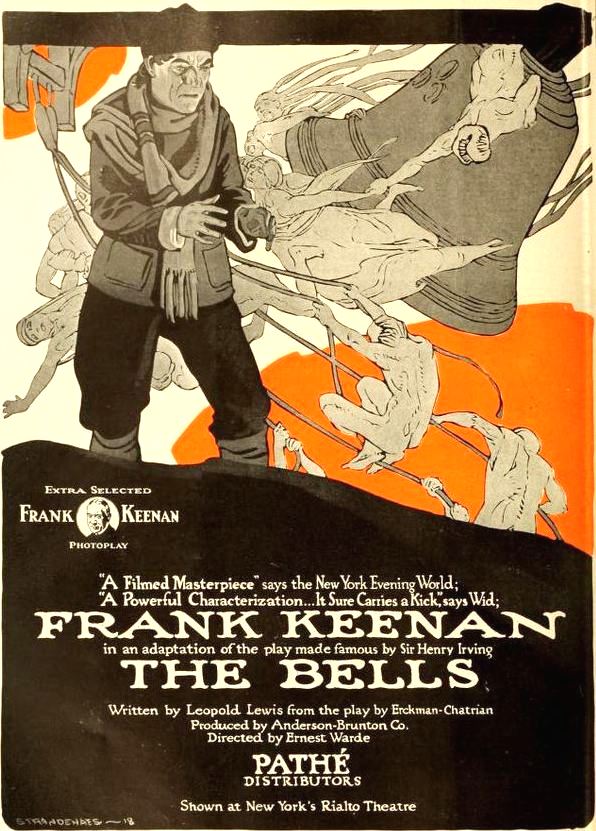
The foundation of cult devotion often rests on a film's ability to evoke a specific, lingering atmosphere—a sense of being 'elsewhere.' In the 1914 production of The Bells, we see a masterclass in the psychology of guilt that predates the more famous German Expressionist movements. Set on a snowy Christmas Eve in 1818, the film’s tavern-bound protagonist is haunted by a past crime, his conscience triggered by the rhythmic tinkling of sleigh bells. This is not merely a drama; it is a proto-cult artifact because it prioritizes internal psychic states over external action, a hallmark of the 'midnight' mindset.

Similarly, Ewiger Strom presents a world of stark, almost nihilistic indifference. The image of a one-eyed ferryman finding an abandoned baby and refusing to save it when it falls overboard is a staggering piece of transgressive cinema. It challenges the moral safeguards of the audience, much like the 'shock' cinema of the 1960s would decades later. This rejection of the sentimental is what draws the cult viewer; it is a signal that the film is not for the masses, but for those who can withstand the cold gaze of the camera.
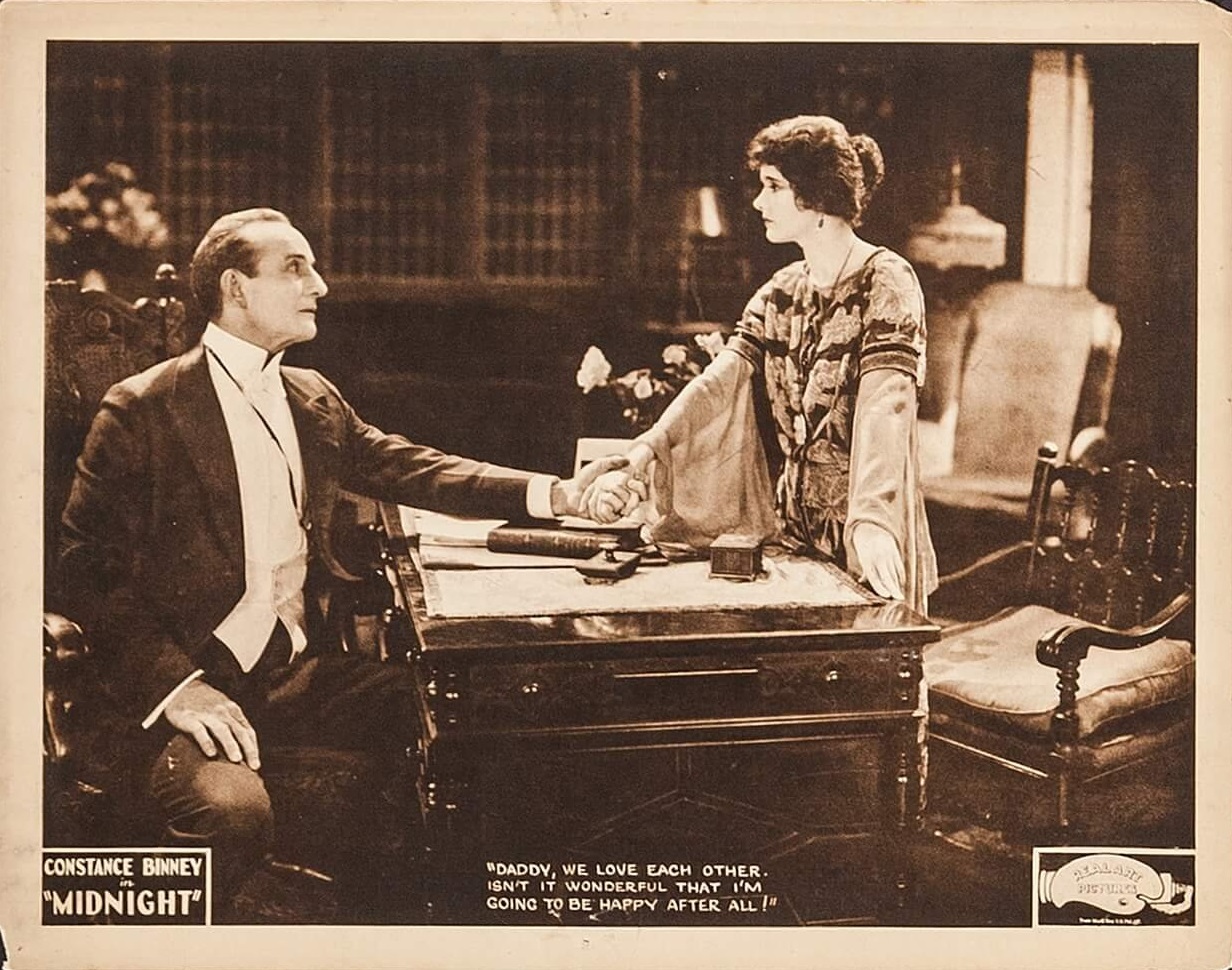
Subverting the Social Order: Gender, Politics, and the Lawless Fringe
Cult cinema has always been a sanctuary for the politically marginalized and the socially rebellious. Long before the feminist waves of the late 20th century, films like Petticoats and Politics were using the lawless backdrop of mining towns like Red Dog, Nevada, to explore radical shifts in power. By portraying women running for office in a corrupt, male-dominated landscape, the film tapped into a vein of subversive energy that felt dangerous to the status quo. It is this 'danger' that creates the initial friction necessary for a film to become a cult object.

The Outcast's Identity and the Struggle for Agency
The theme of the 'unpainted' or 'unseen' woman is another recurring motif in these early genre experiments. In The Unpainted Woman, the protagonist Gudrun navigates the class-conscious American wheat country, facing snobbery and isolation. This narrative of the 'hired girl' who refuses to conform to the expectations of a rich family echoes the modern cult hero—the outsider who finds their own path despite the crushing weight of societal norms. Similarly, Face Value explores the desperation of a runaway who becomes a cashier, only to be forced into a life of crime. These films don't offer easy, Hollywood endings; they offer a gritty, empathetic look at the fringes of the human experience.
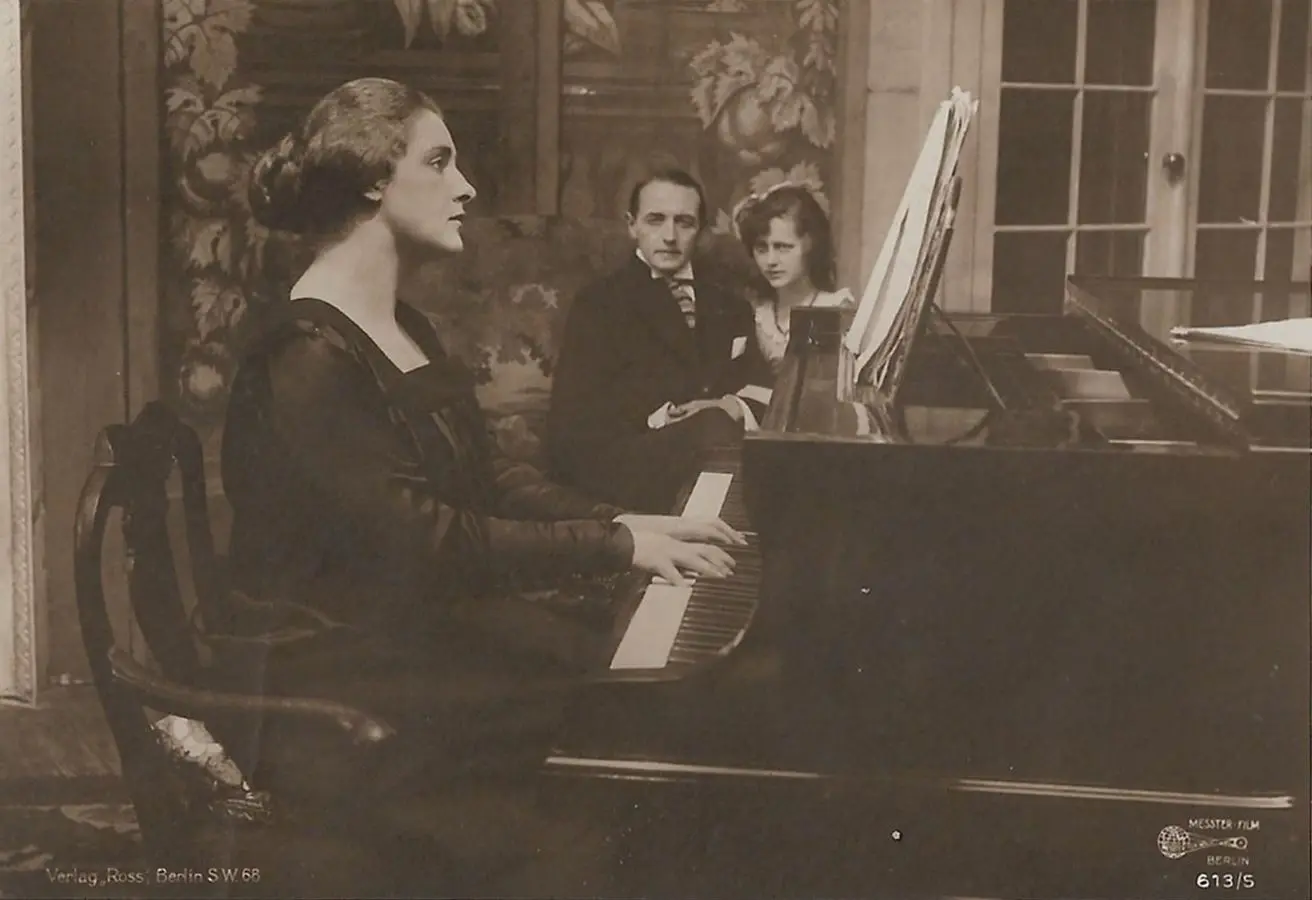
Genre Hybridization: The Birth of the Cinematic Mutant
One of the most defining characteristics of a cult film is its refusal to stay within the lines of a single genre. We see this 'mutant' DNA in The Honor of His House, which blends the high-stakes drama of an island ordeal with the proto-medical horror of a life-saving blood transfusion that costs a man his life. This mixture of sacrifice, envy, and medical experimentation is precisely the kind of narrative alchemy that fascinates niche audiences. It creates a viewing experience that is both unpredictable and emotionally volatile.
In a different vein, The Scuttlers mixes maritime mystery with corporate fraud, as a Lloyds of London investigator goes undercover to catch a captain scuttling ships for insurance money. The film’s focus on the mechanics of crime and the gritty reality of life at sea provides a level of detail that transcends simple storytelling. Cult audiences have always been obsessed with 'the process'—the technical details of how a world works, whether it’s the scuttling of a ship or the operation of a secret society.
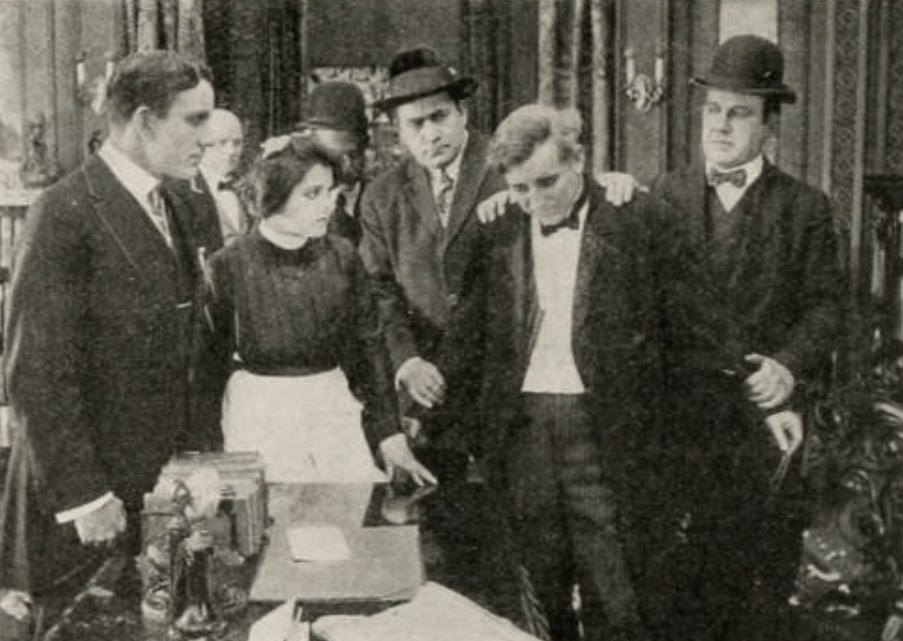
The Meta-Cult: Impersonation and the Uncanny Valley
Perhaps the most fascinating precursor to modern cult obsession is the 1915 film Ma Hoggan's New Boarder. Starring Charles Evans as a Charlie Chaplin impersonator, the film creates a strange, meta-textual layer of performance. It is a film about a persona, a copy of a copy. This 'uncanny' quality—seeing the familiar traits of Chaplin through the body of an imitator—anticipates the way cult fandoms interact with their icons. It is the beginning of the 'tribute' culture, where the audience is as interested in the artifice of the performance as they are in the story itself.
Escapism and the Rejection of Modernity
The desire to abandon the present and retreat into a curated past is a powerful driver of cult devotion. The Flight of the Duchess serves as a perfect allegory for this. Based on Browning’s poem, it tells the story of a Duke who decides to abandon modern ways and act as if he is living in medieval times. The cult film itself is often a 'medieval' space—a place where modern rules of logic and pacing are suspended in favor of a more ritualistic, stylized reality. When the Duchess 'plays along' with this fantasy, she is engaging in the same kind of roleplay that modern fans do when they attend immersive screenings or dress as their favorite characters.
The Cinema of Consequence: War, Reality, and the Propaganda Fringe
Not all cult cinema is born of fiction. Some of the most enduringly strange artifacts from the silent era are those that attempt to document or influence reality. Beware!, a documentary-style propaganda drama featuring James W. Gerard, warns of the rise of German power. Its blend of real-world politics and dramatized paranoia creates a viewing experience that feels like a 'lost' transmission from a different timeline. This sense of urgency and 'forbidden' knowledge is a key component of the cult allure.
Similarly, Barbarous Mexico provided a raw look at the Mexican Revolt of 1910-1911, offering a visceral alternative to the polished newsreels of the time. For the cult viewer, the appeal lies in the 'unfiltered' nature of the footage—the feeling that they are seeing something the authorities might prefer to keep hidden. This 'underground' quality is what transforms a simple film into a sacred text for a dedicated few.
The Architecture of Obsession: Why the Misfits Endure
Why do we return to these early experiments? Why does a film like The Menace—a story about a doctor adopting a crook's son to prove that environment beats heredity—still resonate? It is because these films ask fundamental questions about the human condition in ways that the mainstream often avoids. They explore the 'nature vs. nurture' debate, the weight of guilt, and the possibility of redemption in a world that is often cruel and indifferent.
Even the comedies of the era, like Shipwrecked Among Animals or At the Old Stage Door, contain seeds of the cult aesthetic. They rely on slapstick that borders on the surreal—juggling 'hooch' packages, trunks, and the absurdity of mistaken identity. They celebrate the 'booby' or the 'misfit,' like the sheriff in Well, I'll Be, who manages to bumble his way through a lawless town. This celebration of the inept and the unusual is the very heart of the cult movie soul.
Conclusion: The Eternal Flicker of the Fringe
As we look back at the transgressive pulse of early cinema, we see a mirror of our own modern obsessions. The cult film is not a modern invention; it is an eternal archetype. It is the 'courage of the commonplace' found in The Courage of the Common Place, where failure is not an end but a beginning. It is the 'honor' found in the most unlikely of houses, and the 'redemption' found in the most desperate of circumstances.
These early genre rebels—the one-eyed ferrymen, the Chaplin mimics, the medievalist Dukes, and the political pioneers of Red Dog—created a shadow-box of cinematic possibilities. They taught us that the screen is not just a window, but a portal to the strange, the subversive, and the sublime. In their flickering light, we find the origins of our own devotion, a reminder that the most powerful visions are often those that start on the fringe.
Community
Comments
Log in to comment.
Loading comments…