
Cult Cinema
The Celluloid Coven: Unearthing the Primal Transgressions and Maverick DNA of Cinema’s First Fringe Masterpieces
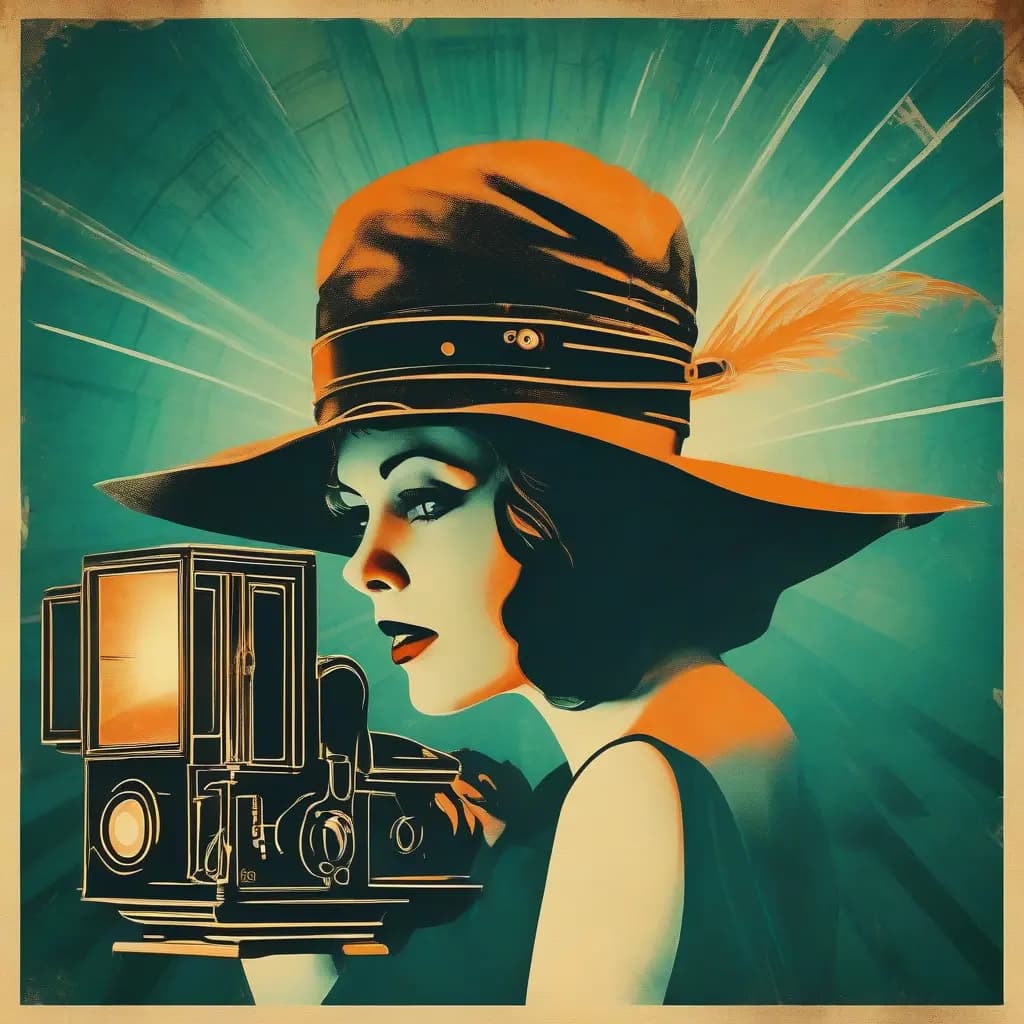
“A deep dive into how the silent era's rebellious narratives and genre-bending experiments laid the foundation for modern cult cinema obsession.”
The history of cinema is often written by the victors—the blockbusters, the Oscar-winners, and the technical marvels that moved the needle of industry standards. Yet, beneath the polished surface of the mainstream marquee lies a darker, more vibrant subterranean world: the cult film. Long before the midnight movie craze of the 1970s or the VHS-trading circles of the 80s, the seeds of cinematic deviance were being sown in the flickering light of the silent era. This is a realm where the rules were not yet written, where genres bled into one another like wet ink, and where the first wave of maverick filmmakers dared to explore the fringes of human behavior.
The Genesis of the Genre-Bender: Westerns and Weirdness
In the early 20th century, the Western was not just a genre; it was a playground for narrative anarchy. Consider the 1920 film The Daredevil. While ostensibly a tale of a wayward son sent to the frontier for safekeeping, it vibrates with a kinetic energy that defies simple categorization. It blends crime, comedy, and the rugged aesthetics of the West into a cocktail that feels remarkably modern. Similarly, Penny of Top Hill Trail introduces us to a protagonist whose arrival by airplane in a ranching community immediately marks her as an outsider, a suspicious figure whose very presence challenges the status quo. These are not merely stories; they are the blueprints for the cinematic rebel—the character who exists outside the law, outside the norm, and inside the hearts of those who crave the unconventional.
The cult mindset is defined by a refusal to stay within the lines. Films like The Tenderfoot and $1,000 Reward utilized the backdrop of the American West to explore themes of failed love, redemption, and the visceral reality of violence. In these works, we see the early development of the 'anti-hero'—a staple of cult cinema. These characters weren't always virtuous; they were often broken, driven by revenge or escape, mirroring the audience's own desires for a narrative that reflected the messy complexity of life rather than the sanitized morality of the stage.
The Transgressive Feminine: Breaking the Domestic Shackles
Perhaps the most potent element of early cult cinema is its early flirtation with subversive gender roles. In an era where women were often relegated to the role of the damsel in distress, films like Prudence, the Pirate offered a radical alternative. Prudence isn't interested in the stifling expectations of society life; she wants the life of a marauder. By renting a schooner and recruiting a crew, she becomes a symbol of the maverick spirit that defines cult fandom. This is a narrative of self-actualization through rebellion, a theme that would later echo through the work of feminist cult icons in the decades to follow.
This trend continues in A World Without Men, a film that, even in its title, suggests a provocative departure from the patriarchal narrative structure. When three sisters vow eternal adherence to single life, the film taps into a specific kind of niche magnetism. It challenges the inevitability of the nuclear family, a move that was as transgressive in the 1920s as it is fascinating to modern film historians. Similarly, The Talk of the Town features Genevra French, a woman whose strict upbringing leads her to a book on how to attract the opposite sex, sparking a revolt against her environment. These films were the 'midnight movies' of their time—works that spoke to the repressed, the rebellious, and the restless.
The Esoteric and the Occult: Searching for the Unseen
Cult cinema has always had a deep-seated fascination with the supernatural and the arcane. The silent era was no different. Tell Us, Ouija! capitalized on the spiritualism craze of the early 20th century, bringing the mystery of the occult to the silver screen. This fascination with the 'beyond' is a hallmark of the cult aesthetic, where the film itself becomes a medium for a ritualistic experience. Even a film like The Dragon’s Net, with its quest for eight golden lotus leaves that hold the secret to eternal life, leans into the mythological and the fantastical, creating a sense of wonder that transcends the limitations of its budget.
Even the seemingly straightforward adaptations of the era often took on a haunting, cult-like quality. The Right to Be Happy, a retelling of Dickens' 'A Christmas Carol,' focuses heavily on the spectral visitations, leaning into the gothic atmosphere that would later define the horror-cult crossover. These films didn't just tell stories; they invoked moods, using the high-contrast shadows of the silent frame to create a visual language of the uncanny.
Global Deviance: The International Roots of the Fringe
The cult impulse was never restricted to Hollywood. Across the globe, filmmakers were experimenting with the medium to capture the unique soul of their cultures in ways that were often raw and unfiltered. O Que Foi O Carnaval de 1920! provides a documentary-style look at the festivities in Rio de Janeiro, capturing a sense of chaotic, lived-in reality that feels worlds away from the staged dramas of the time. This is the cinema of the real, a precursor to the transgressive documentaries that would eventually find a home in the cult pantheon.
In Europe, Germania explored the tumultuous history of the German Revolution and Napoleon’s defeat at Leipzig, using grand historical sweeps to tap into a collective psyche of trauma and triumph. Meanwhile, Minaret Smerti (The Minaret of Death) brought the exoticism and danger of Central Asian folk tales to life, blending robbery, beauty, and tragedy in a way that feels like a precursor to the 'acid Westerns' or the global genre-mashups of the 1960s. These films prove that the cult mindset—the desire to see something 'other,' something outside the immediate cultural bubble—is a universal human trait.
The Anarchic Short: Slapstick as Subversion
We cannot discuss the roots of cult cinema without acknowledging the short film. In the 1910s and 20s, the short was the laboratory of the industry. Pop Tuttle's Russian Rumors is a masterclass in narrative chaos, where a false rumor about a hidden treasure leads to the literal destruction of a hotel. This kind of destructive comedy—where the world is torn apart for a laugh—is the direct ancestor of the punk-rock energy found in modern cult classics. It’s a cinema of excess, of the 'too much,' and of the absurd.
Even the early works of Walt Disney, such as the 1922 'Laugh-O-Gram' Goldie Locks and the Three Bears, contain a strange, surrealist energy that would eventually be smoothed over as the studio became a global empire. To watch these early shorts is to see the raw, unpolished DNA of imagination before it was codified into a brand. Other shorts like Henpecked and Pecked Hens or The Fatal Wallop utilized physical comedy not just for humor, but to explore the anxieties of the era—masculinity, social standing, and the sheer randomness of fate.
The Soul of the Outcast: Drama and the Human Condition
Beyond the action and the comedy, early cult cinema was deeply invested in the transgressive soul of the individual. The Soul of Man tells the story of an arrogant rich man whose greed almost costs him his family, while Har jeg Ret til at tage mit eget Liv? (Do I Have the Right to Take My Own Life?) dives into the dark waters of financial ruin and suicide. These were not 'safe' topics. They were explorations of the peripheral pulse of society—the moments where the social contract breaks down and the individual is left staring into the abyss.
Films like The Dwelling Place of Light tackled sexual harassment and labor strikes, themes that were dangerously radical for their time. By centering on a protagonist who quits her job to join a strike after being harassed by her employer, the film aligns itself with the rebel heart of the viewer. It is a cinema of empathy for the underdog, the outcast, and the victim, providing a voice to those who were often silenced by the dominant culture. This is the ultimate function of the cult film: to provide a sanctuary for the unconventional and a mirror for the misunderstood.
The Legacy of the Flicker: Why These Misfits Matter
Why do we return to these century-old reels? It is not merely for historical curiosity. We return to them because they contain a primal energy that modern, hyper-processed cinema often lacks. In the era of Marse Covington and Cecilia of the Pink Roses, the camera was a new and dangerous tool. Every frame was an experiment. Every narrative choice was a gamble. When we watch The Three Black Trumps or The Imp, we are witnessing the birth of a language—a language that would eventually give us Eraserhead, Pink Flamingos, and Blade Runner.
The cult cinema creed is built on the idea that the most valuable art is often the most overlooked. It is the film that was 'too weird' for the general public, 'too dark' for the critics, or 'too niche' for the studios. The 50 films discussed here—from the boxing brutality of the Jeffries-Johnson World's Championship to the whimsical rebellion of Prudence, the Pirate—form a renegade’s reliquary. They are the artifacts of a time when cinema was still an outlaw art form, a wild frontier where anything was possible.
As we navigate the digital landscape of the 21st century, the spirit of these early genre outcasts remains more relevant than ever. They remind us that cinematic devotion isn't about following the crowd; it's about finding that one reel that speaks to your specific brand of weirdness. It’s about the midnight mindset—the willingness to stay up late, to look past the shadows, and to find the beauty in the broken, the bizarre, and the beautiful. The celluloid coven is still gathering, and the flicker of the fringe will never truly fade.
"Community
Comments
Log in to comment.
Loading comments…