
Cult Cinema
The Celluloid Subconscious: Unearthing the Primal Weirdness of the Silent Era’s Original Misfits
“A deep dive into the transgressive roots of cult cinema, exploring how the forgotten anomalies of the silent era forged the DNA of modern midnight movies.”
The term cult cinema often conjures images of midnight screenings in the 1970s, the smell of popcorn and patchouli, and the flickering light of transgressive masterpieces. But the genetic code of the cinematic outlier was written long before the dawn of the counter-culture. To truly understand the maverick soul of film, we must descend into the celluloid subconscious—the silent era—where the first seeds of narrative rebellion and visual absurdity were sown. This was a time when the rules of the medium were still being forged, allowing for a type of primal weirdness that modern blockbusters can only dream of replicating.
The Absurdist Architecture of the Early Fringe
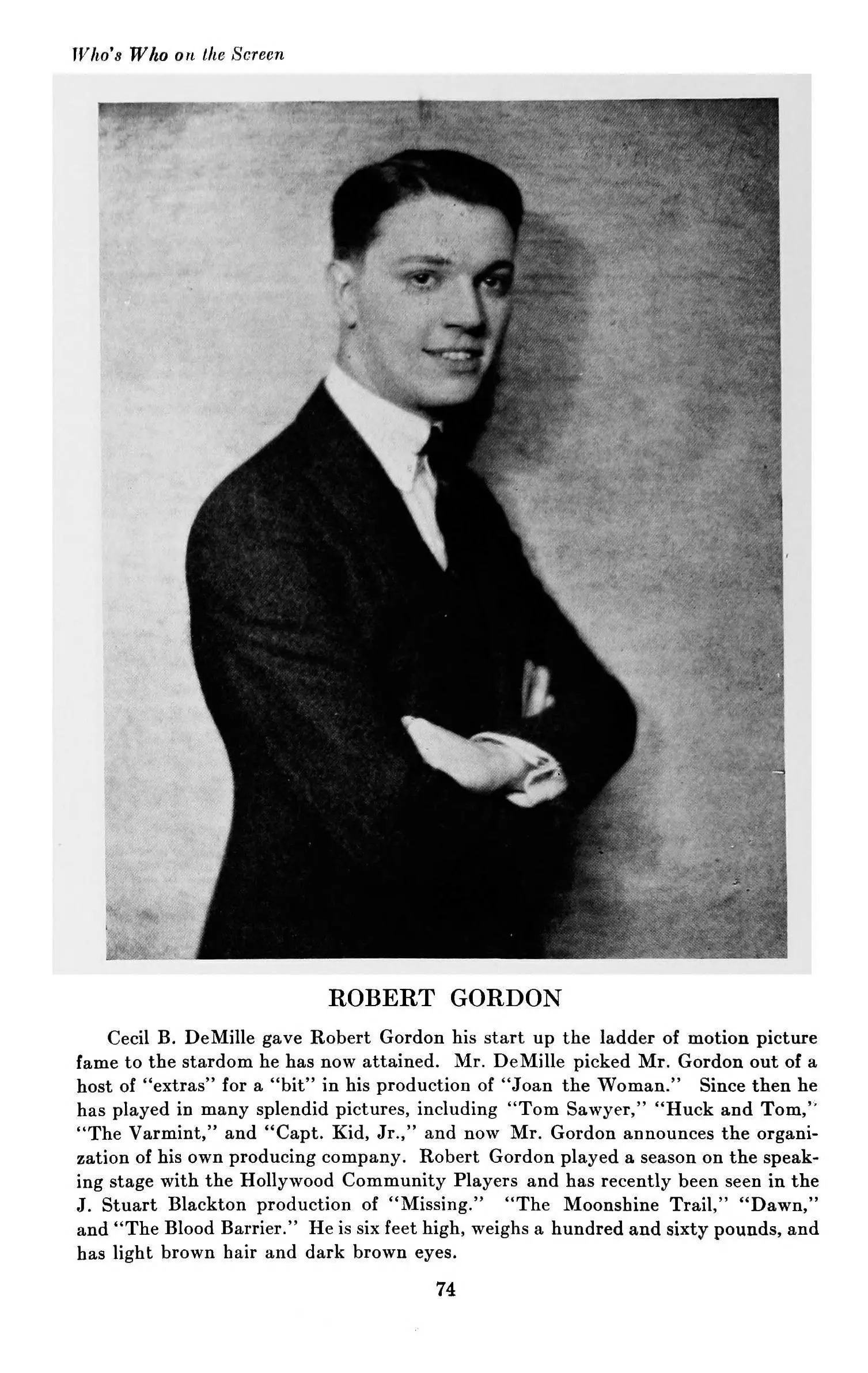
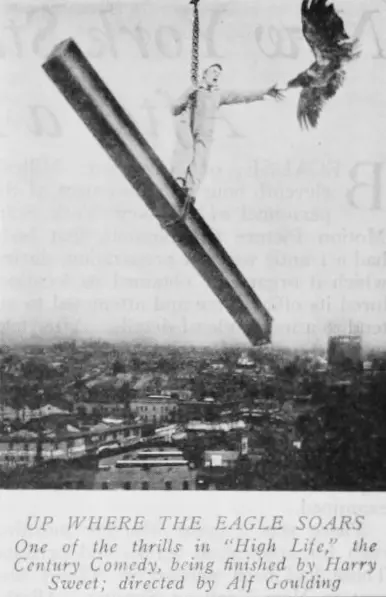
Long before the surrealist movements of the mid-century, early filmmakers were experimenting with a logic that defied the mundane. Consider the short film High Life, where the protagonist Harry finds himself entangled in a skyscraper girder, hoisted into the clouds in a literalized metaphor for urban anxiety. This isn't just a gag; it’s an early example of the cinematic anomaly—a moment where the physics of the world bend to the whims of the narrative. Similarly, in Over the Transom, we see a hotel clerk whose bed is built over a well, a piece of mechanical surreality that predates the absurdist set design of later cult icons.
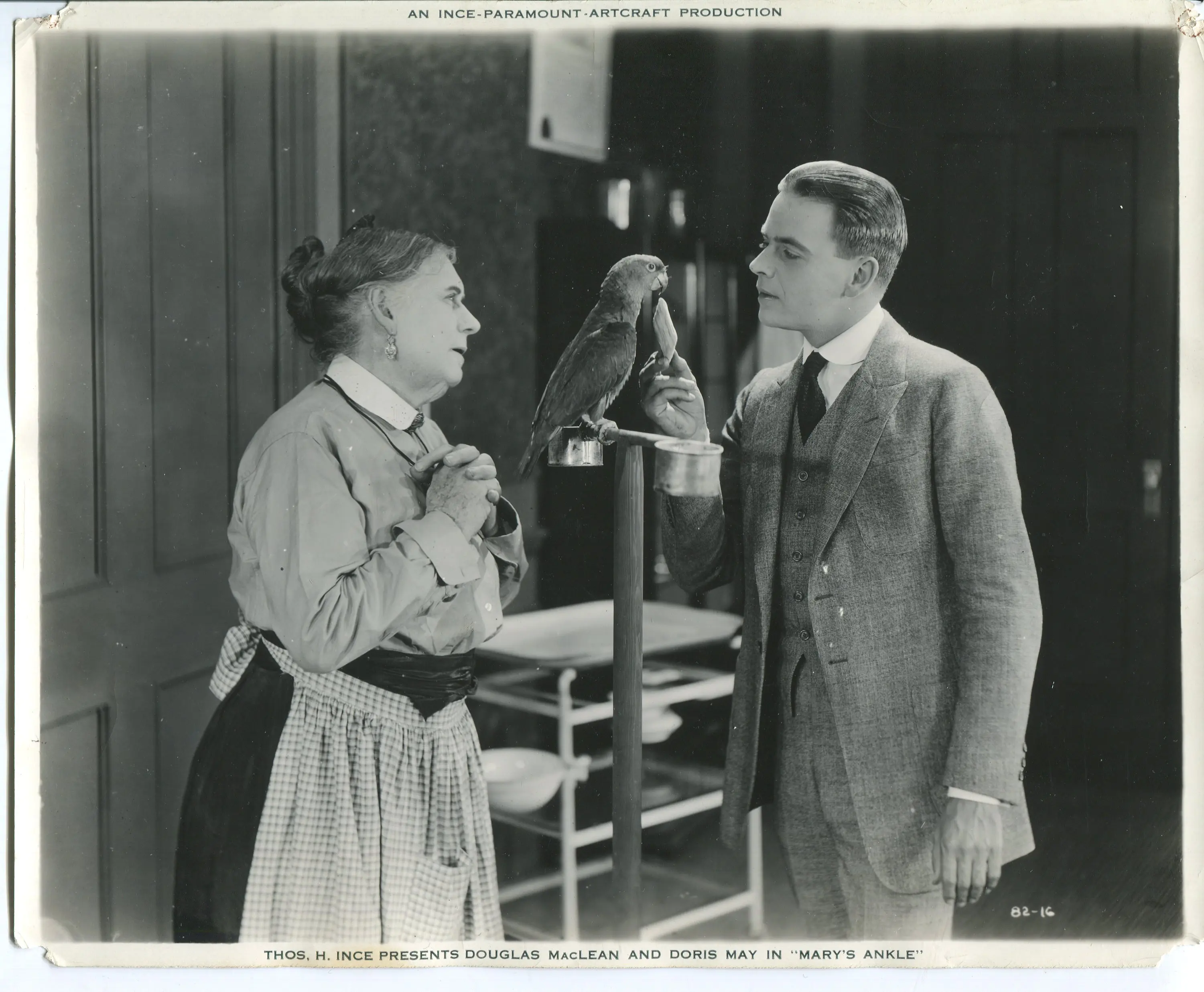
These films, often categorized as simple comedies or shorts, actually represent the first wave of genre-bending. In Mary's Ankle, a doctor’s desperate attempt to secure funds leads to a series of social transgressions that highlight the absurdity of the era’s moral rigidity. These are the ancestors of the 'midnight movie,' films that find their power not in mass appeal, but in their ability to speak a secret language to those who feel out of step with the world.
Eroticism, the Exotic, and the Cult of Personality
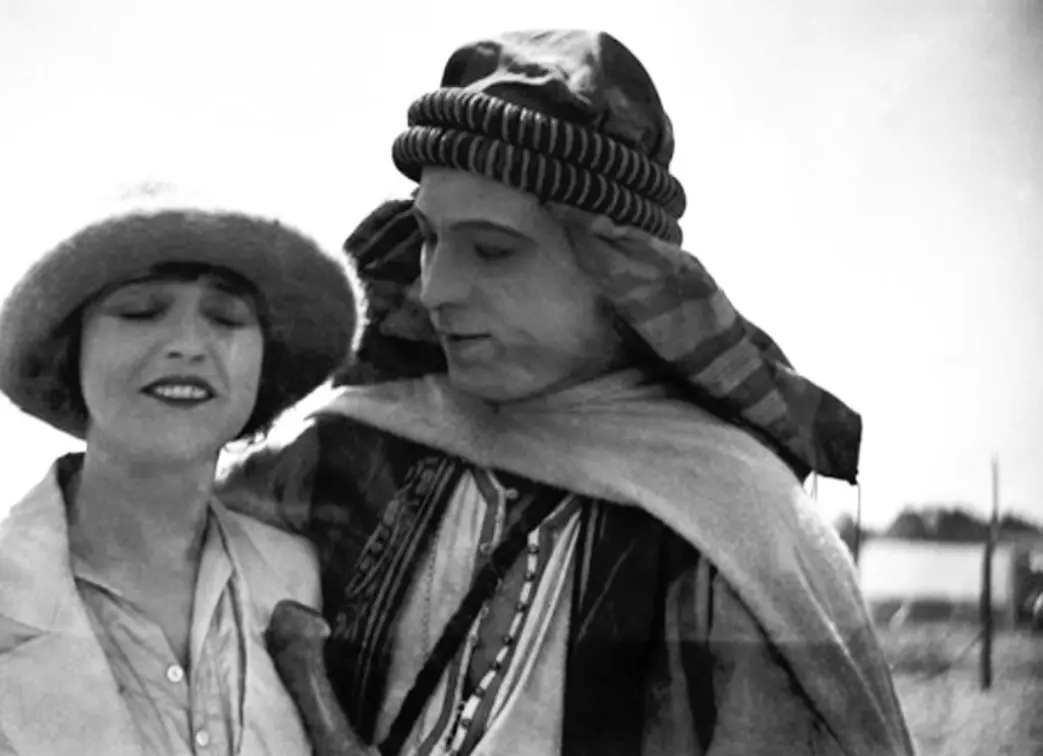
If cult cinema is built on obsession, then the silent era was its first great cathedral. The rise of the 'star' system created a fervor that bordered on the religious. The Sheik, starring Rudolph Valentino, is perhaps the ultimate example of this. It wasn't just a romance; it was a cultural phenomenon that tapped into a collective longing for the exotic and the forbidden. This obsession with the 'other' is a recurring theme in cult history, seen again in The Spanish Jade and The Captive God, the latter of which tells a strange tale of a Spanish boy cast upon the shores of Mexico, eventually becoming a deity among the Aztecs. These narratives of displacement and transformation are the bread and butter of the cult aesthetic.
But it wasn't just about the hero. The 'vamp' and the 'femme fatale' provided a darker, more complex allure. In La luz, tríptico de la vida moderna, we encounter a dying prince and a woman who cares nothing for his suffering—a stark, tripartite exploration of modern life’s cruelty. This kind of narrative cynicism, also found in the German production Die Diktatur des Lebens - 1. Teil: Die böse Lust, challenged the Victorian sensibilities of the time, offering a glimpse into a more transgressive, shadow-filled world.
Narrative Dissent and the Moral Outcast
The cult hero is almost always an outsider, a person who operates on the fringes of acceptable society. In The Coward, we are presented with a Confederate soldier who runs from battle—a radical subversion of the 'brave soldier' archetype that dominated early 20th-century media. His journey toward a complicated redemption is a precursor to the morally gray protagonists of the 1970s New Hollywood era. We see this again in The Light of Happiness, where 'Tangletop,' the daughter of the town drunk, is treated as a social pariah until she is utilized as an actress—a meta-commentary on the way society exploits those it marginalizes.
The themes of social exclusion and redemption through unconventional means are central to films like The Under Dog and Cleaning Up. These stories resonate because they validate the experience of the disenfranchised. Even in a mystery like Footfalls, where a blind cobbler uses his heightened senses to solve a crime involving his son, the focus is on a protagonist who perceives the world differently than the majority. This 'alternative perception' is a cornerstone of the cult experience.
Genre Mutations: When Fantasy Meets the Mundane
One of the most fascinating aspects of early cinema is how it handled the supernatural. Alf's Button is a perfect example of a genre mutant. It takes the Aladdin’s lamp mythos and applies it to a common soldier’s tunic button. The resulting blend of war-time realism and high fantasy is jarring, hilarious, and utterly unique. It is exactly the kind of 'what if' scenario that attracts a devoted following. This same spirit of invention is found in The Captive God, which blends historical drama with a sense of mythic destiny.
Even the western was not immune to these early experimentations. The Terror (1920) and Truthful Tulliver brought a sense of gritty realism and journalistic skepticism to the frontier, moving away from the black-and-white morality of earlier stage plays. In Kitty Kelly, M.D., we see the introduction of a female doctor in a rough mining town, a narrative choice that was both progressive and, for its time, a radical departure from the expected 'damsel in distress' tropes found in films like Rose o' the River.
The Ghost of the Archive: Lost Narratives and Found Devotion
Part of the allure of cult cinema is the sense of discovery—the feeling that you have unearthed something the rest of the world has forgotten. Many of these early films, such as Iwami Jûtarô or If the Huns Came to Melbourne, exist now as spectral memories or rare archival finds. The scarcity of these reels only adds to their mystique. To watch a film like The Man Who Disappeared or The Quickening Flame is to engage in a form of cinematic archaeology.
In The Single Code, we see a story of a man falling for an adventuress, only to realize the depth of his own manhood through a series of moral trials. It’s a melodrama, yes, but it’s one that explores the 'single code' of ethics with a fervor that feels almost desperate. This emotional intensity is what bridges the gap between a standard studio product and a cult masterpiece. It is the 'all-in' nature of the performances and the direction—seen in the works of early pioneers—that creates a lasting bond with the audience.
The Legacy of the Silent Maverick
As we look back at films like Betsy Ross, Brown of Harvard, and The Iron Trail, we see the foundations of modern storytelling. But it is in the outliers—the strange, the botched, the overly ambitious, and the morally complex—that we find the heart of the cult. Films like Mrs. Temple's Telegram, with its flirtatious vamps and jealous wives, or Divorced, which dealt with the fallout of infidelity and social stigma, pushed the boundaries of what could be shown on screen.
The silent era was not a polite precursor to modern film; it was a wild west of creativity. Every film was an experiment. When we watch How Not to Dress, featuring a young Greta Garbo, we aren't just seeing a fashion short; we are witnessing the birth of an icon whose very presence would eventually define a whole sub-sect of cinematic worship. The cult of Garbo, the cult of the Sheik, the cult of the Absurd—they all began here.
Conclusion: The next time you find yourself at a midnight screening of a modern genre-bender, remember the blind cobbler of Footfalls, the genie-button of Alf's Button, and the cloud-dangling Harry of High Life. These were the original renegades, the first to realize that the camera could do more than just record reality—it could distort, amplify, and subvert it. The celluloid subconscious remains a deep and fertile ground for those willing to look past the mainstream and embrace the beautiful, primal weirdness of the fringe.
Community
Comments
Log in to comment.
Loading comments…