
DbcultAccessing Vault...
Film History
Archivist John
Senior Editor
Before the midnight screenings of the 1970s or the VHS-fueled depravity of the 1980s, the cult mindset was born in a much stranger place: the clinical, cold, and hypocritical world of the 'Social Hygiene' film. In the early 1910s and 20s, a specific breed of filmmaker discovered a loophole in the tightening noose of censorship. If a film could prove it was 'educational' or 'medicinal,' it could bypass the moral guardians of the era. This birthed a fascinating, often grotesque subgenre that purported to warn the public against the dangers of sex, drugs, and 'secret sins' while simultaneously providing the very titillation the censors sought to erase. These films are the true, grimy ancestors of the modern cult obsession with the transgressive and the forbidden.
The genius of the early exploitation pioneer lay in the framing. To show a woman in a state of 'ruin' or a man consumed by addiction was a crime against public decency—unless, of course, that man was a patient and the woman was a 'cautionary tale.' This era produced works like The Solitary Sin (1919), a film that remains one of the most curious artifacts of the silent era. It follows three boys—Bob, John, and Edward—as they navigate the treacherous waters of puberty and sexual awakening. While it claims to be a guide for parents, its focus on the 'vastly different experiences with sex' and the consequences of 'misguided' energy provided a voyeuristic thrill that legitimate drama couldn't touch.
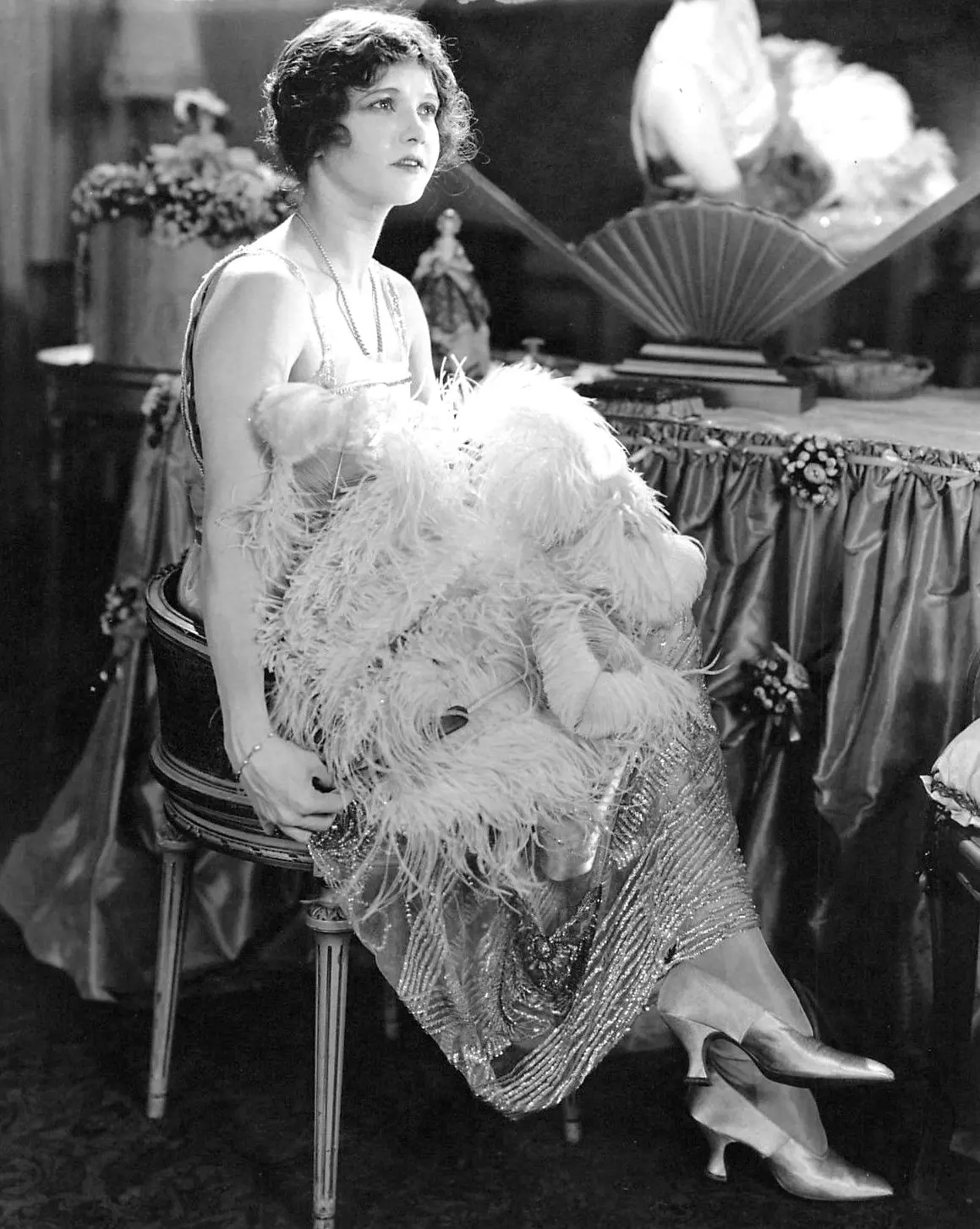
This clinical gaze allowed filmmakers to explore the squalor of the human condition under the guise of public service. In Princess of the Dark (1917), we see a similar descent into the 'squalid' realities of a mining town, where themes of consumption and isolation are treated with a heavy-handed, almost gothic dread. These weren't just stories; they were examinations of the 'other'—the parts of society that the growing middle class wanted to peek at from behind a safe, 'educational' curtain.
If sex was the primary hook, drugs were the secondary engine of the early cult machine. Long before the psychedelic trips of the 60s, silent cinema was obsessed with the 'fiend.' Take June Friday (1915), a harrowing piece of work where a 'cocaine fiend' husband treats his wife with such brutality that she is driven to the ultimate desperate act. The film doesn't just depict addiction; it revels in the visceral fallout of the habit. By showing the 'fiend' in his most depraved state, the filmmakers were able to satisfy a burgeoning public appetite for the grotesque while maintaining their 'hygiene' credentials.
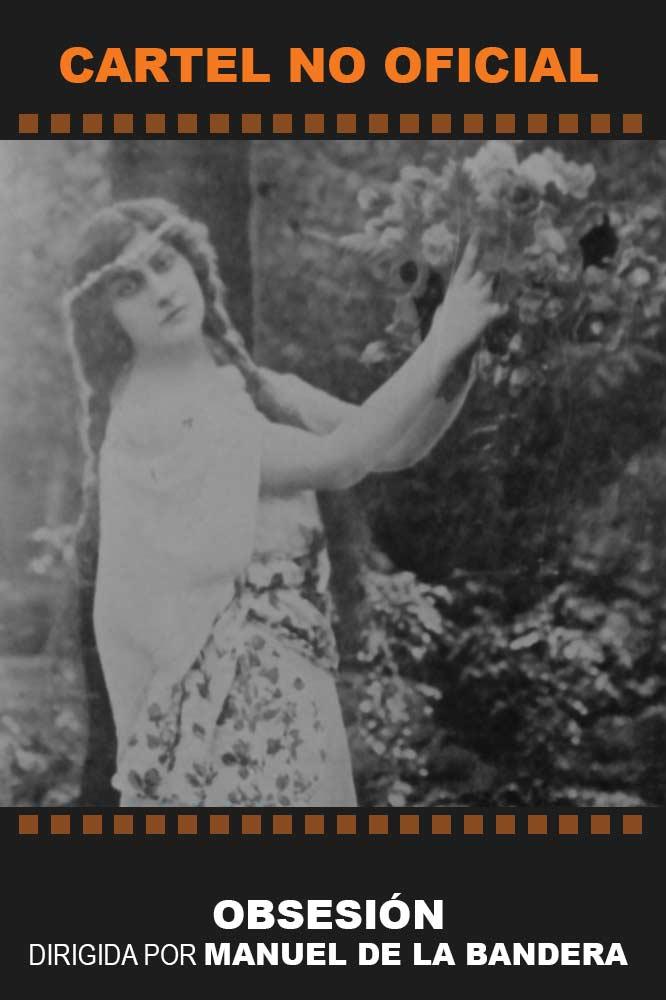
The Social Hygiene film was the first time cinema realized that the forbidden could be sold as a virtue, provided the packaging was sufficiently stern.
This fascination with the chemical 'other' extended into the international market. In the Brazilian production Lucros... Ilícitos (1921), we see the transformation of a banker into a 'criminal instrument' through the corrupting influence of gambling houses and illicit dealings. The 'illicit' wasn't just a plot point; it was the aesthetic. The grainy, high-contrast world of the silent underworld—the 'Pepperbox' inns and the back-alley roadhouses—created a visual language for the 'cult' of the night that would eventually evolve into film noir and, later, the gritty realism of the 70s exploitation boom.
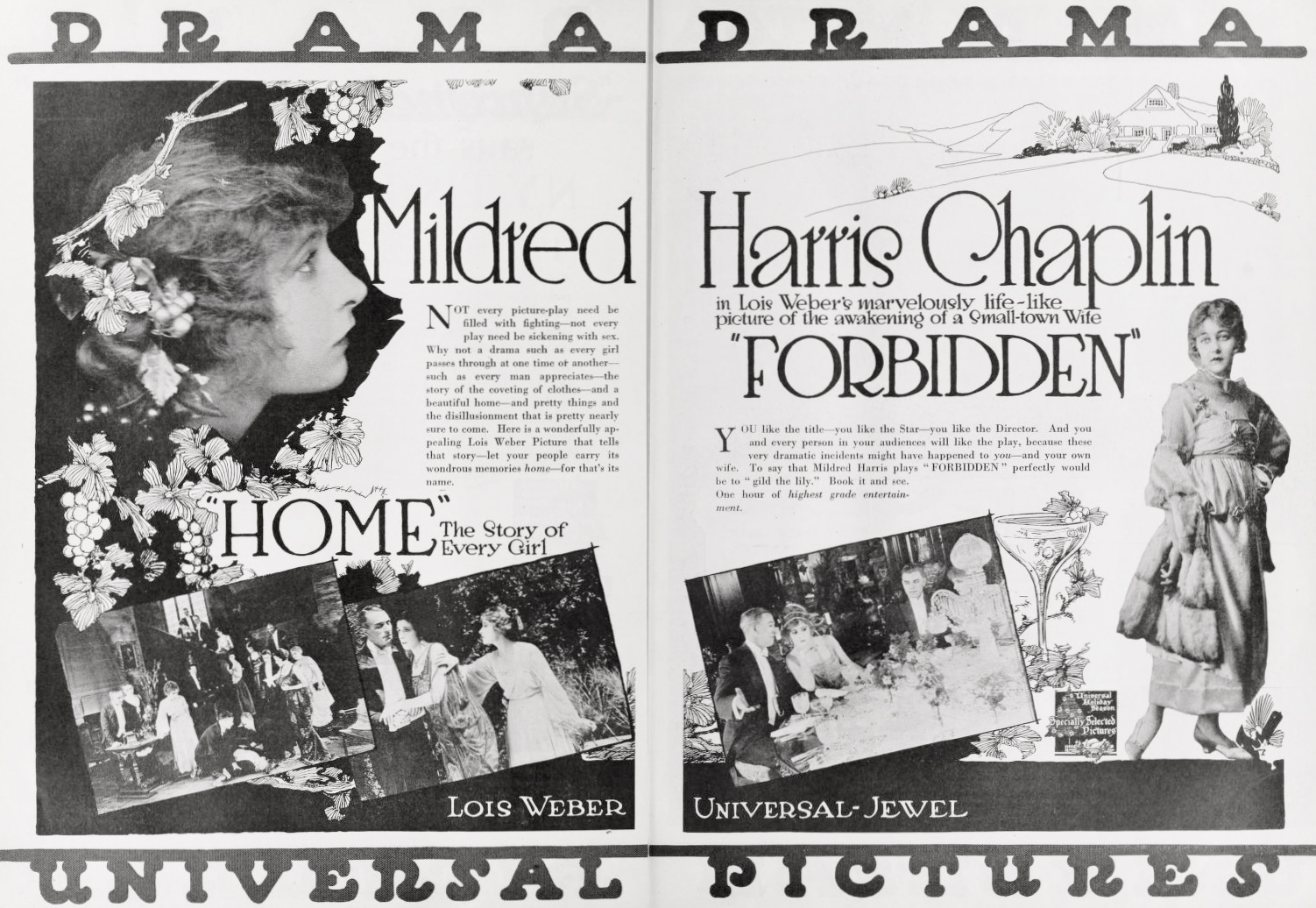
The transition from rural 'purity' to urban 'corruption' is a foundational trope of cult cinema, and it was perfected in the silent era. Films like The Chosen Path (1918) and Reputation (1921) served as blueprints for this narrative arc. In The Chosen Path, the move from a stable home to the 'life in the city' leads directly to an underworld roadhouse. The 'roadhouse' became a recurring liminal space in cult cinema—a place where the rules of polite society were suspended, and where the audience could witness the 'underworld' in all its financed, dark glory.
This thematic obsession with the 'shadow of the past'—as seen in the 1915 film The Shadow of Her Past—suggests that the early audience was deeply invested in the idea of inescapable moral decay. When Elayne Chalmers goes to Italy for music and finds herself 'turned' by the reception of nobility and artists, it echoes the modern cult obsession with the 'corruptive' power of high society and the avant-garde. The 'cult' audience doesn't just want to see the fall; they want to see the specific, gritty details of the descent.
While some filmmakers used melodrama to sell their 'hygiene' lessons, others turned to a radical form of realism. Dziga Vertov’s Kino-pravda no. 6 (1922) represents the other side of this coin. By documenting 'Russian Life' in its rawest form, Vertov and his collaborators captured a reality that felt more 'cult' than any scripted drama. The 'Cinema Truth' movement stripped away the artifice of the stage, providing a visual honesty that would later inspire the 'Mondo' films and the raw, handheld aesthetics of the underground movements. When we watch a silent newsreel documenting the harshness of the 1920s, we are seeing the same impulse that drives a modern viewer to seek out 'banned' documentaries or 'lost' footage.
Not all early 'cult' impulses were grounded in the grime of the streets. There was also a burgeoning sense of the uncanny and the absurd. Consider Colonel Heeza Liar's Forbidden Fruit (1923), an early animation where a banana transmogrifies into a teller of tall tales. This kind of visual surrealism, while seemingly lighthearted, tapped into the same 'midnight' logic that would eventually give us films like Eraserhead. The idea that the physical world is unstable—that a fruit can become a man, or that a 'dragon painter' could lose his soul to love, as in The Dragon Painter (1919)—is central to the cult experience. It is the rejection of the mundane in favor of the dreamlike and the impossible.
Even the seemingly straightforward thrillers of the era, like Monsieur Lecoq (1914) or The Kalda Ruby, leaned into the 'mystery' of the hidden world. The detective wandering into the 'ill-favored inn' run by Mother Chupin is a prototype for every protagonist who wanders into a world they don't understand. The 'Pepperbox' inn is the original 'mysterious location' that populates the cult canon—a space where danger and the unknown coexist.
The 'Social Hygiene' era ended as the Hays Code tightened its grip in the early 1930s, but the damage (or the liberation) was already done. These films proved that there was a massive, hungry audience for the forbidden. They taught filmmakers that if you can't show it as 'art,' you show it as 'education.' This philosophy trickled down through the decades, manifesting in the 'educational' drug films of the 30s, the 'nudist colony' films of the 50s, and the 'shockumentaries' of the 60s.
Modern cult cinema is essentially a continuation of this silent-era rebellion. Whether it's the 'body horror' that explores the fragility of the human form or the 'transgressive' cinema that seeks to break every social taboo, the DNA is the same. We are still looking for that 'Solitary Sin'—the thing we aren't supposed to see, presented in a way that makes our looking feel like an act of discovery rather than just voyeurism. The silent era didn't just give us the movies; it gave us the 'forbidden frame,' and we've been staring into it ever since.
As we look back at these flickering, often decayed reels, we shouldn't see them as mere historical curiosities. They are the primary source of our cinematic obsessions. They are the moment the camera stopped being a recording device and started being a key to the locked rooms of the human psyche. The next time you find yourself at a midnight screening, or scouring the depths of a streaming service for something 'dangerous,' remember the 'cocaine fiends' and the 'misguided' boys of the 1910s. They were there first, and they were watching the same shadows we are.