
Cult Cinema Deep Dive
The Deviant's Dominion: How Early Cinema’s Genre Rebels Scripted the Modern Cult Obsession

“An exploration of how early cinema's forgotten genre-benders and social outcasts laid the foundation for the modern cult movie phenomenon.”
The term "cult cinema" often conjures images of midnight screenings in the 1970s, the smell of popcorn, and the collective chanting of lines from a film that the mainstream rejected. However, the genetic blueprint of this devotional culture was not written in the age of neon; it was etched into the celluloid of the early 20th century. Before there were Midnight Movies, there were the genre deviants—the films that refused to adhere to the burgeoning conventions of the studio system. These were the rebels, the anomalies, and the misfit masterpieces that dared to explore the dark corridors of the human psyche, the absurdity of social norms, and the surreal landscapes of the subconscious.
The Aesthetics of Decay: The Moral Outlier
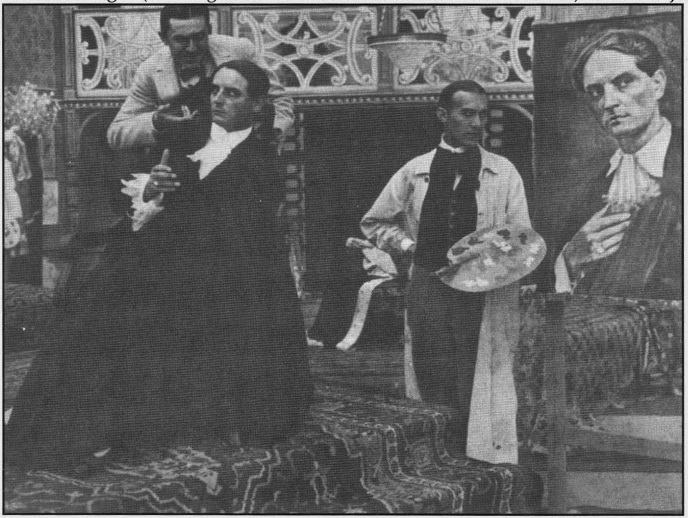
In the early days of the silver screen, few themes were as potent as the intersection of beauty and moral rot. The Picture of Dorian Gray (1915) serves as a cornerstone for what we now recognize as cult obsession. It is a film that dwells in the liminal space between the divine and the grotesque. By centering on a corrupt young man whose inner ugliness is hidden within a secret canvas, the film challenged the era's preference for clear-cut moral heroism. This narrative subversion—where the protagonist is simultaneously the villain and the object of aesthetic desire—laid the groundwork for the anti-heroes that would later define the cult canon. The fascination with the "beautiful monster" began here, in the flickering shadows of an early adaptation of Oscar Wilde’s masterpiece.
This theme of internal corruption mirrored the societal anxieties of the time. While the mainstream sought comfort in tales of progress, the cult-adjacent filmmakers were looking at the price of that progress. They were interested in what happened when the veneer of civilization cracked, revealing the primal impulses beneath. This was not just storytelling; it was a form of cinematic alchemy, transforming the taboo into something magnetically watchable.
Dream Logic and Domestic Unrest: The Surreal Fringe
Cult cinema has always had a home for the surreal, the films that operate on the logic of the dream rather than the demands of the plot. Blind Wives (1920) is a fascinating early example of this. What begins as a domestic quarrel over an obsession with luxury—specifically a dress and a sable—quickly devolves into an episodic series of dreams. This use of dream logic allowed filmmakers to bypass the censors and explore the deeper, often darker, motivations of their characters. When the protagonist of Blind Wives falls asleep, the film abandons the rigid structure of the drama and enters a realm of symbolic obsession.

Similarly, The Slave (1917) utilizes the dream sequence to explore the anxieties of marriage and autonomy. The protagonist’s dream of a wealthy suitor turning into a vicious captor is a stark, proto-feminist critique of the domestic sphere. These films didn't just entertain; they acted as a subversive mirror, reflecting the hidden fears of an audience that was being told to conform to the post-war ideal. The episodic, non-linear nature of these sequences is a direct ancestor to the avant-garde and experimental films that would later be embraced by cult audiences worldwide.
The Social Outcast and the Laborer's Lament
Cult movies often find their most dedicated followers among those who feel marginalized by the mainstream. This connection to the outsider is deeply rooted in early films like Her Bitter Cup (1916). By focusing on a factory worker, Rethna, who organizes her peers against a miserly owner, the film moves beyond mere entertainment and into the realm of social activism. The complexity of Rethna—who enters a morally ambiguous affair to fund her cause—presents a protagonist that the polite society of the 1910s might have found scandalous, but whom the disenfranchised would find revolutionary.
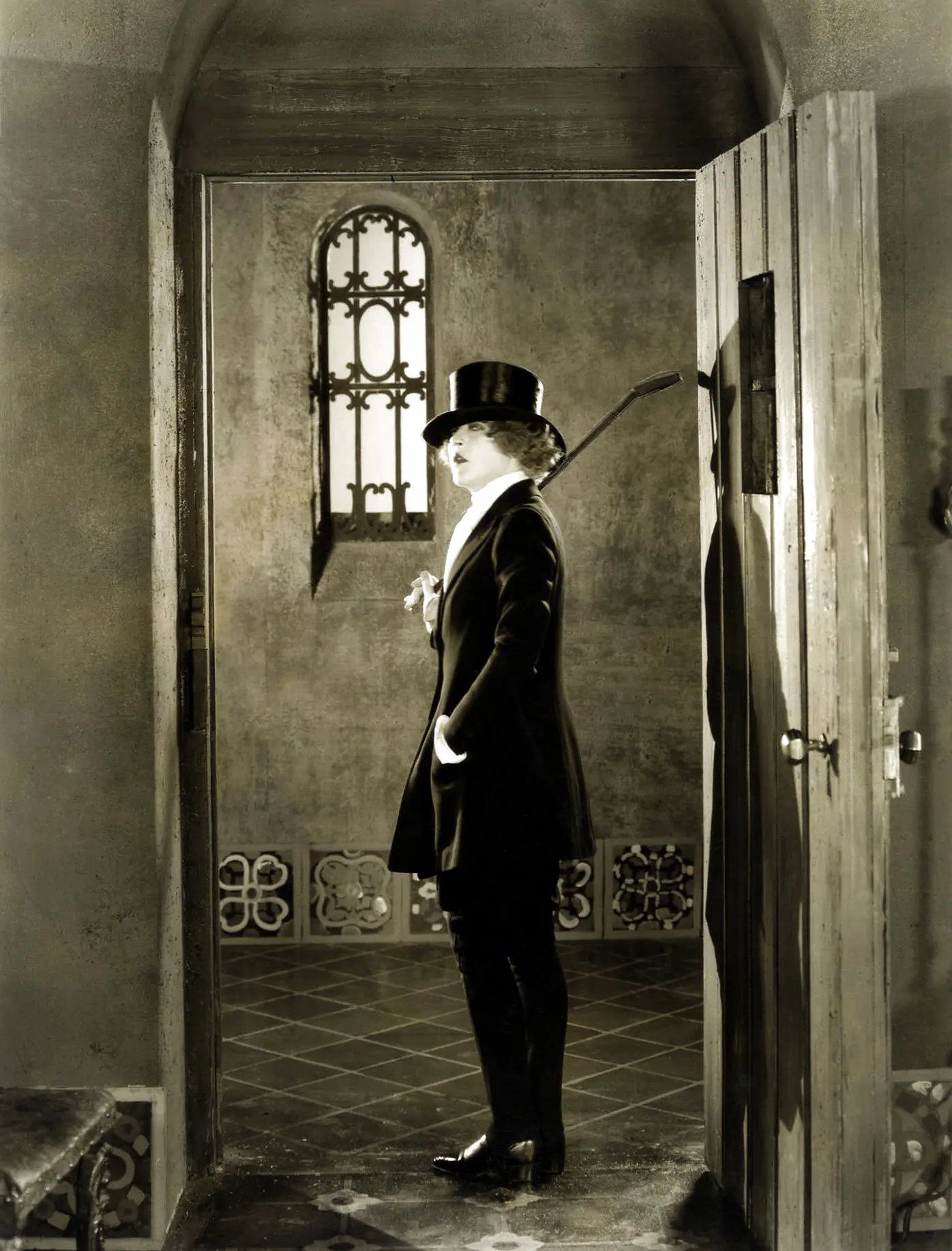
This thread of social rebellion continues in The Social Secretary (1916), where a young woman must disguise her beauty to find professional respect. These narratives of disguise, class struggle, and gender performance were the first to speak directly to the "misfit" demographic. They provided a space for the exploration of identity in a world that demanded uniformity. In the world of the cult film, the secretary, the laborer, and the orphan are not just side characters; they are the prophets of a new cinematic order.
The Biological and the Bizarre: Experimental Roots
One of the hallmarks of cult cinema is its willingness to be weird—not just for the sake of it, but to challenge the viewer's perception of reality. The Escape (1914) is perhaps one of the most anomalous films of its era. By providing a dramatic comparison between the mating habits of animals and the way humans choose their partners, it occupies a space somewhere between a scientific lecture and a psychological drama. This clinical approach to human emotion is deeply unsettling and utterly fascinating, embodying the exact kind of "high-concept weirdness" that fuels modern cult devotion.
Then there is How I Became Krazy (1923), an early animation that leans into the absurd. The fluidity of the medium allowed for a break from physical reality that live-action films were only beginning to touch. The "Krazy" logic of early animation, where the world is malleable and the rules of physics are optional, provided a template for the psychedelic and surrealist cult films of the 1960s and 70s. These films taught audiences how to watch something that didn't make sense on the surface, encouraging a deeper, more interpretive engagement with the screen.
Subverting the Gaze: The Strong and the Silent
The traditional roles of men and women were frequently challenged in the fringes of early cinema. The Hell Ship (1920) features a female protagonist, Paula, who must hold mutineers at bay with a pistol after her father is killed. This image of the armed, defiant woman was a radical departure from the "clinging vine" archetype mentioned in The Lonely Road (1923). Cult cinema thrives on these breaks from tradition. Whether it is the spoiled Bethesda in The Wildcat (1917) refusing to be sold into marriage or the elder daughter in The Slim Princess (1915) struggling against a culture that equates beauty with weight, these films provided early audiences with alternative models of existence.
Even in the realm of comedy, the subversion was present. Pop Tuttle's Clever Catch (1918) takes the tropes of the Western and the stagecoach robbery and turns them into a meta-commentary on the genre itself. By having the protagonist ask the bandit to shoot holes in his hat to prove his "bravery," the film mocks the very machismo that the mainstream Western was trying to solidify. This self-awareness is a key ingredient in the cult movie recipe—a wink to the audience that says, "We know this is a movie, and we’re going to have some fun with the rules."
Global Mythos and the Outsider's Vision
The reach of these early cult seeds was global. From the fateful last days of King Ludwig II in Das Schweigen am Starnbergersee (1920) to the indigenous narrative of Ubirajara (1919), the early fringe was obsessed with the tragic figure and the cultural outsider. These films often dealt with the weight of history and the isolation of leadership. Peer Gynt (1915), based on Ibsen’s verse drama, brought high-concept fantasy and folklore to the screen, creating a world of trolls and varied countries that felt like a fever dream. It is this sense of being transported to a place that is both familiar and alien that remains a primary draw for cult film enthusiasts today.
Even the short-form content of the era, like Screen Snapshots (1922), acted as a precursor to the modern obsession with behind-the-scenes lore and the cult of personality. Fans wanted to see the actors behind the roles, to understand the mechanics of the magic. This desire for a deeper connection to the medium is what transforms a casual viewer into a devotee.
Conclusion: The Genetic Legacy of the Fringe
The films of the early 20th century were more than just historical curiosities; they were the primordial soup from which the modern cult phenomenon emerged. By daring to be difficult, different, and often downright strange, these filmmakers created a language of rebellion that still speaks to us today. They proved that cinema could be a place for the dreamers, the radicals, and the outcasts.
When we look at the legacy of Joan of Arc (1913) or the gritty realism of Burning Daylight (1914), we see the early attempts to capture the epic scale of human struggle and the intimate details of the soul. These films did not always find massive commercial success in their time, but they found something more enduring: a place in the collective memory of those who look to the screen for something more than just a distraction. They found the Rebel's Relic—the enduring spirit of cinematic defiance that continues to ignite the passions of cinephiles in the midnight hours. The dominion of the deviant is not a place on a map, but a state of mind, forged in the flickering light of the first century of film.
Community
Comments
Log in to comment.
Loading comments…