
Cult Cinema
The Electric Epiphany: Unearthing the Primal Deviance and Maverick Rhythms of Cinema’s First Century of Misfits
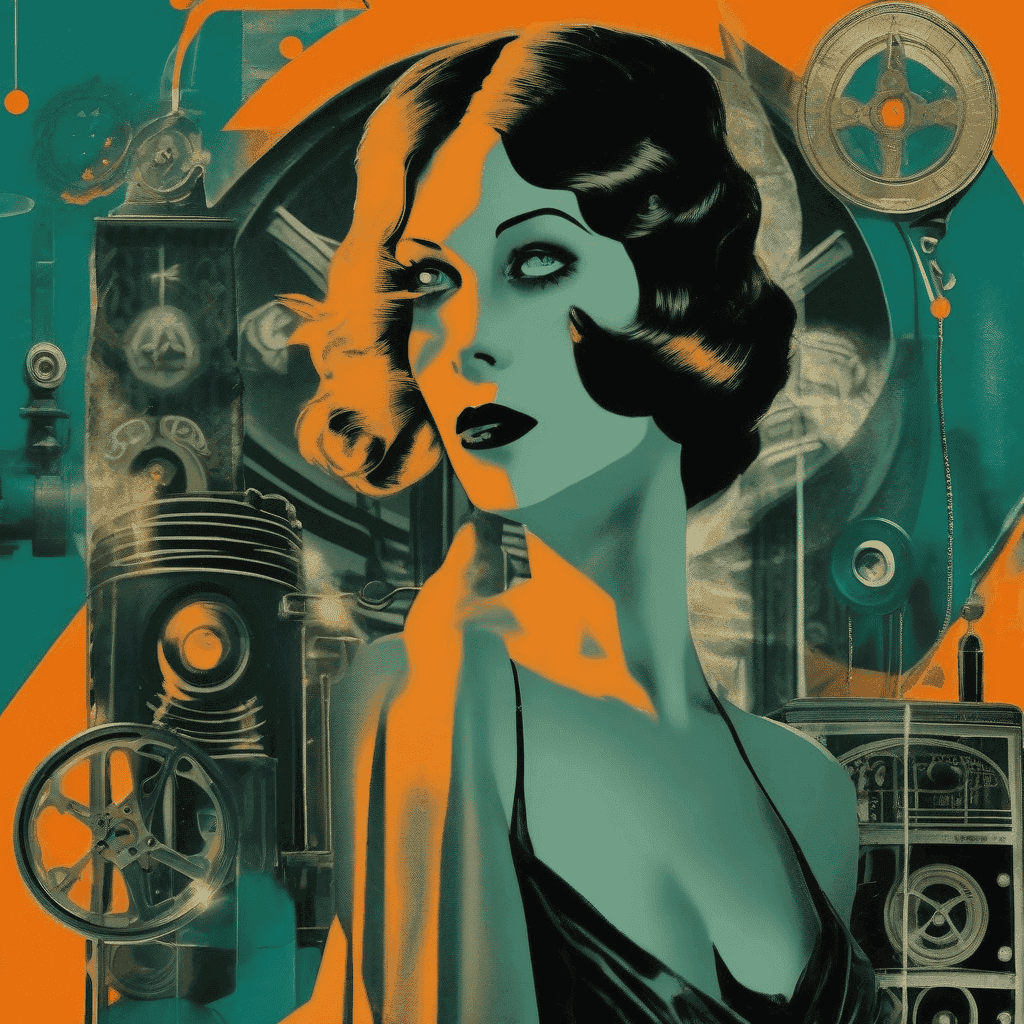
“A deep dive into the transgressive roots of cult cinema, exploring how early 20th-century outliers and narrative rebels forged the blueprint for modern midnight movie devotion.”
The concept of cult cinema is often tethered to the neon-soaked midnight screenings of the 1970s or the VHS-trading circles of the 1980s. However, the genetic blueprint of the cinematic outlier—the film that refuses to behave, the narrative that defies the status quo—was drafted long before the term "midnight movie" entered the lexicon. To understand the enduring power of the fringe, one must look back to the early 20th century, a period of unparalleled experimentation where the boundaries of morality, gender, and narrative structure were being tested by a cadre of celluloid mavericks.
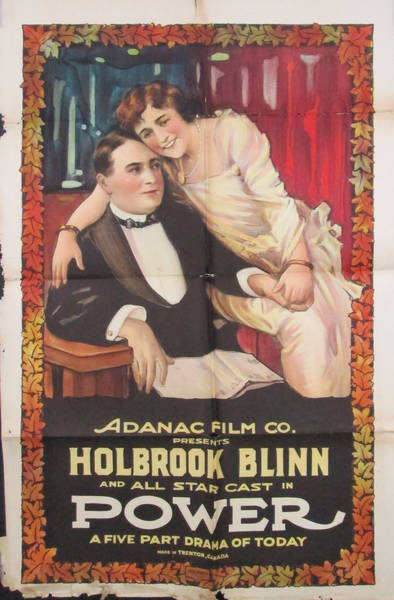
The Archetype of the Social Pariah
At the heart of any cult classic is the figure of the outcast. In the silent era, this was often personified by women fleeing the suffocating constraints of societal judgment. Take, for instance, The Winchester Woman. Anne Winchester’s journey from a Nashville courtroom to the anonymity of a Long Island boarding house represents a primal theme in cult storytelling: the reinvention of the self through trauma. By changing her name to Whar... she attempts to outrun a past that the law had already acquitted. This tension between public perception and private truth is a recurring motif that speaks to the disenfranchised audiences who find solace in these forgotten reels.
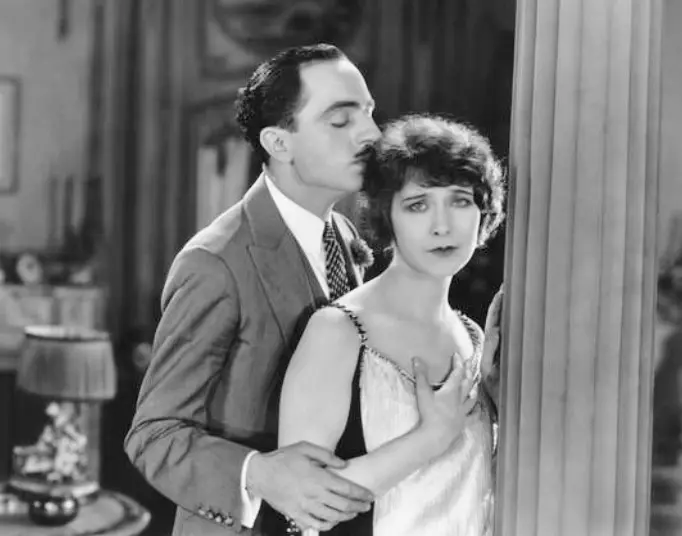
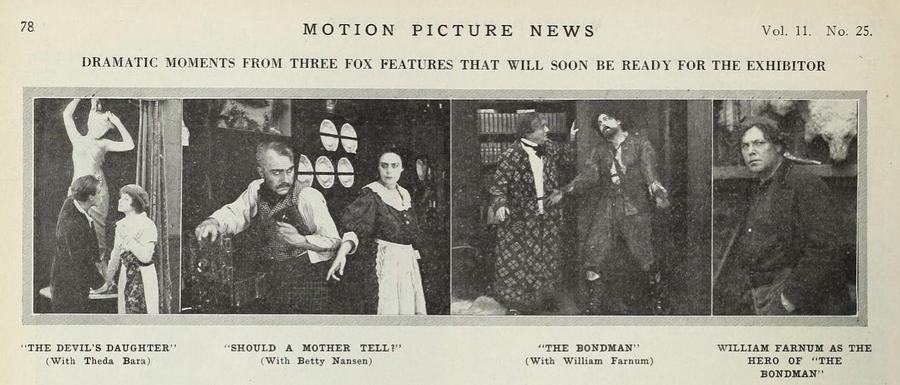
Similarly, The Discarded Woman explores the cruelty of abandonment, as Esther Wells is literally left behind on a train by a husband who has grown tired of her. These stories of survival on the margins—where characters like Samue... provide a sanctuary for the abandoned—mirror the way cult fans often find a home in the "discarded" films of history. These are narratives of the moral mutant, the individual who exists outside the traditional family structure, much like the protagonist in The Bondman, Stephen Orry, an Icelandic vagabond whose very existence challenges the provincial governor's authority.
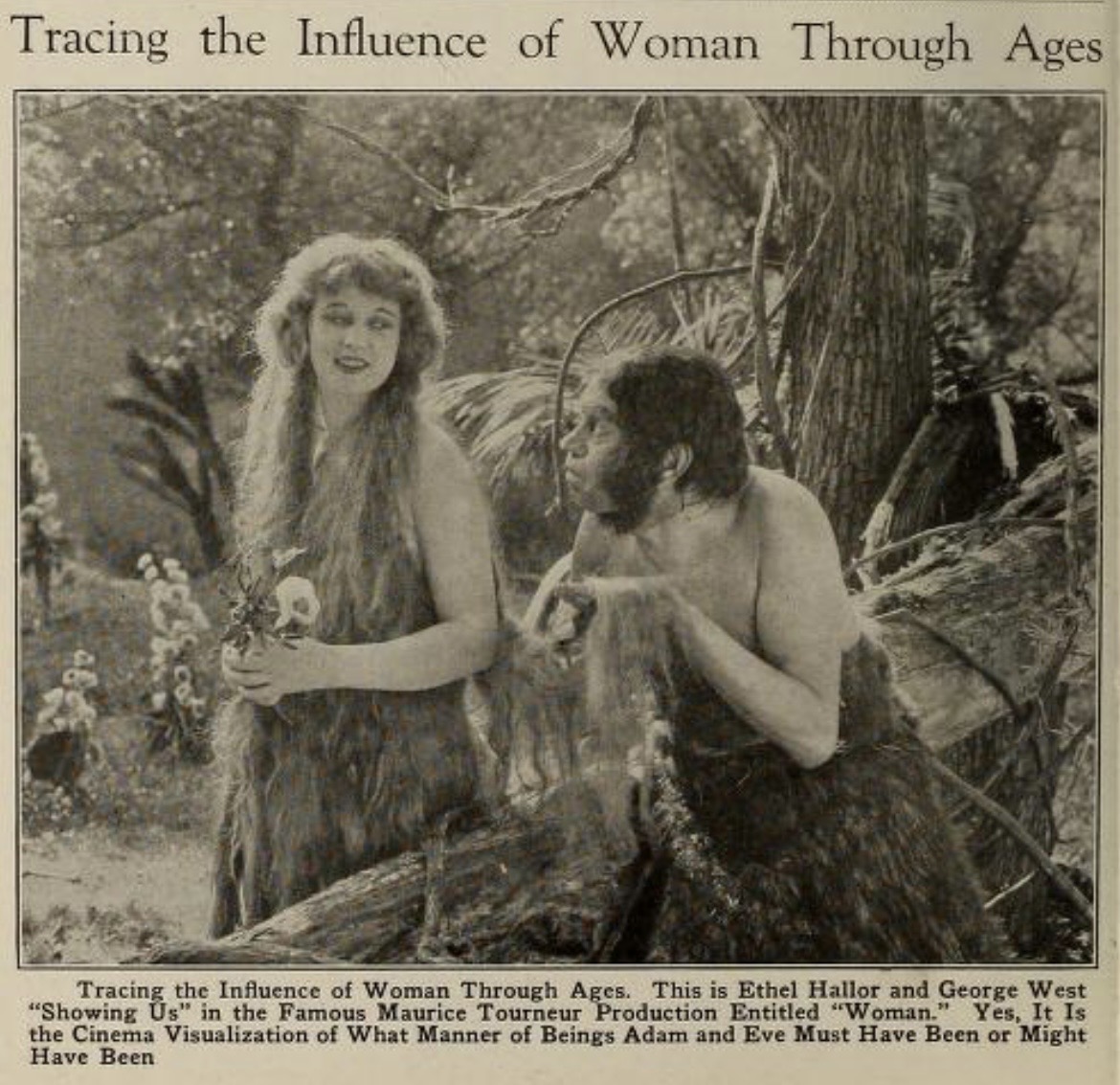
Metaphysical Assaults and Occult Undercurrents
Cult cinema has always been a vessel for the arcane. Long before the psychedelic horrors of the 1960s, audiences were enthralled by the mystical warfare depicted in serials like The Mysteries of Myra. Myra Maynard’s struggle against the Black Order—a secret organization utilizing magic, curses, and supernatural means—is a foundational text for the genre-bending weirdness we celebrate today. It introduced the concept of metaphysical assault as a plot device, blending the detective genre with the occult in a way that felt dangerous and transgressive to the contemporary viewer.
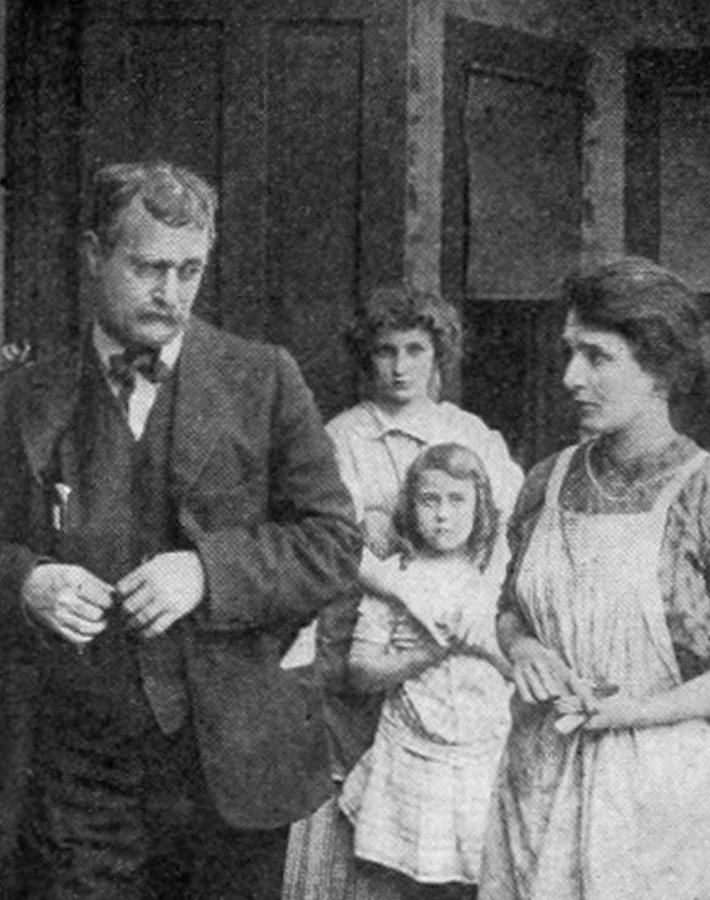
This fascination with the cursed and the forbidden is echoed in The Devil-Stone. When the fishermaid Marcia Manot discovers an emerald belonging to a Norse queen, she doesn't just find wealth; she inherits a curse. The film’s trajectory—involving a greedy husband, a setup for divorce, and eventual murder—showcases the narrative anarchy that defines early cult cinema. It suggests that the material world is constantly being subverted by ancient, malevolent forces, a theme that resonates through the ages to films like *The Exorcist* or *Suspiria*.
The Transgressive Body: Gender and Performance
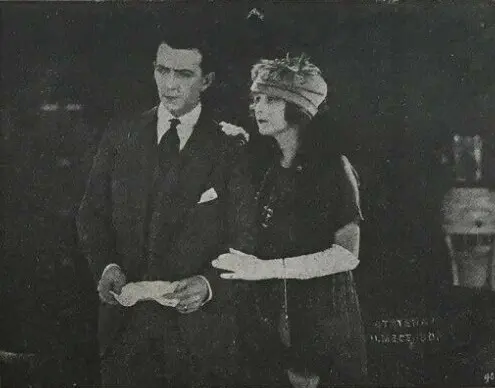
One of the most radical aspects of early cinema was its willingness to play with identity performance. Little Eva Ascends presents a fascinating case study in gender subversion. The plot involves Roy St. George playing "Little Eva" in a wig and dress as part of a repertory company. This meta-commentary on the artifice of performance—and the fluidity of gender roles within the safe space of the theater—predates modern queer cinema by decades. It highlights the rebel soul of the traveling player, someone who exists on the move, constantly shifting masks to survive.
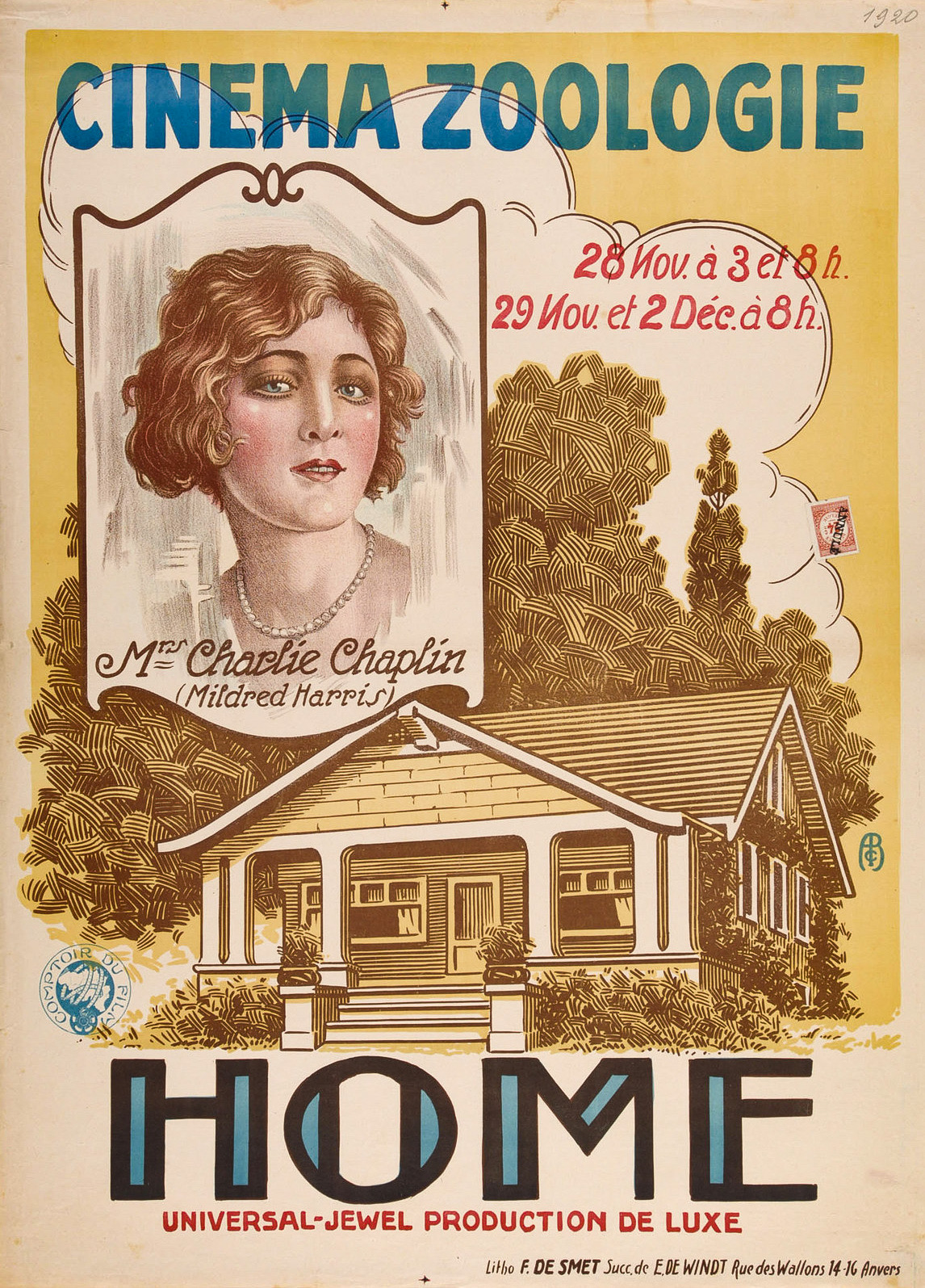
Then there is the figure of the "She-Devil" or the "Vamp," epitomized by Theda Bara in The She Devil. As Lolette, an exotic peasant girl pursued by bandits and local swains, Bara embodied a form of female agency that was both seductive and terrifying to the patriarchal order. These characters were moral outlaws, using their sexuality as a weapon in a world that offered them few other tools. Whether it was the Aztec princess in The Woman God Forgot, caught between Montezuma and Cortez, or the resilient protagonist of The Girl of the Golden West, who bets her future on a game of cards with a Sheriff, these women were the original maverick icons.
The Comedy of Chaos and the Absurd
Not all cult cinema is dark and brooding; much of its power lies in its embrace of the absurd and the chaotic. The short film Short and Snappy, featuring two men fighting over a single dress suit until the trousers are destroyed, is a masterclass in the comedy of desperation. This kind of physical anarchy—the destruction of the very garments required for social acceptance—is a perfect metaphor for the cult ethos: the refusal to fit into the "suit" of mainstream expectations.
Even animal-led comedies like The One Best Pet, starring Snooky the chimpanzee, contribute to this sense of the uncanny. When a child is carried off by balloons and a primate becomes the unlikely hero, we enter a realm of narrative surrealism. Similarly, the animation in Puss in Boots, which references Rudolpho Valentino, shows a medium already aware of its own celebrity culture and its ability to satirize the "noble" classes. These films were the proto-cult curios that taught audiences to look for the weird, the unexpected, and the slightly off-kilter.
Social Taboos and Moral Complexity
Early cinema did not shy away from the darker corners of the human experience. Corruption is a startlingly modern narrative, dealing with unwanted pregnancy and the shadowy world of illegal medical practices. The twist—that the doctor’s wife is the mother of the girl seeking help—is a melodrama of cosmic irony. It forces the audience to confront the consequences of their own moral rigidness, much like Hail the Woman, where a Puritanical father’s refusal to believe his daughter Judith leads to her exile. These films served as a subversive sermon against the judgmental heart of the status quo.
We also see the birth of industrial noir in The Iron Woman. Sarah Maitland, a woman running a steel mill, represents a hard-edged, uncompromising femininity. The conflict arises not just from the machinery of the mill, but from the moral failings of her children. This juxtaposition of the cold iron of industry and the fragile flesh of human morality is a hallmark of the gritty realism that would later define cult genres like the crime thriller or the dystopian drama.
Global Perspectives and Forgotten Histories
The cult impulse was never restricted to Hollywood. From the massive scale of Defense of Sevastopol, the first film shot with two cameras, to the Australian grit of The Sentimental Bloke, cinema was a global language of rebellion. In *The Sentimental Bloke*, we see an ex-convict finding redemption through love, a narrative of proletarian poetry that spoke to the working-class experience in a way that polished studio productions never could. It captures the primal magnetism of the street, the pub, and the struggle for a better life.
Furthermore, films like Lime Kiln Club Field Day are essential to the cult archive. Featuring Bert Williams and an all-Black cast, this film was a rare instance of Black joy and agency on screen during an era of extreme prejudice. Its rediscovery and restoration are acts of cinematic necromancy, bringing back a vision of the past that was almost buried by the mainstream industry. Cult cinema, at its best, is a form of historical justice, giving voice to the silenced and visibility to the erased.
Conclusion: The Enduring Flame of the Outlier
Whether it is the fickle flirtations in Dangerous Curve Ahead, the gothic mystery of Jane Eyre, or the bizarre adventures of Such a Little Pirate, the films of the early 20th century were never just "old movies." They were the original transgressors. They were films that dealt with murder, madness, magic, and the messy reality of being human. They were the maverick seeds from which the entire tree of cult cinema has grown.
As we look back at these celluloid curios, from the tragic shipwreck in Les deux gamines to the drunken antics in Molly Entangled, we recognize a familiar spirit. It is the spirit of the midnight audience—the people who cheer for the villain, weep for the outcast, and find beauty in the broken. The Electric Epiphany of cult cinema is the realization that the fringe is not just a place on the edge of the map; it is the very heart of the cinematic experience. It is where the most daring stories are told, and where the most devoted communities are born. In the shadows of these forgotten reels, we find the true soul of the moving image: unrefined, unrepentant, and utterly immortal.
Community
Comments
Log in to comment.
Loading comments…