
Deep Dive
The Flicker of the Fringe: Unveiling the Transgressive Roots of Cinema’s Original Genre Rebels
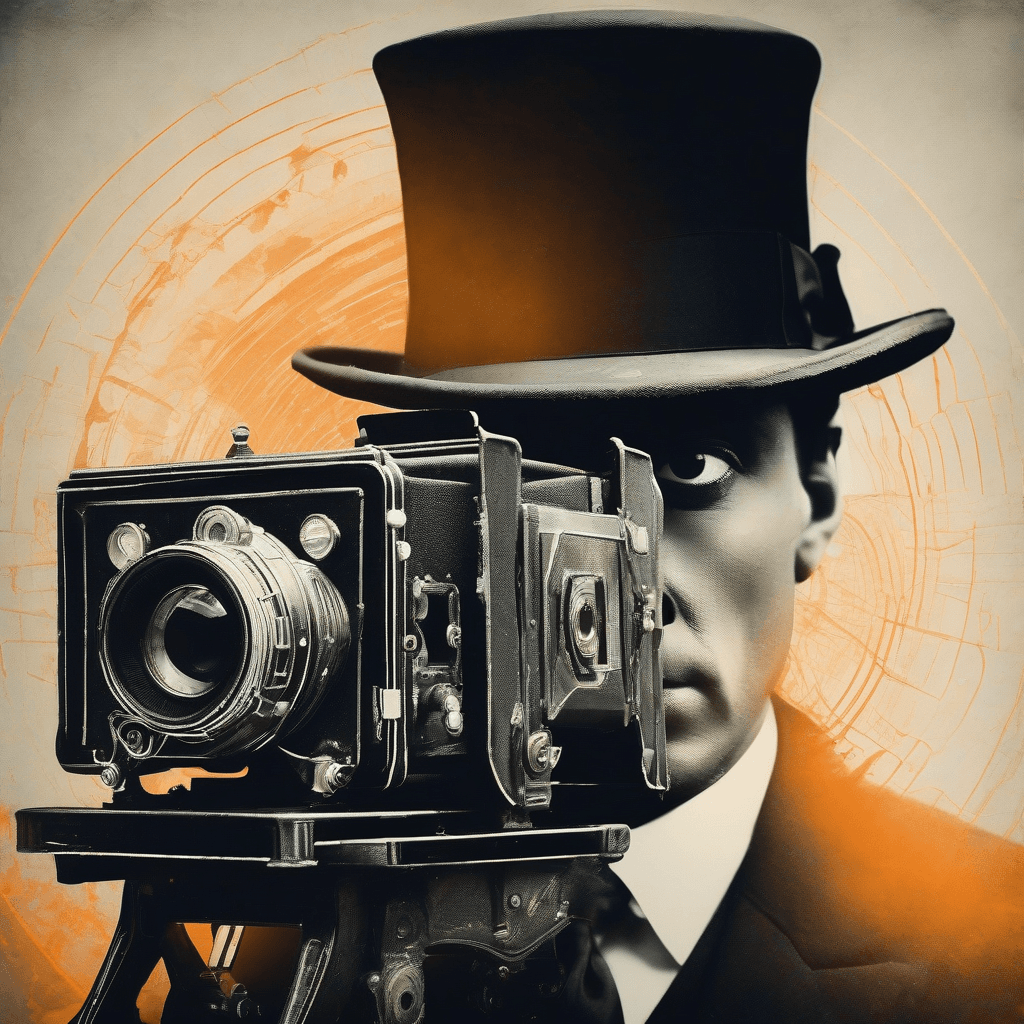
“Explore the hidden history of cult cinema through the forgotten masterpieces of the early 20th century, where madness, rebellion, and social subversion first took root.”
Cult cinema is often discussed as a phenomenon of the late twentieth century—a product of the midnight movie circuit, the VHS boom, and the digital underground. However, the genetic blueprint for what we now celebrate as 'cult' was being drafted over a century ago in the flickering shadows of the silent era. Long before the term was coined, filmmakers were already pushing against the boundaries of social propriety, narrative logic, and visual sanity. The films of the 1910s and 1920s were not merely primitive precursors; they were radical experiments in transgressive storytelling that laid the foundation for every niche obsession that followed.
The Psychological Abyss: Madness as a Narrative Catalyst
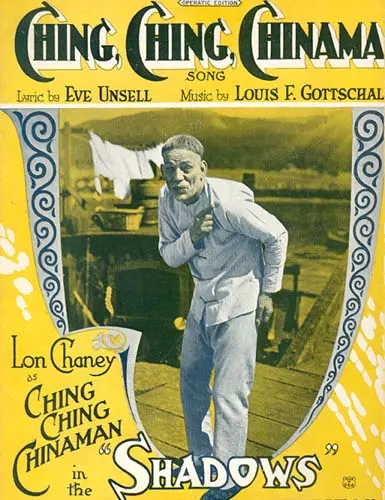
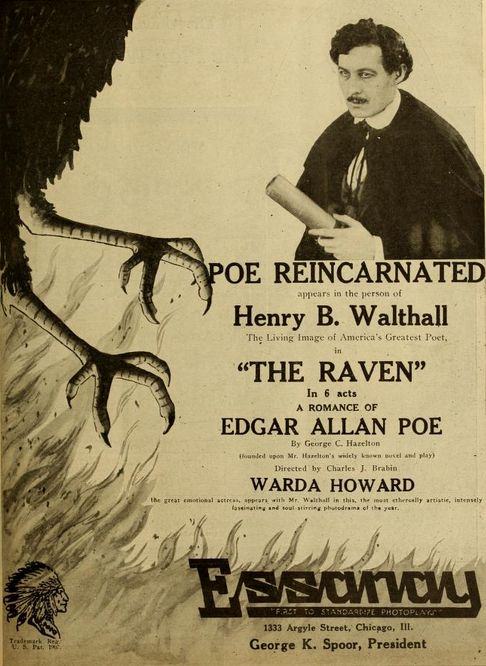
One of the defining characteristics of cult cinema is its fascination with the fractured mind. We see this obsession bloom in early works like 1915’s The Raven. Rather than a straightforward biographical account, this exploration of Edgar Allan Poe’s life descends into a macabre tapestry of debt, disgrace, and poetic haunting. It captures the essence of the 'tortured artist' with a visual intensity that predates the surrealist movements of the 1920s. By centering the narrative on Poe’s internal collapse, the film invites a specific kind of devoted, empathetic viewership—the hallmark of cult fandom.
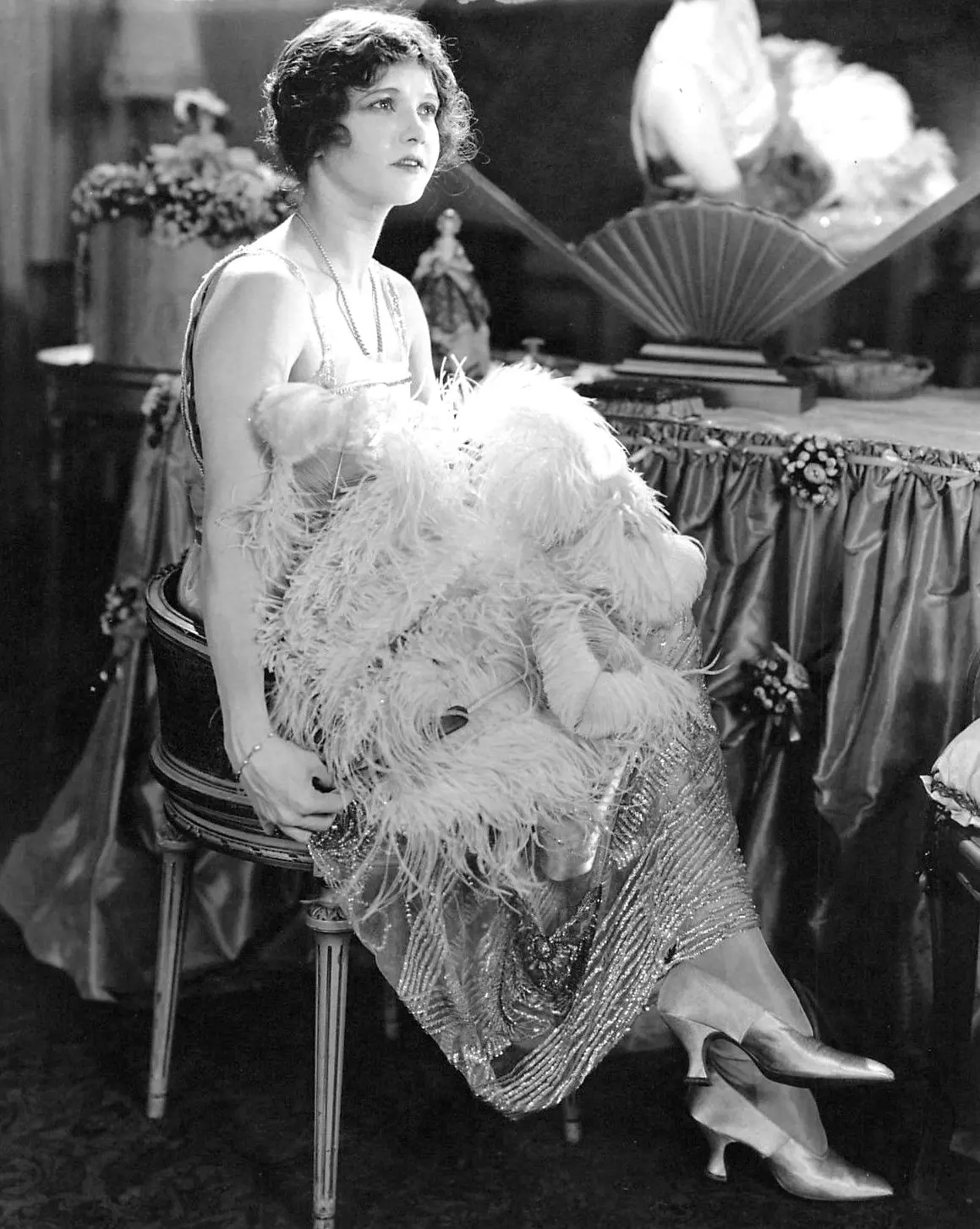
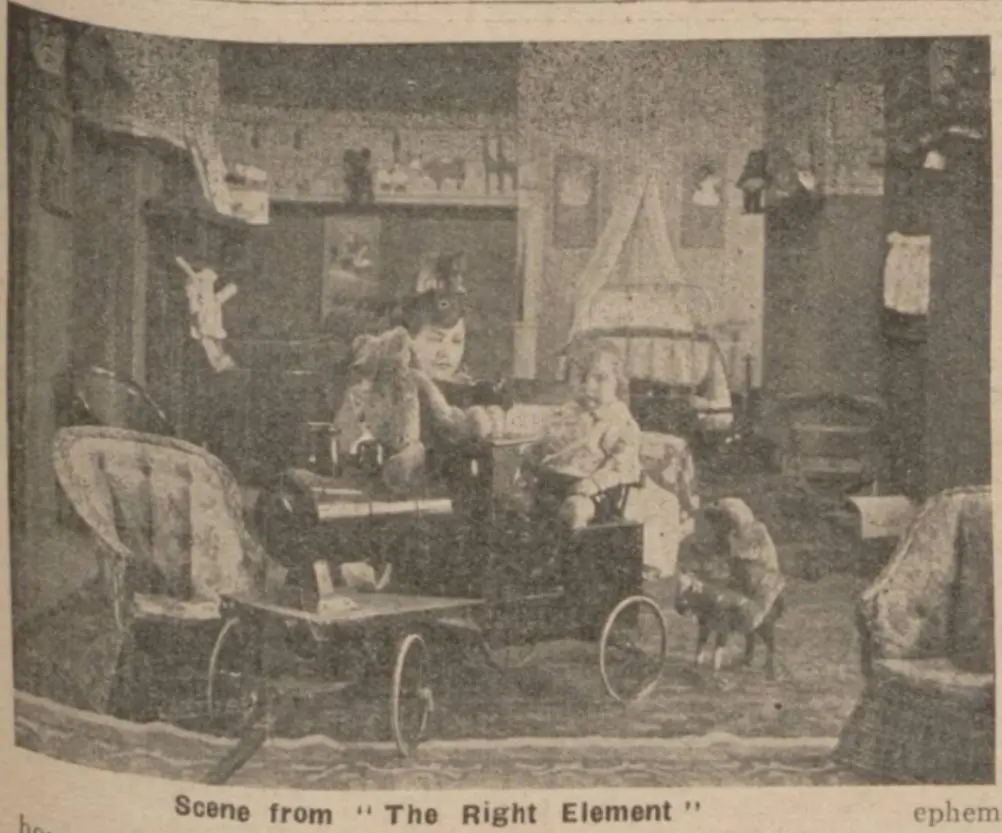
Similarly, The Right Element (1919) utilizes the trope of the 'gambler’s madness' to explore the fragility of reality. The story of a clerk who loses everything only to find it was all a dream might seem like a cliché today, but in its time, it represented a daring foray into the subjective experience. This manipulation of time and perception—the idea that the screen can lie to the audience—is a primal spark of the narrative anarchy that would later define the works of David Lynch or Christopher Nolan. When cinema stops being a window and starts being a mirror of a broken psyche, it enters the realm of the cult.
Social Subversion and the Moral Misfit
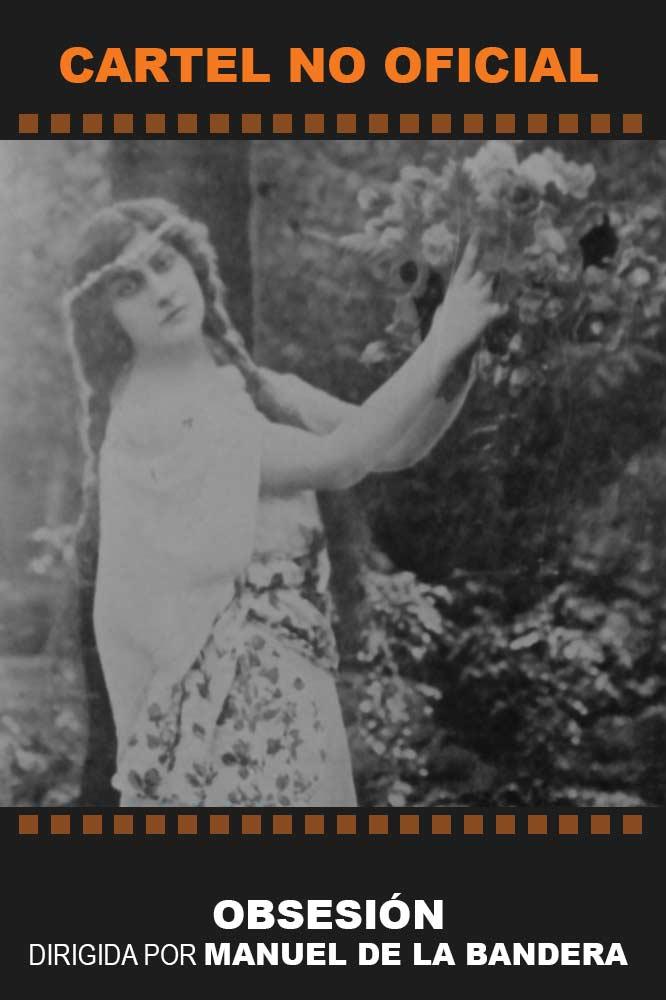
The cult ethos is fundamentally rooted in the perspective of the outsider. Early cinema was rife with characters who defied the rigid social structures of the Victorian and Edwardian eras. In The New Teacher (1922), we see a society girl, Constance Bailey, abandon her privileged life to teach in the Lower East Side. While framed as a romance, the film’s core is a rejection of high-society expectations and a dive into the 'gritty' reality of the urban poor. This movement from the center to the periphery is a journey many cult film protagonists take, seeking truth in the margins.
The Fallen Woman and the Outcast’s Redemption
Melodramas like The Girl Who Didn't Think (1917) and The Blindness of Divorce (1918) tackled themes that were often considered scandalous. The story of Lucille Ryan, a shopgirl betrayed by a playboy, or the tragic misunderstandings that lead to the dissolution of John Langdon’s marriage, provided a space for audiences to engage with moral complexity. These films didn't always offer the easy resolutions of mainstream fare; instead, they lingered on the consequences of social stigma. This focus on the 'marginalized' and the 'stigmatized' is precisely why certain films resonate so deeply with niche communities—they provide a sanctuary for those who feel unseen by the 'proper' world.
The Art of the Masquerade: Identity as Performance
Cult cinema loves a good identity crisis. The concept of the 'mask' or the 'performance' of self is a recurring theme that we can trace back to Young Romance (1915). When two department store clerks pretend to be aristocrats at a resort, only to fall in love with each other’s false personas, the film strikes a chord that resonates through the history of camp and cult. It suggests that identity is fluid, a costume to be worn and discarded. This subversion of class and status through performance is a radical act in a world obsessed with fixed social standing.
Even more striking is Till I Come Back to You (1918), where a U.S. Captain assumes the identity of a German spy. The tension of the 'double life' and the moral ambiguity of wartime deception create a narrative friction that is inherently cult-adjacent. The film doesn't just present a hero; it presents a man inhabiting the space of the 'enemy' to achieve a greater good. This blurring of lines between hero and villain, between self and other, is a hallmark of the transgressive soul of early genre cinema.
Narrative Anarchy: The Surreal and the Absurd
If cult cinema has a holy grail, it is the 'weird'—the moments of pure, unadulterated absurdity that defy explanation. It's a Bird (1930), with its chaotic monkey-induced lock-outs in a bird store, or the Hungarian oddity Harrison és Barrison (1917), represent a strand of cinema that prioritizes the visceral and the strange over the logical. These films are the ancestors of the 'midnight movie' aesthetic, where the experience of watching the film is as much about the 'what did I just see?' factor as it is about the plot.
The Spectacle of the Strange
Consider The Jockey of Death (1916). The title alone suggests a darker, more macabre energy than your standard silent drama. Its plot, involving a girl disappearing into thin air only to have the truth revealed fifteen years later, utilizes the logic of the mystery and the circus to create a sense of unease. It is a 'genre mutant'—part thriller, part circus spectacle, part family drama. This refusal to fit into a single box is what makes a film 'cult.' It exists in the intersections, the cracks between established genres.
The Physicality of Rebellion: Action as Transgression
While we often think of cult films as intellectual or aesthetic, there is a strong tradition of 'action-cult'—films that push the physical limits of the medium. Hell Bent (1918) features a cowboy crossing a desert on foot with only a single waterhole, a grueling survivalist narrative that anticipates the gritty realism of later Westerns. Similarly, They're Off (1919) presents a series of physical challenges—shooting the chutes, revolving floors—that prioritize the visceral thrill of movement over traditional storytelling.
This physicality is also present in Anything Once (1917), where a feud over land leads to a lethal confrontation. These films were the 'grindhouse' of their day, offering audiences a level of intensity and raw emotion that was often absent from more prestigious productions. They were the 'fringe' because they were dangerous, both in their subject matter and in the physical risks taken by the performers. The 'cult' of the action hero begins here, in the dust and the revolving floors of the silent screen.
The Enduring Legacy of the Early Outliers
What do we learn from looking back at films like The Empress (1917) or Jacques of the Silver North (1919)? We learn that the desire to see the 'other,' the 'strange,' and the 'forbidden' is as old as cinema itself. Jacques of the Silver North, with its story of a half-breed trapper’s unrequited love, speaks to the themes of racial and social exclusion that remain central to cult narratives today. The Empress, with its tension between artist and model, explores the power dynamics of the gaze—a topic that would later be dissected by feminist and avant-garde filmmakers.
These films were the original rebels. They were the ones that didn't quite fit, the ones that took risks, and the ones that spoke to the disenfranchised and the curious. Whether it was the experimental dream logic of The Right Element or the social defiance of Kitty Kelly, M.D. (1919), these early works proved that cinema could be more than just entertainment; it could be a site of rebellion. They established the 'cult' not as a genre, but as a spirit—a commitment to the unconventional that continues to flicker in the hearts of cinephiles today.
Conclusion: The Midnight Sun of the Silent Era
As we navigate the vast landscape of modern cinema, it is essential to remember the pioneers of the fringe. The silent era was not just a time of 'learning how to talk'; it was a time of radical discovery. The films we have discussed—from the macabre depths of The Raven to the absurdist heights of It's a Bird—are the true ancestors of the cult movie. They remind us that the flicker of the fringe has always been there, lighting the way for those who dare to look beyond the marquee’s glare. The next time you find yourself at a midnight screening, remember: you are part of a lineage that began over a century ago, in the glorious, transgressive anarchy of the original genre rebels.
Community
Comments
Log in to comment.
Loading comments…