
Deep Dive
The Flickering Mutiny: Unearthing the Radical DNA and Subversive Spirit of Early Cinema's Original Misfits
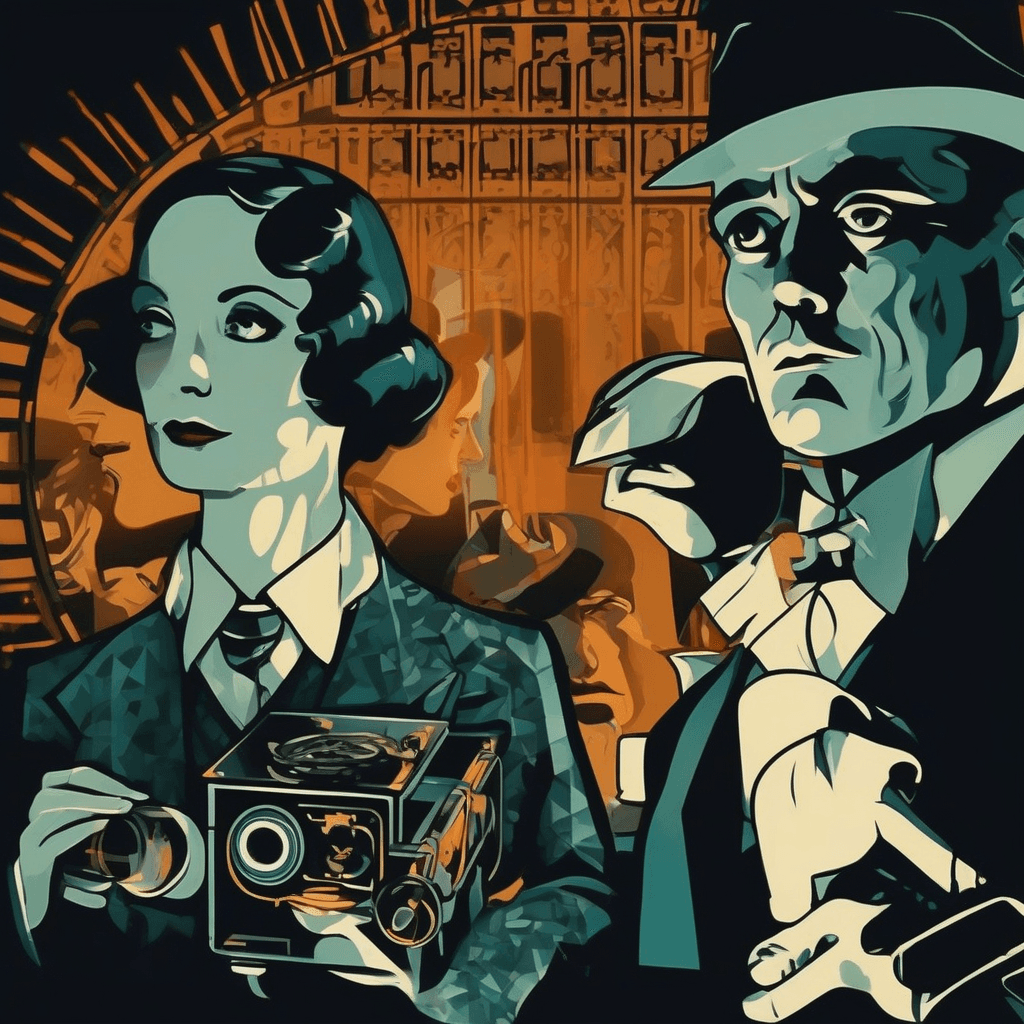
“A deep dive into how the silent era's moral outcasts and narrative rebels laid the foundation for modern cult cinema's transgressive identity.”
The history of cinema is often told through the lens of the victors—the blockbusters, the technical marvels, and the sanitized classics that define the mainstream. Yet, beneath the surface of the silver screen lies a darker, more volatile current: the world of cult cinema. This is not a genre defined by its budget or its box office, but by its radical spirit, its transgressive DNA, and its ability to foster a sense of niche devotion that transcends time. To understand the modern obsession with the weird, the wild, and the misunderstood, we must look back to the very dawn of the medium, to the era of the Flickering Mutiny, where the first seeds of cinematic rebellion were planted by a collection of moral outcasts and narrative rebels.
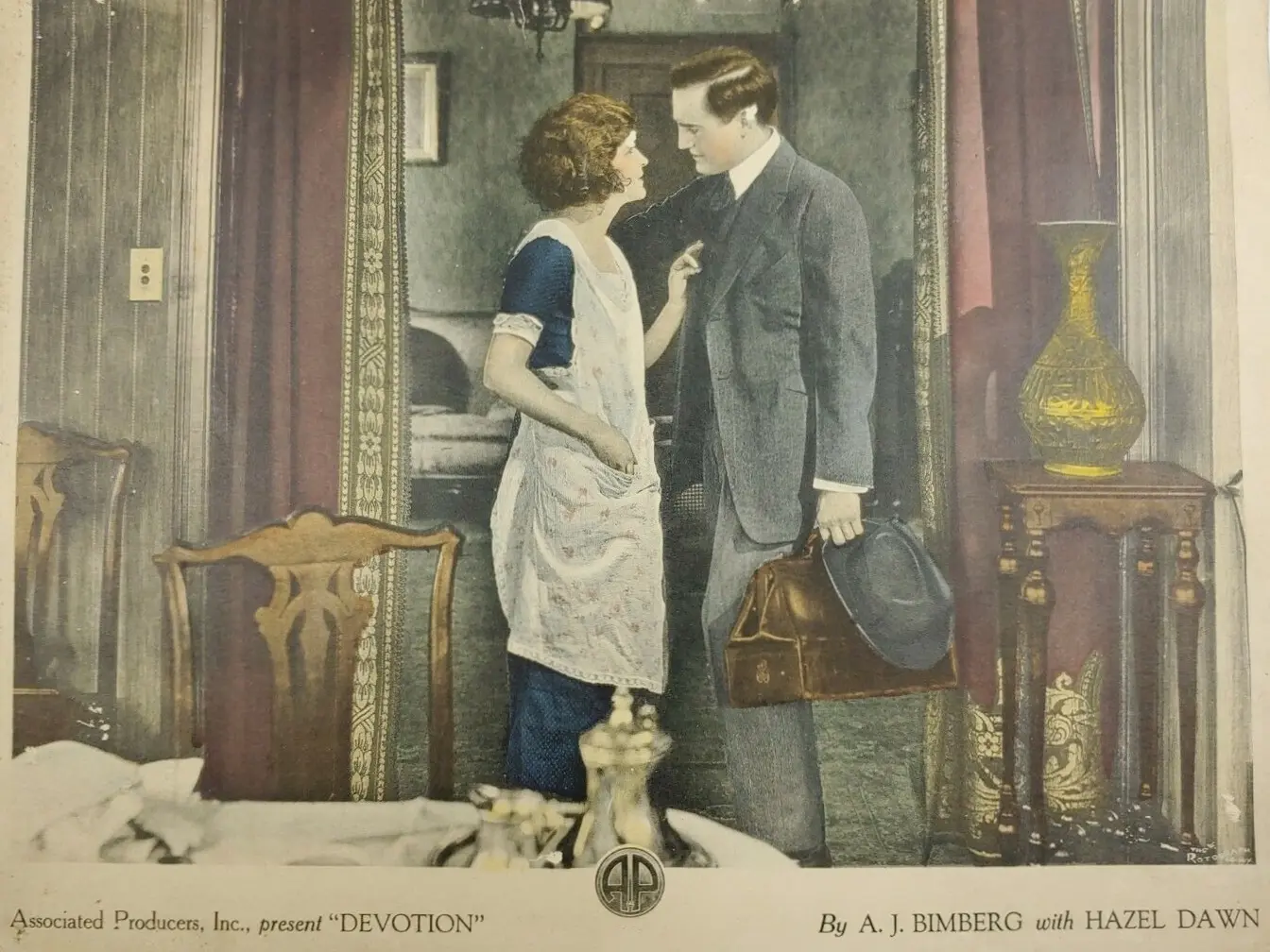
The Genesis of the Cinematic Rebel
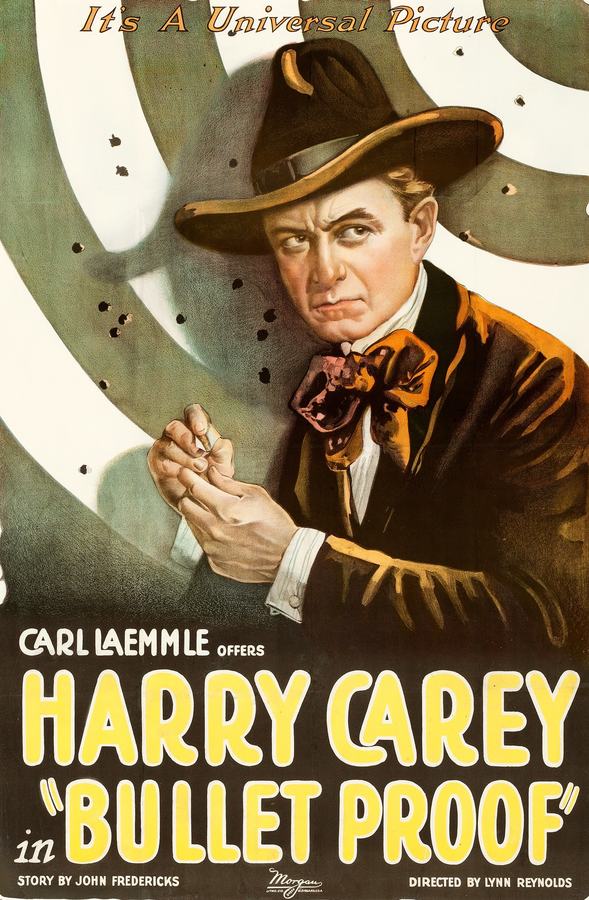
In the second decade of the 20th century, the film industry was still finding its feet, yet even then, the archetypes of the cult hero were beginning to emerge. These were characters who existed on the fringes of society, driven by passions that the polite world found suspicious. Consider the 1920 western Bullet Proof, where Pierre Winton’s quest for vengeance against the bandit McGuirk creates a narrative of primal justice that resonates with the lawless energy of later cult classics. This isn't just a story of revenge; it is a story of an individual operating outside the traditional structures of the state, a theme that would become a cornerstone of the midnight movie ethos.
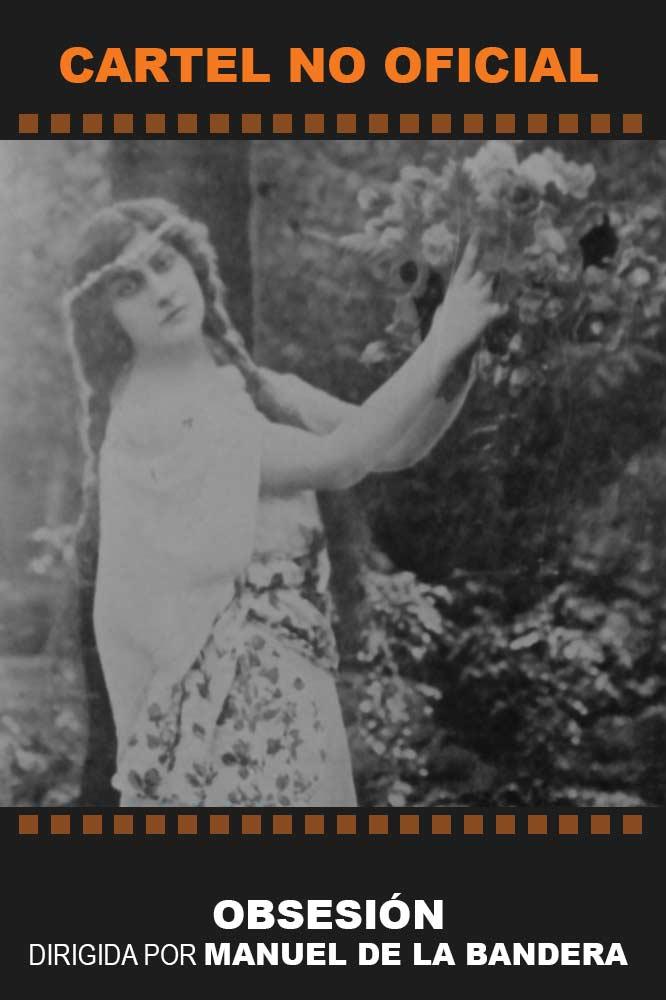
Similarly, the 1915 film The Disciple introduces us to Jim Houston, the "Shootin' Iron" Parson. Here, we see the merging of the sacred and the profane, a subversive rhythm that challenges the audience's perception of morality. Houston is a man of God who speaks through the barrel of a gun, a prototype for the conflicted anti-heroes of the 1970s. This early exploration of the moral outlier—the man who breaks the rules to enforce a higher truth—is where the genetic rebellion of cult cinema truly begins. These films didn't just entertain; they interrogated the social fabric of their time, often through the lens of the disenfranchised.
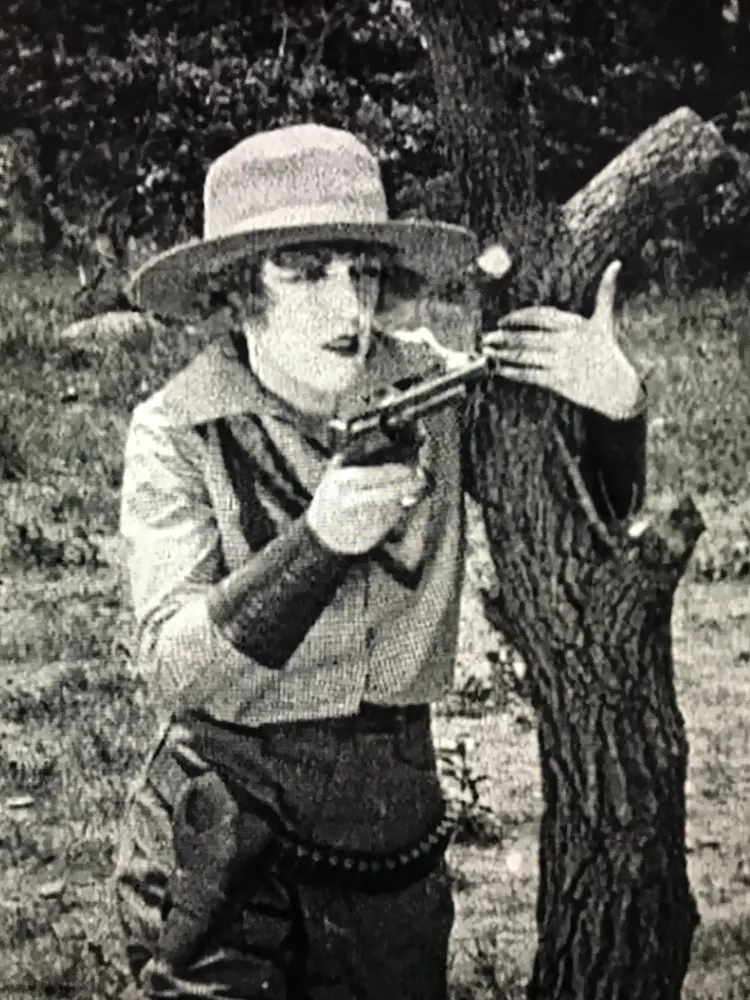
Narrative Mutants and the Birth of Genre Defiance
Cult cinema is often celebrated for its refusal to adhere to standard narrative structures. This narrative anarchy can be traced back to experimental works like Dziga Vertov’s Kino-pravda no. 2. By documenting Russian life through a series of newsreels that prioritized visual truth over staged drama, Vertov and his collaborators were engaging in a form of cinematic heresy. They were dismantling the artifice of the studio system before it had even fully solidified. This avant-garde approach to the moving image paved the way for the non-linear, hallucinatory experiences that modern cult audiences crave.
Then there is Abel Gance’s 1919 masterpiece J'accuse!. While ostensibly a war drama, its use of the supernatural—the literal rising of the dead to confront the living—pushes it into the realm of the transgressive. It is a film that uses the horror aesthetic to deliver a scathing social critique, a technique used by everyone from George A. Romero to David Cronenberg. By blending genres and forcing the audience to confront the primal weirdness of the human condition, Gance created a spectral syllabus for future filmmakers who wished to use the screen as a site of protest and provocation.

The Aesthetics of the Strange: From Woodland Nymphs to Strongmen
The visual language of cult cinema has always been one of excess and eccentricity. In the 1914 film The Salamander, we encounter Dore Baxter, a "woodland nymph" who feels the irresistible call of the city. This juxtaposition of the primordial nature and the industrial grit of the metropolis creates a visual dissonance that is inherently cult. It speaks to the liminal spaces inhabited by those who don't quite fit in, a sentiment echoed in the 1918 film Maid o' the Storm, where a girl named Ariel dances on the beach, dreaming of a world beyond her Scottish fishing village. These characters are cinematic anomalies, figures of unconventional beauty who captivate the viewer through their sheer otherness.
On the other end of the spectrum, we have the physical spectacle of Sansone e la ladra di atleti. This early iteration of the strongman film—the peplum—prefigures the body-horror and hyper-masculinity that would later dominate niche genre markets. The focus on the spectacle of the body, divorced from traditional dramatic stakes, is a hallmark of the cult aesthetic. It prioritizes the visceral experience over the intellectual one, creating a communal catharsis for audiences who gather to witness the impossible.
Social Subversion and the Moral Misfit
Many early films that we now recognize as having cult DNA were deeply concerned with the subversion of social norms. Take Bunty Pulls the Strings (1921), a comedy that, on the surface, seems like a simple village tale. However, the character of Bunty, who subtly manipulates the men in her life through "diplomatic tactics," is a rebel soul in a corset. She represents a narrative mutant—a female character who refuses to be a passive observer of her own life. This silent rebellion against patriarchal structures is a recurring theme in the underground archive of early film.
Similarly, the 1920 film The Good for Nothing features Jack Burkshaw, a "ne'er-do-well" who finds himself out of place among his wealthy relatives. Jack is the quintessential cult protagonist: the man who rejects the comforts of the mainstream in favor of a life that is messy, authentic, and entirely his own. This maverick spirit is what draws fans to films that the general public might dismiss as genre outcasts. We see ourselves in the misfit gems like Pasquale, the story of an Italian immigrant grocery store owner, whose daily struggles and small victories provide a primal pulse of reality in a medium often obsessed with fantasy.
The Legacy of the Forgotten: How Obscurity Forges Fandom
One of the most fascinating aspects of cult cinema is how obscurity itself can become a catalyst for devotion. Films like A Celebrated Case or The Lady of the Photograph might have been lost to the sands of time if not for the midnight archeologists who seek out the forgotten reels. When a film is "lost" or "rediscovered," it gains a spectral allure. It becomes a celluloid sacrament for those who want to experience something that the mainstream has discarded. The 1913 Austrian feature Der Millionenonkel or the 1920 comedy Nothing But the Truth (where a man wagers he can tell only the truth) represent the unconventional rhythms of a bygone era that still have the power to fascinate.
This alchemical transformation from a commercial product to a sacred anomaly is what defines the cult movie soul. Whether it is the political radicalism of 1926's Mat, where a mother joins the revolutionary struggle, or the absurdist comedy of A Baby Doll Bandit, these films offer a forbidden lexicon of human experience. They remind us that the screen has always been a place for transgressive soul-searching and narrative mutiny.
The Enduring Power of the Unconventional
As we look back at the first century of cinema, it becomes clear that the cult mindset was not a late-twentieth-century invention. It was there in the silent era's genre mutants, in the moral outlaws of the 1910s, and in the visual rebels who refused to play by the rules. The Flickering Mutiny of early cinema provided the genetic rebellion that would eventually blossom into the midnight movie phenomenon. Films like The Woman He Married or Other Women's Clothes explored themes of class, identity, and performance that continue to resonate in the niche communities of today.
Ultimately, cult cinema is about finding home in the fringe. It is about the unseen ritual of gathering in the dark to watch something that speaks to our own maverick hearts. From the primal silhouetttes of the silent era to the neon subversions of the modern day, the rebel DNA of the moving image remains unchanged. We worship at the altar of the abnormal because it is there, in the shadows of the frame, that we find the most authentic truths about ourselves. The Flickering Mutiny continues, one forgotten masterpiece at a time.
Community
Comments
Log in to comment.
Loading comments…