
DbcultAccessing Vault...
Deep Dive
Archivist John
Senior Editor
The history of cult cinema is often told through the lens of the 1970s—a decade of midnight movies, glitter-rock musicals, and transgressive body horror. However, the true DNA of the cinematic outlier was forged much earlier, in the flickering nitrate shadows of the early 20th century. Long before the term "cult film" was coined, a series of narratives emerged that dared to challenge the moral, social, and political status quo. These films, often relegated to the fringes of the industry, provided the foundational spark for what we now recognize as the maverick spirit of the underground screen.
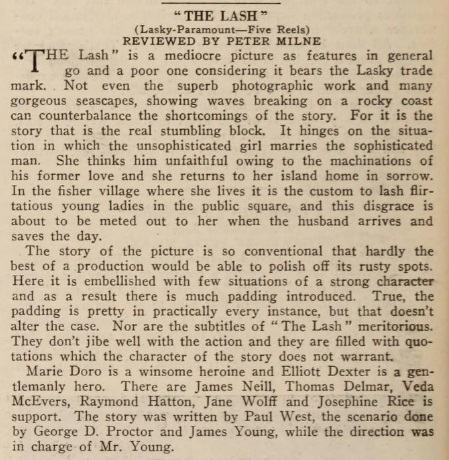
At the heart of many cult narratives lies a fascination with the extreme. In the early era, this often manifested as an exploration of religious fanaticism and the crushing weight of dogmatic law. Consider the thematic resonance of Under the Lash, where the character of Simeon Krillet embodies the Boer farmer as a religious extremist. This portrayal of a domestic tyrant, using faith as a cudgel, set a precedent for the "religious horror" and social critiques that would later define cult classics. The tension between the fanatic and the individual seeking liberation—seen in the illicit love between Deborah and Robert—mirrors the core of cult devotion: the desire to break free from the "lash" of mainstream expectation.
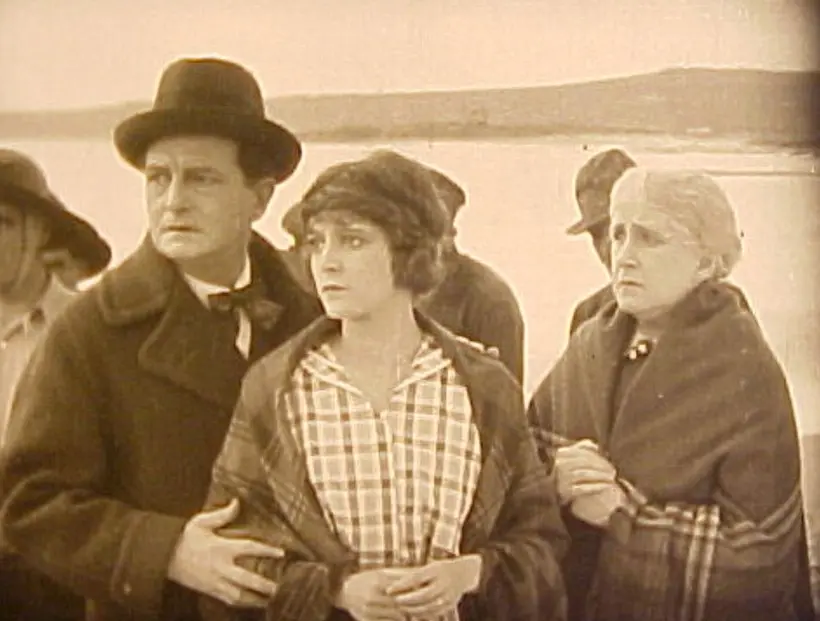
This exploration of moral rigidity continued in works like The Mayor of Filbert. Here, the corruption of a saloonkeeper-turned-mayor serves as a scathing indictment of the hypocrisy inherent in local politics. By focusing on the "crook and the grafter" rather than the idealized hero, early filmmakers were already experimenting with the anti-hero archetype. Cult cinema thrives on these flawed, often reprehensible figures who force the audience to confront the darker aspects of the human condition. The transition from a simple morality play to a nuanced study of corruption is where the cult aesthetic begins to take root.
If cult cinema is defined by its rebellion against the established order, then the early century’s fascination with class struggle is its primary source of energy. Films like Revolutionens datter (Daughter of the Revolution) and Brothers Divided took the brewing labor unrest of the era and projected it onto the silver screen. In Revolutionens datter, the clash between the shipyard worker Albert and the director’s daughter Claire isn't just a romance; it is a microcosm of a world on the brink of collapse. This narrative of the "spokesman for the workers" challenging the elite is a direct ancestor to the counter-cultural movements that would adopt specific films as manifestos in the decades to follow.
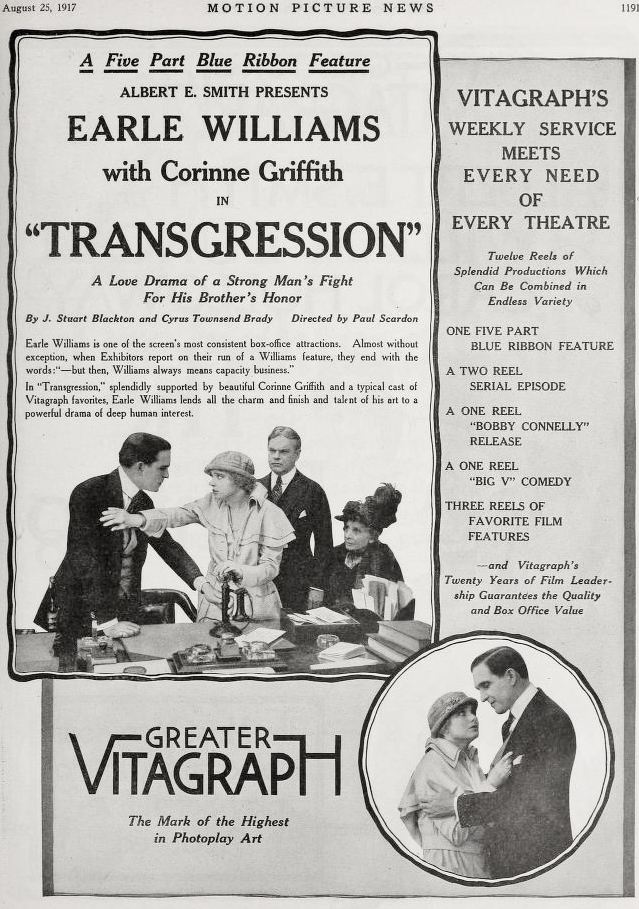
Similarly, Brothers Divided offers a stark look at the dichotomy between the convict and the mill owner. The idea of a "hated mill owner" in a depressed town reflects the socio-political grit that cult audiences crave. These films did not offer easy answers; they presented a world of systemic injustice where the only hope lay in radical action or courageous sacrifice. This "us versus them" mentality is the bedrock of the cult community, where fans see themselves as the "brothers divided" from a mainstream that refuses to acknowledge their reality.
The cult film has always been a sanctuary for the criminal, the misfit, and the outlaw. Early shorts like The Jail Bird, featuring Snub’s lifelong commitment to crime starting from infancy, utilized comedy to subvert the seriousness of the penal system. By making the criminal the protagonist, these films began to erode the traditional boundaries of "good" and "evil." This subversion is even more pronounced in Angel of Crooked Street, where the unjustly accused Jennie Marsh must navigate a world of crime and deception. The "Crooked Street" is more than a location; it is a state of being for the cult protagonist—always on the outside, always fighting against a system that has already decided their guilt.
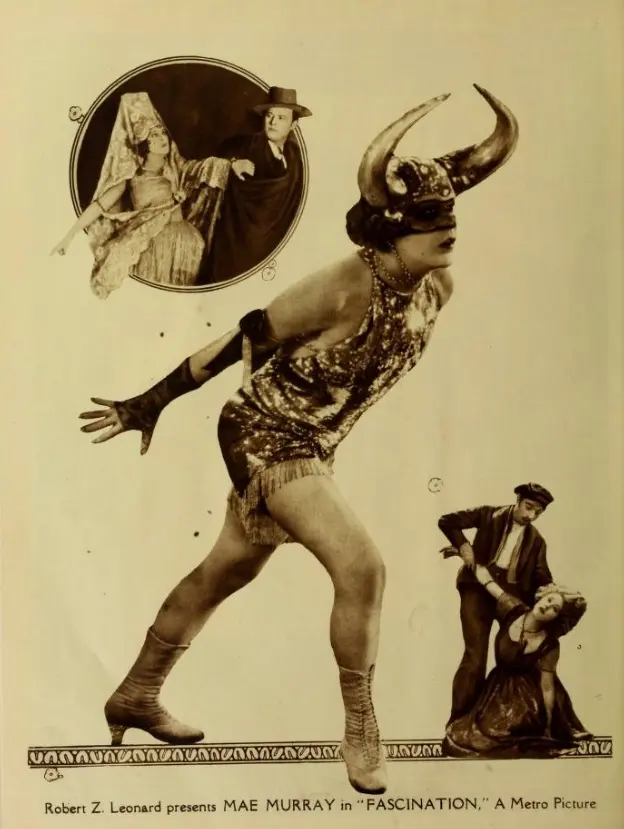
In the realm of action and adventure, The Silent Avenger and The Law's Outlaw further solidified the archetype of the lone wolf. When Charles Easton returns to find his property in shambles and his social standing erased, he must operate outside the law to find justice. This narrative of displacement is central to the cult experience. The cult viewer often identifies with the character who has lost everything and must rebuild a sense of self through unconventional, often violent, means. The transgressive power of the outlaw is a recurring motif that links the silent era to the modern midnight movie.
Cult cinema is also a haven for the romantic outlier—those whose hearts beat for the "wrong" person or in the "wrong" way. The Passionate Friends, with its tragic tale of an armament king's wife and her MP lover, explores the high cost of defying social conventions. The ultimate sacrifice—suicide to avoid scandal—is a heavy, gothic theme that resonates with the melodramatic intensity often found in cult followings. It is the "all or nothing" nature of these stories that captures the imagination, offering a level of emotional stakes that mainstream cinema often avoids for the sake of mass appeal.
We see a different kind of romantic rebellion in The Unwritten Code. The love between Kiku-San and Dick Tower, set against the backdrop of gambling and the threat of the geisha house, highlights the clash of cultures and the rigid codes of conduct that govern human lives. Cult films frequently focus on these "unwritten codes," the secret rules of the underground that the rest of society either ignores or fears. Whether it is the sacrifice of The White Sister, who chooses the convent over her lost lover, or the romantic idealism of How Could You, Caroline?, these films validate the intensity of the individual’s emotional world over the requirements of the collective.
The early experiments in genre-blending also paved the way for the cult aesthetic. Black Roses, with its architect-turned-gardener and a gang of murderers including "Monocle" Harry, is a proto-noir that revels in the shadows and the macabre. The inclusion of a Japanese architect in a Western criminal setting hints at the globalized, eclectic influences that define modern cult cinema. Similarly, the strange, lonely world of The Fable of Henry's Busted Romance—an animated tale of a cat seeking love at the opera—shows that the "weird" has always had a place on the screen. The anthropomorphic melancholy of Henry the cat is a precursor to the surrealism that would later become a hallmark of cult directors like David Lynch or Jan Svankmajer.
Even the seemingly straightforward The Passion Play, depicting the trial and treason of Jesus, carries a weight of ritualistic devotion. Cult cinema is, at its core, a form of secular ritual. The repeated viewings, the memorization of dialogue, and the collective experience of the audience all mirror the structure of religious observance. By bringing these primal stories to the screen, early filmmakers were tap-dancing on the edge of the sacred and the profane, a space that cult cinema has occupied ever since.
Why do we still look back at films like Llamas de rebelión or The Awakening of Ruth? Because they represent the raw, unpolished beginnings of a cinematic language that refuses to be tamed. The character of Ruth Hoagland, growing up on a remote island with a treasure-hunting father, is the quintessential cult protagonist: isolated, eccentric, and living in a reality that the modern world has forgotten. When we watch these films, we are not just looking at history; we are looking at the blueprints of rebellion.
The enduring allure of cult cinema lies in its ability to find the extraordinary in the rejected. An Honest Man gives us Benny Boggs, the hobo who finds dignity in work; Bjørnetæmmeren gives us the bear tamer and the circus dancer, figures of the traveling fringe. These are the characters that the mainstream eventually leaves behind, but that the cult audience adopts and protects. The cinematic underground is a sanctuary for these stories, ensuring that the "flicker's heresy" is never truly extinguished.
In conclusion, the journey from the silent subversive to the modern cult icon is a continuous line of defiance. By exploring the transgressive DNA of the early 20th century, we gain a deeper understanding of why we are still drawn to the strange, the broken, and the beautiful outliers of the screen. The "forbidden frame" was never really about what was being shown, but about the spirit of the person behind the camera—and the person in the audience—who dared to look at the world differently. As long as there are stories like Under the Yoke or The Conspiracy to remind us that justice is often a fiction and rebellion is often a necessity, the heart of cult cinema will continue to beat with a maverick rhythm that no mainstream marquee can ever contain.