
Cult Cinema
The Fringe's Enduring Flame: How Overlooked Visions Ignite Lifelong Fandoms

“Dive deep into the compelling world of cult cinema, exploring how films initially dismissed or misunderstood carve out an indelible niche in cinematic history, forging passionate communities and enduring legacies that defy the mainstream.”
In the vast, ever-expanding universe of film, there exists a peculiar constellation known as cult cinema. These aren't merely popular films; they are cinematic anomalies, often born from obscurity, critical dismissal, or outright controversy, only to be resurrected by a devoted, almost evangelical fandom. Cult films are not just watched; they are experienced, ritualized, and woven into the very fabric of their devotees' identities. They defy easy categorization, shatter conventional narratives, and often possess an idiosyncratic charm that mainstream audiences initially overlook or reject. But what precisely is the enduring allure of these cinematic outcasts, and how do they transcend their initial reception to achieve a form of immortality?

The Genesis of the Cult Phenomenon: Beyond the Marquee
The journey of a film from mere celluloid to cult legend is rarely straightforward. Many cult classics begin their lives as commercial failures, critical pariahs, or simply films that struggled to find an audience. Yet, within their unconventional frames often lies a subversive spirit, a willingness to challenge societal norms, aesthetic conventions, or narrative expectations that resonates deeply with a specific, often marginalized, audience. This early rejection, paradoxically, becomes a badge of honor, distinguishing them from the palatable fare of Hollywood.
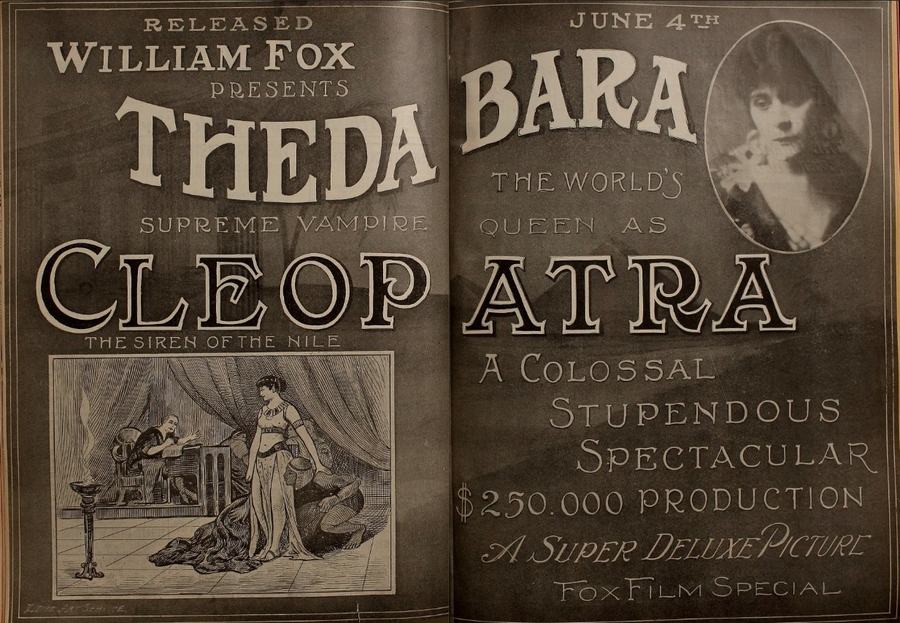
Consider the early days of cinema, where the very medium was an experiment. Films like Marc'Antonio e Cleopatra or The Last Days of Pompeii, while perhaps grand spectacles of their time, might be re-evaluated through a modern cult lens for their unique historical interpretations, pioneering special effects, or sheer melodramatic intensity. These films, far removed from our contemporary understanding of blockbuster cinema, offer a window into an era where storytelling was raw and often unrefined, possessing an accidental charm that appeals to cinephiles seeking something different.
Aesthetic Anarchy and Narrative Rebellion
At the heart of many cult films lies a distinctive aesthetic or a radically unconventional narrative structure. They often embrace the grotesque, the surreal, the absurd, or the morally ambiguous with an unapologetic fervor. Films that dare to stray from established paths, whether through their visual style, thematic content, or character portrayals, often find their true home in the cult canon.

Take, for instance, the dramatic intensity implied in titles like The Death Dance or The Forbidden Thing. These titles suggest narratives steeped in passion, transgression, and the breaking of social taboos. A film exploring infidelity or forbidden desires, like the premise of The Death Dance where a husband discovers his wife's affair, inherently pushes boundaries. Similarly, a film about a 'puritanical' character falling under 'corrupting influence' in The Forbidden Thing highlights moral ambiguity, a fertile ground for cult appreciation. Such explorations of the human psyche's darker corners or its capacity for extreme emotion often find a receptive audience among those tired of sanitized storytelling.

Even early comedies, like Naughty Nurses or Don't Call Me Little Girl, might have contained subversive elements for their time, challenging gender roles or conventional morality with a comedic twist. The sheer audacity of a title like Naughty Nurses suggests a playful, perhaps even exploitative, approach to genre that prefigures later cult phenomena.

The Power of the Periphery: Finding a Voice Outside the Mainstream
Cult cinema thrives on the fringes, offering a sanctuary for stories and styles that don't fit neatly into mainstream boxes. This includes narratives that explore themes of outsiders, rebellion, and identity, often resonating with viewers who themselves feel like outsiders. The characters in cult films are frequently anti-heroes, misfits, or individuals challenging oppressive systems.

Films like The Vigilantes or One Shot Ross, with their themes of frontier justice and individuals operating outside established law, tap into a primal desire for autonomy and defiance. These narratives, even in their early forms, speak to a yearning for justice delivered by unconventional means, a common thread in many beloved cult films. The concept of a 'bonded wife' in His Bonded Wife or a 'traitress' in The Traitress could represent characters trapped by circumstance or defying expectations, themes that resonate with audiences looking for narratives that challenge conformity.
The allure is not just in the content but also in the feeling of discovery. To unearth a forgotten gem, a film like The Precious Parcel or The Sealed Envelope, which might have had limited distribution or faded into obscurity, feels like finding a secret treasure. This act of rediscovery is a crucial component of cult status, transforming an overlooked work into a shared secret among devotees.
Community and Ritual: The Midnight Movie Phenomenon
Perhaps the most defining characteristic of cult cinema is the communal experience it fosters. Long before the internet connected disparate fans, the 'midnight movie' circuit of the 1970s and 80s provided physical spaces for like-minded individuals to gather, celebrate, and actively participate in their favorite films. These late-night screenings became sacred rituals, transforming passive viewing into an interactive spectacle.

Audiences would dress up, recite dialogue, throw props, and create an atmosphere of collective devotion that transcended the film itself. This shared experience solidified bonds and deepened the films' meaning. While the traditional midnight movie circuit has evolved, the spirit of communal engagement persists in online forums, fan conventions, and themed screenings, ensuring that the flame of cult appreciation continues to burn brightly.
Even older films, like the dramatic narratives of Salvage or Extravagance, might inspire contemporary discussions about their portrayal of social issues, moral decay, or class struggles. A film like Salvage, depicting a wealthy woman leaving her husband to live in a tenement, or Extravagance, showing a marriage spiraling due to materialism, could be seen as biting social commentary that resonates with modern audiences seeking critiques of consumerism or social inequality.
The Alchemy of Reappraisal: From Flop to Fabled
Many cult films, initially panned or ignored, undergo a remarkable alchemy of reappraisal. What critics once deemed flaws—over-the-top performances, convoluted plots, jarring tonal shifts, or low production values—are later celebrated as unique artistic choices, accidental genius, or charming quirks. The passage of time often allows for a fresh perspective, revealing layers of meaning or unintentional brilliance that were obscured during the film's initial release.
Consider films that delve into morally ambiguous territory or feature characters on the fringes of society. The Sign on the Door, where an innocent woman is caught in a raid and photographed, could be re-examined for its commentary on reputation, privacy, and the perils of urban life. Similarly, The Ghost Flower, with its tale of a Neapolitan girl, a gangster, and a musician lover, suggests a narrative rich in passion, crime, and perhaps a fatalistic romance, elements that are ripe for cult interpretation. The raw, unfiltered emotion often present in these early melodramas strikes a chord with audiences seeking authenticity over polished perfection.
Even seemingly straightforward genre pieces, such as A Manhattan Knight (Action, Adventure, Mystery, Crime) or The Craving (an Indian scholar seeking an explosive formula), can achieve cult status if they possess an unexpected twist, a memorable performance, or a particular atmosphere that sets them apart. The journey of transformation from cinematic pariah to beloved classic is a testament to the power of enduring vision and devoted viewership.
The Enduring Appeal in a Digital Age
In the age of streaming and digital access, the definition and experience of cult cinema continue to evolve. While the physical midnight screening might be less prevalent, the global reach of the internet has democratized discovery, allowing obscure films from any era or corner of the world to find their niche audience. This has led to a proliferation of new cult objects, as well as the re-evaluation of countless forgotten cinematic treasures.
Films like The Man Trail, Crimson Shoals, or Bare-Fisted Gallagher, rooted in specific historical or regional contexts, can now reach a worldwide audience eager for diverse storytelling. The detailed character studies in Little Miss Smiles or Jewel, exploring themes of resilience and social standing, can find new resonance with contemporary viewers. The accessibility of these films ensures that the unconventional narratives and unique aesthetics that define cult cinema will continue to inspire discussion, analysis, and fervent devotion.
The inherent weirdness of High Life (a short comedy where a character gets entangled in a hoisting girder) or the dark intrigue of Trapped by the London Sharks (cardsharpers gassing a drunkard for a bank raid) showcases the vast spectrum of early cinema that could, and often did, contain the seeds of cult appeal. These films, often products of their time's limitations and experimental spirit, now stand as fascinating artifacts that challenge modern cinematic sensibilities.
The Legacy of the Unconventional
Cult cinema is more than just a collection of films; it's a testament to the diversity of human taste, the power of collective passion, and the enduring nature of art that dares to be different. It reminds us that cinematic value isn't solely determined by box office receipts or critical consensus, but by the profound and often idiosyncratic connection films forge with their audience.
From the silent era's melodramas and historical epics to the exploitation flicks and art-house oddities of later decades, cult films offer an alternative canon, a shadow pantheon where the overlooked become revered and the unconventional reigns supreme. They celebrate the weird, the wild, and the wonderful, inviting us to look beyond the obvious and embrace the cinematic experiences that truly speak to our individual and collective souls. As long as there are films that defy definition and audiences hungry for something extraordinary, the fringe will continue to burn with an enduring flame, igniting new fandoms and cementing the legacies of overlooked visions for generations to come.
Whether it's the intricate drama of Her Strange Wedding, the romantic entanglements of April Folly, or the adventurous spirit of The Pioneers, each film, regardless of its initial impact, holds the potential for rediscovery and re-contextualization within the cult landscape. Even documentaries like Thru the Roosevelt Country with Colonel Roosevelt or Den doode steden aan de Zuiderzee, while not typically considered 'cult,' can acquire a niche following for their historical significance, unique subject matter, or accidental artistry, appealing to specialized audiences who find profound meaning in their unconventional offerings. This elasticity of definition is what makes cult cinema such a vibrant and fascinating field of study and devotion.
Community
Comments
Log in to comment.
Loading comments…