
Cult Cinema
From Fringe to Phenomenon: The Unconventional Odyssey of Cult Cinema's Enduring Appeal

“Cult cinema thrives on the fringes, captivating audiences with its unconventional narratives and defiant spirit. This article delves into the transformative journey of films that defy mainstream appeal, exploring how they forge indelible connections and lasting legacies within devoted communities.”
In the vast, ever-expanding universe of cinema, some films are born to shine brightly, embraced by critics and audiences alike, destined for immediate box office glory and critical acclaim. Then there are others, the cinematic outliers, the misunderstood marvels, the peculiar pariahs that initially falter, only to discover a fervent, undying devotion among a select few. These are the films that constitute the vibrant, often strange, and utterly captivating world of cult cinema. More than just movies, they are cultural touchstones, secret handshakes, and rallying cries for communities built on shared, unconventional taste. Their journey from obscurity, critical dismissal, or outright failure to iconic status is a testament to the power of unique storytelling and the profound human need for belonging.
What precisely defines a cult film? It’s a question that sparks endless debate among cinephiles. It’s not merely about box office performance or critical reception, though often, initial commercial and critical failure is a prerequisite. Instead, cult status is forged in the crucible of audience devotion. These are films that resonate deeply with a specific demographic, often speaking to a counter-cultural sensibility, an alienated worldview, or a desire for something profoundly different from the sanitized offerings of mainstream Hollywood. They demand repeat viewings, inspire fanatical discussions, and often become integral to the identities of their devoted disciples.

The Genesis of the Unorthodox: Early Cinema's Maverick Sparks
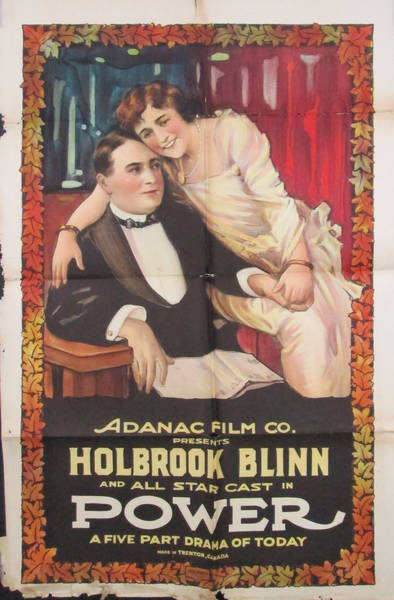
While the term "cult film" gained prominence with the midnight movie phenomenon of the 1970s, the seeds of this cinematic rebellion were sown much earlier. Even in the nascent years of cinema, amidst the melodramas and slapstick comedies, there were films that, by virtue of their subject matter, narrative choices, or sheer peculiarity, diverged from the expected. Consider the early 20th century, a period often overlooked in discussions of cult cinema, yet ripe with examples of films that, in their time, might have been considered daring, shocking, or simply unconventional.
Films like Forbidden Fruit (1921), with its narrative of a woman forced into escort work due to her husband's profligacy, or The Woman on the Index (1919), featuring a protagonist marrying a crook, tackled themes of societal transgression and moral ambiguity that pushed against the conservative norms of the era. These were narratives that, while perhaps intended for mass consumption, likely resonated with audiences seeking stories that mirrored the grittier realities or darker fantasies of life. Similarly, The Devil's Trail (1919), a tale of a whiskey smuggler and revenge, offered a raw, untamed vision that stood apart from more genteel cinematic fare. Such films, even if not explicitly "cult" in their contemporary reception, demonstrated a willingness to explore challenging themes, laying a foundational groundwork for future generations of subversive storytelling.

Beyond overt transgression, some early films showcased an inherent narrative oddity or genre-bending innovation that would later become hallmarks of cult status. Imagine the surprise of audiences encountering Fresh Fish (1921), a short that playfully blends animation with live-action, creating a surreal interaction between worlds. This kind of experimental spirit, a willingness to break conventional cinematic rules, is a direct ancestor to the stylistic and narrative daring found in later cult classics. Or take Even As You and I (1917), a fantastical drama about a sculptor whose qualities of honor and love are challenged by the Devil's imps. Such allegorical and imaginative narratives, while possibly overlooked by mainstream critics, could easily have captivated niche audiences drawn to their unique metaphorical depth.
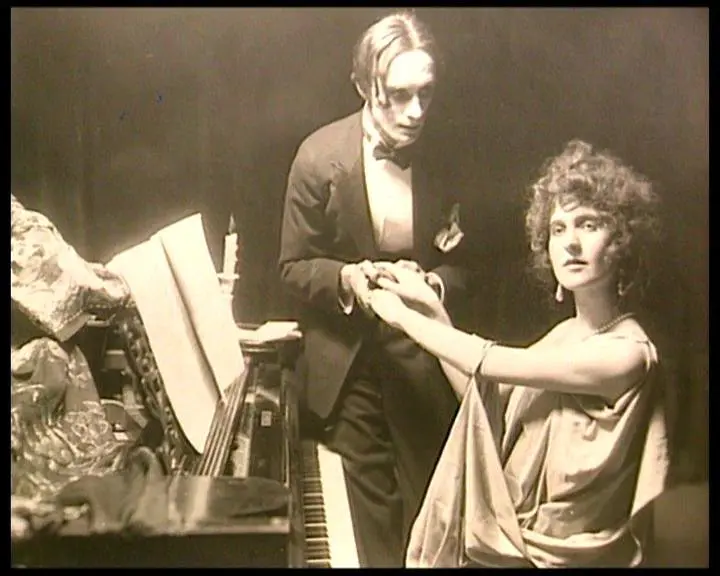
Even seemingly straightforward dramas could possess elements that fostered a particular kind of appeal. Films like Nerven (1919), exploring doubt and uncertainty surrounding an alleged rape and rebellion, offered a psychological depth and social commentary that might have been deeply unsettling yet profoundly engaging for certain viewers. Milestones (1920), with its depiction of generational conflict and resistance to industrial change, might have struck a chord with those grappling with rapid societal shifts. These films, in their engagement with complex human emotions and societal pressures, created a resonance that transcended mere entertainment.
The Anatomy of Allure: What Makes a Film a Cult Phenomenon?
The journey from fringe to phenomenon is rarely linear or predictable. A film’s cult status often emerges from a confluence of factors, a perfect storm of unconventional vision, societal timing, and dedicated advocacy. Key characteristics frequently include:
Transgressive Themes and Narrative Anarchy
Cult films often dare to go where mainstream cinema fears to tread. They explore taboo subjects, challenge moral conventions, or present narratives that defy easy categorization. Whether it's the unsettling eccentricity of a character in One Dollar Bid (1918), a peculiar young man living in the Kentucky hills, or the intense, almost operatic drama of The Siren's Song (1919), with its themes of a devil-given voice and social rejection leading to suicide, these films often confront viewers with uncomfortable truths or fantastical extremes. This willingness to push boundaries, to be bold and unapologetic, is a powerful draw for audiences tired of formulaic storytelling.

Distinctive Aesthetics and Auteur Vision
Many cult films boast a unique visual style or a singular directorial voice that sets them apart. This could be anything from the expressionistic shadows of early German cinema to the vibrant, often garish palettes of later genre films. An auteur’s uncompromising vision, even if initially alienating, can become a beacon for those who appreciate cinematic individuality. Even in films like Tom Mix in Arabia (1922), the sheer spectacle of a daring horseman roping a wildcat, or the intricate mystery woven through The Hope Diamond Mystery (1921), speaks to a specific aesthetic ambition that can captivate viewers.
Initial Misunderstanding or Critical Neglect
A common thread in the cult film narrative is an initial lack of recognition. Films that go on to achieve cult status are often dismissed by contemporary critics, ignored by the wider public, or simply deemed ahead of their time. This initial misunderstanding is crucial; it allows the film to exist outside the established critical discourse, waiting to be discovered by its true audience. Think of the many films from the provided list, like A Thousand to One (1920) or The Gamblers (1919), which, despite perhaps being conventional dramas, might have faded into obscurity without finding a dedicated following who saw something more in their intricate plots or moral dilemmas.
Audience Participation and Re-contextualization
The cult experience is inherently communal. Audiences don't just watch these films; they interact with them. This can range from quoting dialogue, dressing up as characters, or engaging in elaborate rituals during screenings. This collective engagement transforms a passive viewing experience into an active, shared event. Over time, fans often re-interpret or re-contextualize a film, imbuing it with new meanings that the original creators may not have intended. This active re-appraisal is vital for a film to transcend its original reception and enter the cinematic canon of the unconventional.
The Altar of the Abnormal: Themes, Archetypes, and Shared Secrets
Cult films often serve as a mirror to society's anxieties, desires, and marginalized experiences. They delve into themes that mainstream cinema might sanitize or avoid, offering a cathartic outlet for emotions and ideas deemed too confronting. The "abnormal" in cult cinema isn't just about gore or shock value; it's about challenging what is considered normal, acceptable, or even real.
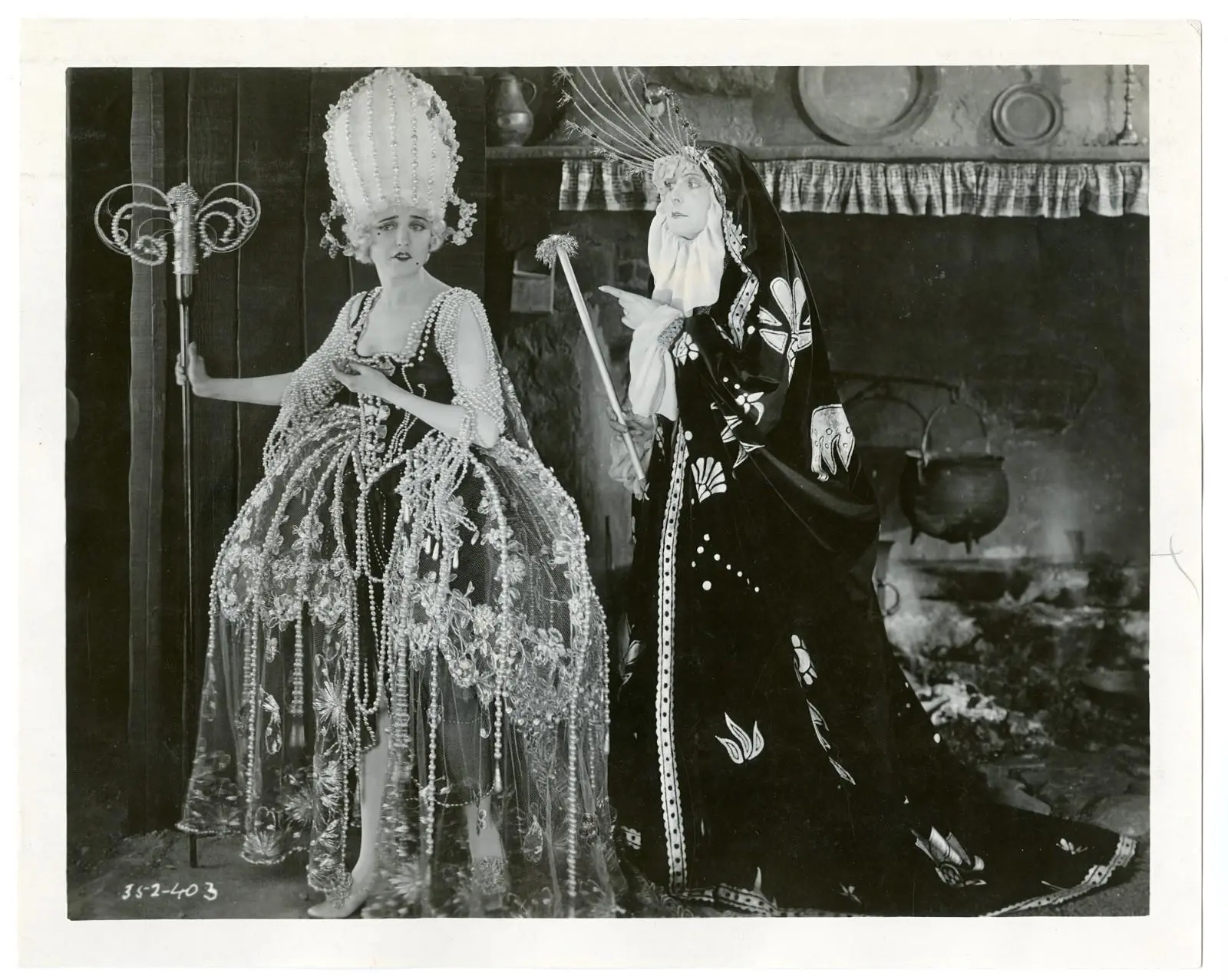
For instance, the psychological drama of The Master Mind (1920), where a defense attorney concocts a diabolical revenge scheme, taps into a primal fascination with justice, manipulation, and the darker side of human intellect. These are narratives that allow audiences to explore complex ethical dilemmas from a safe distance, often finding a strange comfort in the chaos. Similarly, the dramatic intensity of films like A Sporting Chance (1919), which features a millionaire contemplating suicide and a mysterious gunshot, speaks to the profound existential questions that resonate with viewers seeking more than superficial entertainment.
The archetypes within cult cinema are equally compelling: the misunderstood monster, the defiant rebel, the eccentric visionary, the anti-hero. These characters, often flawed and morally ambiguous, offer a counterpoint to the traditional heroes of mainstream cinema. They represent the outsiders, the ones who don't fit in, and in doing so, they provide a sense of validation for audiences who feel similarly disenfranchised. Even in an early comedy short like A Baby Doll Bandit (1917), which features a crooked sheriff and a peculiar town, there’s an underlying appreciation for characters and situations that defy conventional morality and expectations.

The shared secret aspect of cult films is also paramount. Discovering a cult film often feels like unearthing a hidden gem, a piece of art that only a select few truly appreciate. This sense of exclusivity fosters a powerful bond among fans, creating a cinematic secret society. Discussions revolve around obscure details, hidden meanings, and personal connections to the material, deepening the sense of community and shared identity. Films like The Girl from Beyond (1918), a tale of revenge and spiritualism, or The Pest (1917), about a naive country girl entangled with a shady character, might have been forgotten by many, but for a dedicated few, they represent unique narratives worthy of preservation and discussion.
The Midnight Congregation: Fandom, Ritual, and Resistance
The midnight movie circuit of the 1970s, spearheaded by films like The Rocky Horror Picture Show, solidified the communal aspect of cult cinema. These late-night screenings became veritable rituals, where audiences would dress up, recite lines, and interact directly with the screen. This phenomenon wasn't just about watching a movie; it was about participating in an event, a shared experience that transcended the boundaries of the screen.

While the digital age has altered the landscape of film consumption, the spirit of the midnight congregation endures. Online forums, social media groups, and dedicated fan sites have become the new communal spaces where cult film enthusiasts gather to discuss, analyze, and celebrate their beloved oddities. This digital community allows for a broader reach, connecting fans across geographical boundaries and ensuring that even the most obscure films, perhaps like Paid in Advance (1919), a wilderness drama about an innocent girl falling into the clutches of evil men, or the lost Italian crime film Bolla di sapone (1921), can find their tribe.
The appeal of these fringe films also lies in their implicit resistance to the mainstream. By embracing a cult film, audiences are, in a way, rejecting the commercially driven, critically approved narratives that dominate the cinematic landscape. It’s an act of rebellion, a statement of individuality, and a testament to the idea that true artistic merit isn't always recognized upon release. This counter-cultural stance is a powerful draw, especially for those who feel alienated by mainstream culture and seek alternative forms of expression and community.
From Obscurity to Iconography: The Enduring Legacy of the Unconventional
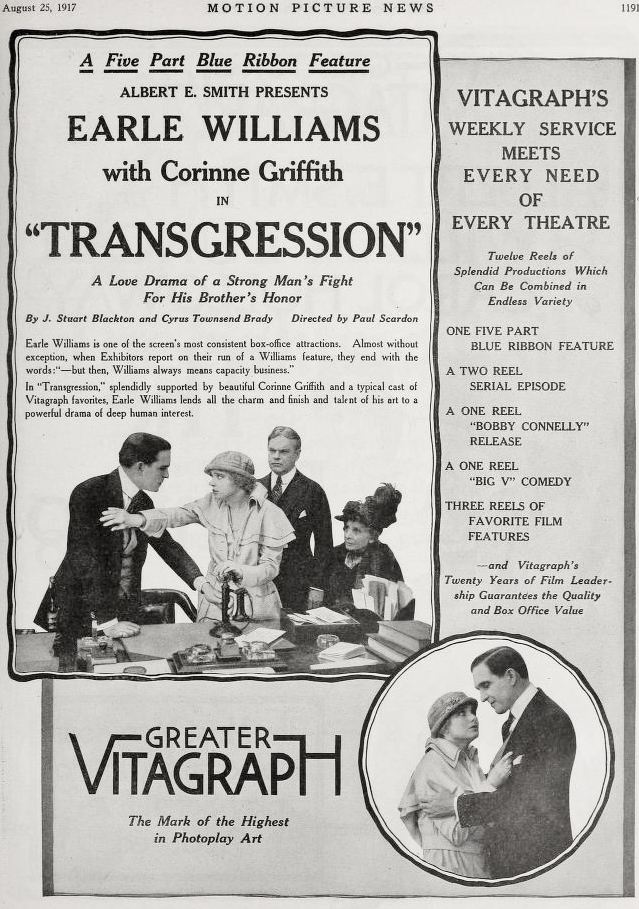
The journey of a cult film is often one of re-appraisal and re-discovery. What was once dismissed as trash, amateurish, or simply bizarre, can, with the passage of time and the shift in cultural perspectives, be re-evaluated as visionary, groundbreaking, or profoundly influential. This cinematic re-evaluation is a crucial part of how cult films solidify their place in history.
Consider the forgotten gems from the early cinematic period, many of which are now largely unknown. While they may not have achieved the kind of widespread cult status we associate with later films, their unique qualities, their willingness to confront difficult subjects, or their sheer narrative ambition, suggest that they too were once, or could become, objects of intense, niche fascination. Films like The Hope Diamond Mystery (1921), with its blend of action, thriller, and adventure, or A Great Coup (1919), a drama about a squire's adopted daughter and a horse race, possess a dramatic intensity and narrative specificity that could easily captivate a devoted audience.
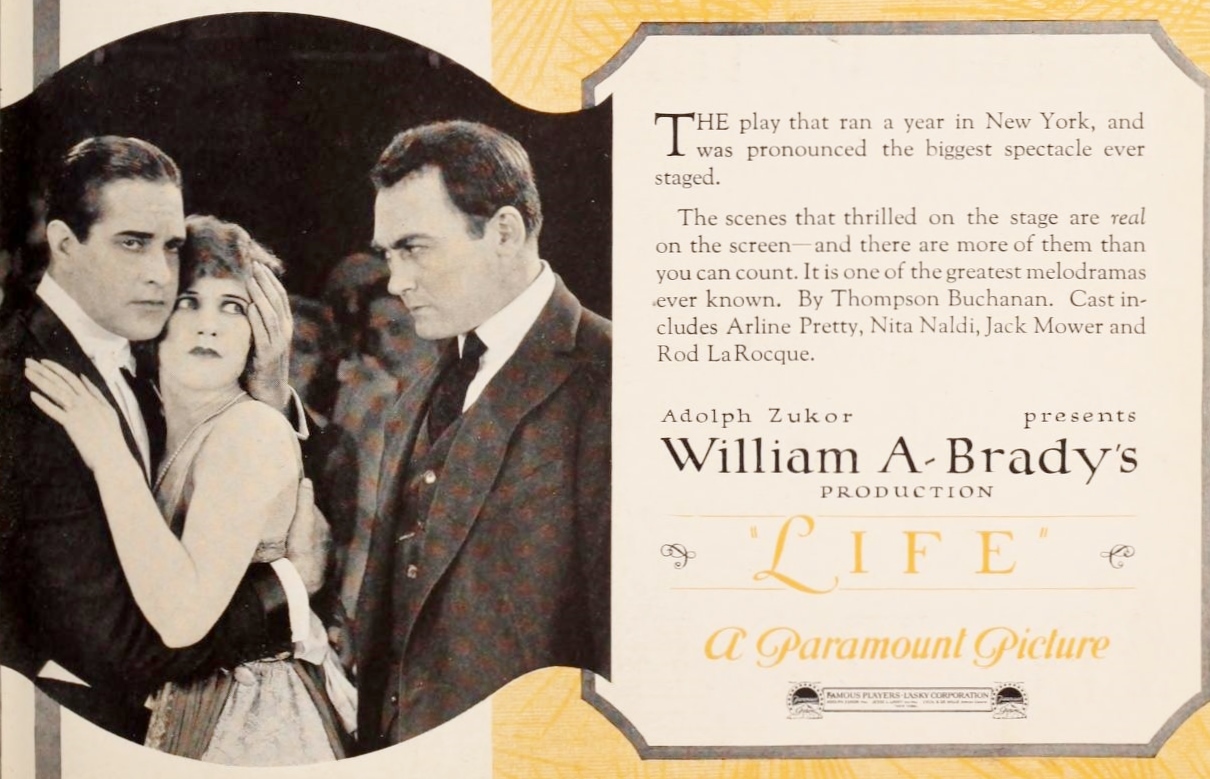
The digital age has democratized this process of re-discovery. Archival efforts, streaming platforms, and online communities ensure that once-lost or obscure films are now more accessible than ever. This accessibility allows new generations to stumble upon these unconventional gems, sparking fresh waves of fandom and ensuring that the legacy of cult cinema continues to evolve and expand. A film like The Clown (1917), a drama about a successful clown abandoned by his wife, might find a new audience today drawn to its melancholic themes and period aesthetic.
Ultimately, cult cinema is more than just a genre; it's a phenomenon that speaks to the very heart of human connection and artistic appreciation. It celebrates individuality, embraces the unconventional, and fosters communities built on a shared love for the cinematic underdog. From the earliest whispers of transgressive narratives in silent films to the raucous midnight screenings of today, the journey of the cult film is a testament to cinema's enduring power to surprise, provoke, and unite.
As long as there are filmmakers willing to challenge norms and audiences eager to explore beyond the mainstream, cult cinema will continue its unconventional odyssey, transforming obscurity into iconography, and fringe visions into enduring phenomena. It reminds us that true cinematic greatness isn't always measured by box office receipts or critical consensus, but by the passionate, unwavering devotion of those who find their reflection in its rebel heart.
Community
Comments
Log in to comment.
Loading comments…