
Cult Cinema Deep Dive
The Genetic Code of the Midnight Movie: How Silent Era Anomalies Birthed the Cult Paradigm
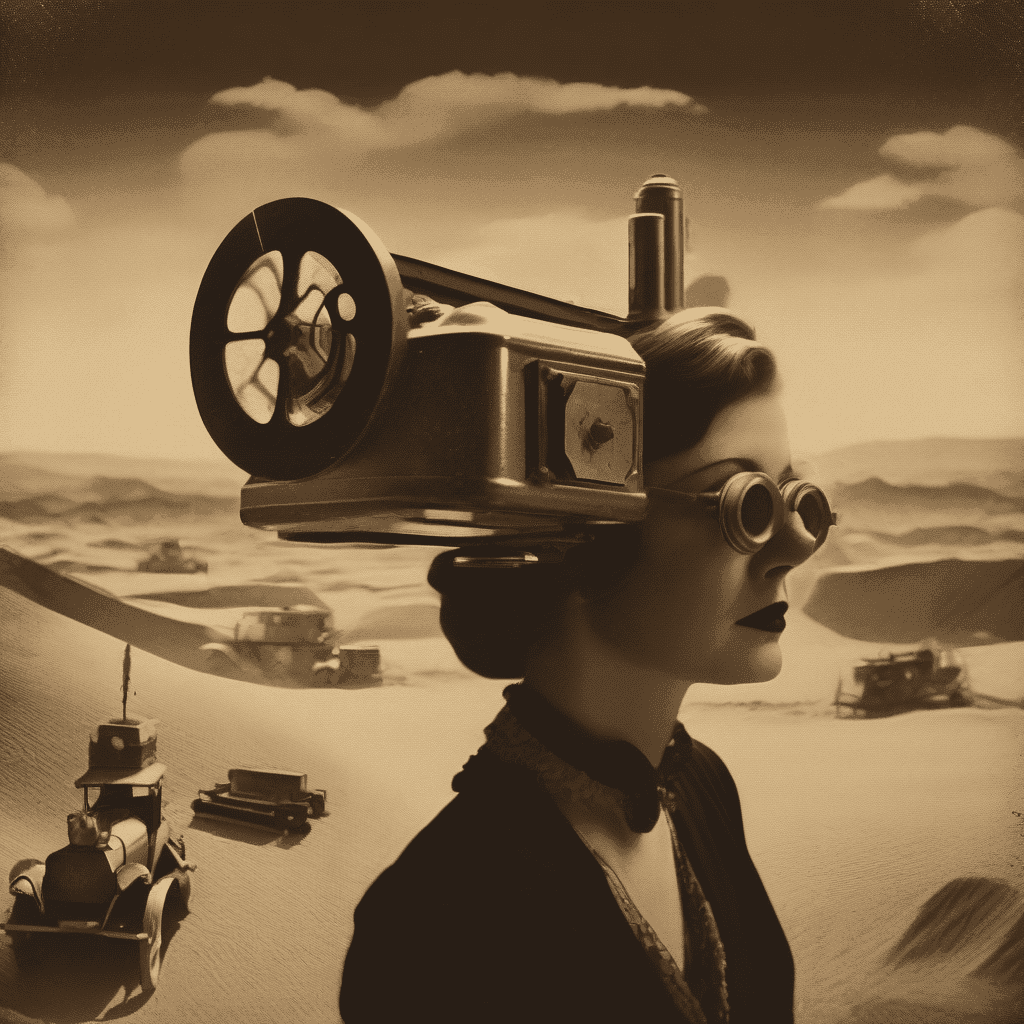
“Explore how the fringes of early cinema, from social hygiene documentaries to radical feminist manifestos, established the transgressive DNA of the modern cult movie.”
To the modern cinephile, the term "cult cinema" often conjures images of 1970s grindhouses, midnight screenings of leather-clad rebels, or the neon-soaked excess of the 1980s. However, the true architecture of the cult mindset—the devotion to the marginal, the celebration of the transgressive, and the worship of the narrative misfit—was drafted in the flickering shadows of the silent era. Long before the term "midnight movie" entered the lexicon, a series of anomalous reels and genre-defying experiments were already carving out a space for what would become the most obsessive fandoms in history.
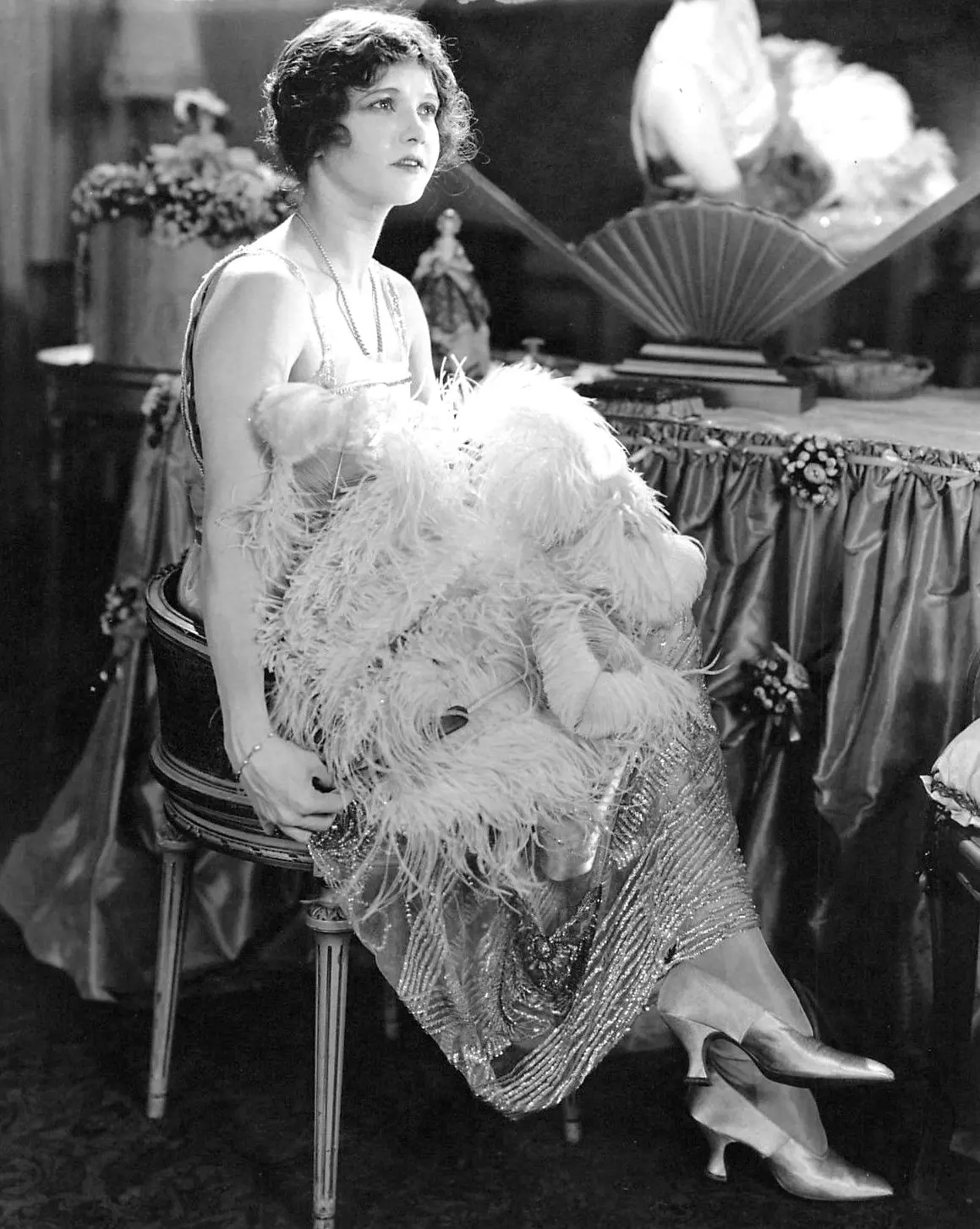
The Genesis of the Forbidden: Censorship and the Allure of the Taboo
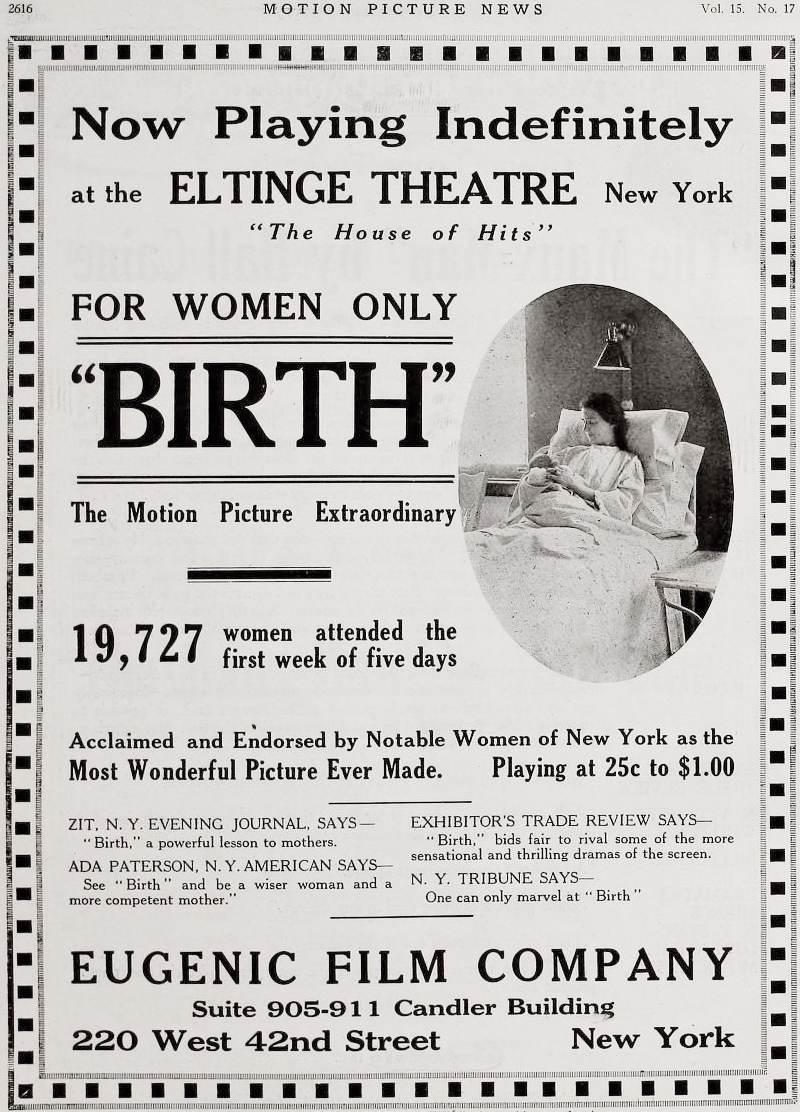
The foundation of cult cinema is often built upon the "forbidden". In the early 20th century, films that dared to tackle social realities often found themselves pushed to the periphery, creating a subterranean circuit of viewers hungry for the unseen. Consider the documentary Birth Control (1917), centered on the work of Margaret Sanger. By the standards of the time, this was not merely a film; it was a radical political act. Its suppression only fueled its legendary status, a precursor to the way modern cult audiences seek out banned or unrated features.
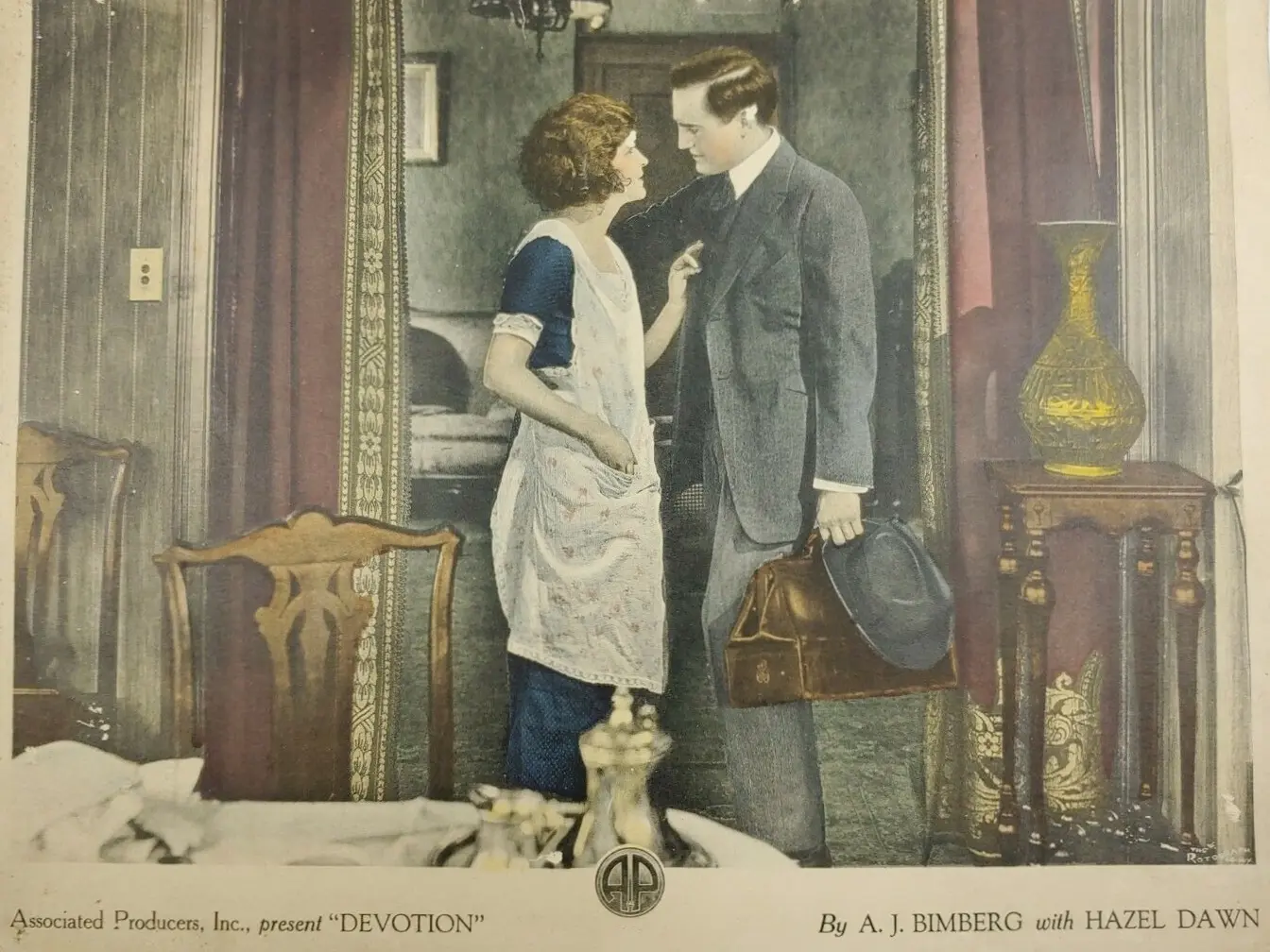
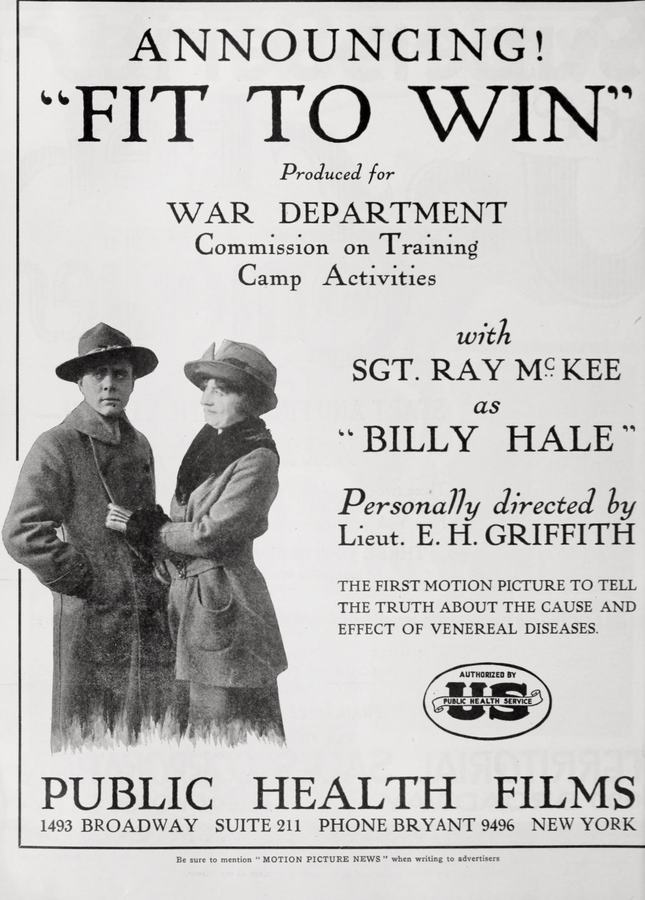
Similarly, the United States government-produced Fit to Win (1919) utilized the medium of film to address venereal disease. While intended as a hygiene film for soldiers, its graphic nature and moralistic framing gave it a second life in the exploitation circuit. This is where the DNA of cult cinema begins to take shape: the intersection of education, sensation, and the thrill of the taboo. These films weren't meant for the polite society of the grand movie palaces; they belonged to the tents, the side-streets, and the specialized halls where the subversive pulse of the audience beat the loudest.

Radical Subjectivity: The Mary MacLane Phenomenon
If cult cinema is defined by the maverick voice, then Men Who Have Made Love to Me (1918) is its primal scream. Based on the controversial writings of Mary MacLane, the film featured the author herself reenacting six of her affairs. In an era of Victorian restraint, MacLane’s blatant disregard for traditional morality and her direct address to the audience (through intertitles and performance) established a blueprint for the auteur-driven cult film. She was the original "indie" darling, a woman who refused to be a passive object of the camera, instead turning the lens into a mirror of her own unapologetic desires.
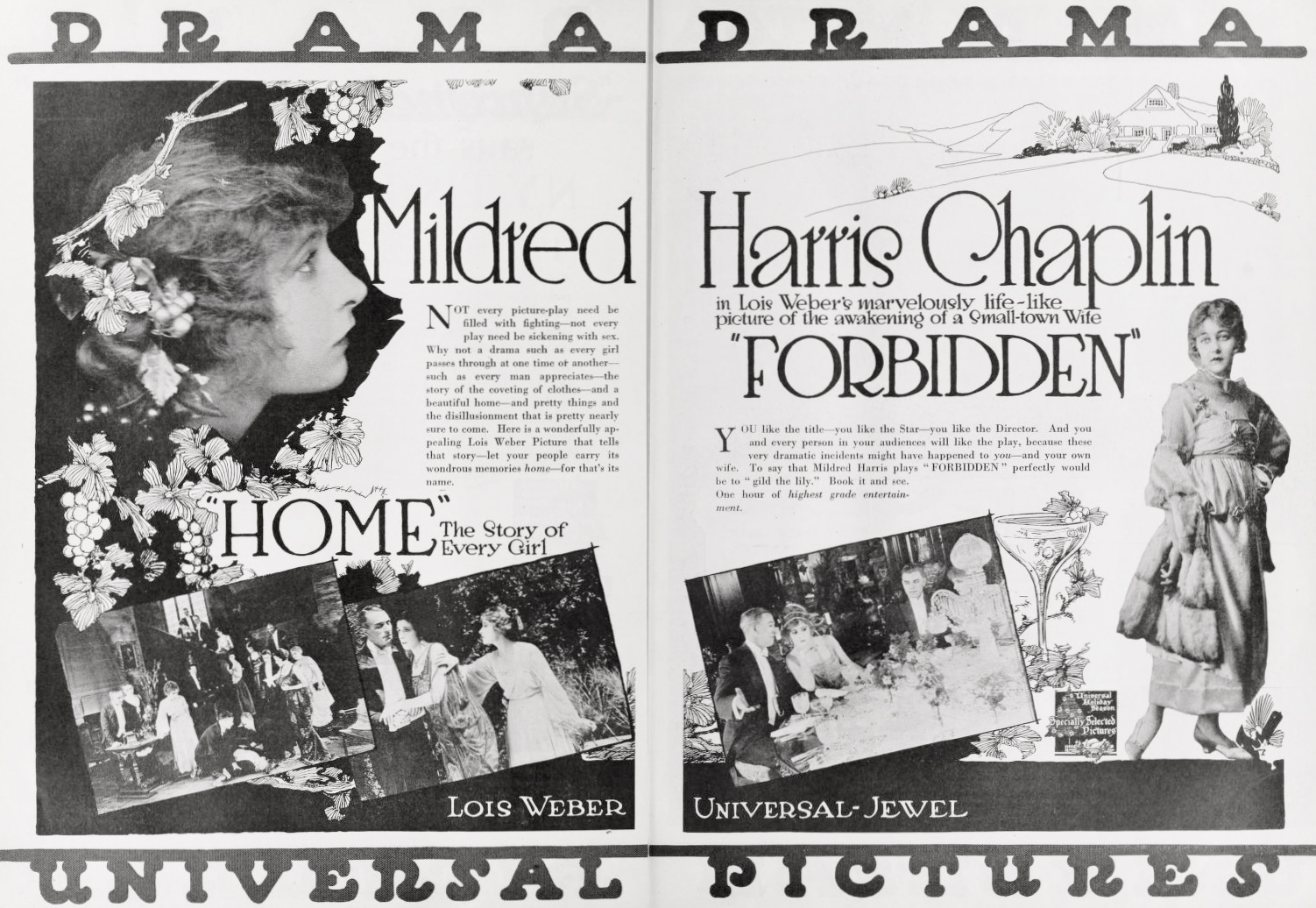
Genre Anarchy: When the Traditional Becomes the Surreal
Cult films often thrive in the cracks between established genres, and the early 1910s and 20s were rife with such narrative mutations. Take The Secret of the Submarine (1916), a serialized adventure that blended science fiction, military intrigue, and technological wonder. The obsession with Dr. Ralph Burke’s underwater apparatus reflected a society grappling with the anxiety of the machine age. For the audience, the submarine wasn't just a prop; it was a vessel for a specific kind of niche devotion that would later find a home in sci-fi cult classics like Fantastic Voyage or 20,000 Leagues Under the Sea.
Then there is the strange, almost hallucinatory energy of early comedies like The Golf Bug (1917). By taking a mundane hobby and escalating it to a level of destructive absurdity, where Paul slaps balls into the faces of everyone in sight, the film touches on the surrealist humor that would later define the works of John Waters or the Monty Python troupe. It is the exaggeration of the ordinary that transforms a simple short into a piece of cult iconography.
The Western as a Canvas for Moral Complexity
The Western is often viewed as a rigid genre of black hats and white hats, but early cult-adjacent entries like Black Sheep (1915) and Cupid's Brand (1920) told a different story. In Black Sheep, the conflict between cattlemen and sheepherders serves as a backdrop for a story of internalized rebellion, as Rex Carson defends the very people his father seeks to displace. This theme of the outcast hero—the man caught between two worlds—is a recurring motif in the cult canon, from The Searchers to El Topo.
In Cupid's Brand, we see the introduction of the ex-convict as protagonist. The alliance between Warton and a group of counterfeiters in a desert town suggests a moral gray area that mainstream cinema would later attempt to sanitize. These films were the proto-noirs, exploring the shadows of the American frontier long before the term "anti-hero" was popularized. They spoke to an audience that recognized the world was not a place of simple binaries, but a complex web of survival and betrayal.
The Architecture of the Abnormal: Feminine Agency and Domestic Horror
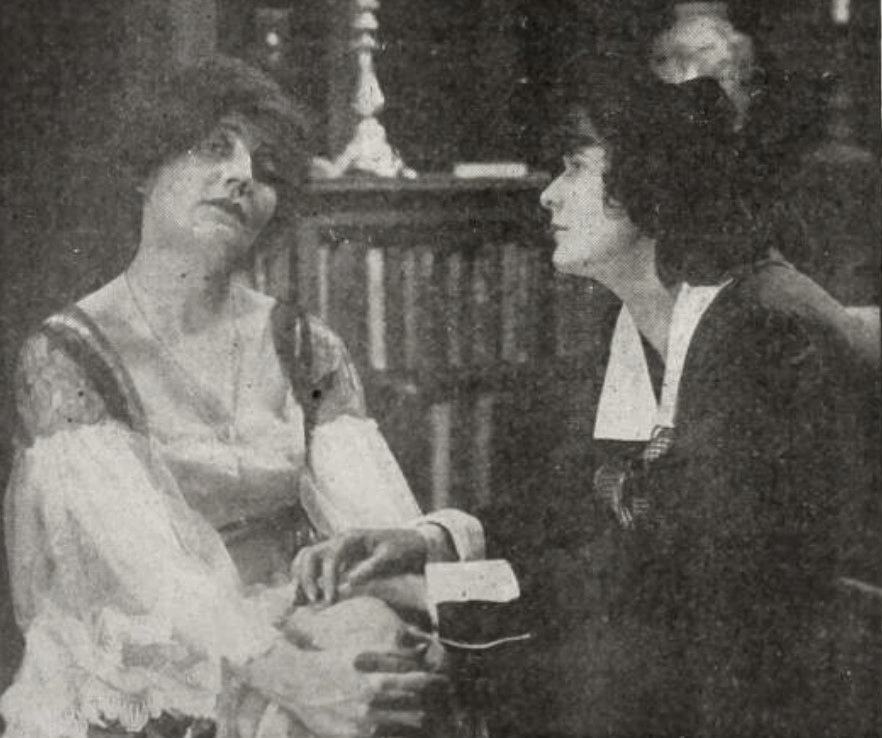
The domestic space in early cinema was frequently a site of psychological terror, providing the groundwork for the modern "hagsploitation" or domestic thriller cult subgenres. The Snarl (1917) utilizes the trope of the identical twin to explore the duality of the female psyche. Helen, the "vain and heartless" sister, and Marion, the "self-sacrificing" one, create a narrative tension that prefigures films like Dead Ringer or Sisters. The snarl of the title isn't just a facial expression; it’s a metaphor for the tangled, often violent expectations placed upon women in the early 20th century.
Even more subversive is The Indestructible Wife (1919). While framed as a comedy, the image of Charlotte’s unending, manic energy—exhausting her husband through a relentless cycle of mountain climbing and dancing—borders on the uncanny. It challenges the 19th-century notion of the "frail" woman, replacing it with a figure of unsettling vitality. This is the kind of character that cult audiences adore: a woman who is "too much," who defies the boundaries of her narrative, and who remains uncontainable by the men around her.
The Cinema of Social Conscience and the 'Other'
Cult cinema has always been a refuge for those who feel outside the mainstream, and early films like The Birth of a Race (1918) attempted to provide a counter-mythology to the racist narratives of the era. By tracing the evolution of democracy from the crucifixion of Christ to the discovery of America, the film sought to reclaim the grand narrative of history for a disenfranchised audience. Though it struggled with production issues and mixed reviews, its very existence as a defiant response to The Birth of a Nation cements its place in the history of resistance cinema.
Similarly, The Other Half (1919) tackled the divide between the working class and the elite. When Donald Trent returns from the trenches of WWI, his refusal to accept class distinction becomes a radical act. This theme of communal awakening and the rejection of the status quo is a pillar of the cult ethos. Whether it’s the punks of Repo Man or the revolutionaries of Battle in Heaven, the cult hero is almost always someone who has seen "the other half" and can no longer return to the comfort of ignorance.
The Mystery of the Missing Reel: Obsession and the Archive
Part of the mystique of cult cinema is the rarity of the objects themselves. Many of the films from this era, such as The Brass Bullet (1918) or The Secret Seven (1916), exist now only in fragments or as entries in trade journals. The Brass Bullet, with its plot involving a man trying to steal his wife’s fortune from beyond the grave, sounds like a Gothic masterpiece lost to time. The hunt for these lost reels—the archaeology of the unusual—is a fundamental part of the cult experience.
In The Secret Seven, a detective hides a camera in a car’s headlamp to solve a kidnapping. This meta-textual use of the camera within the film itself highlights the early fascination with the power of the lens to uncover hidden truths. For the cult follower, the film is not just entertainment; it is a clue, a piece of a larger puzzle that explains the world’s hidden mechanics. This is why we watch The Room or Troll 2 with such intensity—we are looking for the accidental truth hidden behind the artifice.
The Supernatural and the Satanic: Early Horror's Cult Roots
No discussion of cult cinema is complete without the macabre. The Temptations of Satan (1914) features the devil himself assuming human form to ruin an opera singer's innocence. This early flirtation with the diabolical established the visual language of the supernatural tempter that would later populate the works of Kenneth Anger or the Italian giallo masters. The idea of Everygirl being pursued by an ancient evil is a primal narrative that resonates through the ages, tapping into our collective fear of the unseen forces that govern our fates.
Even more grounded dramas like Shadows (1919) utilized the weight of the past as a haunting presence. When a woman’s "unpleasant past" is revealed, her struggle to regain respectability becomes a ghost story of social exile. This focus on the stigmatized individual is what draws the cult audience to the screen. We see ourselves in the shadows; we find beauty in the scars of the narrative.
Conclusion: The Eternal Flicker of the Fringe
The 50 films discussed here—from the slapstick chaos of A Rare Bird to the biographical weight of Disraeli—are more than just historical footnotes. They are the primordial soup from which the modern cult movie emerged. They represent a time when the rules of cinema were still being written, and the maverick spirit was not a marketing term, but a necessity for survival.
When we gather in the dark to watch a film that the rest of the world has forgotten, we are participating in a ritual that began over a century ago. We are looking for the rebel heartbeat in the machine, the transgressive spark in the frame. The silent era’s misfit reels taught us how to look beyond the marquee and find the soul of the cinema in the most unlikely places. As long as there are stories that defy definition and characters who refuse to conform, the cult of the curious will continue to thrive, guided by the flickering light of these original renegades.
Community
Comments
Log in to comment.
Loading comments…