
Cult Cinema
The Genetic Code of the Strange: Decoding the Forgotten Ancestry of Midnight Obsession
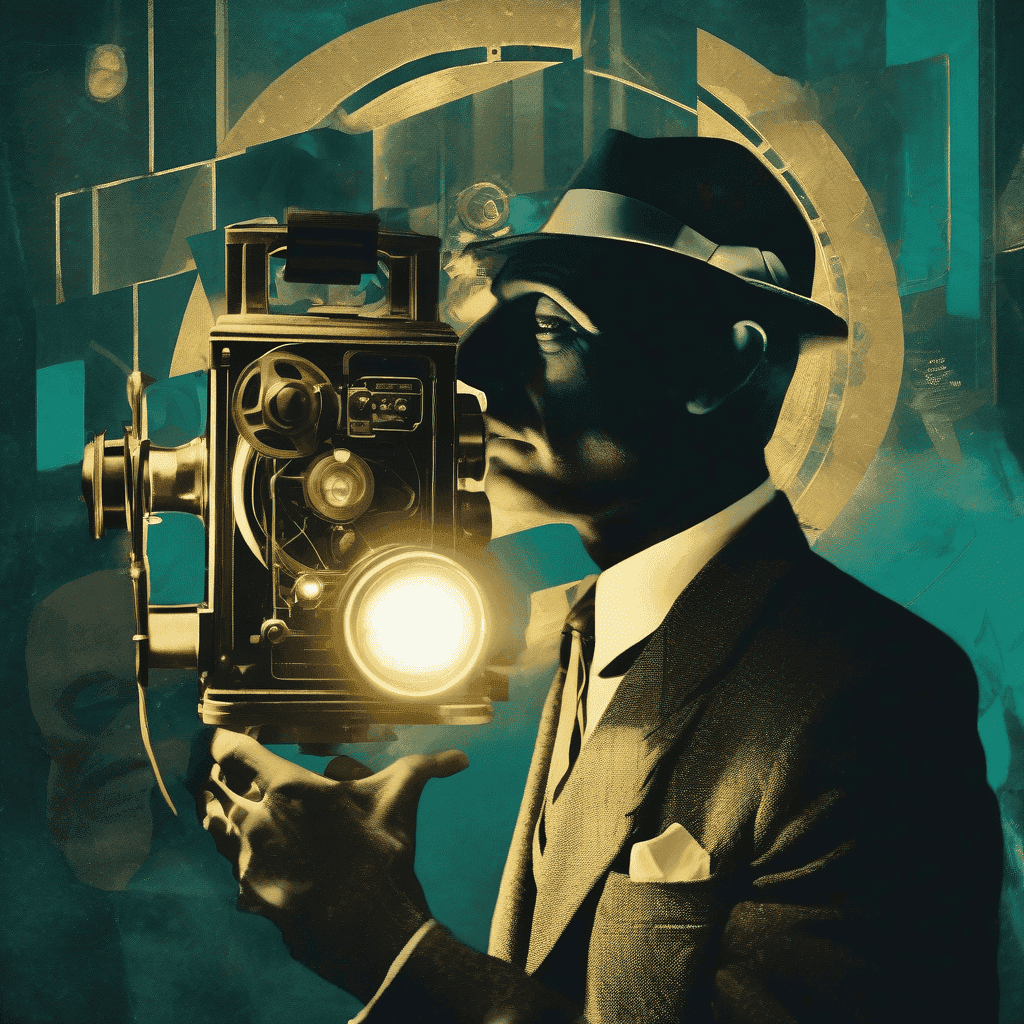
“An deep-dive into the proto-cult landscapes of early cinema, where silent-era outcasts and narrative anomalies first forged the DNA of the modern midnight movie.”
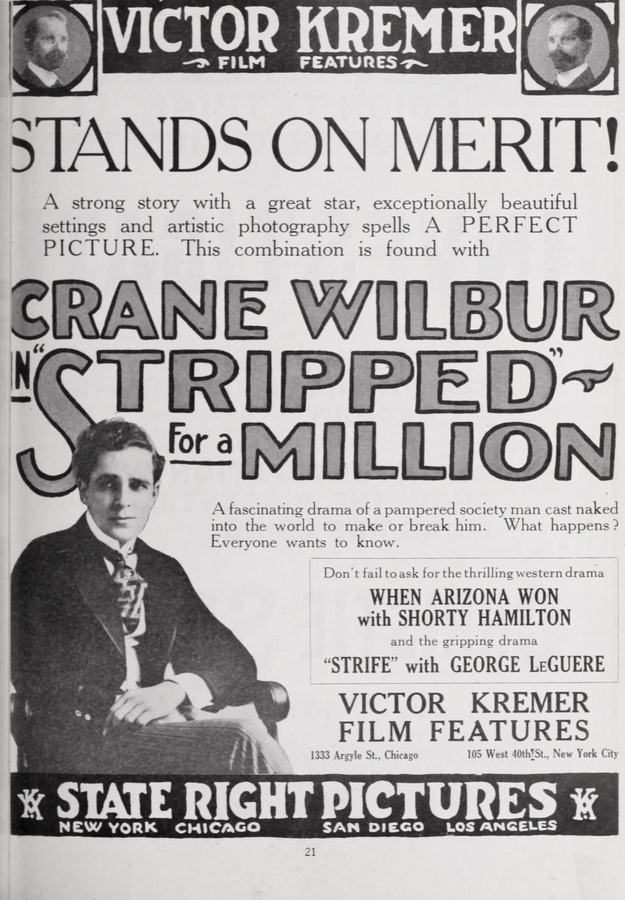
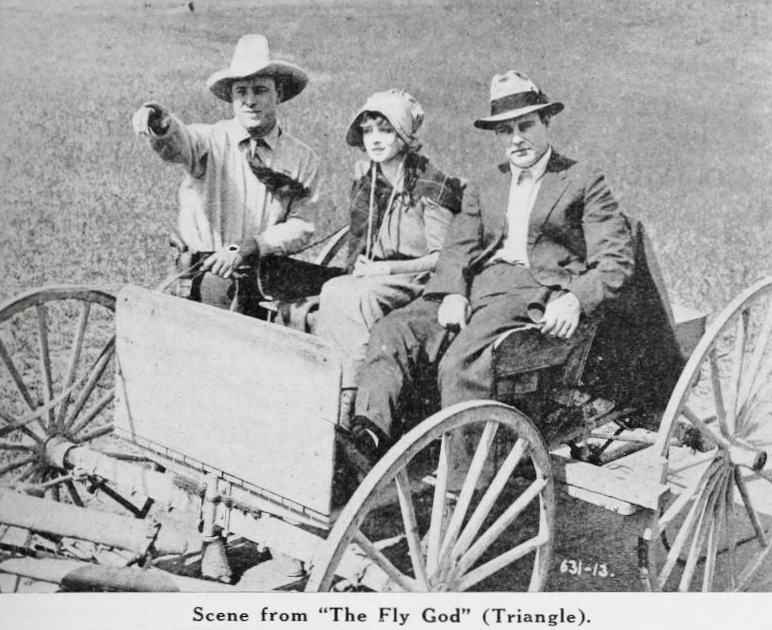
The term "cult cinema" often conjures images of the 1970s midnight movie circuit—the glitter-drenched floor of a Rocky Horror screening or the transgressive filth of John Waters. However, to understand the true origin of the cinematic outlier, one must look back much further. The genetic markers of the strange, the misunderstood, and the defiantly unconventional were already present in the nitrate flickers of the early 20th century. Before there was a formal language for niche devotion, there were films like Stripped for a Million (1919) and The Fly God (1918), works that challenged the burgeoning status quo of narrative structure and moral simplicity.
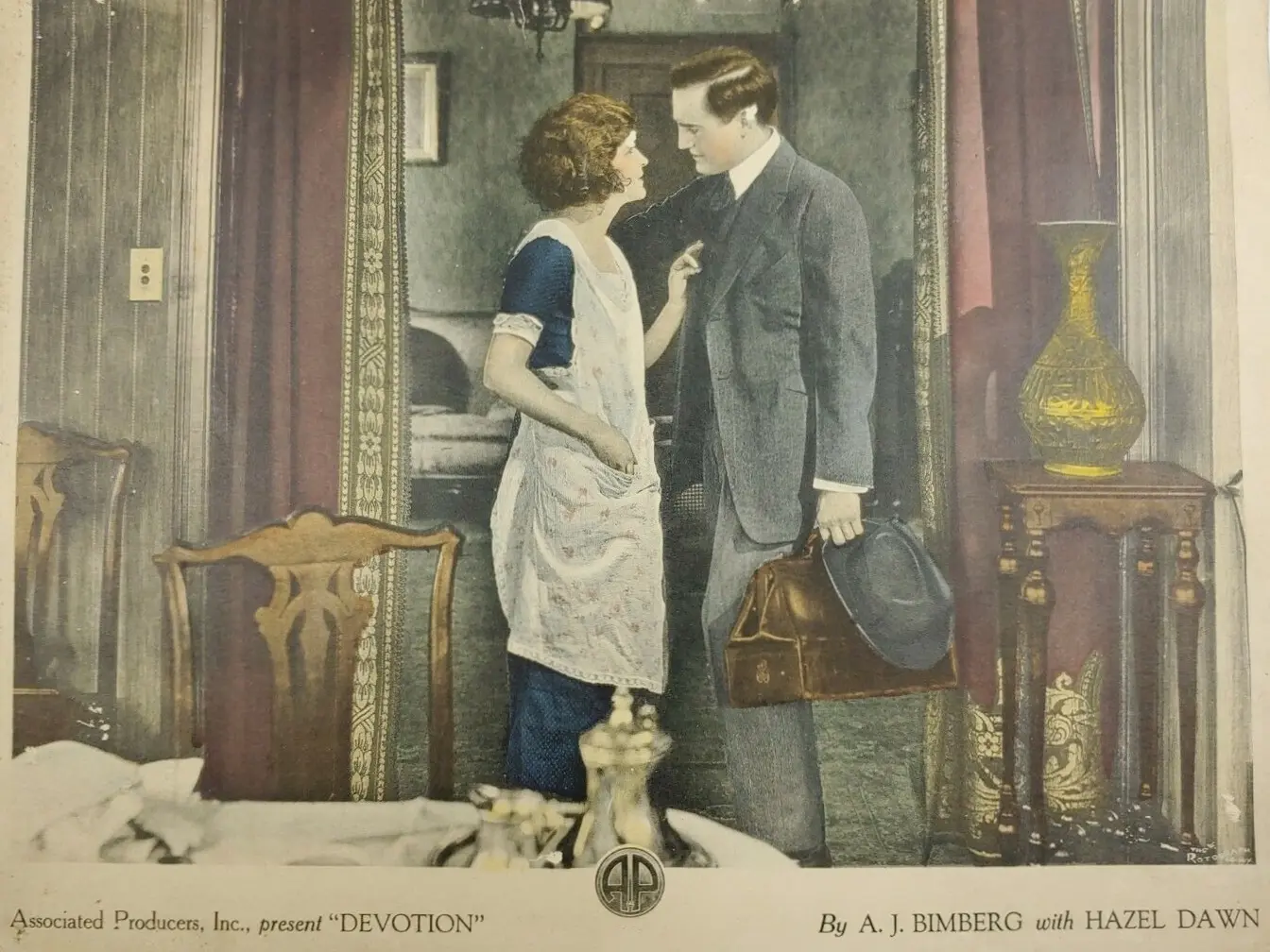
The Archetype of the Pariah: Early Narratives of the Displaced
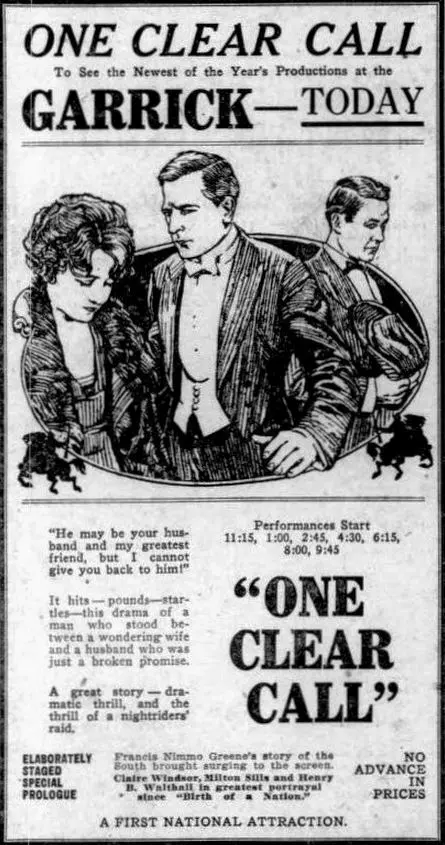
At the heart of every cult film lies the figure of the outcast. Long before the modern anti-hero became a staple of the silver screen, the silent era was experimenting with characters who lived on the literal and metaphorical fringes of society. In One Clear Call (1922), we encounter Garnett, a bitter man running a roadhouse of low character known as "The Owl" in the Alabama backwoods. This character represents the prototypical cult figure: the man with a secret, the individual who has been rejected by the conventional world and has built his own sanctuary in the shadows. This theme of the sanctuary for the disenfranchised is a recurring motif that links early drama to the modern cult ethos.
Similarly, The Crow's Nest (1922) presents the story of Esteban, a white boy raised by an Indian squaw, caught between two worlds and robbed of his rightful inheritance. These stories of stolen identities and reclaimed destinies, such as those found in By Hook or Crook (1918), where a pampered man must learn to crack safes to save his future, highlight a fascination with the transgressive. To the early audience, these films were perhaps mere entertainment, but through the lens of history, they are the first tremors of a subculture that values the unconventional over the predictable.
Surrealist Seeds and the Logic of the Absurd
Cult cinema is frequently defined by its departure from reality, often veering into the surreal or the outright absurd. This "weirdness" is not a modern innovation. Consider the 1913 short Everybody's Doing It, featuring the comic duo Mutt and Jeff. The plot involves a "Jazz-Shimmy" school where a man shimmies until he physically shrinks to the size of a small boy. This level of body horror and surrealist transformation predates the works of Cronenberg or Lynch by decades, proving that the early cinematic imagination was untethered from the constraints of realism.

Even the documentary form was not immune to this early spark of the strange. Kino-pravda no. 6 (1922), directed by Dziga Vertov, utilized experimental editing and newsreel footage to document Russian life, creating a visual language that was as much about the medium of film as it was about the subject matter. This self-reflexive nature—the film acknowledging itself as a construct—is a cornerstone of cult appreciation. When we watch Nutt Stuff (1920), a film about a director trying to stage a melodrama on credit, we see the industry turning the camera on its own absurdity, a move that resonates with the meta-commentary found in modern cult classics.
The Moral Grey Zone: Pre-Code Transgressions
The allure of the cult film often stems from its willingness to explore moral ambiguity. In the early 20th century, before the strict enforcement of the Hays Code, cinema was a wild frontier. The Claim (1918) features a gambler who abandons his family for wealth, only to be killed by his new brother-in-law. There is no easy redemption here, only the cold reality of consequence. This darkness is echoed in The Fool's Revenge (1916), where a wealthy libertine alienates a wife from her husband, a clown. These narratives of revenge, adultery, and moral decay provided a blueprint for the "shlock" and "grindhouse" cinema that would eventually become the bedrock of cult fandom.
Even the comedic shorts of the era, such as The Heart Snatcher (1920) and The Fall Guy (1921), relied on chaos and criminal activity as the source of their humor. The thief in The Heart Snatcher who sneaks back into a party to rob a safe is not a villain in the traditional sense, but a mischievous catalyst for disorder. This celebration of the rogue is a vital element of the cult spirit—the idea that the person breaking the rules is often more interesting than the person enforcing them.
Identity, Doubles, and the Uncanny
One of the most potent themes in cult cinema is the crisis of identity—the fear that we are not who we think we are, or that someone else is living our life. This theme is explored with haunting precision in Body and Soul (1920), where Claire Martin suffers from memory loss and lives as an entirely different person. This exploration of the fractured psyche is a direct ancestor to the psychological thrillers that dominate the cult canon today. The "double" appears again in The Lyons Mail (1916), where a rich man is mistaken for a highwayman’s double, leading to a life-threatening case of mistaken identity.
These films tapped into a primal anxiety about the self. In Who Am I? (1921), a woman discovers her father was a gambler and inherits his gambling palace, forcing her to confront a legacy she never knew existed. The tension between the inherited self and the chosen self is a narrative engine that has powered cult cinema from The Prince of Graustark (1914) to the present day. Whether it is a prince forced into a marriage for a loan or a young widow accidentally leaving her baby in a car in Somebody's Baby (1918), the disruption of the domestic and the personal is a hallmark of the genre-defying film.
The Legacy of the Unseen
Why do we remain obsessed with these forgotten reels? Perhaps because they represent a time of pure cinematic exploration, before the industry became a monolith of focus groups and franchise management. Films like Die Luftpiraten (1920) and Tulagi: A White Spot in a Black Land (1921) offered audiences glimpses of worlds they would never see, using a medium that was still learning its own power. Even a simple documentary short like Swat That Fly (1917) or the animation of Kapten Grogg skall fiska (1918) contributed to a visual culture that rewarded the curious and the observant.
The cult movie is not just a film; it is a ritual. It is the act of seeking out the unconventional, the obscure, and the challenging. When we look at the legacy of The Wall Street Mystery (1920) or the burlesque humor of Little Lord Fond o' Joy (1923), we are seeing the first bricks laid in the temple of niche devotion. These films were the outcasts of their time—often relegated to second-run houses or forgotten in the transition to sound—but their spirit lives on in every midnight screening and every obsessive fan forum.
Conclusion: The Eternal Flame of the Misfit
As we continue to navigate the vast landscape of modern media, the lessons of the silent era’s misfits remain relevant. Cult cinema is a testament to the enduring power of the outlier. From the high-stakes gambling of Twins of Suffering Creek (1920) to the medical drama of Adele (1919), these stories remind us that the most interesting narratives are often found in the margins. The genetic code of the strange was written in nitrate and light over a century ago, and it continues to mutate, evolve, and inspire a new generation of cinematic heretics.
The next time you find yourself captivated by a film that defies explanation, remember that you are part of a long lineage of seekers. You are following the trail blazed by Parson Pepp (1922) and the spirited Lucille in The Racing Strain (1918). The cult of the strange is not a modern fad; it is the soul of cinema itself, flickering forever in the dark, waiting for those brave enough to look beyond the marquee.
Community
Comments
Log in to comment.
Loading comments…