
Cult Cinema
The Maverick's Echo: Unearthing Cult Cinema's Enduring Allure and the Genesis of Fanatic Devotion
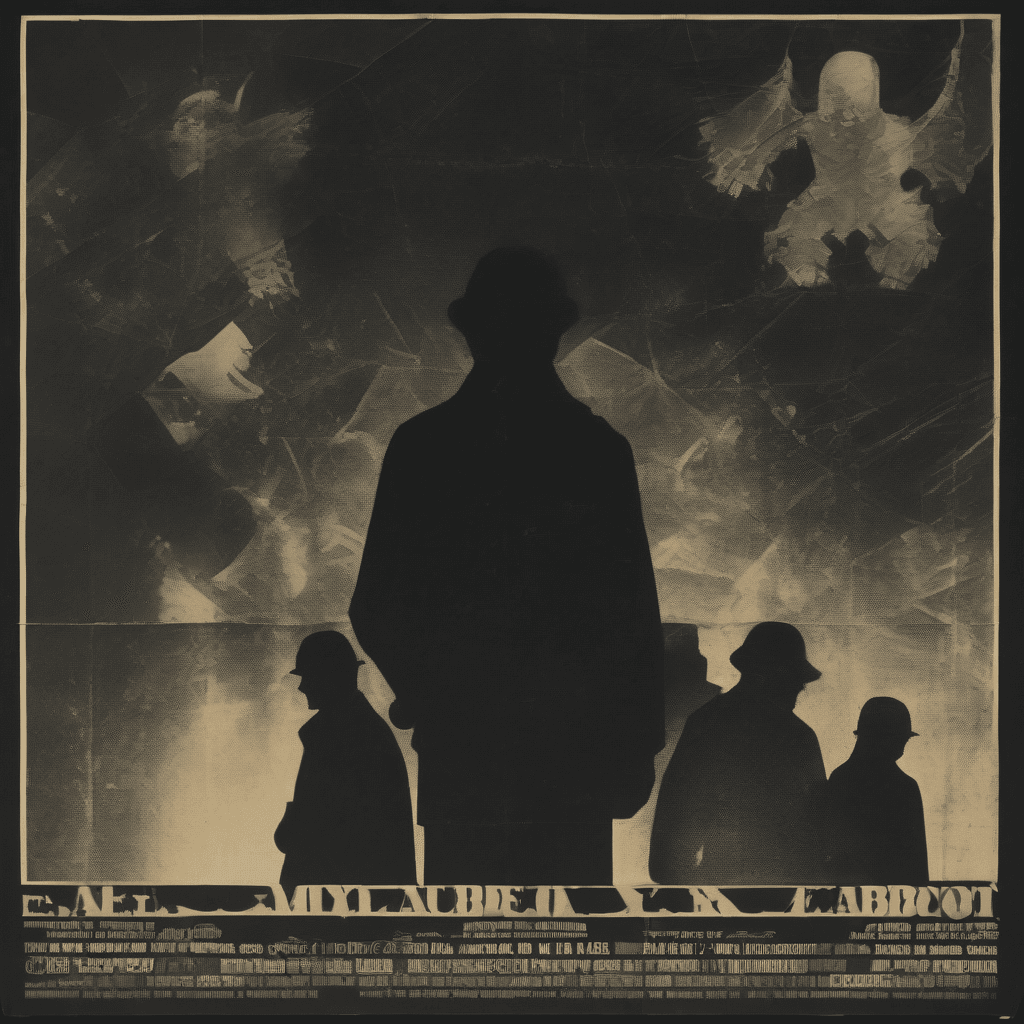
“Cult cinema, a realm of the unconventional and the passionately embraced, defies mainstream norms and fosters unique communities. This editorial delves into the historical roots and enduring magnetism of these cinematic outcasts, tracing their journey from fringe curiosities to cherished cultural ph…”
In the vast, ever-expanding universe of film, there exists a peculiar constellation known as cult cinema. These are not merely movies; they are experiences, rallying cries, shared secrets, and often, profoundly personal obsessions. They are films that, for myriad reasons—be it their transgressive themes, bizarre aesthetics, narrative audacity, or initial commercial failure—were rejected by the mainstream, only to find fervent, undying adoration among dedicated audiences. The enduring allure of cult films lies in their ability to speak to a specific sensibility, to challenge conventions, and to forge an almost tribal bond among their viewers. But where did this phenomenon truly begin? To understand the modern cult film landscape, we must journey back to cinema’s nascent years, where the seeds of cinematic rebellion and niche devotion were first sown.
Beyond the Marquee: Early Cinema's Unconventional Whispers
While the term "cult film" typically conjures images of midnight screenings in the 1970s, its conceptual roots reach much deeper, touching the very origins of cinematic storytelling. The early 20th century, a period of rapid innovation and experimentation in filmmaking, was a fertile ground for narratives and styles that, even then, pushed boundaries. Before the rigid classifications of genre and the pervasive influence of studio systems fully solidified, there was a raw, untamed spirit to filmmaking. Directors and producers, still grappling with the language of the moving image, often stumbled upon ideas that were inherently unconventional, if not outright bizarre.
Consider the silent era, a time when visual storytelling reigned supreme, often compensating for the lack of dialogue with exaggerated performances, symbolic imagery, and melodramatic intensity. Films like The Mortal Sin or A Bill of Divorcement, while perhaps mainstream dramas of their day, explored themes of moral ambiguity, societal taboos, and personal sacrifice with a raw emotionality that could be deeply unsettling or profoundly affecting. These narratives, often depicting characters grappling with intense internal conflicts or external pressures, hinted at a fascination with the darker, more complex facets of human experience that would later become a hallmark of transgressive cinema.
Moreover, the sheer diversity of early cinematic output meant that there was always something outside the norm. Short comedies such as Oh, Baby! or His Jonah Day, with their whimsical, sometimes surreal premises and slapstick antics, offered a departure from straightforward storytelling. Experimental pieces, like the visual symphony of Danse macabre or the documentary insights of Kino-pravda no. 9, demonstrated an early willingness to explore cinema's artistic potential beyond pure narrative, laying a foundation for later avant-garde and art-house movements that would often feed into cult sensibilities.
The Proto-Cult DNA: Rebellion in Form and Content
What defines a cult film is not just its subject matter, but often its unique approach to filmmaking—a defiant stance against the predictable. In the early days, this defiance could manifest in various ways. Sometimes, it was thematic boldness. Films like The Pulse of Life, with its melodramatic tale of emigration, betrayal, and vengeance, or The Criminal Path, exploring the struggles of a former convict, delved into social issues and moral dilemmas that, while popular, often presented stark, uncompromising views of humanity. These were not always comfortable stories, and their unflinching gaze could resonate deeply with audiences seeking more than escapist entertainment.
Then there was the aesthetic oddity. The nascent technology of cinema allowed for visual tricks and narrative structures that could feel dreamlike, unsettling, or even fantastical. Imagine an audience encountering the early crime thrillers like $30,000 or Raffles, the Amateur Cracksman, with their intricate plots and shadowy figures, or perhaps the social commentary embedded in a drama like The Great Accident. These films, while not designed to be fringe, often contained elements of the unusual—a stark visual style, an unexpected narrative twist, or a character whose motivations defied easy categorization—that would, in later decades, be celebrated by niche audiences.
The very act of going to the cinema in its early days was, for many, a novel experience, a communal ritual where new visual languages were being invented. Within this context, films that dared to be different, whether intentionally or not, began to carve out their own spaces. The melodrama The Governor, exploring themes of aristocratic pride and social standing, or the adventure of The Adventurer, about a young girl navigating a crooked city, offered narratives that, through their intensity or their unusual character arcs, could leave a lasting, almost indelible impression on viewers, fostering a quiet, individual devotion that would eventually blossom into collective fandom.
The Unseen Community: Forging Bonds Through the Unconventional
The true magic of cult cinema lies in its ability to build communities. Long before online forums and social media, these communities formed organically, often in the hushed whispers of shared appreciation or the clandestine gatherings for repeated viewings. The early film industry, with its rapid production cycles and diverse output, inadvertently created a vast archive of films that, while not immediate blockbusters, possessed a unique spark. Some films, like the Chilean drama La agonía de Arauco, with its tragic tale of loss and cultural clash, or the Hungarian film Házasodik az uram, might have resonated deeply within specific cultural or regional contexts, becoming touchstones for local audiences in a way that transcended typical cinematic consumption.
The concept of cinematic outcasts—films that don't fit, that are too strange, too dark, too niche—begins here. These are the films that might have received mixed reviews, or simply faded from public memory, only to be rediscovered and re-evaluated by subsequent generations. Their unconventional narratives, often challenging prevailing societal norms or artistic sensibilities, made them unsuitable for mass appeal but perfect for those seeking something outside the norm. This search for the "other" is a fundamental aspect of cult film fandom.
Consider films that, even in their time, might have felt like curiosities. A short film like Nice and Friendly, made as a wedding present, or the lighthearted All at Sea, a romantic comedy short, represent a cinematic landscape where experimentation with form and purpose was common. While not inherently cult, they exemplify the sheer variety that existed, and how some films, through their unique circumstances or quirky charm, could develop a devoted following among those who appreciated their distinctiveness. This early appreciation for the peculiar formed a crucial bedrock for the later development of underground cinema.
The Rebel Heartbeat: Challenging Norms, Then and Now
The essence of a cult film is its rebellious spirit. It challenges the status quo, whether through its narrative, its aesthetics, or its very existence. In the early 20th century, this rebellion was often subtle, embedded within the fabric of a story that questioned authority, explored forbidden desires, or simply presented a worldview vastly different from the prevailing optimism of mainstream entertainment. Films like Vanity and Vengeance or The Shrine of Happiness, despite being melodramas, could tap into primal human emotions of betrayal, justice, and redemption with an intensity that transcended simple entertainment, becoming emotionally resonant experiences for their viewers.
The silent era also saw the rise of strong, often unconventional female characters, as seen in films like The Silent Lie, where a woman escapes a brutal life, or Pauline, which might have featured a strong female lead. These portrayals, even within melodramatic frameworks, could be seen as pushing boundaries, offering a glimpse into agency and defiance that resonated with certain segments of the audience. The idea of a film featuring a maverick director or a groundbreaking performance that defied expectations has always been part of cinema’s history, and these early examples laid the groundwork for later, more explicit forms of cinematic rebellion.
Even the adventure stories and historical dramas, such as Spartacus or The Heart of a Hero (about Nathan Hale), while seemingly conventional, could inspire a deep, almost reverent admiration for their epic scope, their portrayal of heroic defiance, or their dramatic re-imagining of historical events. These films, through their sheer ambition or their emotional impact, transcended mere entertainment to become cultural touchstones, fostering a kind of "sacred" appreciation that mirrors the devotion seen in modern cult fandom.
From Fringe to Fandom: The Enduring Legacy of Unconventional Visions
The journey of a film from obscurity to cult status is often a long and winding one. It involves rediscovery, re-evaluation, and the passionate advocacy of a devoted few who see something profound in what others might have dismissed. The films of the early 20th century, many of which are now historical artifacts, provide a crucial lens through which to understand this process. They represent a foundational period where the very language of cinema was being invented, and with it, the potential for narratives that would defy easy categorization and inspire passionate loyalty.
The concept of enduring allure is key here. It's not just about a film being "weird"; it's about a film possessing a unique quality that speaks to a specific audience, often on a deeply personal level. Whether it's the raw emotion of a melodrama, the inventive absurdity of a comedy, the experimental nature of a documentary, or the moral complexity of a drama, these early films contained the DNA of what would later become the cult phenomenon. They taught audiences to look beyond the surface, to appreciate the unconventional, and to find meaning in the margins.
Today, the echo of these early cinematic mavericks resonates in every midnight screening, every fan convention, and every passionate discussion about a film that dared to be different. From the silent era's bold narratives to the experimental shorts that challenged perception, the groundwork for cult cinema was laid long before the term was even coined. It is a testament to the power of film that even forgotten gems can be unearthed, their unique voices amplified by new generations of viewers eager to embrace the strange, the subversive, and the utterly unforgettable. The cult of the unconventional is not a modern invention; it is a timeless testament to cinema's boundless capacity for rebellion and the human desire for shared, passionate obsession.
The Unseen Tapestry of Cinematic History
As we reflect on the vast tapestry of film history, it becomes clear that cult cinema is not an anomaly but an integral thread, woven from the earliest experiments and narrative risks. The films of the early 20th century, though often viewed through a historical lens, offer a profound insight into the genesis of this phenomenon. They remind us that the desire for films that provoke, challenge, and ultimately unite audiences in their shared love for the unorthodox is as old as cinema itself. It is in these early, often overlooked works that we find the primal heartbeat of fanatic devotion, a testament to cinema's enduring power to create worlds and communities beyond the mainstream. The cult film is, and always has been, a celebration of the unique, the peculiar, and the passionately cherished.
Community
Comments
Log in to comment.
Loading comments…